(7% discount is applied at checkout)
Cart is empty
Your go-to destination for cutting-edge server products
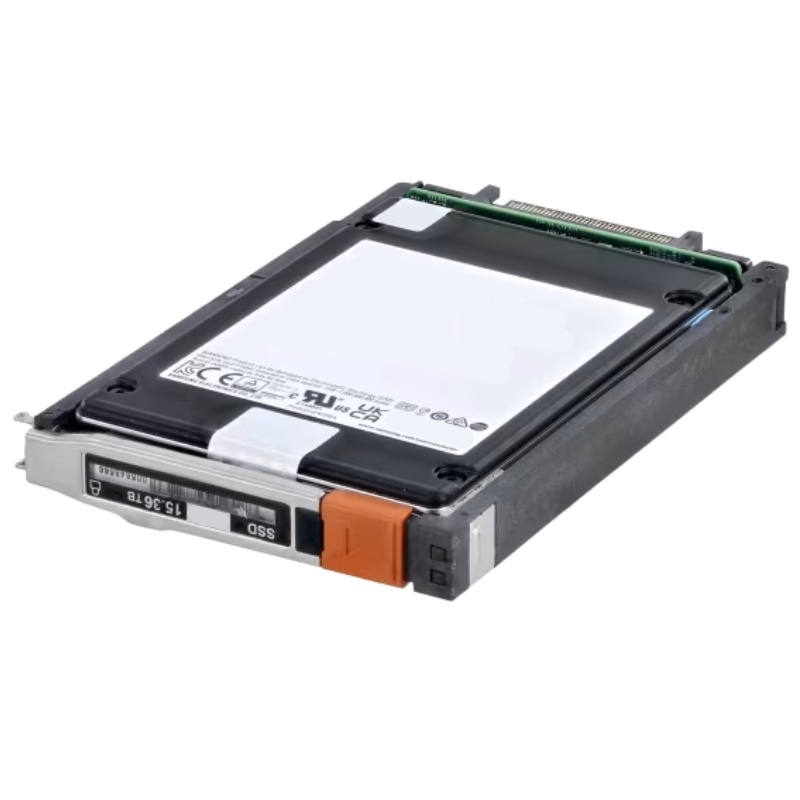


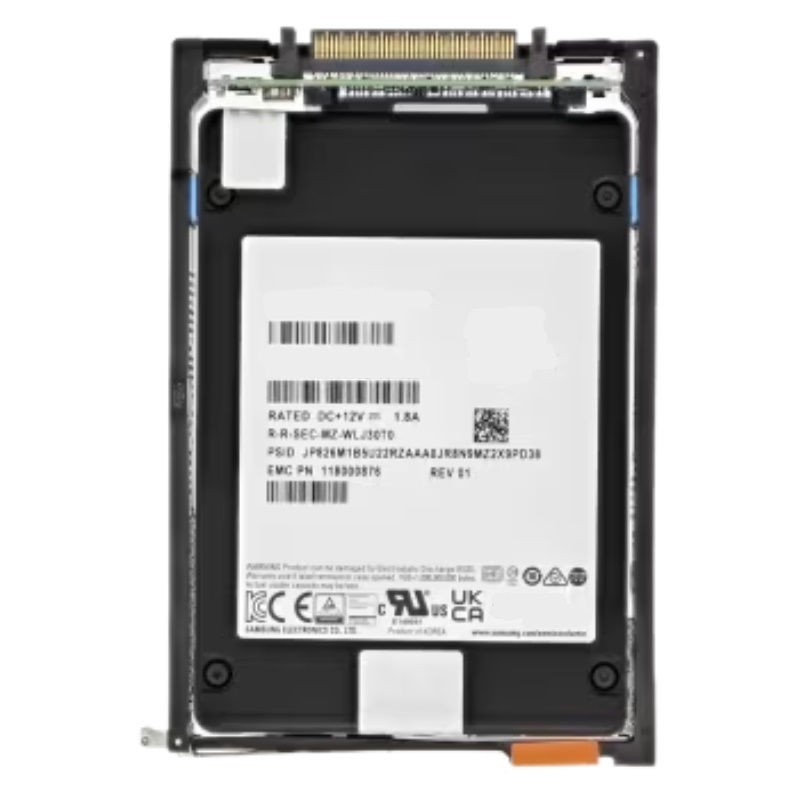
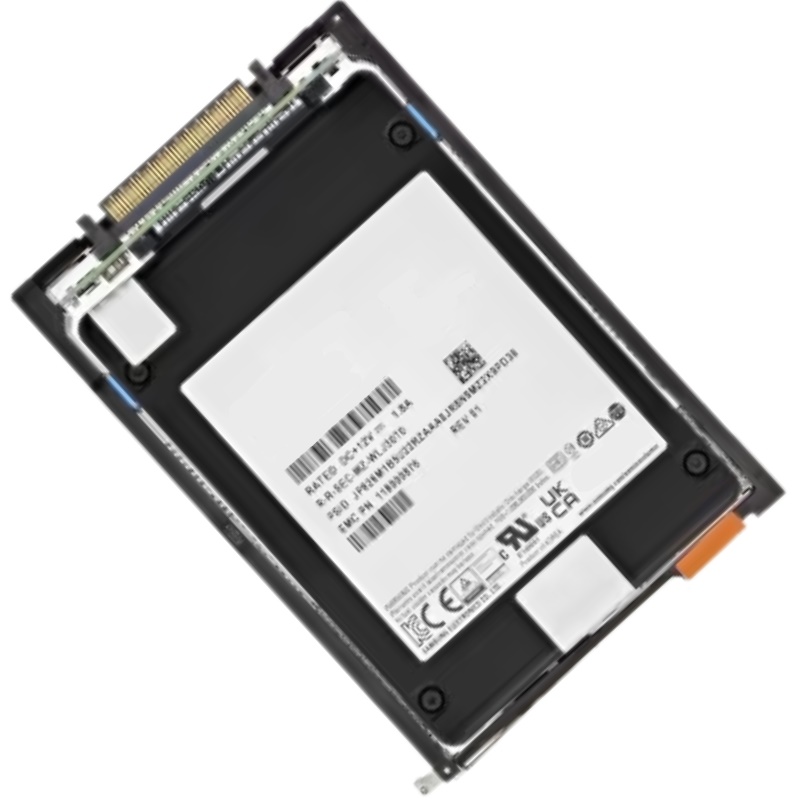
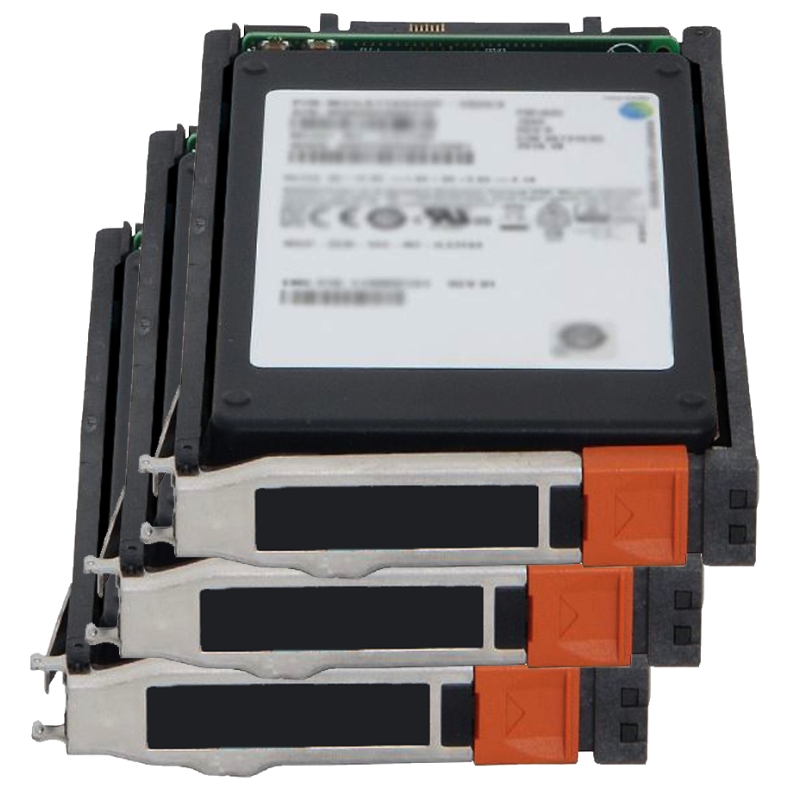
EMC D4F-D2SFXL2-15360 15.36TB SAS-12GBPS SFF Enterprise Internal Solid State Drive. Excellent Refurbished with 1 year replacement warranty
The EMC D4F-D2SFXL2-15360 is engineered to deliver exceptional performance and reliability for data-intensive environments. With a massive 15.36TB of storage, this compact solid-state drive is ideal for enterprise-grade applications requiring speed and endurance.
The EMC D4F-D2SFXL2-15360 is a 15.36TB small form factor enterprise internal solid state drive that delivers a blend of raw capacity and enterprise-class connectivity by using the 12Gbps SAS interface in a 2.5-inch SFF package. This model appears across parts lists and reseller catalogs as a drive specifically designated for Unity XT storage platforms and is commonly offered both as new OEM inventory and as professionally refurbished units for cost-conscious datacenter deployments. The combination of an SFF (2.5") enclosure, a 12Gbps SAS physical layer and a 15.36TB raw capacity point places this device in the category of high-density, low-latency flash media intended for array-level pooling rather than single-server internal storage.
Being a 2.5-inch SFF device, the D4F-D2SFXL2-15360 allows storage architects to maximize usable capacity per chassis while maintaining compatibility with the dense drive bays common in modern storage arrays. The SFF footprint is important for systems that are designed around high bay counts; arrays using this SFF device can pack more raw terabytes into the same rack space compared with 3.5-inch drives. The compact enclosure also helps reduce moving-air volume and can improve airflow management in dense enclosures where thermal efficiency matters.
The 12Gbps SAS interface gives this EMC part the enterprise-level transport layer needed for large-scale array integration. SAS provides several advantages over SATA in the datacenter: full-duplex links, multipath capability, robust error management and targeted interoperability with storage controllers and RAID engines built for enterprise workloads. Using SAS 12Gbps helps ensure the D4F-D2SFXL2-15360 can participate in high-availability configurations, maintain predictable latency under load and be managed by storage firmware designed for mission-critical environments.
A 15.36TB solid-state device is commonly applied where capacity consolidation and latency-sensitive performance must co-exist. When storage architects consolidate mixed workloads—virtual machines, databases, analytics caches and IO-intensive application tiers—having large single-device capacity enables fewer devices to deliver the pool size required by the business. This decreases the number of hot-swap slots required, reduces inter-device overhead and simplifies maintenance windows, while still retaining the low access latencies expected of flash media. The model number and part references for this exact capacity are widely listed in drive catalogs for Dell EMC Unity XT systems and related inventory channels.
This EMC SSD is most commonly associated with the Unity XT family of arrays and is referenced in drive compatibility matrices and vendor listings as a supported drive for those systems. When evaluated for deployment, administrators should cross-check their array’s firmware and OE (Operating Environment) revision against the manufacturer’s compatibility matrix to ensure full support and to avoid firmware-level mismatches. Many suppliers that stock the D4F-D2SFXL2-15360 explicitly list compatibility with Unity XT 380/F through 880/F configurations, reflecting how OEM part numbering is used to map drives to particular array families.
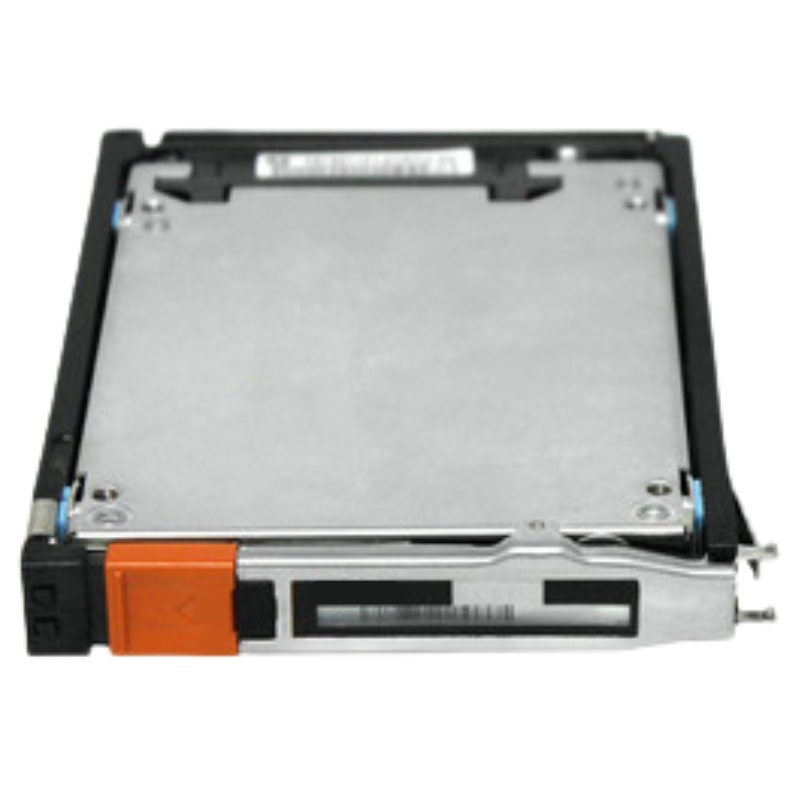
When purchasing or replacing a drive of this model, it is common to receive the device with a vendor-specific carrier or tray. Certain resellers note the inclusion of a default tray generation and ask customers to specify alternative trays if required by their particular DAE (disk array enclosure). This is an operationally important detail: installing a drive without the correct tray or with a mismatched carrier can complicate hot-swap operations and warranty handling. For environments that standardize on a particular tray generation, verifying the tray compatibility at procurement time avoids unnecessary service tickets.
The D4F-D2SFXL2-15360 is a natural fit for primary storage tiers that must support high VM density with low latency. Virtualization clusters that consolidate many virtual machines onto a single storage pool benefit from the high IOPS and predictable latency of enterprise SAS SSDs, while the 15.36TB capacity reduces the number of drives required to achieve target usable capacity after RAID overhead. Administrators often choose drives like this to host mixed VM workloads where consistent response times are more important than absolute sequential bandwidth peaks.
In database deployments, placing hot partitions, indices and write-ahead logs on low-latency SSD media improves transaction throughput and reduces tail latencies. The high capacity of the D4F-D2SFXL2-15360 allows DBAs to keep larger portions of working sets on flash without increasing controller complexity, which is especially useful for mixed OLTP/OLAP stacks where some datasets must remain immediately accessible. Furthermore, placing large SSDs in a tiered architecture reduces cross-tier migration frequency and simplifies capacity planning.
Many organizations deploy hybrid arrays with a mix of SSDs and high-density HDDs to balance performance and cost. In such architectures, drives like the D4F-D2SFXL2-15360 act as performance tiers or cache extents, enabling the array’s internal tiering algorithms to move hot data onto flash while cold data remains on spinning media. The 12Gbps SAS link ensures the performance tier can service bursts without becoming the bottleneck for controller-level aggregations.
Incorporate the per-drive usable capacity after RAID or erasure coding when planning pools. A 15.36TB raw device will yield less usable capacity depending on the redundancy scheme and the array’s metadata overhead. Account for future growth by reserving spare capacity for controller caches, snapshots and system metadata. Additionally, consider the rebuild impact of a large-capacity device: the time to rebuild a full 15.36TB extent may be longer than for smaller drives, so factor in controller load, rebuild throttling policies and available spare drives when designing redundancy. Monitoring and intentionally conservative rebuild policies can mitigate the risk of second-failure events during rebuild windows.
High-density arrays populated with many large-capacity SSDs should be evaluated for thermal distribution and power budget. Even though solid-state devices typically consume less power than spinning media on a per-GB basis, the aggregate power draw in a fully populated chassis is non-trivial. Ensure rack PDUs, UPS capacity and data center cooling are sized for the populated configuration, and consult vendor thermal profiles for expected operating ranges. Proper airflow management and drive arrangement reduce thermal throttling risk and extend drive life.
Familiarize operations staff with the vendor’s hot-swap and service procedures. Drives intended for hot-swap maintenance should be installed with the correct trays, labeled with service tags and recorded in the asset database. Clear procedures for safe removal and insertion—especially in arrays that conduct non-disruptive rebuilds—reduce accidental service events and ensure quick recovery when a replacement is required. If a drive fails, follow the array’s prescribed replacement workflow to preserve warranty and to ensure the array re-protects the data as designed.
Before purchasing, cross-reference the drive part number against the array vendor’s official compatibility and drive support matrices. Ensuring the OE revision on the target array is in the supported range prevents incompatibility issues and preserves support entitlements. If the array requires a specific tray generation, request that the vendor include the correct carrier or specify tray generation in the purchase order to avoid field delays.


 Contact Us
 Information
 Catalog
 Solid State Drives (SSD)
 Network Switches
 Hard Disk Drives
 HBA & Controllers
 PC & Servers
 PC & Server Memory
 CPU & Processors
 Network Routers
 Power Supplies
 Tape Drives & Libraries
 Network Devices
 Computer & Network Cables