(7% discount is applied at checkout)
Cart is empty
Your go-to destination for cutting-edge server products
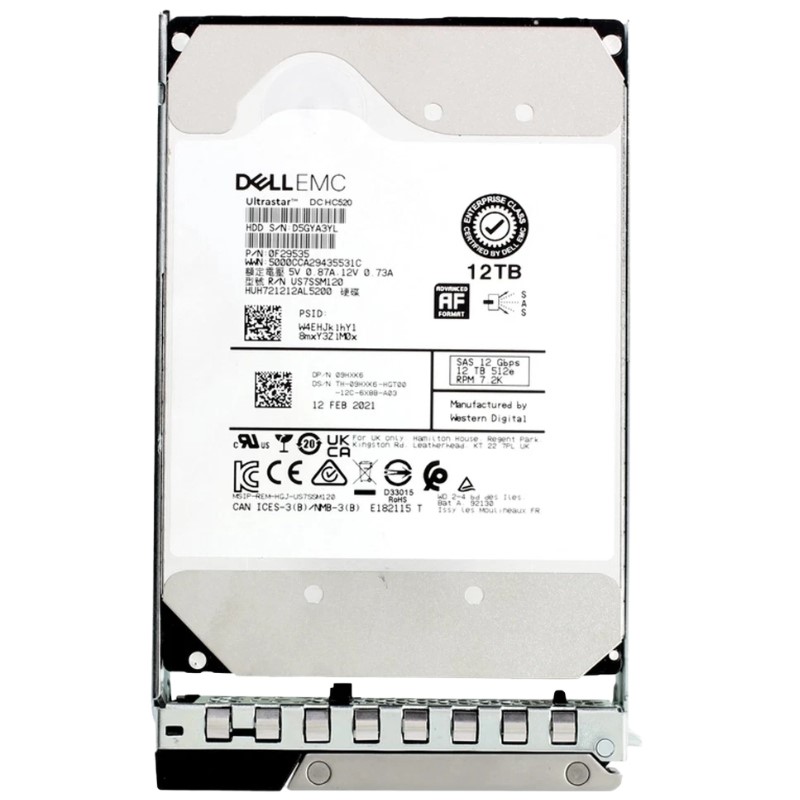


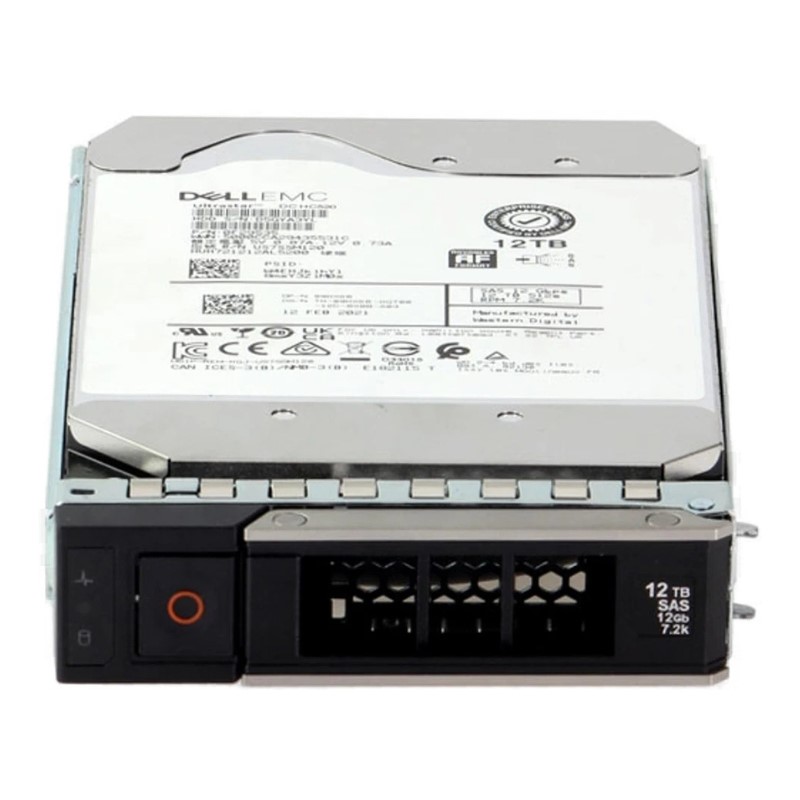
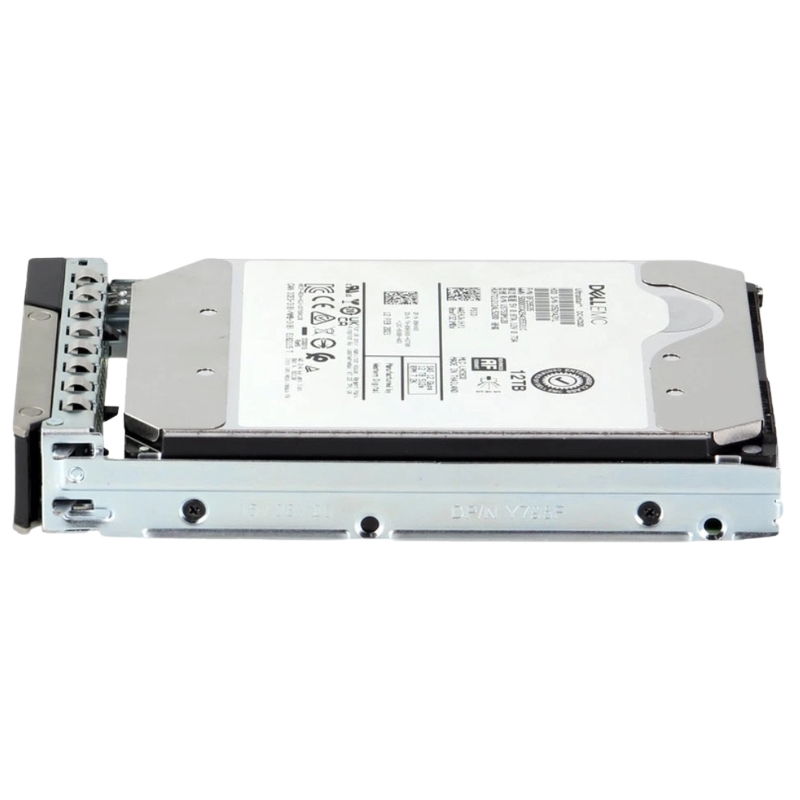
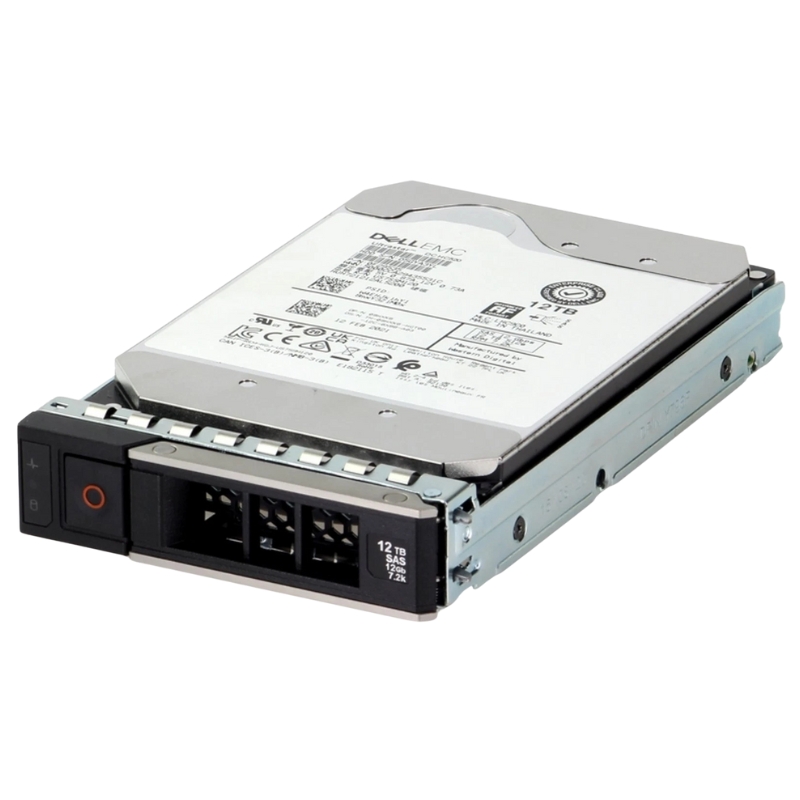
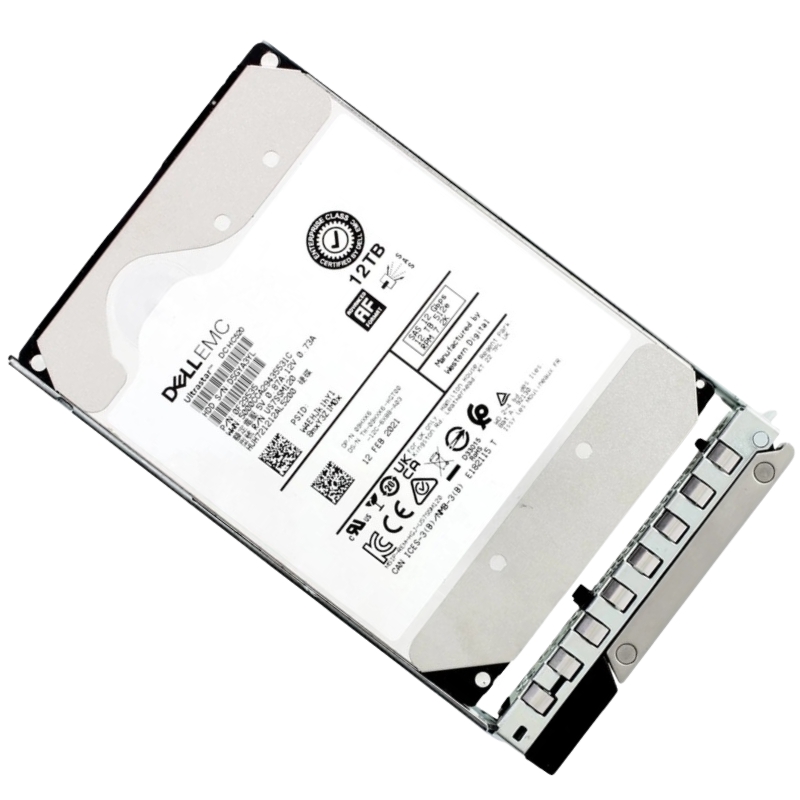
Dell FN7VRl EMC Exos X18 12TB 7.2K SAS-12GBPS 512e 3.5inch Hot Plug Hard Drive with Tray. New Sealed in Box (NIB) with 1 Year Warranty
The Dell FN7VR EMC Exos X18 12TB SAS Hard Disk Drive is a high-capacity, enterprise-grade storage device designed to deliver reliable performance, scalable architecture, and robust data integrity for modern server infrastructures. Built for demanding workloads, this 3.5-inch hot-plug hard drive combines large storage space with efficient SAS 12Gbps connectivity, making it suitable for data centers, cloud computing, virtualization, and mission-critical applications.
The Dell FN7VR EMC Exos X18 12TB 7.2K SAS-12GBPS 512e 3.5inch Hot Plug Hard Drive with Tray represents a high-capacity enterprise-grade storage solution designed for modern data centers, cloud infrastructures, and mission-critical workloads. This category of hard drives is engineered to deliver consistent performance, long-term reliability, and scalable storage density in environments where uptime and data integrity are essential. Built with SAS 12Gbps interface technology and optimized for Dell EMC ecosystems, this class of storage device supports heavy transactional workloads, virtualization platforms, backup infrastructures, and large-scale archival systems.
Enterprise storage architecture for Dell FN7VR EMC Exos X18 drives is centered around maximizing reliability and throughput while maintaining predictable latency across sustained workloads. The design philosophy emphasizes continuous operation in multi-drive server environments, ensuring compatibility with high-density rack systems and enterprise storage arrays. These drives are engineered to function under constant read and write cycles, making them suitable for 24/7 operations in distributed computing environments.
The SAS 12Gbps interface embedded in this category of drives enables high-speed data transfer between storage devices and server controllers. This interface improves bandwidth efficiency and reduces bottlenecks in large-scale storage systems. Unlike traditional SATA interfaces, SAS architecture supports dual-port connectivity, offering redundancy and improved failover capabilities, which is essential for enterprise environments that require uninterrupted data access.
Performance optimization in this category is achieved through a combination of firmware-level tuning, rotational stability, and advanced caching mechanisms. These drives are optimized for mixed workloads, including sequential and random I/O operations. In enterprise environments, such optimization ensures that virtualization platforms, database systems, and file servers operate smoothly even under heavy concurrent access conditions.
The 12TB storage capacity offered by the Dell FN7VR EMC Exos X18 class of drives enables organizations to scale their data infrastructure efficiently without significantly increasing physical rack space. High-capacity drives reduce the total number of physical units required, thereby lowering energy consumption, maintenance overhead, and infrastructure complexity. This makes them ideal for hyperscale data centers and cloud service providers.
The 512e (512 emulation) advanced format used in this drive category enhances compatibility with legacy systems while maintaining the benefits of modern high-density storage technology. It bridges the gap between older 512-byte sector systems and newer 4K native architectures. This ensures seamless integration into existing IT environments without requiring major system overhauls or compatibility issues.
Enterprise RAID configurations benefit significantly from the high capacity and sector alignment of 512e drives. These drives integrate efficiently into RAID 0, RAID 1, RAID 5, RAID 6, and RAID 10 configurations, supporting redundancy and performance balancing. This ensures that organizations can build resilient storage architectures capable of handling disk failures without data loss.
The 7.2K RPM rotational speed is engineered to provide a balance between performance, durability, and power efficiency. While not as fast as 10K or 15K RPM drives, this speed class offers greater storage capacity and lower operational heat generation. It is particularly suitable for bulk storage applications where capacity and reliability take precedence over ultra-low latency requirements.
This category of hard drives is widely used in workloads such as backup systems, archival storage, surveillance data retention, and virtual machine storage pools. The sustained throughput capabilities ensure that large file transfers and continuous write operations are handled efficiently without performance degradation.
Latency performance in 7.2K RPM SAS drives is optimized through advanced firmware algorithms that manage read/write head movement efficiently. While inherently higher in latency compared to SSDs, these drives compensate with higher capacity per dollar and stable long-term throughput, making them ideal for cold and warm storage tiers.
Hot plug functionality allows system administrators to replace or add drives without shutting down the server. This feature is essential in enterprise environments where downtime can lead to significant financial losses. The Dell FN7VR EMC Exos X18 drive supports seamless hot-swapping, enabling continuous system operation during maintenance cycles.
Minimizing downtime is a critical aspect of enterprise storage management. Hot plug drive bays, combined with redundant RAID configurations, allow organizations to maintain system availability even during hardware replacement or upgrades. This ensures uninterrupted access to mission-critical data.
In large-scale data centers, field replaceable units (FRUs) such as hot plug hard drives simplify maintenance operations. Technicians can quickly identify, remove, and replace failed drives without disrupting adjacent systems, improving operational efficiency and reducing service-level agreement violations.
The Dell FN7VR EMC Exos X18 drive is fully compatible with Dell PowerEdge server platforms, ensuring optimized firmware alignment and hardware communication. This integration ensures that system diagnostics, monitoring, and performance tuning tools function seamlessly across the entire infrastructure.
Firmware synchronization between the drive and server controller plays a vital role in maintaining stability and performance. Dell EMC ecosystems provide optimized firmware versions that enhance error handling, improve throughput, and ensure consistent drive behavior under heavy workloads.
Enterprise-grade drives such as the Dell FN7VR EMC Exos X18 are built with high mean time between failures (MTBF) ratings, ensuring long operational lifespans. These drives are tested under extreme conditions to validate durability and consistent performance over extended usage cycles.
Thermal management is critical in enterprise storage systems. These drives are engineered to operate within optimal temperature ranges, utilizing built-in thermal sensors and airflow-optimized designs to prevent overheating and performance throttling.
Data integrity is maintained through advanced error correction algorithms that detect and correct data inconsistencies during read and write operations. This ensures that stored information remains accurate and reliable over long periods.
Sector-level protection enhances data reliability by isolating and managing bad sectors effectively. This prevents corruption from spreading and ensures that data retrieval remains consistent even in degraded conditions.
Cloud service providers rely heavily on high-capacity SAS drives like the Dell FN7VR EMC Exos X18 to store vast amounts of user data, virtual machine images, and application backups. The scalability of these drives supports multi-tenant cloud environments efficiently.
Virtualized environments require consistent and reliable storage performance. These drives support hypervisors and virtual machine workloads, ensuring smooth operation across multiple virtual instances.
Surveillance systems generate continuous data streams that require stable and high-capacity storage solutions. These drives are ideal for video retention systems in security and monitoring environments.
RAID configurations built with these drives enable data redundancy, performance enhancement, and fault tolerance. Organizations can scale storage arrays efficiently while maintaining data protection.
As data requirements grow, additional drives can be seamlessly integrated into existing storage arrays, allowing organizations to scale without significant infrastructure redesign.
Storage performance can be optimized through workload balancing, caching strategies, and firmware-level tuning, ensuring that enterprise applications receive consistent throughput.
The 3.5 inch form factor provides a balance between storage density and mechanical stability. This design allows for high-capacity platters while maintaining compatibility with standard enterprise server bays.
The included tray system ensures secure mounting and efficient hot-swapping capabilities. It simplifies installation and replacement procedures in enterprise environments.
Efficient airflow design ensures that drives remain within optimal temperature ranges even in densely packed server racks, contributing to system stability and longevity.


 Contact Us
 Information
 Catalog
 Solid State Drives (SSD)
 Network Switches
 Hard Disk Drives
 HBA & Controllers
 PC & Servers
 PC & Server Memory
 CPU & Processors
 Network Routers
 Power Supplies
 Tape Drives & Libraries
 Network Devices
 Computer & Network Cables