(7% discount is applied at checkout)
Cart is empty
Your go-to destination for cutting-edge server products
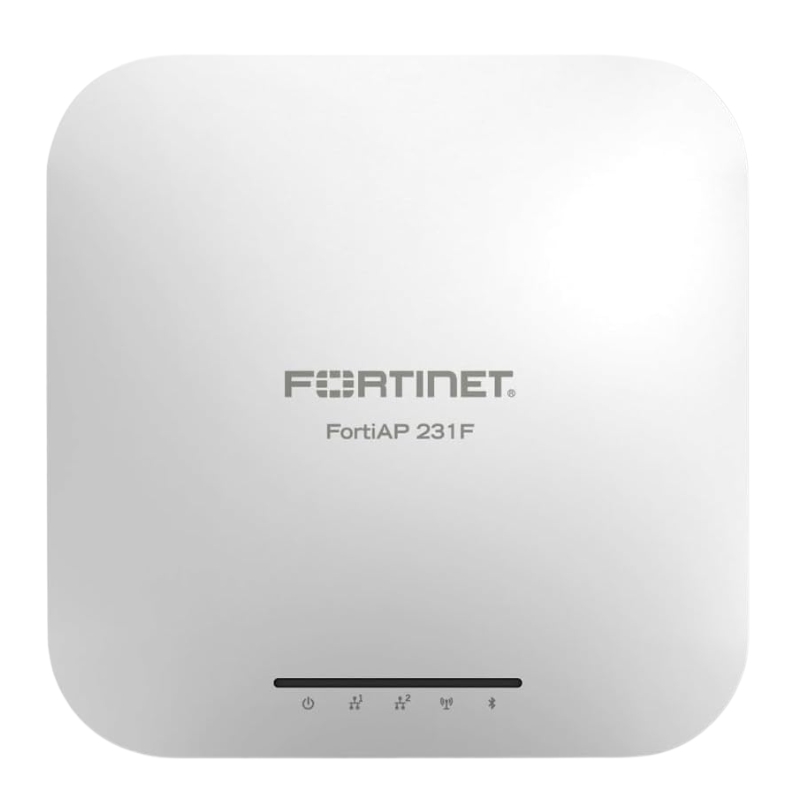


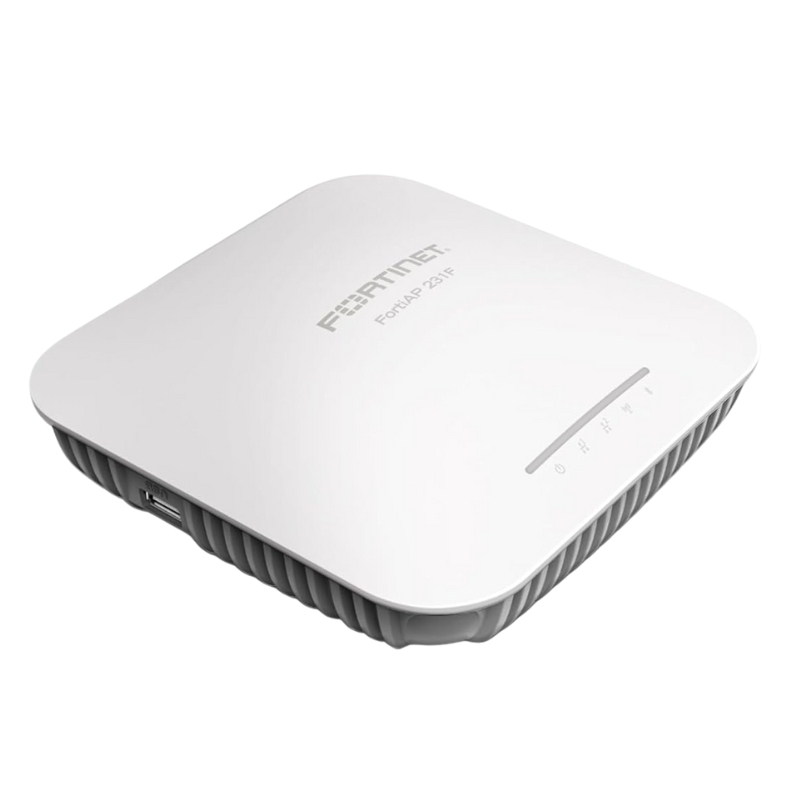
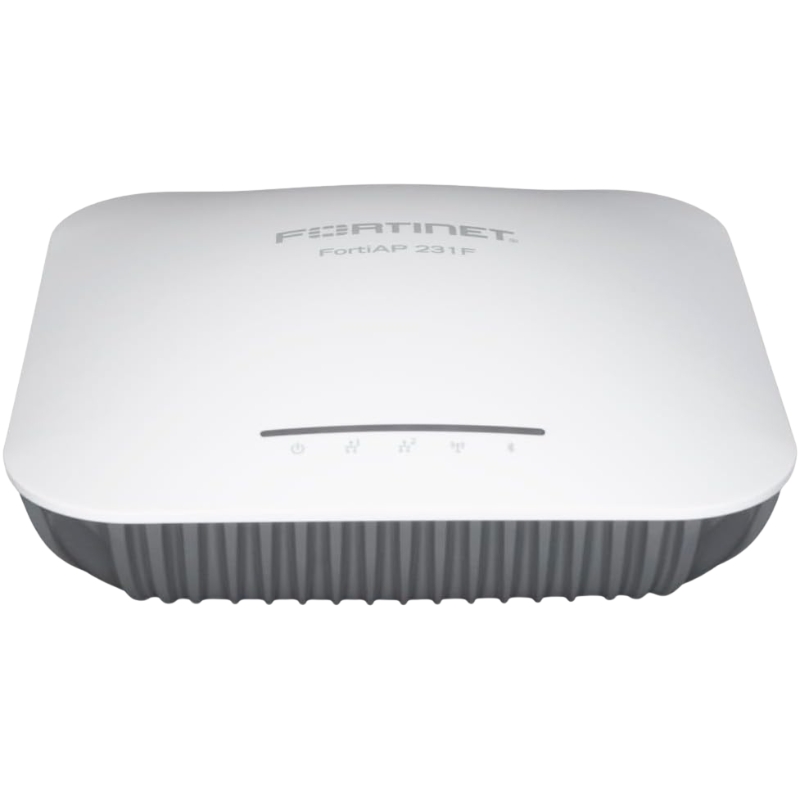
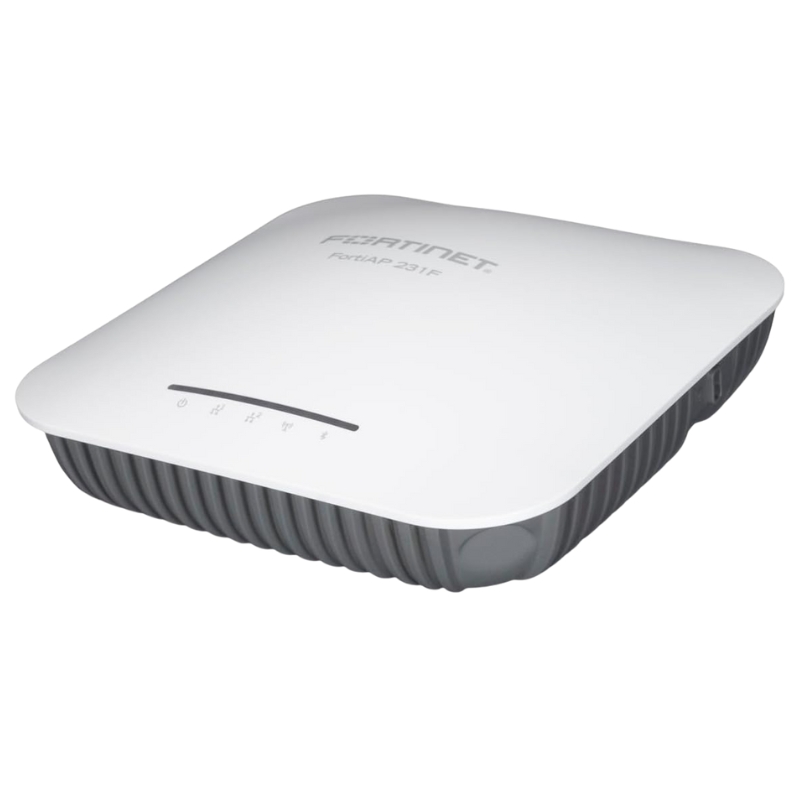
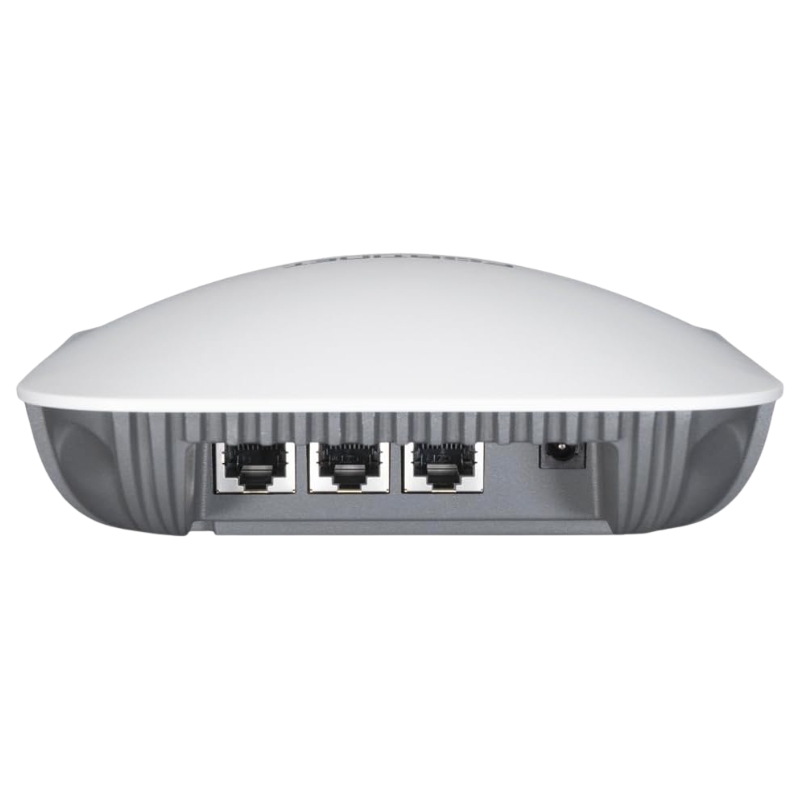
Fortinet FAP-231F-A External Wireless Access Point with 3.0GBPS Power Over Ethernet. New Sealed with 1-Year Replacement Warranty
The Fortinet FAP-231F-A is a high-performance external wireless access point designed for seamless connectivity, offering up to 3.0Gbps with Power over Ethernet support. Built for reliability and scalability, it ensures secure and efficient networking for modern enterprises.
The Fortinet FAP-231F-A External Wireless Access Point with 3.0 Gbps Power Over Ethernet is positioned as a high-performance enterprise-grade connectivity device designed to extend secure wireless coverage across demanding environments where reliability, scalability, and centralized security integration are essential. As part of the broader wireless ecosystem developed by
The architecture of the FAP-231F-A focuses on delivering stable multi-gigabit wireless performance while ensuring integration with secure authentication protocols, adaptive RF management, and automated network optimization. Its design philosophy is centered on eliminating bottlenecks commonly associated with legacy access points by leveraging advanced OFDMA scheduling, MU-MIMO efficiency, and enhanced spatial stream handling. These enhancements collectively support high-density environments such as enterprise campuses, industrial deployments, smart cities, and mission-critical connectivity zones.
The Fortinet FAP-231F-A is built around WiFi 6 technology, which fundamentally improves network efficiency through more intelligent spectrum utilization. Unlike previous wireless standards that allocate bandwidth in larger, less efficient blocks, WiFi 6 introduces a more granular approach that allows simultaneous communication with multiple devices without significant interference degradation. This approach is particularly beneficial in environments where numerous wireless clients compete for bandwidth at the same time.
The device’s theoretical aggregate throughput of up to 3.0 Gbps is achieved through combined dual-band operation, typically spanning both 2.4 GHz and 5 GHz frequencies. These bands are dynamically managed through adaptive channel selection mechanisms that continuously evaluate congestion levels, interference patterns, and client density distribution. The access point intelligently adjusts modulation schemes based on signal conditions, ensuring that each connected device receives optimal performance without overburdening the wireless spectrum.
A key performance advantage is the incorporation of uplink and downlink OFDMA scheduling, which allows the access point to divide channels into smaller resource units. This means that multiple devices can transmit simultaneously within the same channel, reducing latency and improving responsiveness in real-time applications such as video conferencing, VoIP communication, and cloud-based enterprise workflows.
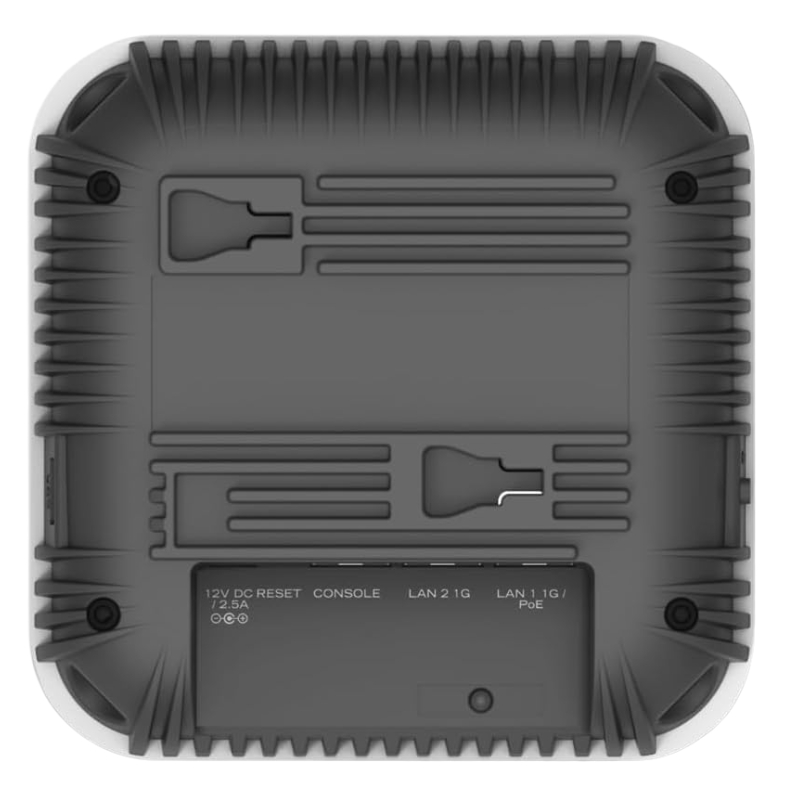
One of the defining attributes of the FAP-231F-A is its Power Over Ethernet capability, designed to simplify installation while maintaining high data throughput. By using a single Ethernet cable for both power delivery and data transmission, deployment complexity is significantly reduced, particularly in environments where electrical infrastructure is limited or difficult to access. The 3.0 Gbps performance capability ensures that the wired backhaul does not become a limiting factor for wireless performance, allowing the access point to fully utilize its wireless capacity.
This PoE-based architecture enables flexible placement across ceilings, walls, poles, and outdoor mounting structures without requiring proximity to dedicated power outlets. This flexibility is particularly valuable in large-scale enterprise environments such as warehouses, manufacturing facilities, stadiums, transportation hubs, and multi-building campuses. The ability to deploy access points in optimal RF positions without power constraints significantly improves overall wireless coverage quality and reduces dead zones.
Security is a central component of the FAP-231F-A design philosophy. Integration within the broader security ecosystem of
When deployed within a Fortinet-managed environment, the access point can synchronize with centralized security policies defined at the firewall or network controller level. This ensures that wireless clients adhere to consistent access rules regardless of their physical location within the network. Security policies can dynamically adapt based on user identity, device type, and contextual risk assessment, allowing for granular control over network access.
The device also supports segmentation strategies that isolate traffic between different user groups, departments, or device categories. This segmentation is essential in preventing lateral movement within enterprise networks and ensuring that sensitive data remains protected even in high-density wireless environments.
The RF design of the FAP-231F-A is engineered to maximize signal stability while minimizing interference in complex wireless environments. The access point continuously scans the RF spectrum to detect noise sources, overlapping channels, and competing wireless signals. Based on this analysis, it dynamically adjusts channel allocation and transmission power to maintain optimal connectivity conditions.
Beamforming technology enhances signal directionality by focusing wireless energy toward connected clients rather than broadcasting uniformly in all directions. This improves both signal strength and energy efficiency, particularly for devices located at the edge of coverage zones. The result is a more consistent user experience with reduced packet loss and improved throughput stability.
The system also incorporates adaptive noise reduction algorithms that identify and mitigate interference from non-WiFi sources such as industrial equipment, microwave signals, or neighboring wireless networks. This is especially important in outdoor deployments where environmental variables can significantly impact signal quality.
As an external wireless access point, the FAP-231F-A is designed to withstand challenging environmental conditions. It is engineered to operate reliably across a wide range of temperatures, humidity levels, and exposure conditions, making it suitable for outdoor installations such as building perimeters, logistics yards, campus walkways, and public access zones.
The enclosure is designed to protect internal components from dust, moisture, and physical exposure, ensuring long-term operational stability. This durability enables continuous network availability even in environments with fluctuating weather conditions or high environmental stress. The device maintains consistent RF performance regardless of external temperature variations, ensuring uninterrupted connectivity for mission-critical applications.
The FAP-231F-A is designed to be managed through centralized platforms that enable administrators to control multiple access points across distributed environments. Within the
Centralized orchestration enables administrators to apply consistent configurations across entire wireless networks without the need for manual device-by-device setup. This significantly reduces operational overhead and minimizes configuration errors. The system also provides continuous visibility into client behavior, bandwidth consumption, and network health metrics, allowing for proactive optimization.
Automated firmware updates and policy synchronization ensure that all access points remain aligned with the latest security standards and performance enhancements. This reduces vulnerability exposure and ensures long-term network resilience.
The FAP-231F-A is optimized for environments where a large number of wireless clients must be supported simultaneously. High-density client management is achieved through advanced scheduling algorithms that distribute network resources efficiently across all connected devices. This prevents congestion and ensures that critical applications maintain stable performance even under heavy load.
Scalability is achieved through distributed deployment models where multiple access points work together to create a unified wireless fabric. This allows enterprises to expand coverage seamlessly without degrading performance or requiring major architectural changes. The system is capable of supporting gradual expansion, making it suitable for growing organizations with evolving connectivity needs.
Seamless roaming is a critical feature in enterprise wireless environments where users frequently move between coverage zones. The FAP-231F-A supports fast handoff mechanisms that allow devices to transition between access points without noticeable interruption in connectivity. This is particularly important for voice applications, video streaming, and real-time collaboration tools.
The roaming system continuously evaluates client signal strength, access point load distribution, and network latency to determine optimal connection paths. This ensures that devices are always connected to the most appropriate access point, reducing dropped connections and improving overall user experience.
In deployments where wired backhaul is limited or impractical, the FAP-231F-A can be integrated into mesh networking architectures. Mesh configurations allow multiple access points to communicate wirelessly with each other, extending coverage without requiring direct Ethernet connections for every device.
This approach is particularly useful in outdoor environments or large campus deployments where physical cabling is difficult to implement. Mesh networking ensures that even remote areas remain connected to the central network infrastructure while maintaining acceptable performance levels.
The FAP-231F-A is suitable for a wide range of industrial and enterprise applications where reliable wireless connectivity is essential. In manufacturing environments, it supports machine-to-machine communication, automated monitoring systems, and real-time production analytics. In logistics operations, it enables inventory tracking, handheld scanning systems, and warehouse management platforms.
In educational campuses, the device supports high-density student connectivity, digital learning platforms, and administrative network systems. In healthcare environments, it enables secure access to patient records, wireless diagnostic devices, and communication systems that require uninterrupted connectivity.
Outdoor public deployments such as transportation hubs and smart city infrastructures benefit from its ability to maintain stable performance across large open areas with high user density fluctuations. These environments require consistent connectivity for ticketing systems, surveillance networks, and public access services.
The FAP-231F-A incorporates adaptive intelligence systems that continuously optimize network performance based on real-time conditions. These systems evaluate traffic patterns, client behavior, and RF conditions to dynamically adjust transmission parameters. This ensures that network resources are allocated efficiently without manual intervention.
Load balancing mechanisms distribute client connections across multiple access points to prevent overload conditions. This improves network stability and ensures consistent performance even during peak usage periods. Additionally, predictive analytics can anticipate congestion points and proactively adjust configurations to maintain optimal throughput.
Compared to legacy wireless access points, the FAP-231F-A represents a significant evolution in both performance and intelligence. Older systems typically rely on static channel allocation and limited client management capabilities, which can result in congestion and inconsistent performance in high-density environments. In contrast, this access point leverages dynamic spectrum management and intelligent scheduling to optimize every aspect of wireless communication.
The transition from WiFi 5 to WiFi 6 within this device architecture introduces substantial improvements in latency reduction, spectral efficiency, and simultaneous client handling. These improvements are particularly noticeable in enterprise environments where multiple applications operate concurrently and demand stable bandwidth allocation.
Reliability is a core design principle of the FAP-231F-A. The device is engineered to maintain continuous operation even in the presence of network disruptions or partial infrastructure failures. Redundant communication pathways and automatic failover mechanisms ensure that connectivity is preserved whenever possible.
In distributed deployments, the system can reroute traffic through alternative access points or network paths if a primary connection becomes unstable. This fault-tolerant architecture is essential for mission-critical environments where downtime is not acceptable.


 Contact Us
 Information
 Catalog
 Solid State Drives (SSD)
 Network Switches
 Hard Disk Drives
 HBA & Controllers
 PC & Servers
 PC & Server Memory
 CPU & Processors
 Network Routers
 Power Supplies
 Tape Drives & Libraries
 Network Devices
 Computer & Network Cables