(7% discount is applied at checkout)
Cart is empty
Your go-to destination for cutting-edge server products
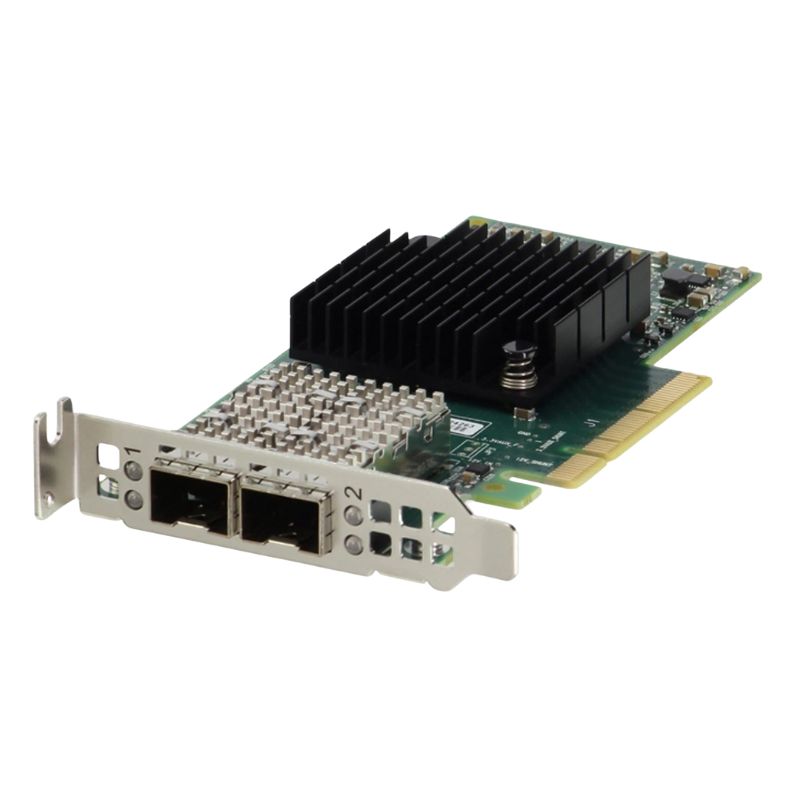


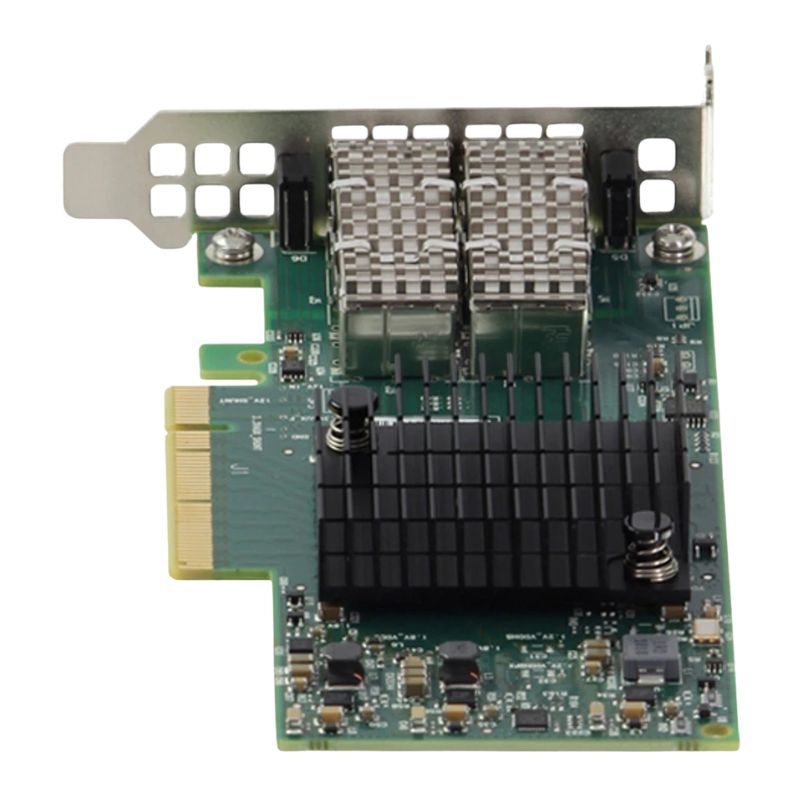
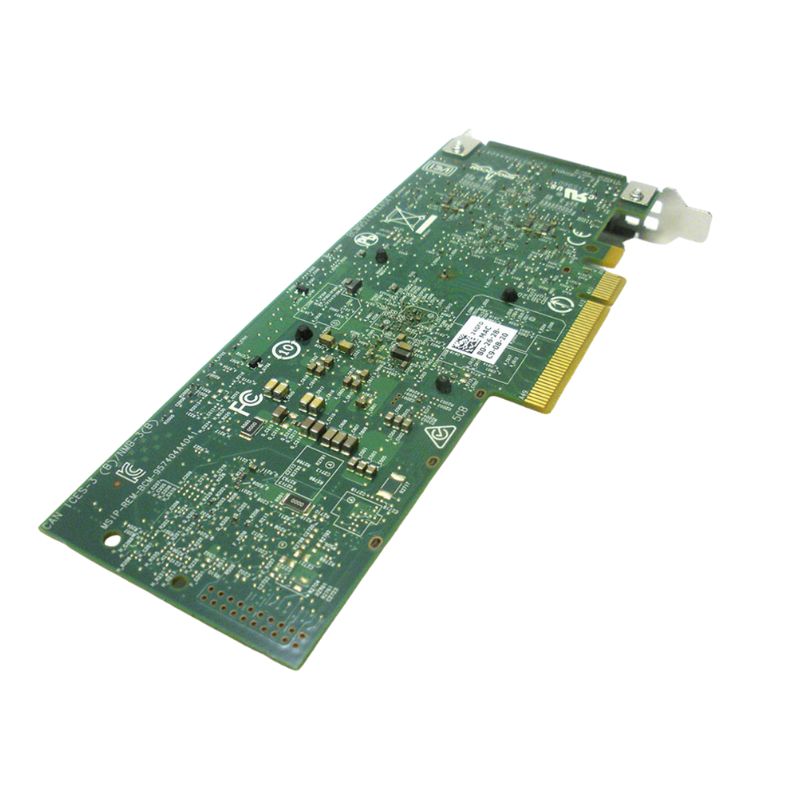
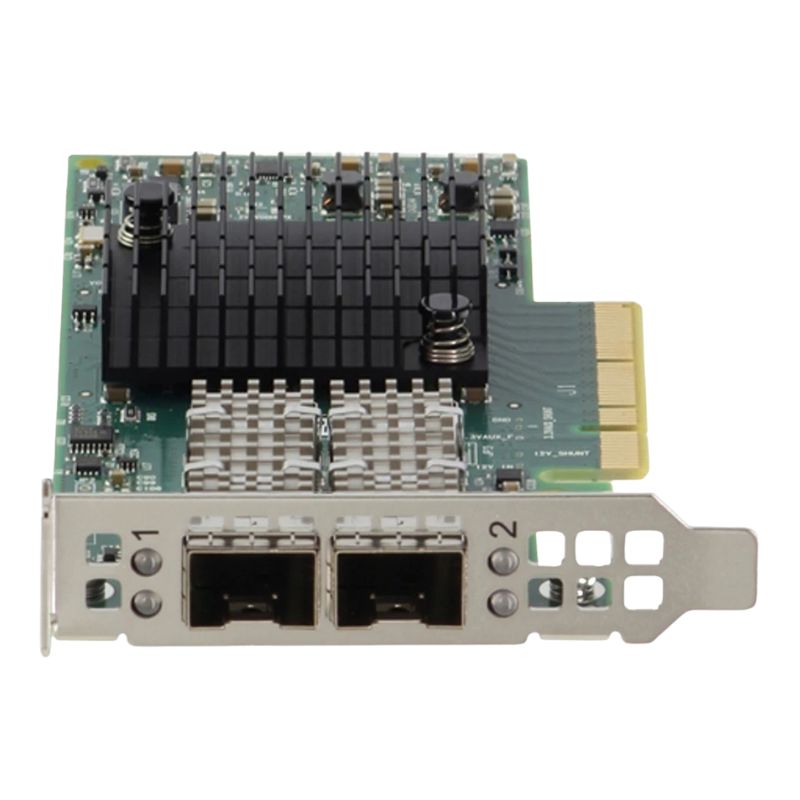
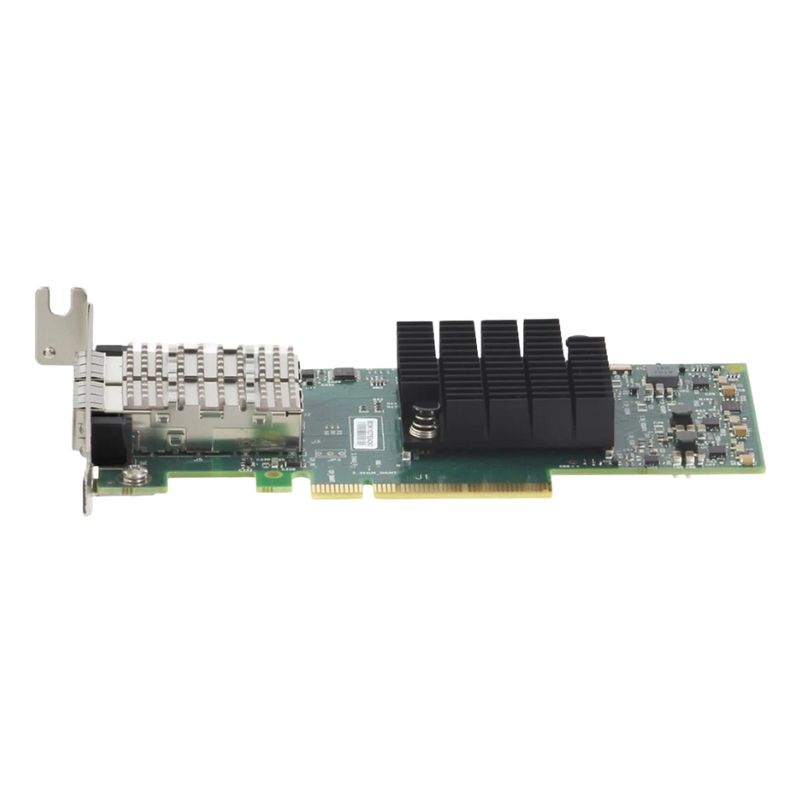
HPE 764617-B21 2 Ports Ethernet Adapter 10-40GB 544+QSFP. Excellent Refurbished with 1 year replacement warranty
The HPE 764617-B21 Ethernet Adapter is a high-performance networking solution designed for enterprise servers. With dual-port 10-40Gb connectivity, advanced processor integration, and compatibility with HPE ProLiant DL360 Gen9, it delivers exceptional speed and scalability for modern data centers.
The HPE 764617-B21 2 Ports Ethernet Adapter 10-40GB 544+QSFP is a high-performance, enterprise-grade networking component engineered to meet the growing demands of modern data centers, cloud infrastructures, virtualization environments, and high-throughput enterprise workloads. Designed to deliver scalable bandwidth ranging from 10 Gigabit Ethernet up to 40 Gigabit Ethernet, this adapter provides exceptional flexibility for organizations transitioning between legacy networking systems and next-generation high-speed architectures. It is widely recognized for its ability to optimize server connectivity, reduce latency, and enhance overall network efficiency in mission-critical deployments.
As organizations continue to adopt hybrid cloud, software-defined networking, and data-intensive applications, the demand for adaptable and high-capacity Ethernet adapters has significantly increased. This adapter addresses those demands through dual-port QSFP-based connectivity, enabling parallel data streams and improved redundancy. It is particularly well-suited for workloads such as virtualization clusters, storage area networks, database systems, real-time analytics, and artificial intelligence computing environments.
Modern data centers require networking hardware capable of handling massive data flows without performance degradation. The architecture of this adapter is designed to support scalable throughput, ensuring that servers maintain consistent communication with minimal bottlenecks. By integrating 10GbE, 25GbE, and 40GbE compatibility, it provides a future-ready solution that can evolve alongside infrastructure upgrades.
The scalable performance framework of this adapter ensures that enterprises can deploy it in environments with varying bandwidth requirements. Whether operating in a mid-range virtualization cluster or a high-density cloud computing environment, the adapter dynamically supports multiple Ethernet speeds. This adaptability reduces the need for frequent hardware replacement and enables long-term cost efficiency for IT infrastructures.
Bandwidth optimization is a critical feature in high-performance networking. This adapter intelligently distributes traffic across its dual ports, ensuring balanced workloads and reduced congestion. It supports advanced traffic management techniques that help maintain stable throughput even under peak network utilization scenarios. This capability is essential for enterprises running latency-sensitive applications such as financial transactions, real-time analytics, and distributed computing systems.
The dual-port QSFP (Quad Small Form-factor Pluggable) design provides enhanced flexibility and redundancy. Each port is capable of supporting high-speed optical or direct attach copper connections, enabling seamless integration into diverse networking environments. This configuration ensures uninterrupted network availability even in the event of a port failure, making it suitable for mission-critical infrastructures.
Redundancy is a core requirement in enterprise networking environments. The dual-port design ensures that if one link experiences degradation or failure, the secondary link can continue handling traffic without disruption. This fault-tolerant capability improves system reliability and minimizes downtime, which is essential for business continuity and service-level agreement compliance.
Integration into enterprise data centers requires compatibility with a wide range of server architectures, operating systems, and virtualization platforms. This adapter is designed with broad interoperability in mind, ensuring seamless deployment across HPE ProLiant servers and other compatible enterprise hardware platforms.
Virtualization environments such as VMware, Microsoft Hyper-V, and KVM benefit significantly from high-speed network adapters. The adapter supports efficient virtual machine migration, high-speed data replication, and optimized network segmentation. This ensures that virtual workloads operate smoothly without network-related performance limitations.
In cloud computing infrastructures, multi-tenancy requires strict isolation and efficient traffic handling. This adapter supports virtual LAN segmentation and advanced network partitioning, allowing multiple tenants to share physical infrastructure without compromising performance or security. This makes it highly suitable for cloud service providers and enterprise private cloud deployments.
Storage systems such as Storage Area Networks (SAN) and Network Attached Storage (NAS) rely heavily on high-bandwidth Ethernet connections. This adapter enhances storage performance by reducing latency and increasing data transfer speeds between servers and storage arrays.
Data replication and backup processes require stable and high-speed network connections. The adapter ensures that large volumes of data can be transferred efficiently across distributed storage systems. This reduces backup windows and improves disaster recovery readiness in enterprise environments.
Low-latency access is crucial for databases and real-time applications. The adapter minimizes packet delays and optimizes data flow paths, ensuring that storage queries are executed quickly and efficiently. This results in improved application responsiveness and enhanced end-user experience.
The HPE 764617-B21 2 Ports Network virtualization is a key component of modern IT infrastructure. The adapter supports advanced virtualization offloading features that reduce CPU overhead and improve system efficiency. By offloading networking tasks from the server processor, it allows compute resources to focus on application processing.
The hardware offload engine plays a crucial role in optimizing network performance. It handles packet processing tasks such as checksum calculations, segmentation, and traffic classification. This reduces CPU utilization and improves overall server performance, particularly in high-density virtualization environments.
Integration with virtual switches enables seamless communication between virtual machines and physical network infrastructure. This ensures that virtualized workloads maintain consistent network performance while benefiting from centralized traffic management and security policies.
The HPE 764617-B21 2 Ports Optimizing performance in high-speed networking environments requires careful tuning of both hardware and software components. This adapter provides extensive configuration options that allow system administrators to fine-tune performance based on workload requirements.
Driver-level optimizations ensure that the adapter operates at peak efficiency across different operating systems. These optimizations include interrupt moderation, receive-side scaling, and advanced queue management techniques that distribute network processing loads effectively.
Throughput enhancement techniques ensure maximum utilization of available bandwidth. By minimizing packet overhead and optimizing data flow pathways, the adapter delivers consistent high-speed performance even under sustained heavy traffic conditions.
Scalability is a defining feature of enterprise networking solutions. This adapter is designed to support scalable infrastructure growth, allowing organizations to expand their network capacity without significant architectural changes.
Modular design principles allow IT administrators to expand network capabilities incrementally. This reduces capital expenditure while ensuring that infrastructure upgrades can be performed with minimal disruption to existing systems.
Long-term compatibility ensures that the adapter remains relevant across multiple hardware and software generations. This reduces the need for frequent upgrades and supports sustainable IT investment strategies in enterprise environments.


 Contact Us
 Information
 Catalog
 Solid State Drives (SSD)
 Network Switches
 Hard Disk Drives
 HBA & Controllers
 PC & Servers
 PC & Server Memory
 CPU & Processors
 Network Routers
 Power Supplies
 Tape Drives & Libraries
 Network Devices
 Computer & Network Cables