(7% discount is applied at checkout)
Cart is empty
Your go-to destination for cutting-edge server products
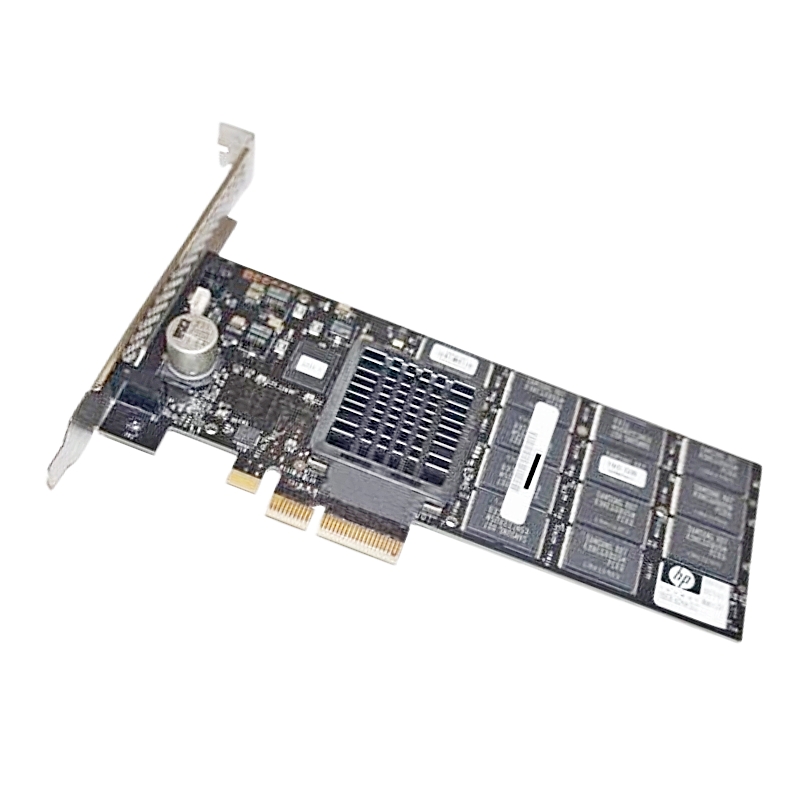


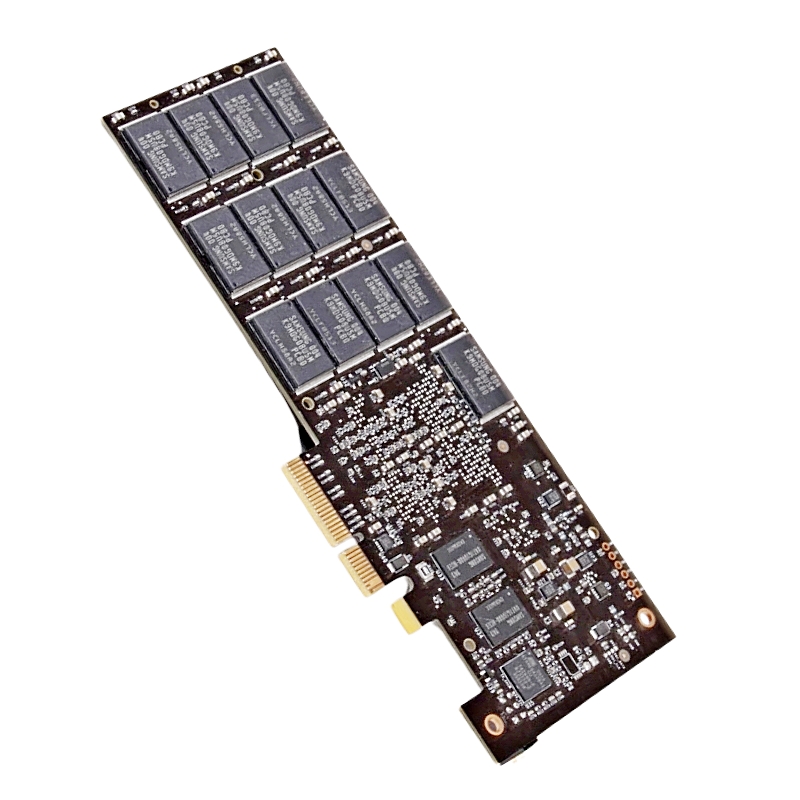
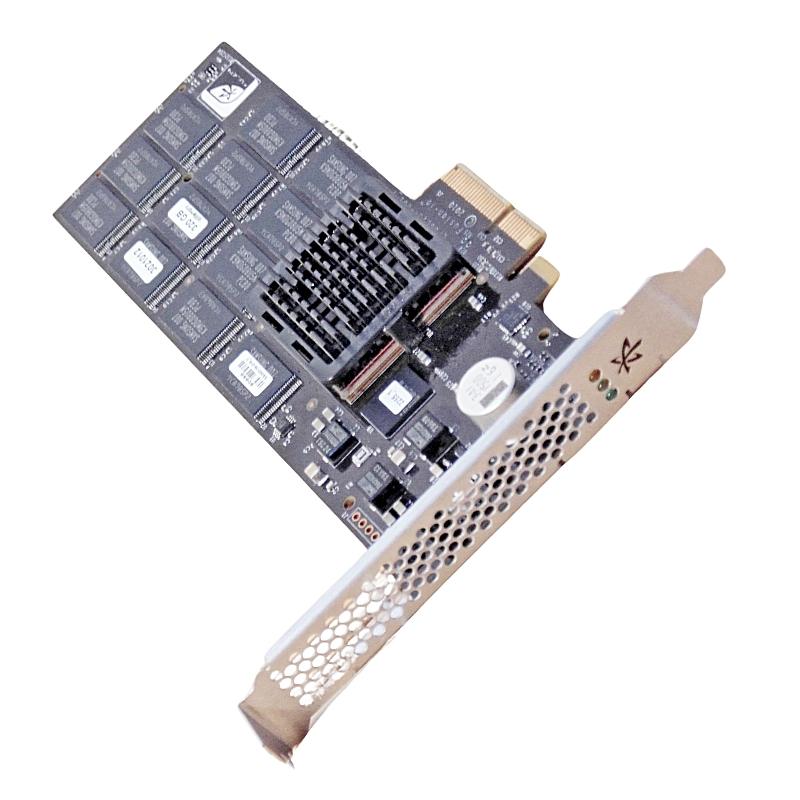
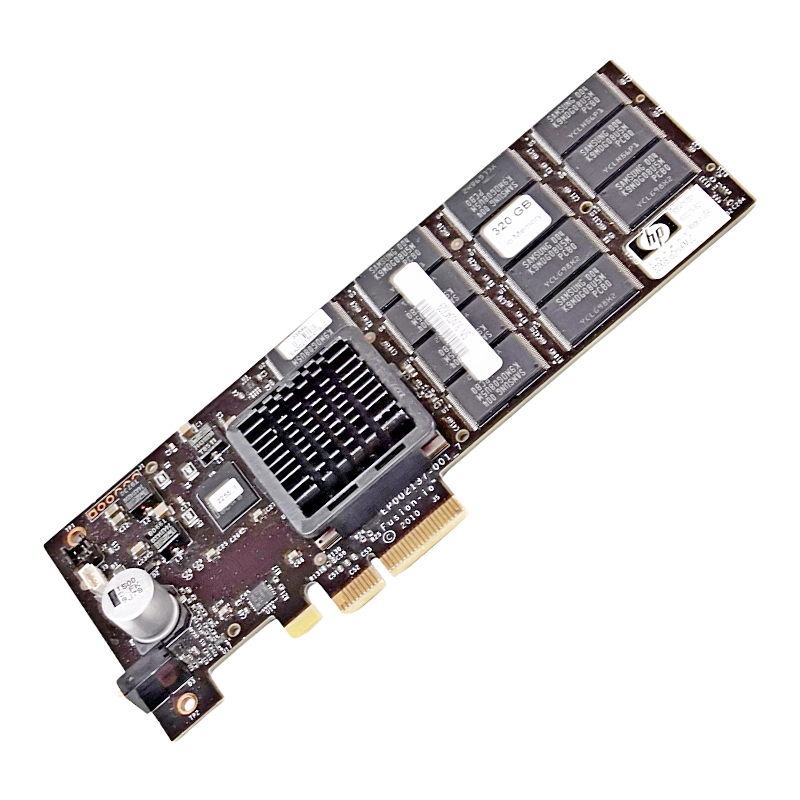
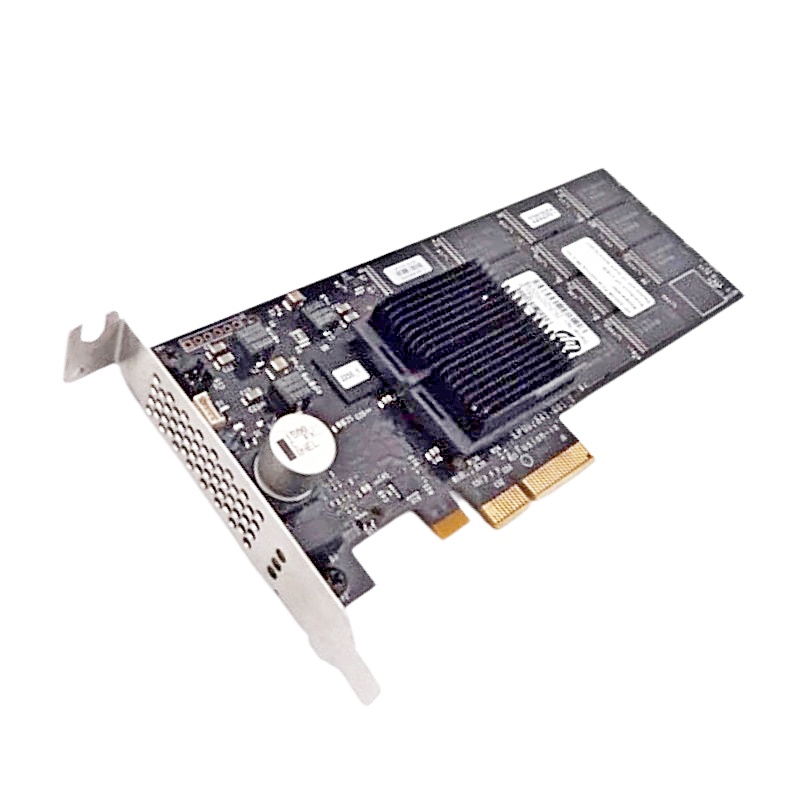
HPE 600279-B21 Proliant Server 320GB PCI-Express Multi Level Cell SSD. Excellent Refurbished with 1 year replacement warranty
| SKU/MPN | Warranty | Price | Condition | You save |
|---|---|---|---|---|
| 600279-B21 | 1 Year Warranty | $99.00 | Excellent Refurbished | You save: $34.65 (26%) |
| 600279-B21 | 1 Year Warranty | $495.00 | New Sealed in Box (NIB) | You save: $173.25 (26%) |
HPE 600279-B21 ProLiant Server 320GB PCI-Express Multi Level Cell (MLC) SSD represents a focused category of enterprise-class solid state storage engineered for server environments that demand a balance of capacity, performance
HPE 600279-B21 ProLiant Server 320GB PCI-Express Multi Level Cell (MLC) SSD represents a focused category of enterprise-class solid state storage engineered for server environments that demand a balance of capacity, performance, and cost-efficiency. Designed for data center deployments, virtualization hosts, and mixed workload servers, this category emphasizes reliable, high-throughput PCIe connectivity combined with MLC flash endurance characteristics that suit read-intensive and mixed-use applications. Search engines reward clear, descriptive content that echoes real user intent—terms such as "HPE ProLiant SSD", "600279-B21", "320GB PCIe MLC", and "enterprise server SSD" should appear naturally across the content to improve discoverability.
HPE 600279-B21 models are built on a PCI-Express interface that eliminates many of the latency bottlenecks associated with older SATA/SAS form factors. The PCIe bus provides direct, low-latency access to the system fabric, delivering greater IOPS and sustained throughput that benefit databases, caching layers, and virtualization hypervisors. Multi Level Cell (MLC) NAND technology used in this SSD category offers a favorable compromise between cost per gigabyte and endurance relative to Single-Level Cell (SLC) or Triple-Level Cell (TLC) alternatives. Enterprise-grade controllers, on-board DRAM or DRAM-less cache architectures, and firmware tuned for server workloads are hallmarks of the category, ensuring consistent performance under mixed read/write patterns and predictable Quality of Service (QoS) for business-critical applications.
HPE 600279-B21 320GB PCIe MLC SSDs typically provide high sequential and random throughput metrics that align with the demands of server-side storage tiers. Sequential read and write speeds are optimized for bulk data movement, while random IOPS performance is tuned for small-block operations common in transactional databases and virtualization boot storms. The 320GB usable capacity is positioned as a capacity point that supports OS images, hot caches, and performance-sensitive application data without the price premium of larger enterprise drives. For capacity planning, it is essential to treat advertised capacity and usable capacity differently to account for over-provisioning and firmware-reserved blocks designed to prolong flash life and maintain performance over the product lifecycle.
Reliability is a defining characteristic of the HPE 600279-B21 SSD category. Enterprise drives are validated with rigorous testing for data retention, power loss protection, and sustained performance under continuous load. MLC flash in these SSDs is backed by wear-leveling algorithms, error-correcting code (ECC), and SMART reporting capabilities that provide administrators with health metrics for proactive maintenance. Many models within the category support power-loss protection mechanisms—either through onboard capacitors or firmware techniques—to help ensure that in-flight data is not lost during an unexpected outage. Mean Time Between Failures (MTBF) and Drive Writes Per Day (DWPD) specifications should be reviewed for each SKU to align endurance expectations with anticipated write workloads.
HPE 600279-B21 SSDs are especially well suited for a range of enterprise workloads where a high-performance, cost-conscious storage tier is needed. Examples include virtualization hosts where fast VM boot and migration times matter, application servers requiring low-latency I/O, and read-heavy database workloads where the combination of MLC endurance and PCIe bandwidth produces superior performance compared to legacy spinning disks. They are also effective in tiers used for caching, 로그 aggregation, and analytics where predictable latency and steady throughput accelerate application responsiveness.
In virtualized environments, the HPE 600279-B21 category accelerates hypervisor operations by reducing I/O wait times for multiple concurrent virtual machines. Storage tiers built with these SSDs reduce contention and provide consistent latency during peak consolidation ratios. For hyperconverged infrastructure platforms that colocate compute and storage, these PCIe MLC SSDs serve as fast local storage for distributed filesystems, metadata acceleration, and write buffers. Their relatively compact capacity is ideal for caching layers and metadata stores where speed is more valuable than raw capacity.
Deploying HPE 600279-B21 SSDs at rack scale demands attention to thermal, power, and firmware management. PCIe devices can contribute to rack-level heat density, so data center administrators should ensure proper airflow and thermal monitoring when populating servers with multiple PCIe SSDs. Power budgeting is equally important; enterprise SSDs have defined power profiles during idle, active, and peak states. Integrating these drives into standardized maintenance and firmware update procedures will minimize disruption and ensure compatibility with host firmware and operating system drivers.
Security is increasingly central to enterprise storage selection. SSDs in this category may support hardware-based encryption standards and secure erase capabilities that help organizations comply with data protection regulations. When paired with HPE management tools, IT teams can integrate drive-level encryption with broader key management systems to maintain compliance with industry standards. Secure erase features are useful during system decommissioning or drive repurposing, ensuring that sensitive data is not recoverable after retirement.
Hardware encryption and TCG Opal or similar standards can be part of the feature set for enterprise SSDs, though availability depends on the specific model and firmware. Secure erase commands and vendor-supplied utilities that trigger block-level sanitization simplify data lifecycle management and can be integrated into automated provisioning and decommissioning workflows. These capabilities are particularly important for organizations subject to regulatory frameworks that mandate secure data destruction.
Comparing MLC PCIe SSDs to other flash technologies provides clarity for purchasing decisions. Versus SLC, MLC offers lower cost with somewhat reduced write endurance, but modern enterprise MLC designs and firmware advancements have narrowed the endurance gap for many server workloads. Versus TLC and QLC, MLC typically provides superior write endurance and predictable performance under sustained loads, although TLC and QLC can offer higher capacities at lower price points for archival or cold storage tiers. NVMe-based drives that use newer NAND or controller technology might offer higher raw performance, but the HPE 600279-B21 category remains attractive where a balance of cost, reliability, and proven interoperability with ProLiant servers is required.
Within enterprise SSD categories, vendors often define read-intensive, mixed-use, and write-intensive SKUs with differing endurance and price targets. The HPE 600279-B21 320GB PCIe MLC SSD generally aligns with mixed-use profiles, making it versatile across many server roles. For scenarios dominated by writes—such as high-frequency logging or certain analytics jobs—write-intensive alternatives may be preferable. Conversely, read-heavy caches or content delivery nodes can leverage read-optimized SSDs to maximize cost-efficiency. Matching the SSD type to the workload profile ensures optimal longevity and lowers the risk of early drive retirement due to wear.
Successful deployment of HPE 600279-B21 SSDs includes careful planning around firmware levels, driver compatibility, and workload profiling. Prior to wide-scale rollout, administrators should perform benchmark testing that mirrors production workloads to establish baseline metrics for IOPS, latency, and throughput. Implementing monitoring with proactive alerting on SMART attributes and endurance thresholds allows operators to plan drive replacements before failures occur. Additionally, integrating SSDs into backup and replication strategies ensures data redundancy, since even the most reliable storage has a non-zero failure probability.
Performance tuning can further extract value from the category. Over-provisioning—reserving a portion of the drive for garbage collection and wear-leveling—is a standard practice that can extend drive lifespan and stabilize performance. Aligning filesystem parameters and I/O scheduler settings with the SSD’s characteristics reduces unnecessary write amplification. For virtualized environments, aligning guest OS and hypervisor block sizes with the underlying SSD characteristics can yield measurable performance improvements and reduced latency.


 Contact Us
 Information
 Catalog
 Solid State Drives (SSD)
 Network Switches
 Hard Disk Drives
 HBA & Controllers
 PC & Servers
 PC & Server Memory
 CPU & Processors
 Network Routers
 Power Supplies
 Tape Drives & Libraries
 Network Devices
 Computer & Network Cables