(7% discount is applied at checkout)
Cart is empty
Your go-to destination for cutting-edge server products
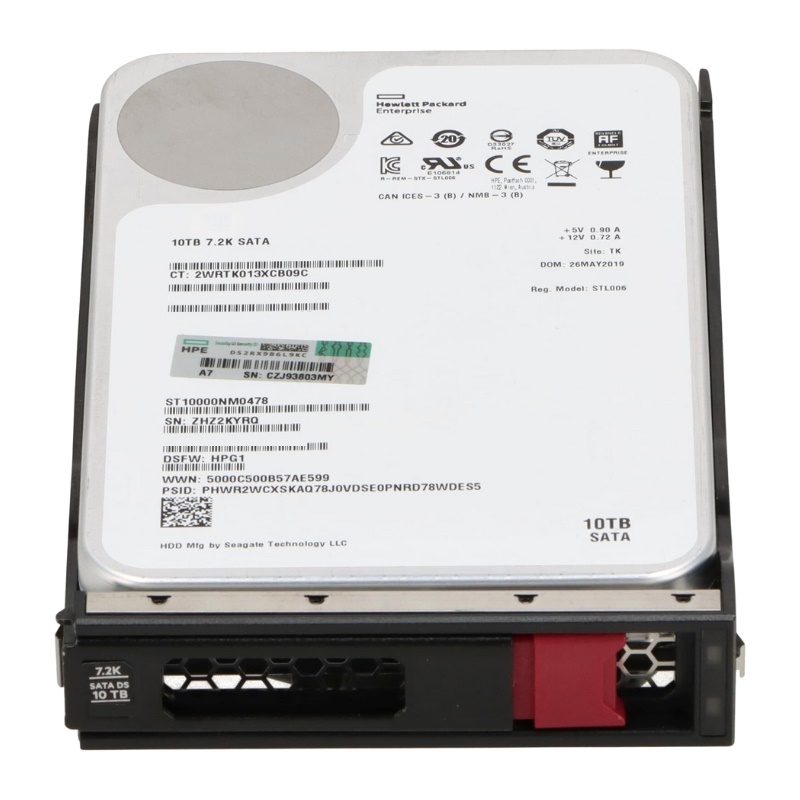


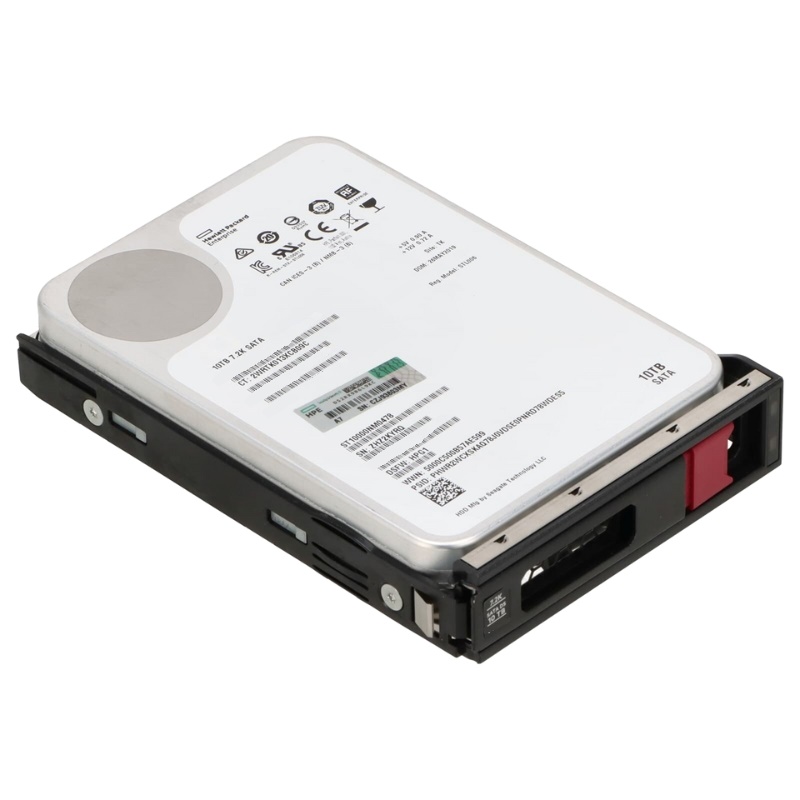
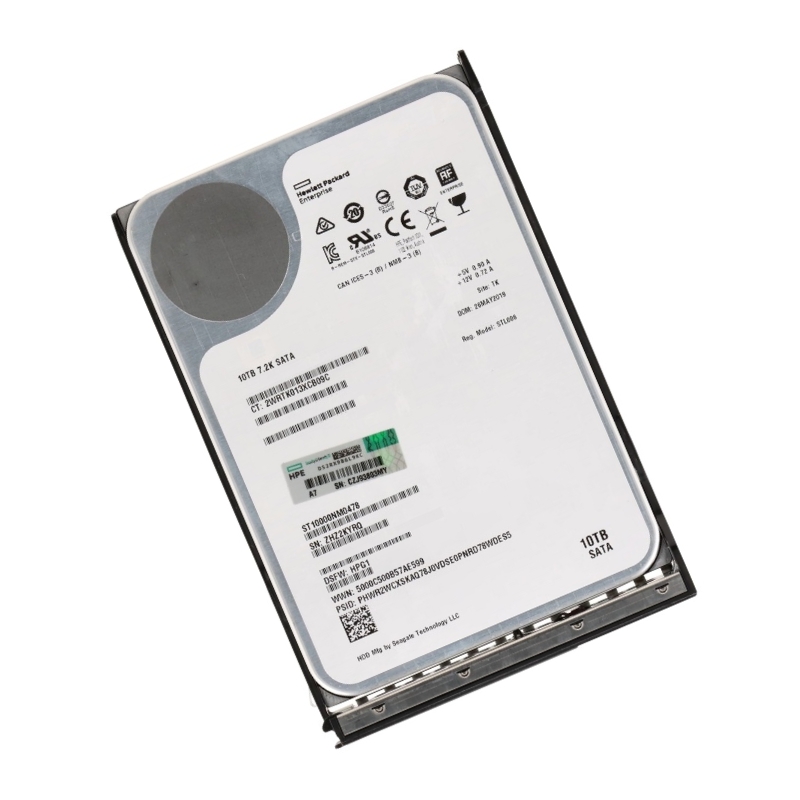
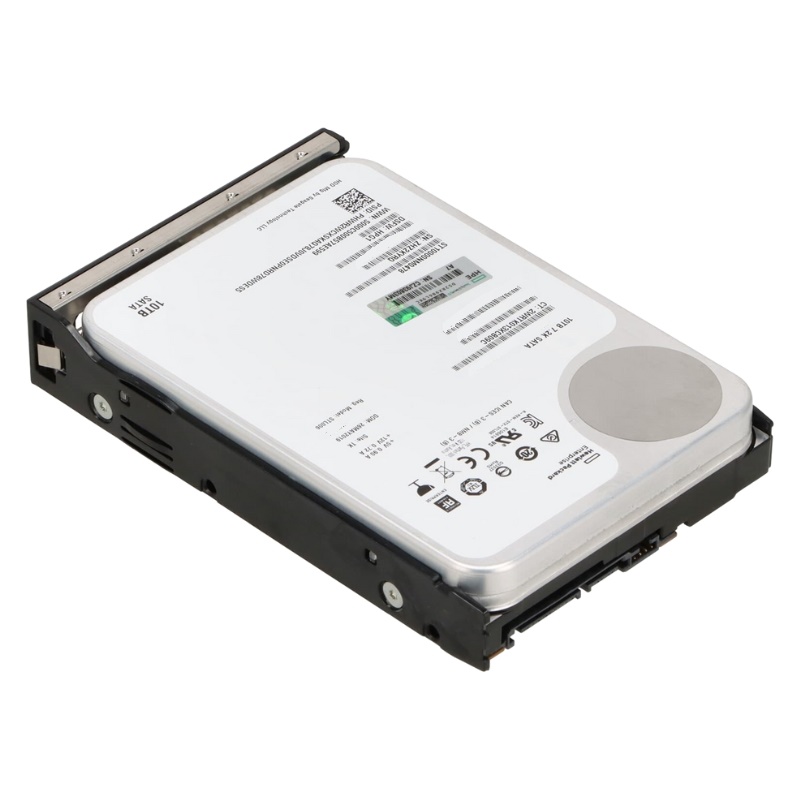
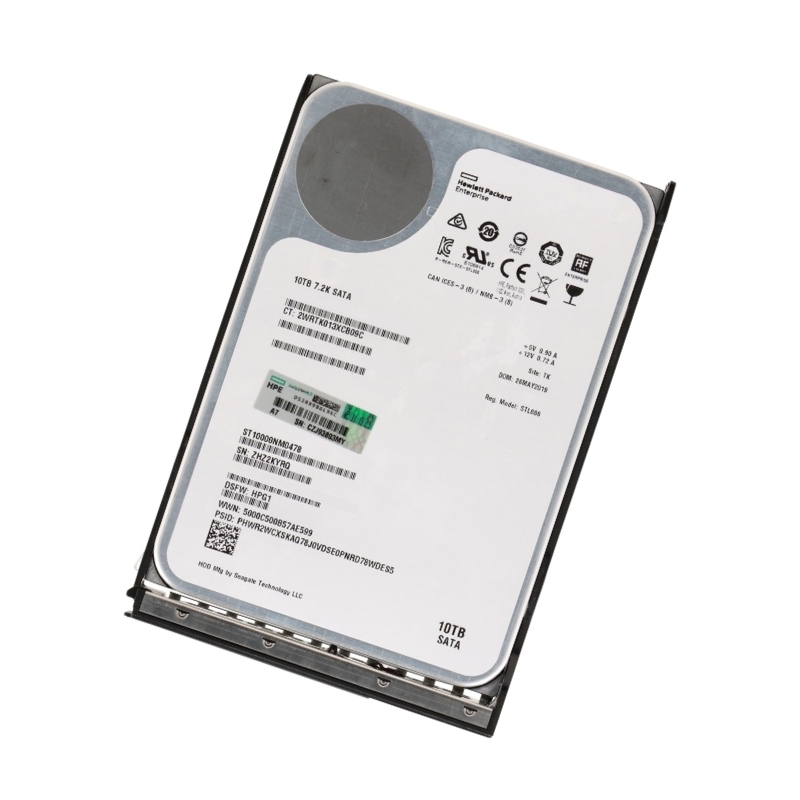
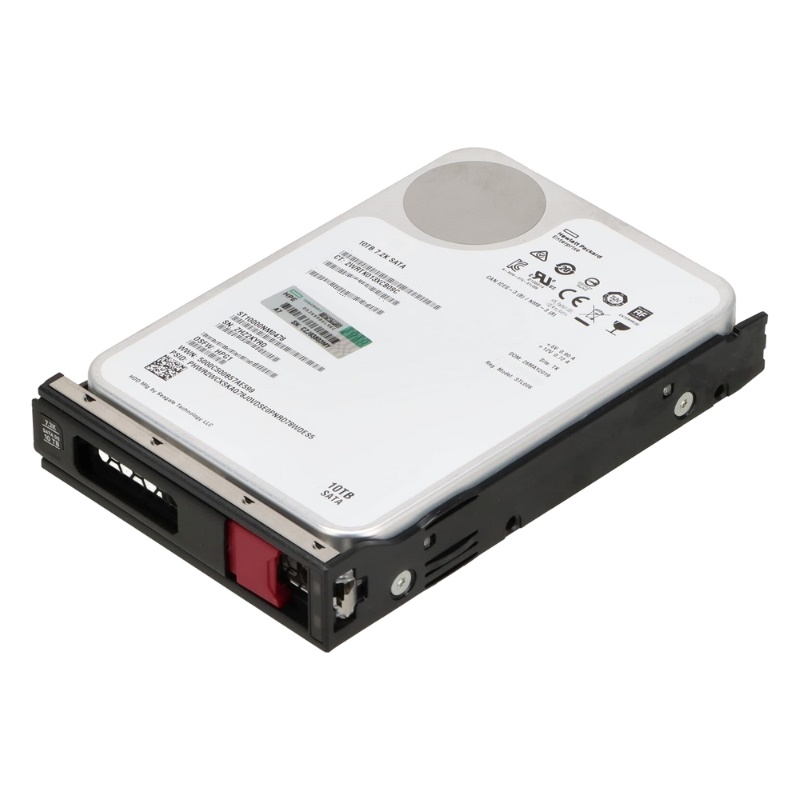
HPE MB010000GWAYN 10TB 7.2K RPM SATA 6GBPS 3.5inch LFF Helium 512e Hard Drive. Excellent Refurbished with 1 year Replacement Warranty
The HPE MB010000GWAYN is a high-capacity enterprise-class storage drive engineered to deliver reliable performance, scalable data handling, and energy-efficient operation. Designed for modern server environments, this 10TB midline HDD provides an ideal balance between storage density and consistent throughput for business-critical workloads.
The HPE MB010000GWAYN 10TB 7.2K RPM SATA 6Gbps 3.5-inch LFF Helium 512e Hard Drive belongs to a specialized class of enterprise storage devices engineered for high-capacity, energy-efficient, and scalable data center environments. This category of hard drives is designed to meet the growing demands of modern IT infrastructures where data volumes continue to expand exponentially. By integrating helium-filled drive technology with a high-capacity 10TB architecture, this storage solution delivers improved efficiency, reduced power consumption, and enhanced thermal performance compared to traditional air-filled drives.
Enterprise SATA helium hard drives are widely adopted in cloud storage systems, archival environments, backup infrastructures, and large-scale data repositories. The combination of 7.2K RPM rotational speed and SATA 6Gbps interface provides a balanced performance profile optimized for sequential workloads and bulk data storage applications. This makes the category particularly suitable for organizations seeking cost-effective, high-density storage without sacrificing reliability or scalability.
Helium-filled hard drive technology represents a significant advancement in mechanical storage design. By replacing traditional air inside the drive enclosure with helium, manufacturers reduce internal turbulence, allowing the disks to spin more efficiently. This results in lower friction, reduced power consumption, and improved thermal management. Drives in this category benefit from these characteristics, enabling higher platter density and increased storage capacity within the same physical footprint.
The reduced internal resistance also allows for thinner platters, which in turn enables manufacturers to pack more platters into a single 3.5-inch LFF form factor. This directly contributes to the 10TB capacity while maintaining stability and reliability. For enterprise environments, this means greater storage density per rack unit, lower cooling requirements, and improved overall data center efficiency.
The SATA 6Gbps interface used in this category provides reliable and widely compatible connectivity for enterprise servers and storage arrays. While SAS drives are often preferred for mission-critical transactional workloads, SATA helium drives excel in capacity-driven environments where cost efficiency and storage density are primary concerns. The 6Gbps bandwidth ensures adequate throughput for sequential data operations such as backups, media storage, and archival retrieval.
This category is particularly valuable in hybrid storage architectures where different tiers of storage are used to optimize performance and cost. SATA helium drives serve as the high-capacity tier, complementing faster SSDs or SAS drives used for performance-critical workloads.
Large-scale data centers require storage solutions that maximize capacity while minimizing physical footprint and energy usage. The 10TB helium hard drive category is specifically designed to meet these requirements. By increasing storage density, organizations can reduce the number of drives required to achieve petabyte-scale storage systems.
This reduction in drive count leads to lower power consumption, reduced rack space utilization, and simplified infrastructure management. For hyperscale cloud providers and enterprise IT departments, these efficiencies translate directly into lower operational costs and improved sustainability metrics.
The 7200 RPM rotational speed represents a widely adopted standard for midline and nearline storage solutions. Drives in this category are optimized for workloads that prioritize capacity and sustained throughput over ultra-low latency. This makes them ideal for sequential read and write operations commonly found in backup systems, video storage, and large-scale data analytics environments.
While not designed for high-transaction databases or real-time processing, the 7.2K RPM performance profile ensures stable and predictable behavior under continuous load. This reliability is essential for enterprise storage systems that must operate 24/7 without interruption.
Sequential data access patterns are a key characteristic of workloads suited to this category. Large file transfers, media streaming, and archival retrieval operations benefit from the consistent throughput provided by 7.2K RPM drives. The architecture is optimized to minimize latency variations and maintain steady performance over extended periods.
This makes the category particularly effective in environments where large datasets are written and retrieved in bulk rather than accessed randomly in small transactions.
The 10TB capacity offered by this category addresses one of the most critical challenges in modern IT: exponential data growth. Organizations across industries are generating more data than ever before, driven by digital transformation, IoT deployments, analytics platforms, and media-rich content ecosystems.
By providing high-capacity storage in a single drive, this category reduces the complexity of storage infrastructure while enabling organizations to scale efficiently. Fewer drives are required to achieve the same storage capacity, which simplifies maintenance, reduces failure points, and improves overall system reliability.
Data consolidation is a major advantage of high-capacity helium drives. Instead of managing large arrays of smaller-capacity drives, organizations can streamline their storage systems using fewer high-density units. This reduces the number of components that require monitoring, maintenance, and replacement.
Simplified infrastructure also improves system uptime and reduces administrative overhead. IT teams can focus on higher-value tasks rather than managing large volumes of individual storage devices.
One of the most important benefits of helium-filled hard drive technology is improved thermal efficiency. Reduced air resistance inside the drive enclosure allows for cooler operation, which directly impacts energy consumption and system stability. Lower operating temperatures extend drive lifespan and reduce the need for aggressive cooling systems in data centers.
Energy efficiency is a critical factor in enterprise storage design, especially in large-scale deployments where even small reductions in power usage can lead to significant cost savings. The helium-based design of this category contributes directly to greener and more sustainable IT infrastructure.
The 512e (512-byte emulation) format used in this category ensures compatibility with legacy systems while leveraging modern storage technologies internally. This hybrid approach allows enterprises to upgrade storage infrastructure without requiring major system overhauls.
By maintaining compatibility with older software and hardware environments, 512e drives provide a smooth transition path for organizations migrating to higher-capacity storage solutions.
Advanced formatting improves storage efficiency by optimizing how data is written and managed on physical media. This contributes to better performance in mixed workload environments and ensures consistent behavior across different applications.
The 512e structure also helps maintain compatibility with a wide range of enterprise operating systems and storage controllers.
Reliability is a defining characteristic of enterprise-class storage devices. Drives in this category are built to withstand continuous operation in demanding environments. Extensive testing ensures resistance to vibration, temperature fluctuations, and workload stress.
Advanced firmware features enhance data integrity and reduce the risk of corruption or loss. This is essential for organizations that depend on continuous data availability for business operations.


 Contact Us
 Information
 Catalog
 Solid State Drives (SSD)
 Network Switches
 Hard Disk Drives
 HBA & Controllers
 PC & Servers
 PC & Server Memory
 CPU & Processors
 Network Routers
 Power Supplies
 Tape Drives & Libraries
 Network Devices
 Computer & Network Cables