(7% discount is applied at checkout)
Cart is empty
Your go-to destination for cutting-edge server products
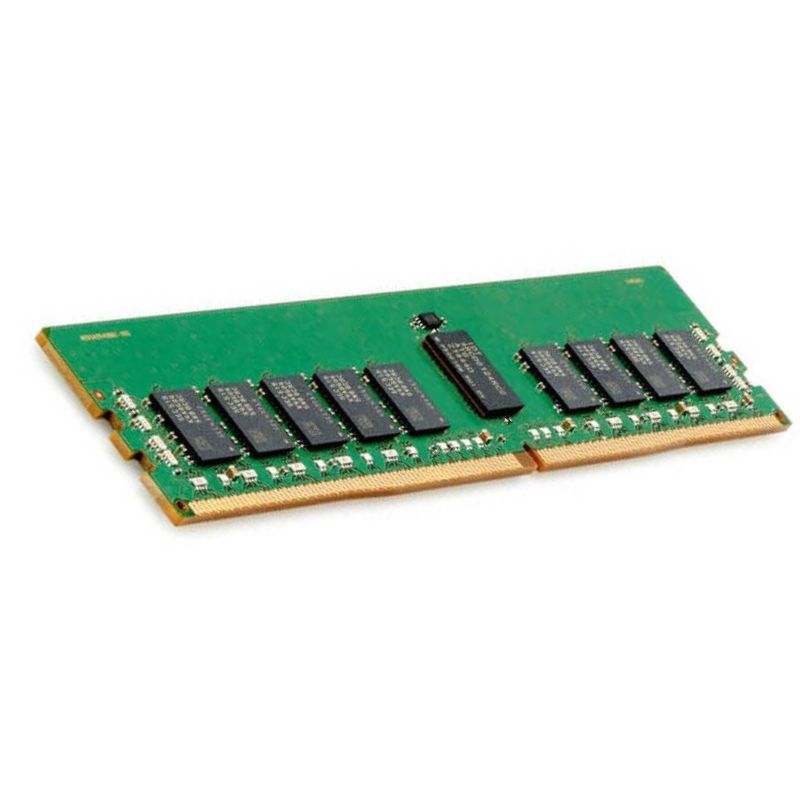


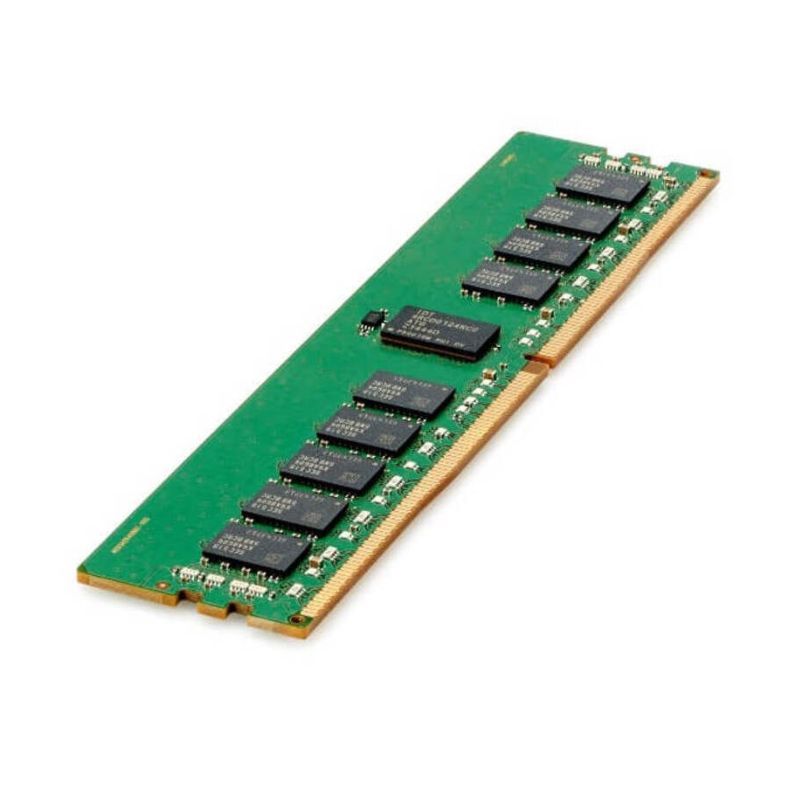
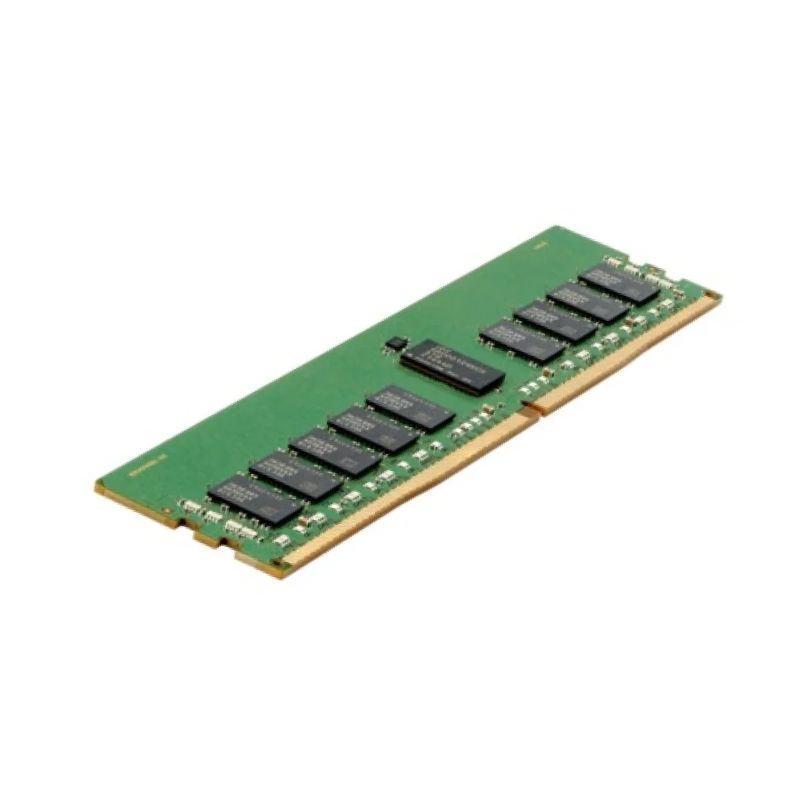
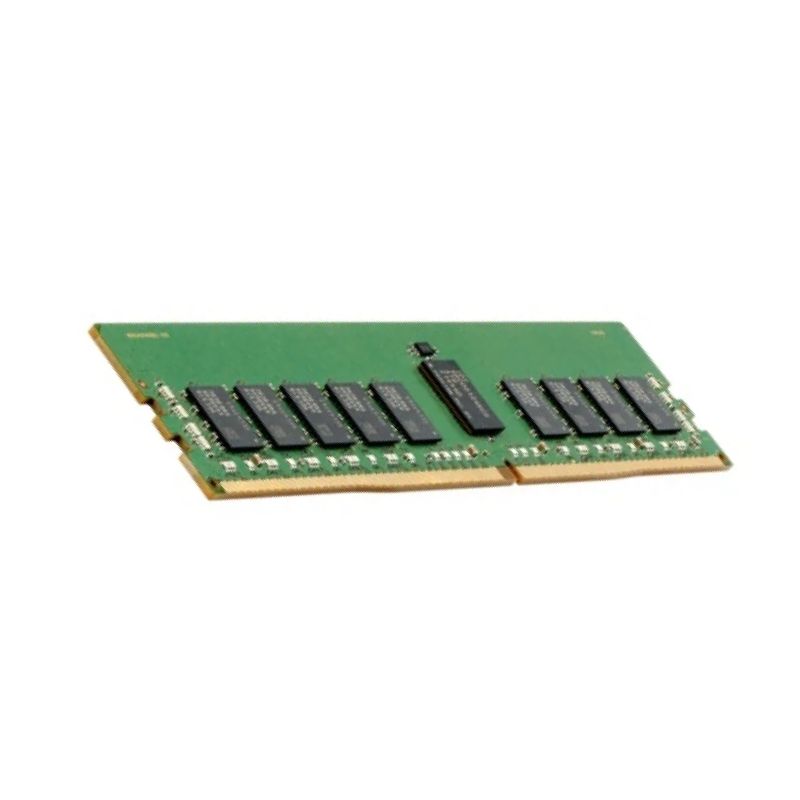
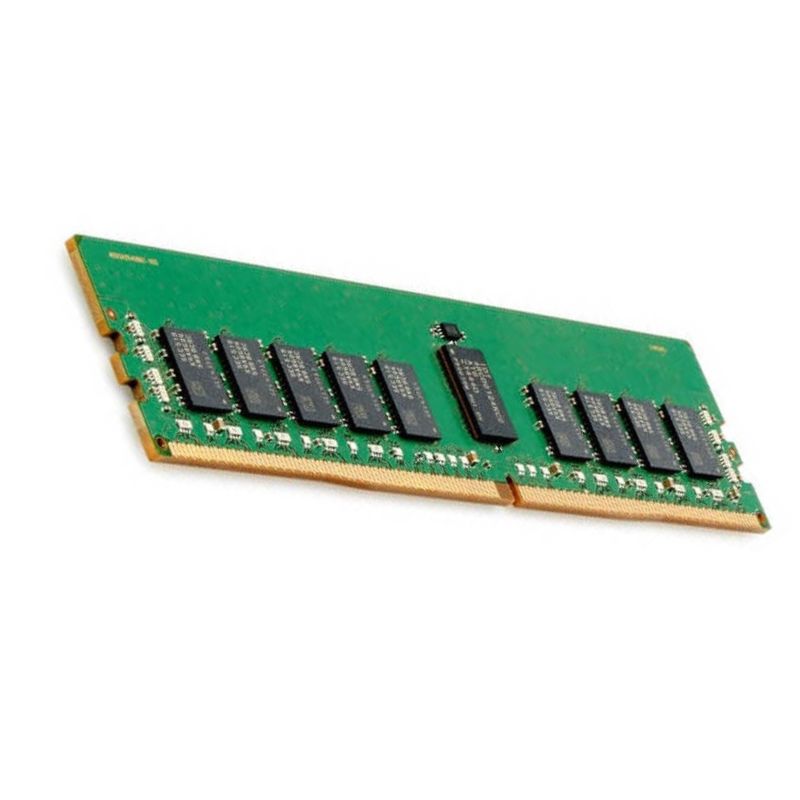
HPE 840757-191 16GB 2666mhz Pc4-21300 Ecc DDR4 SDRAM Reg 288-Pin Ram. New (System) Pull with 1 Year Replacement Warranty
The HPE 840757-191 16GB DDR4 RDIMM module is engineered to deliver exceptional performance, stability, and data reliability for enterprise-grade HPE ProLiant and Synergy server platforms. Featuring ECC and registered signal processing, this memory module enhances system uptime and supports demanding workloads.
The HPE 840757-191 16GB PC4-21300 DDR4-2666MHz 1Rx4 RDIMM ECC Memory module belongs to an essential category of enterprise-grade server memory designed for high-performance computing environments, mission-critical workloads, and applications requiring maximum stability. This category of HPE DDR4 Registered DIMMs is developed to deliver high throughput, advanced reliability mechanisms, and full compatibility with HPE ProLiant servers, ensuring that organizations can sustain demanding operations while protecting data integrity at the hardware level. As a member of the PC4-21300 DDR4 class, this memory type supports speeds up to 2666MHz, enabling servers to achieve efficient multitasking performance, larger data handling capacity, and significantly reduced latency across core business processes.
This category of DDR4-2666MHz Registered DIMM memory plays a critical role in modern data center infrastructures. DDR4 technology represents a significant advancement over DDR3, offering higher bandwidth, lower voltage consumption, and improved error-handling capabilities. The PC4-21300 data rate classification corresponds to a peak transfer rate of 21.3 GB/s, positioning this category as ideal for compute-intensive tasks. Registered DIMMs, such as the HPE 840757-191, include a register that buffers command and address signals, allowing servers to support larger memory capacities and more DIMM slots without compromising performance. This module fits seamlessly into HPE’s server ecosystem, supporting virtualization workloads, cloud infrastructures, virtualization clusters, database hosting, and advanced enterprise applications that require reliable and predictable performance across extended computing cycles.
PC4-21300 memory modules are designed for environments where processing speed and memory bandwidth directly influence system behavior. With 2666MHz frequency support, this category provides significant improvements in data throughput, making it highly beneficial for scenarios involving real-time analytics, large dataset manipulation, machine learning preprocessing, and compute-optimized tasks. The speed ensures that multi-core processors in HPE servers receive data efficiently, reducing operational bottlenecks and maintaining balanced system performance even under variable workload pressures.
Registered DIMMs introduce a buffering layer that stabilizes memory signaling. This category is particularly popular in enterprise servers due to its ability to enhance reliability in multi-DIMM configurations. By storing and forwarding command signals through a register, RDIMMs reduce electrical loading and increase the number of memory modules a system can support. This allows organizations to build high-capacity memory configurations essential for virtualization, database caching, and workloads that require extensive in-memory processing capabilities.
ECC memory forms a specialized category of server RAM designed to detect and correct single-bit errors automatically while identifying multi-bit errors. The HPE 840757-191 belongs to this class of robust memory solutions that ensure data integrity in environments where computational accuracy is non-negotiable. ECC capabilities safeguard mission-critical workloads by eliminating common memory errors that can compromise system reliability, lead to data corruption, or cause unexpected system behavior. This category of memory is indispensable in applications such as financial systems, scientific modeling, healthcare data processing, engineering simulations, and cloud platforms where interruptions can lead to costly failures or unsafe results.
Error correcting code memory applies advanced algorithms to identify inconsistencies within data as it travels through memory cells. When a single-bit error occurs, ECC repairs it instantaneously without halting operations. Multi-bit errors, though rarer, can be detected and flagged immediately, allowing administrators to take action before critical failures occur. This proactive behavior defines the ECC memory category as a key component in maintaining long-term uptime and operational continuity.
Memory errors often arise due to external influences such as cosmic rays, voltage fluctuations, electrical disturbances, and temperature variations. ECC memory mitigates the consequences of these unpredictable conditions, offering a layer of protection essential for data centers operating around the clock. The HPE 840757-191 module leverages this capability to maintain uninterrupted processing speed and data consistency even under heavy workloads.
With increasing deployment of high-density server racks and clustered environments, ECC memory ensures that even the densest computing arrangements remain reliable. Multi-server clusters benefit from ECC's ability to reduce risk across a fleet of machines, making the category particularly important in enterprise scalability planning.
The 1Rx4 rank structure is foundational in the performance characteristics of this memory category. The single-rank configuration provides improved responsiveness due to reduced latency compared to dual- or quad-rank modules. The 1Rx4 design uses x4 (4-bit wide) chips, contributing to enhanced error detection and improved reliability. This category of modules is widely adopted in environments where performance efficiency and architectural balance are priorities. It is especially beneficial in systems designed to optimize memory channel utilization, providing stable throughput and predictable behavior regardless of changing workload profiles.
The 1Rx4 structure ensures higher compatibility with large-memory configurations, allowing servers to maintain optimal performance while utilizing all available DIMM slots. This category is preferred for virtualization hosts, analytics servers, and compute nodes due to the enhancements in memory access speed and lower electrical load. The x4 configuration further contributes to improved redundancy and error resistance, aligning seamlessly with the demands of mission-critical computing environments.
Memory rank directly influences how efficiently a server accesses data. Single-rank modules permit faster switching between memory banks, reducing latency and improving overall throughput. This category’s performance advantage becomes particularly evident in database hosting systems, application servers requiring rapid transactions, and scientific workloads necessitating consistent data retrieval speeds.
Modern HPE servers include multi-channel memory controllers designed to maximize performance by distributing data across several channels. The 1Rx4 RDIMM category aligns with this architecture by supporting electrically stable and performance-optimized channel operation, ensuring maximum data throughput and long-term reliability at scale.
The 288-pin interface defines this memory category as part of the DDR4 generation, improving signaling efficiency and enabling higher transfer rates. The increased pin count compared to previous generations ensures better stability, compatibility, and power distribution. This category provides superior electrical contact for faster data transfer cycles and supports advanced memory controller features embedded in modern HPE processors. Furthermore, the 288-pin design supports lower operating voltage requirements, reducing power consumption and heat output across large server deployments.
The 288-pin interface enhances the overall signaling structure, which is especially important in enterprise environments where memory channels must operate consistently at high frequency. The enhanced pin design contributes to stability under continuous workloads, large dataset transfers, and multi-threaded computing operations. This category ensures that memory operations remain efficient and reliable even as servers operate at peak usage for extended periods.
As server demands grow, organizations increasingly require configurations that support numerous DIMMs per channel. The 288-pin DDR4 design supports this demand by maintaining stable signaling environments, allowing for expanded memory installations without risking performance degradation. This adaptability positions the category as ideal for scalable data center infrastructure planning.
The HPE 840757-191 module is validated for a broad range of HPE ProLiant servers. This category’s compatibility ensures seamless integration, reducing the complexity of system upgrades and enabling administrators to deploy or expand server memory confidently with guaranteed firmware and hardware support.
The reduction from 1.5V DDR3 to 1.2V DDR4 translates to substantial energy savings across entire data centers. When multiplied across hundreds of DIMMs, the reduced voltage operation significantly decreases operational costs and allows cooling systems to work more efficiently. This category helps organizations deploy more memory-dense configurations without exceeding power or cooling thresholds.
Enterprise workloads frequently involve extended periods of high CPU utilization, which places sustained demands on memory subsystems. The HPE 840757-191 DDR4 RDIMM category maintains stable temperature levels even under continuous stress loads, ensuring long-term performance and reliability without throttling or instability. This stability is especially useful in environments hosting multi-tenant virtualization clusters and compute nodes running 24/7 operations.
High-density servers housed in multi-rack data centers benefit significantly from the thermal efficiencies of DDR4. Reduced power usage results in lower ambient heat, allowing organizations to maximize rack utilization without overburdening cooling systems. This category enables cost-effective deployment of memory-heavy configurations in space-limited data centers.
The HPE 840757-191 category of memory modules is engineered for a broad spectrum of enterprise applications where performance, reliability, and scalability are essential. It supports workloads such as virtualization, cloud computing, artificial intelligence preprocessing, high-performance analytics, scientific modeling, engineering simulations, content delivery platforms, and large-scale database environments. The 2666MHz speed ensures servers can efficiently handle multi-threaded operations and deliver stable responsiveness during periods of high demand.
Virtualization hosts require large amounts of reliable memory to support numerous virtual machines simultaneously. The DDR4 RDIMM category enhances VM density, minimizes memory contention, and reduces latency during host-level operations. With its ECC capabilities and RDIMM stability, this category ensures predictable performance across hypervisors such as VMware ESXi, Microsoft Hyper-V, and ProLiant-based cloud deployments.
Database workloads benefit from the high bandwidth and reliability of DDR4 RDIMM memory. Applications such as Microsoft SQL Server, MySQL, Oracle DB, and NoSQL systems require rapid access to data structures stored in memory. This category supports consistent throughput, minimizing performance bottlenecks during indexing, replication, and transactional operations.
HPC environments rely on abundant and stable memory to process complex computations. The high speed and stability of the HPE 840757-191 category enable scientific simulations, engineering workloads, and data analytics pipelines to execute efficiently without risk of memory-induced delays or errors.
This memory category is engineered to meet HPE’s rigorous design and validation standards. Compatibility with ProLiant servers ensures that the module works seamlessly with server firmware, management interfaces, and hardware controllers. Integration with HPE's system-level technologies enhances overall system behavior and contributes to long-term reliability in mission-critical environments.
HPE SmartMemory is an advanced feature set designed to optimize memory performance within HPE servers. The HPE 840757-191 is part of this category, providing enhanced reliability, lower downtime risks, and optimized configurations. SmartMemory reduces memory-related errors, improves energy efficiency, and enhances performance by enabling advanced memory features automatically.
Through HPE’s management platforms such as iLO (Integrated Lights-Out) and System Insight Manager, administrators can monitor memory health, track error rates, configure alert thresholds, and identify performance anomalies. This category supports advanced telemetry reporting that helps prevent system failures and enhances administrative efficiency.
The HPE 840757-191 category ensures compatibility with HPE firmware updates, BIOS configurations, and hardware optimization standards. This integration helps organizations maintain consistent operational performance while utilizing certified components that meet enterprise longevity requirements.
This memory category supports flexible scalability, enabling organizations to expand server capacity gradually without replacing existing infrastructure. As workloads grow, more DIMMs can be added to HPE ProLiant platforms, allowing incremental performance improvements without sacrificing system stability. The DDR4 platform ensures adaptability to evolving software requirements and supports long-term data center planning.
Servers configured for cloud computing, virtualization clusters, and analytics workloads require substantial memory footprints. The RDIMM category supports high-capacity configurations that allow organizations to scale applications smoothly and accommodate growing data demands.
Many next-generation enterprise applications are designed to take advantage of higher memory capacities and improved bandwidth. The HPE 840757-191 category’s high-speed architecture ensures that servers remain future-ready, capable of supporting expanding software ecosystems, containerized environments, and AI-based systems.


 Contact Us
 Information
 Catalog
 Solid State Drives (SSD)
 Network Switches
 Hard Disk Drives
 HBA & Controllers
 PC & Servers
 PC & Server Memory
 CPU & Processors
 Network Routers
 Power Supplies
 Tape Drives & Libraries
 Network Devices
 Computer & Network Cables