(7% discount is applied at checkout)
Cart is empty
Your go-to destination for cutting-edge server products
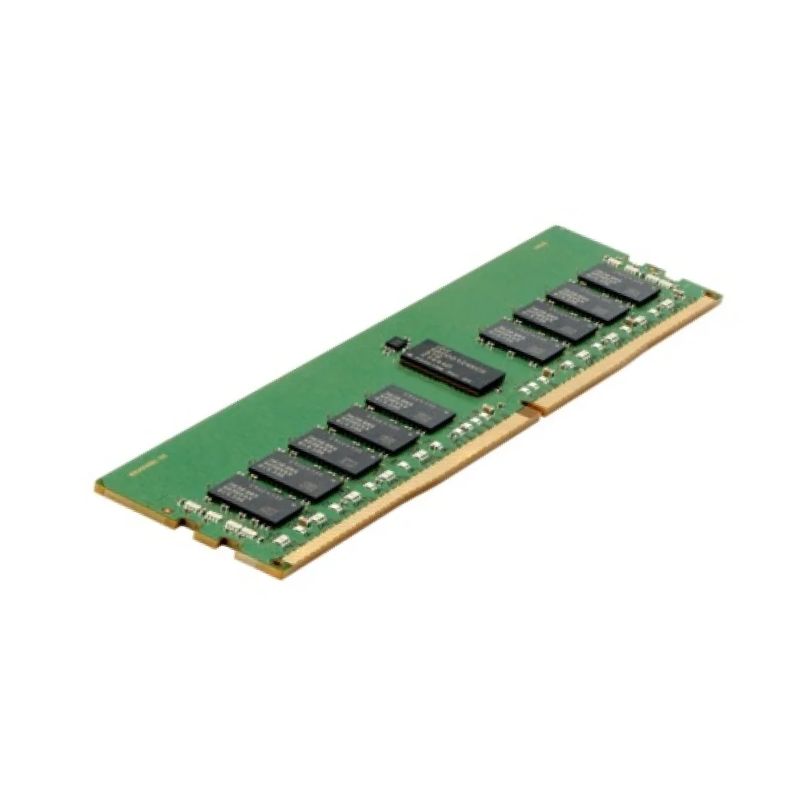


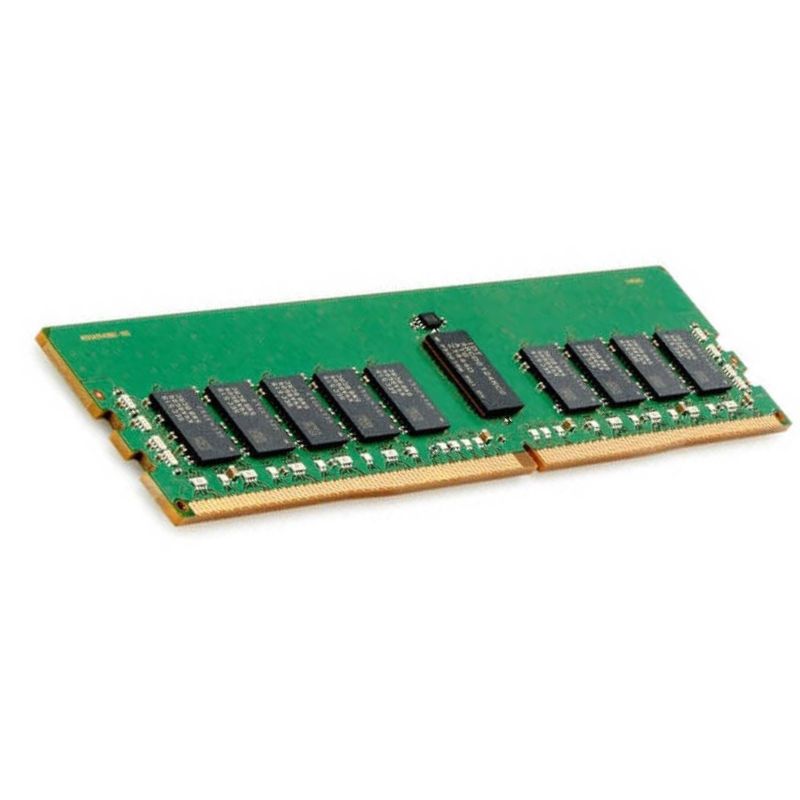
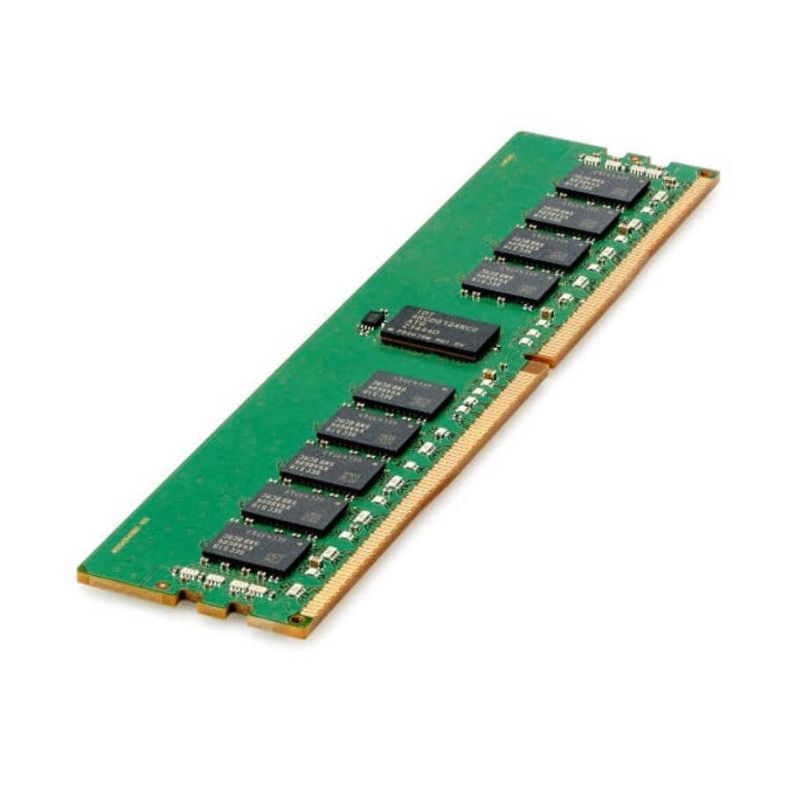
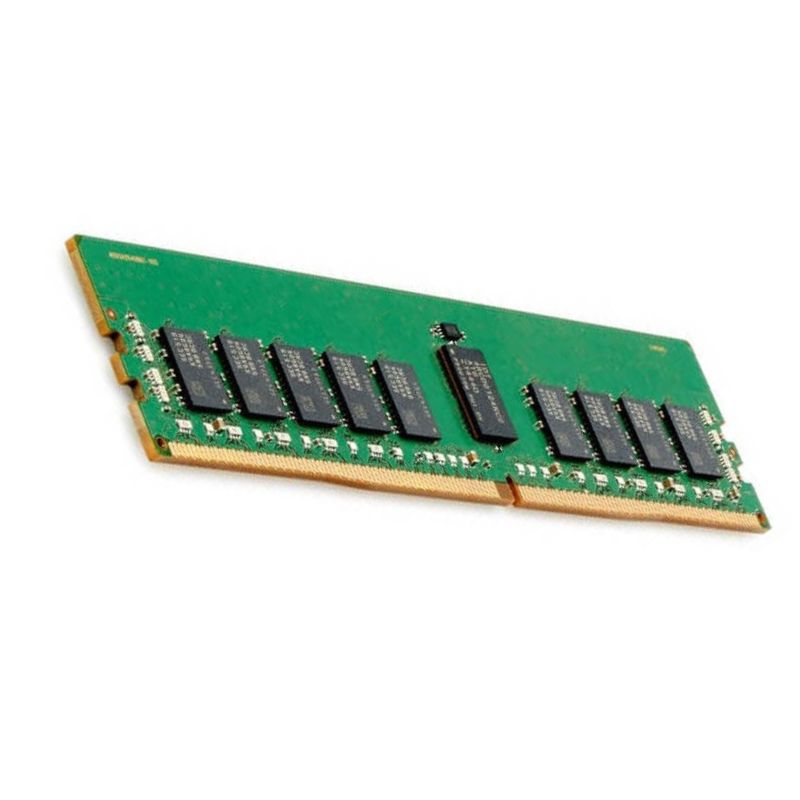
HPE 753225-S21 32GB DDR4 PC4-17000 CL15 2133MHz Reg ECC SDRAM RAM. New (System) Pull with 1 year replacement warranty
| SKU/MPN | Warranty | Price | Condition | You save |
|---|---|---|---|---|
| 753225-S21 | 1 Year Warranty | Contact us for a price | New Sealed in Box (NIB) | |
| 753225-S21 | 1 Year Warranty | $225.00 | New (System) Pull | You save: $78.75 (26%) |
The HPE 753225-S21 32GB DDR4 SDRAM is an enterprise-grade server memory module engineered to enhance reliability, boost performance, and support demanding workloads. Featuring advanced load-reduced architecture, built-in ECC error correction, and exceptional bandwidth, this RAM module is ideal for data centers, virtualization environments, and high-capacity enterprise servers.
Compatible HPE Server Models
The HPE 753225-S21 32GB 2133MHz PC4-17000 CL15 ECC Registered DDR4 SDRAM RAM is a high-performance memory module engineered to support demanding enterprise workloads. As part of HPE’s robust DDR4 server memory lineup, this module delivers efficiency, reliability, and optimized data handling for modern server infrastructures. It is designed to enhance scalability while maintaining exceptional stability across mission-critical computing environments. Through its advanced ECC capabilities, registered design, and DDR4 architecture, this memory category ensures powerful performance for growing data centers, virtualization platforms, and high-transaction workloads where consistency and uptime are essential.
Registered DDR4 memory plays a fundamental role in improving system capabilities in medium-to-large-scale IT deployments. The HPE 753225-S21 falls under the category of ECC Registered DDR4 RAM, providing increased memory density and improved signal stability by reducing electrical load on the server’s memory controller. This allows systems to support greater memory capacities without compromising performance. The importance of such memory becomes apparent in operations that rely on constant data access, responsive virtualization layers, and real-time processing. The enhanced bandwidth, lower voltage requirements, and intelligent error detection combined within this category result in consistent and energy-efficient operation, increasing the overall lifespan and reliability of enterprise hardware.
Within this memory classification, speed is a critical performance indicator. Operating at 2133MHz, the HPE 753225-S21 module facilitates smooth and rapid data throughput, supporting sequential transactions and simultaneous processing. Its PC4-17000 bandwidth ensures efficient communication between the memory and CPU, enabling servers to handle a high volume of requests with minimal latency. The combination of clock speed and high bandwidth ensures robust performance for data-intensive tasks, hyper-converged workloads, and virtualization clusters. This allows businesses to maintain operational excellence even under peak usage conditions, offering the stability and responsiveness required in continuous IT operations.
Another characteristic within this category is the CAS latency rating of CL15. Lower latency translates to better responsiveness, making the HPE 753225-S21 an ideal fit for servers that demand consistent access to dynamic datasets. This latency rating enhances system flow when applications require frequent memory calls, enabling smoother transactions, faster user experiences, and improved task execution speed. The configuration aids administrators and enterprises aiming to optimize performance in environments such as cloud hosting, multi-user systems, and computational processing nodes.
ECC technology is at the core of this memory category. Error-Correcting Code is responsible for detecting and correcting single-bit memory faults, preventing data corruption from compromising sensitive applications. For mission-critical workloads, ECC represents a vital safeguard, ensuring that servers perform consistently even during unexpected electrical or environmental anomalies. The HPE 753225-S21 integrates ECC functions at the hardware level, which provides superior reliability over non-ECC modules. This ensures every data packet is validated, reducing system crashes, increasing application uptime, and maintaining server health under heavy workloads.
The RDIMM architecture significantly enhances server scalability by reducing the electrical load that memory modules impose on the system. This structural improvement allows servers to utilize more memory per channel, increasing the scalability potential of systems that utilize the HPE 753225-S21. The buffering mechanism ensures clear and stable communication between the memory and processor, allowing for consistent function even when multiple modules are deployed. This makes the memory suitable for growing enterprise environments that anticipate future expansion or require immediate support for high-density applications.
HPE’s commitment to quality is an essential element within this memory category. The HPE 753225-S21 is manufactured to meet stringent enterprise standards, ensuring dependable operation across diverse IT infrastructures. Each module undergoes rigorous testing for compatibility, endurance, and efficiency to guarantee seamless integration with HPE servers. This attention to reliability enables organizations to deploy the memory with confidence, knowing it will deliver sustained performance within various mission-critical roles such as database processing, content delivery, networked storage systems, and remote data management.
Compatibility is a defining characteristic of this memory category. The HPE 753225-S21 module is engineered specifically for HPE ProLiant and other associated enterprise-grade servers. This tight integration ensures optimal performance, reduced hardware conflicts, and dependable interoperability. Administrators benefit from simplified deployments, as the memory is designed to function without requiring custom configurations or manual adjustments. This design approach enhances both deployment speed and system reliability while preserving the overall efficiency of the server ecosystem.
Modern enterprise servers leverage multi-core processors to handle numerous processes simultaneously. This memory module is structured to support such processors by maximizing the available bandwidth and ensuring steady data feed to each core. The result is efficient load balancing, optimized task distribution, and a reliable boost in parallel processing capabilities. The category supports multi-threaded applications including real-time analytics, hypervisor operations, cloud services, and large-scale enterprise software suites.
Virtualized environments depend heavily on memory capacity and stability. The RDIMM structure of the HPE 753225-S21 makes it ideal for servers hosting multiple virtual machines. By providing consistent power, reduced signal noise, and better electrical pathway management, the memory ensures smooth transitions between virtual machines, efficient resource allocation, and reduced bottlenecks during peak activity. This advancement in memory architecture is crucial for enterprises adopting cloud infrastructure or consolidating applications into fewer, more powerful servers.
Servers operating around the clock require memory modules capable of sustained performance. The category to which the HPE 753225-S21 belongs excels in continuous operation scenarios. From financial transactions to large-scale computation tasks and enterprise collaboration platforms, uninterrupted performance is essential. This memory's optimized thermal management, robust ECC features, and DDR4 stability allow administrators to rely on consistent operation, even under fluctuating loads or extended processing durations.
Energy efficiency is a cornerstone of DDR4 technology, and the HPE 753225-S21 is built with power-saving mechanisms that reduce operational costs. DDR4 modules consume less power than DDR3 models while simultaneously delivering higher bandwidth. The reduced voltage requirements contribute to cooler operating temperatures, which improve server longevity and lower cooling demands. This category's efficiency is particularly valuable in dense data center environments where power and temperature control are critical.
DDR4 memory modules, including the HPE 753225-S21, operate at reduced voltages compared to previous generations. The lower voltage results in less heat generation, which minimizes thermal strain on server components. Stable temperatures improve overall reliability while reducing the likelihood of thermal-related failures. For organizations running high-density blade servers or modular hardware, such temperature efficiency enhances long-term operational resilience and reduces maintenance requirements.
As a DDR4 module, the HPE 753225-S21 represents a substantial evolution in memory technology. DDR4 offers higher transfer rates, improved signal integrity, and innovative error-handling mechanisms that enhance server capability. This technology reduces latency, increases operational throughput, and supports larger memory densities. These improvements position DDR4 as a foundational component in advancing server infrastructure, powering today’s digital transformation demands.
DDR4’s architectural advancements provide greater stability and performance within server ecosystems. Improved signal routing, optimized timing sequences, and refined refresh operations contribute to consistent, reliable operation even at high frequencies. These capabilities are essential in environments that require dependable memory communication across multiple simultaneous tasks. The reduction in noise and interruption helps ensure that enterprise applications perform uninterrupted, maintaining accuracy across data workloads.
DDR4 modules like the HPE 753225-S21 operate with higher data rates, enabling servers to manage tasks more efficiently. This is especially important in computing environments requiring fast access to frequently used information. Higher data rates contribute to smoother application performance, faster boot times, and reduced bottlenecks during peak usage. This category’s enhanced performance parameters ensure that servers remain responsive and capable regardless of user activity or processing intensity.


 Contact Us
 Information
 Catalog
 Solid State Drives (SSD)
 Network Switches
 Hard Disk Drives
 HBA & Controllers
 PC & Servers
 PC & Server Memory
 CPU & Processors
 Network Routers
 Power Supplies
 Tape Drives & Libraries
 Network Devices
 Computer & Network Cables