(7% discount is applied at checkout)
Cart is empty
Your go-to destination for cutting-edge server products
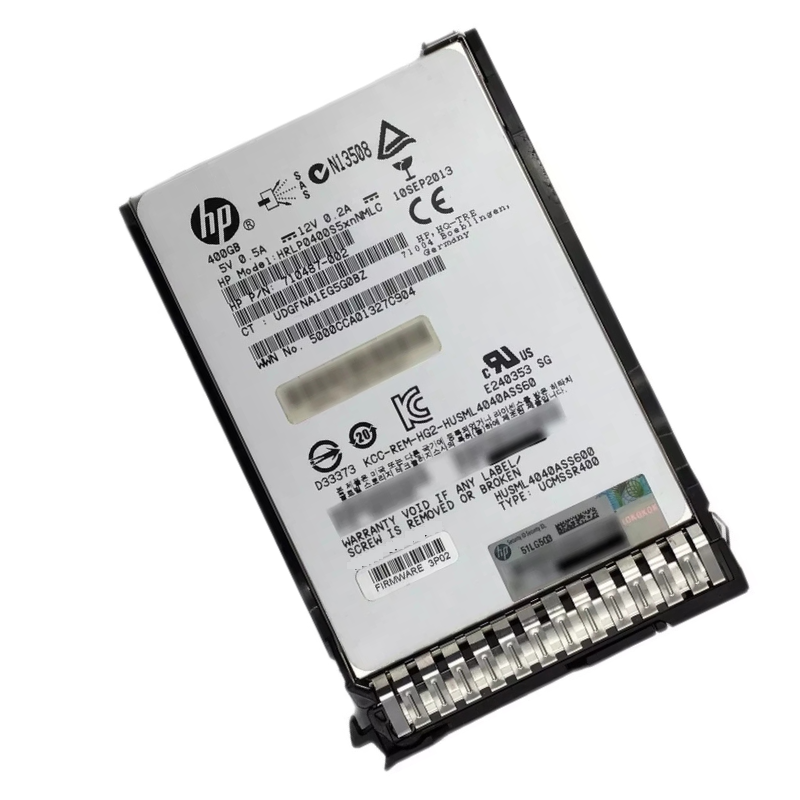


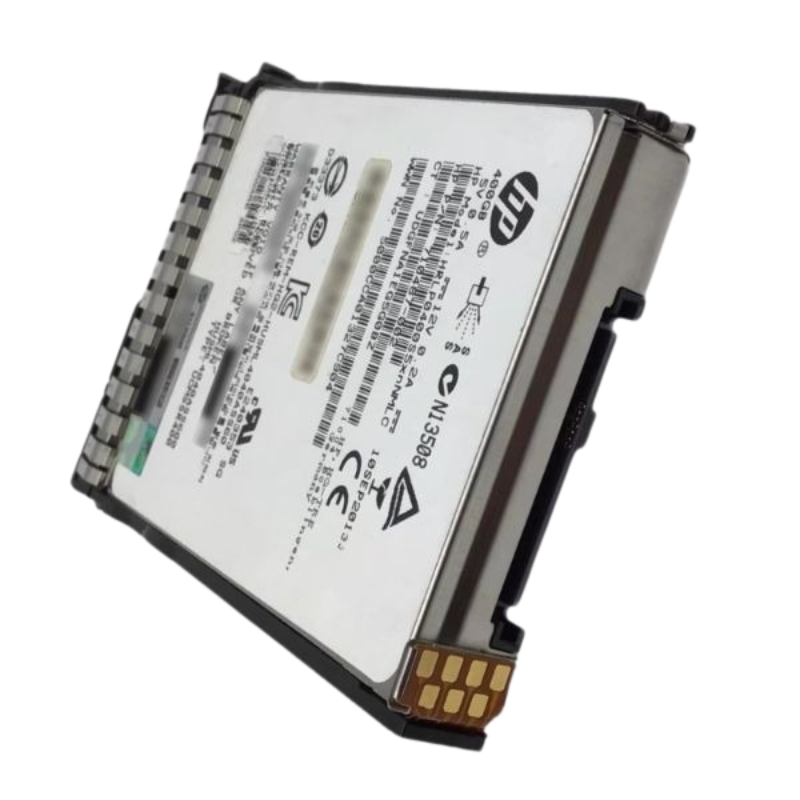
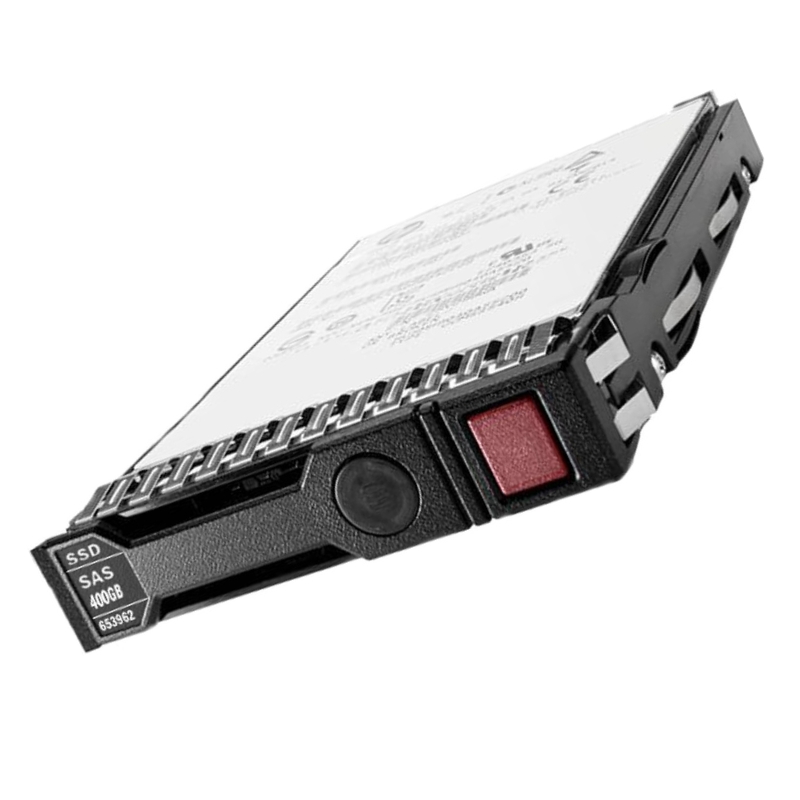
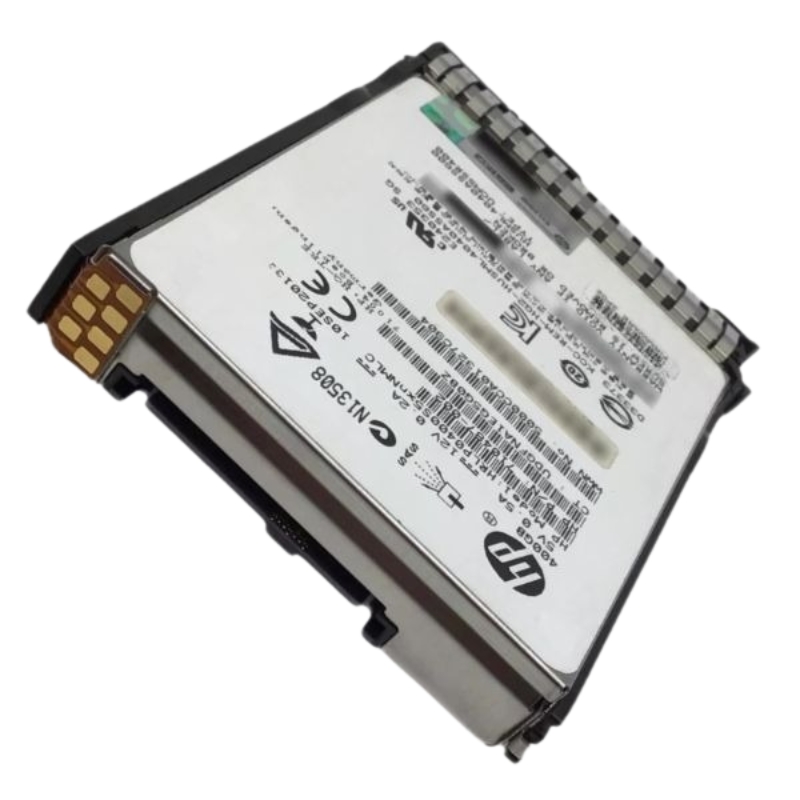
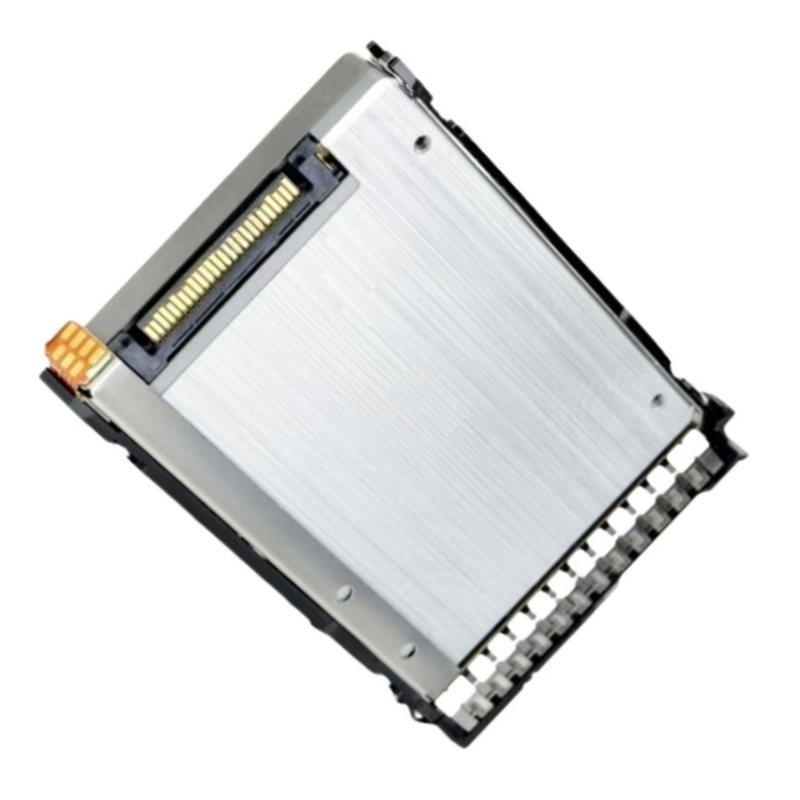
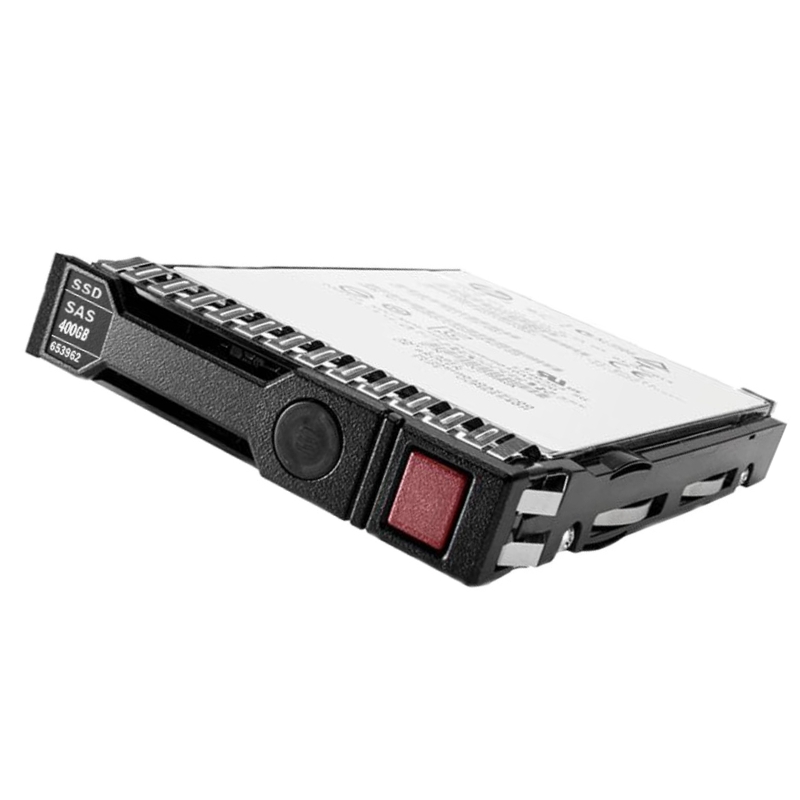
HPE 632636-001 400GB 2.5inch SAS 6GBPS Mlc Hot Plug Enterprise Mainstream SSD. Excellent Refurbished with 1 year replacement warranty
| SKU/MPN | Warranty | Price | Condition | You save |
|---|---|---|---|---|
| 632636-001 | 1 Year Warranty | $1,155.00 | New Sealed in Box (NIB) | You save: $404.25 (26%) |
| 632636-001 | 1 Year Warranty | $945.00 | Excellent Refurbished | You save: $330.75 (26%) |
The HPE 632636-001 is a high-performance 400GB solid-state drive engineered for enterprise-grade workloads. Designed to seamlessly integrate with HPE ProLiant Generation 2 to Generation 7 servers, this 2.5-inch Small Form Factor (SFF) SSD delivers reliable storage performance and optimized server efficiency.
The HPE 632636-001 400GB 2.5-inch Small Form Factor SAS-6Gbps Enterprise Mainstream Solid State Drive represents a class of storage devices designed to bridge cost, performance, and durability for business servers. Positioned for ProLiant systems from Generation 2 through Generation 7, this SFF SSD targets IT teams that require fast random I/O, predictable latency, and enterprise-grade endurance without the premium price of extreme write-intensive drives. As a 400GB capacity option, it provides a balance between usable storage and high sustained performance, making it suitable for a wide range of workloads including virtualization, database acceleration, tiered caching, and read-heavy application stacks. The drive’s SAS interface and 2.5-inch form factor make it a drop-in option for legacy and modern server bays that accept SAS 6Gbps devices, enabling straightforward upgrades and replacements in mixed-fleet environments.
One of the main selling points of this model is explicit compatibility with a broad range of ProLiant generations. For environments that still operate older hardware while gradually modernizing, the HPE 632636-001 allows organizations to standardize on a single drive SKU across multiple server generations. This reduces procurement complexity and spare parts inventory, and it simplifies firmware management because IT staff can maintain a consistent drive baseline across heterogeneous racks. Compatibility across multiple ProLiant generations also means the drive was engineered to meet HPE’s validation and interoperability testing, which typically covers thermal profiles, power envelopes, and error handling behavior under server backplane conditions.
The 2.5-inch small form factor, paired with the SAS-6Gbps interface, offers a practical compromise between density and compatibility. The 2.5-inch SFF profile allows higher drive counts per chassis when compared to 3.5-inch devices, improving storage density and allowing denser compute+/storage configurations in rack servers. The SAS 6Gbps link provides robust enterprise features such as dual-porting (on supported drives and backplanes), stronger error recovery semantics, and better multi-pathing support compared with consumer SATA. These attributes reduce the risk of I/O interruptions in multi-controller environments and are particularly valuable in clustered or highly available deployments where predictable, continuous access is essential.
Enterprise mainstream SSDs are engineered to deliver strong sustained throughput for mixed read/write patterns while maintaining low latency under concurrency. The HPE 632636-001 is optimized for workloads that demand fast random reads and steady random writes, such as virtual machine boot storms, database index lookups, and application caching layers. The SSD’s internal architecture, typically using multi-level cell (MLC) or later generation TLC NAND with enterprise firmware, is tuned to handle the kind of small block I/O that database and virtualization workloads generate. This makes the drive an excellent choice for tier-1 acceleration where consistent IOPS and predictable tail latency matter more than raw sequential throughput numbers.
Under realistic mixed workload scenarios, enterprise mainstream SSDs focus on reducing latency spikes and sustaining IOPS across extended periods of activity. The HPE SKU’s firmware mitigates write amplification and manages background tasks such as garbage collection and wear leveling in ways that minimize interference with foreground I/O. For system architects, this means more predictable response times for end users and fewer performance regressions during maintenance windows. When used as part of a tiered storage architecture, these SSDs can dramatically reduce application latency by keeping hot data in fast storage while colder data resides on larger spindle or object tiers.
Endurance is a central concern for data center SSD deployments, and enterprise mainstream drives are specified to meet the sustained write demands of general business workloads. The HPE 632636-001 is designed to deliver consistent endurance characteristics across its operational life through features like wear leveling, reserved overprovisioning, and robust error correction. These mechanisms extend usable life and improve data retention even under demanding write scenarios. From a reliability perspective, enterprise drives are also tested for long mean time between failures (MTBF), power loss protection behavior, and resilience to environmental stressors typical of server racks. These design considerations reduce the incidence of unplanned replacements and support predictable maintenance planning.
Enterprise SSDs integrate advanced error correction code (ECC) schemes to preserve data integrity as NAND cells undergo program/erase cycles. Firmware algorithms proactively detect and correct bit errors, and the drives maintain internal spare capacity to remap failing blocks. The combined effect is higher tolerance to cell degradation and fewer silent data corruptions compared to consumer devices. For administrators running transactional systems, these protections are critical because they decrease the risk of data loss and reduce the need for emergency recovery actions.
Modern enterprise SSDs typically include security features that address regulatory and operational requirements, and the HPE 632636-001 line is often provisioned with capabilities such as drive-level encryption and secure erase functions. Hardware-accelerated AES encryption, when available, secures data at rest without imposing significant CPU overhead, allowing encrypted volumes to achieve near-native performance. Secure erase and crypto-erase functions help ensure that decommissioned drives do not retain recoverable customer data. When combined with HPE’s server management tools, these features enable secure lifecycle handling of media from commissioning through retirement.
Enterprise SSDs gain additional value when integrated with server and storage management ecosystems. Drive health telemetry, SMART attributes, and predictive indicators streamed to HPE management utilities allow administrators to preemptively replace drives showing early signs of wear. Integration with iLO and HPE’s storage management platforms enables consolidated dashboards for drive health, performance metrics, and firmware update orchestration. This level of visibility simplifies capacity planning, supports proactive maintenance, and reduces the chance of drive-related service interruptions.
Installing the 2.5-inch SFF drive into compatible ProLiant chassis is typically a matter of inserting the drive assembly into the server’s drive bay and allowing the SAS backplane to connect. Because of the SAS interface’s enterprise orientation, many deployments will use hot-plug capable bays enabling drive replacement without shutting down the host. Proper drive placement, adherence to firmware compatibility lists, and coordination with RAID controllers or HPE Smart Array logic are important to ensure that the drive is recognized and that performance expectations are met. IT teams should also consider backplane heat dissipation and airflow patterns when densely populating chassis bays with SFF drives to avoid thermal throttling.
Firmware plays a pivotal role in SSD behavior and longevity. Enterprise installations benefit from disciplined firmware management policies that ensure drives run validated firmware versions approved by the server or storage vendor. Firmware updates can improve compatibility, address known issues, and introduce optimizations that improve performance or endurance. However, administrators should follow vendor guidance and test updates in staging environments before broad production rollouts to avoid unforeseen interactions with controllers or management software.
The HPE 632636-001 400GB SSD fits a wide array of practical use cases. In virtualized infrastructures, it performs well as a boot and OS volume for multiple small VMs, reducing boot storms and improving VM responsiveness. For database workloads, it accelerates index lookups and hot rows, translating into faster query response times. In web and application servers, it improves session store and cache performance, leading to snappier end-user experiences. Additionally, when used in hybrid arrays, these SSDs serve as an effective caching or tier-0 layer, absorbing random I/O and placing infrequently accessed data on higher-capacity, economical media tiers.
For enterprise applications like ERP, CRM, and analytics engines, shortening data access paths has direct business value. Moving latency-sensitive components to SSD storage reduces query times and supports higher concurrency. The HPE 632636-001’s balance of performance and capacity makes it a pragmatic choice for accelerating these critical application layers without overspending on ultra-high endurance devices reserved for the most write-intensive workloads.
From a procurement perspective, enterprise mainstream SSDs often represent an efficient tradeoff between upfront cost and operational benefits. The 400GB capacity is large enough to address many hot data sets while remaining cost-effective compared with higher capacity or higher endurance alternatives. Reduced power consumption compared to spinning media, improved rack density due to a 2.5-inch form factor, and the operational benefit of lower latency and faster transactions can contribute to measurable gains in application efficiency. These operational improvements frequently translate into lower infrastructure costs over time through reduced need for excessive CPU or memory scaling in order to compensate for slow storage.
Standardizing on a single drive SKU across multiple ProLiant server generations reduces the complexity of spare parts inventory and simplifies logistics. Fewer SKUs mean easier forecasting, fewer procurement errors, and faster mean time to repair when failures occur. For service organizations and data centers operating at scale, these efficiency gains reduce both direct and indirect costs associated with inventory management and supply chain friction.
Enterprise SSDs consume less power than equivalent spinning disk configurations while delivering higher performance. This improved power profile helps lower cooling and energy costs at scale, which is an important consideration for modern data centers that seek to optimize operational expenditures and reduce carbon footprints. Additionally, enterprise drives are typically designed to meet industry regulatory and environmental standards such as RoHS and relevant safety certifications, supporting compliance initiatives and simplifying audits. IT managers should review vendor documentation to confirm exact certifications and operating ranges to ensure regulatory alignment for their specific deployment geography.
Because SSDs are compact and capable of high sustained performance, they depend on adequate airflow in multi-drive enclosures to maintain optimal operating temperatures. Proper rack design, monitored inlet temperatures, and attentive capacity planning help avoid thermal throttling that could degrade performance. System architects should plan drive placement and density to ensure that each drive receives the airflow required for its ambient and workload profile.


 Contact Us
 Information
 Catalog
 Solid State Drives (SSD)
 Network Switches
 Hard Disk Drives
 HBA & Controllers
 PC & Servers
 PC & Server Memory
 CPU & Processors
 Network Routers
 Power Supplies
 Tape Drives & Libraries
 Network Devices
 Computer & Network Cables