(7% discount is applied at checkout)
Cart is empty
Your go-to destination for cutting-edge server products
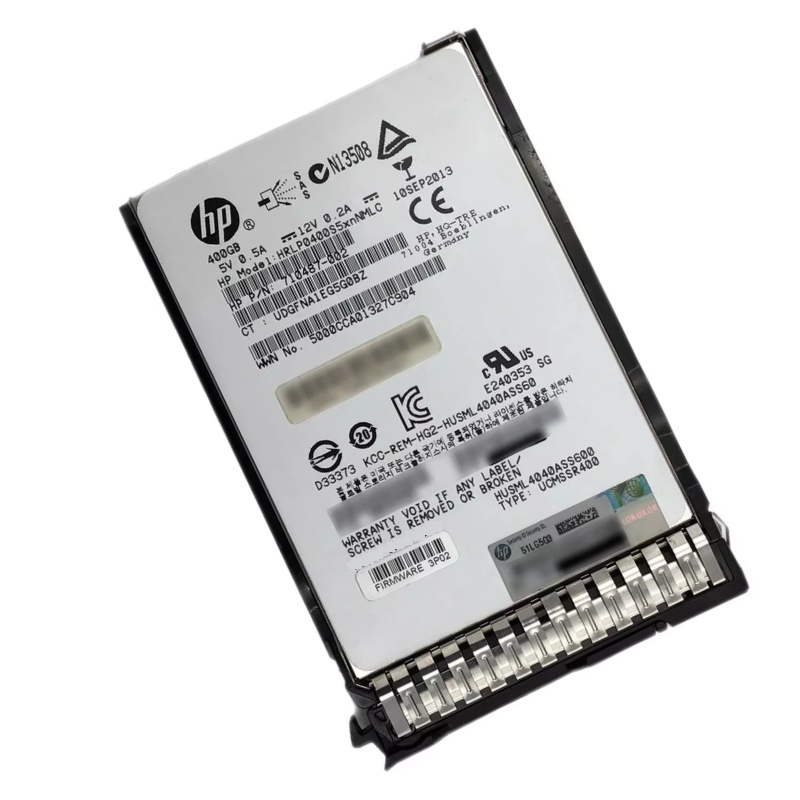


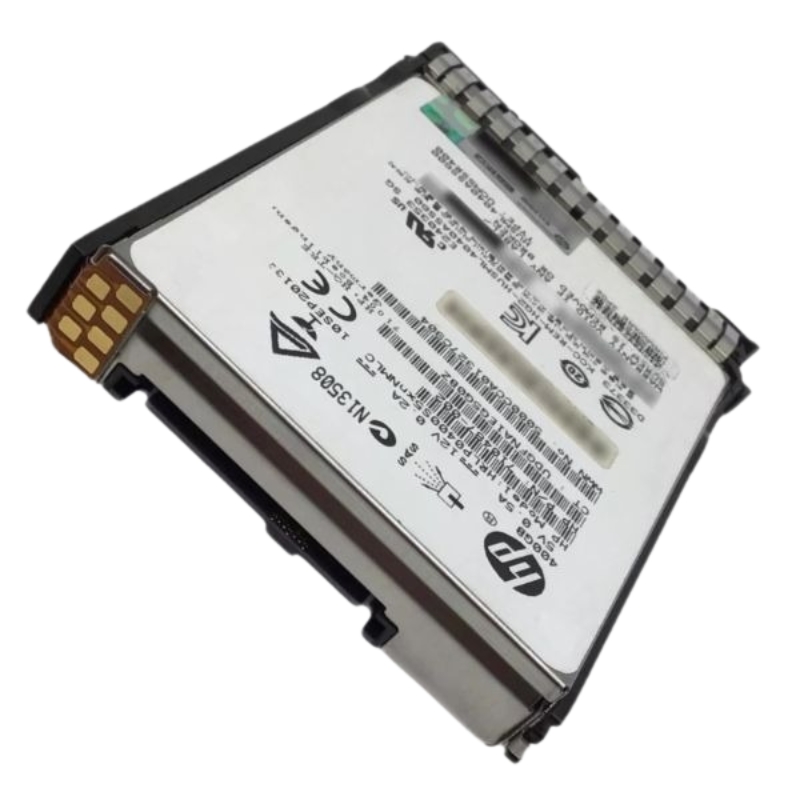
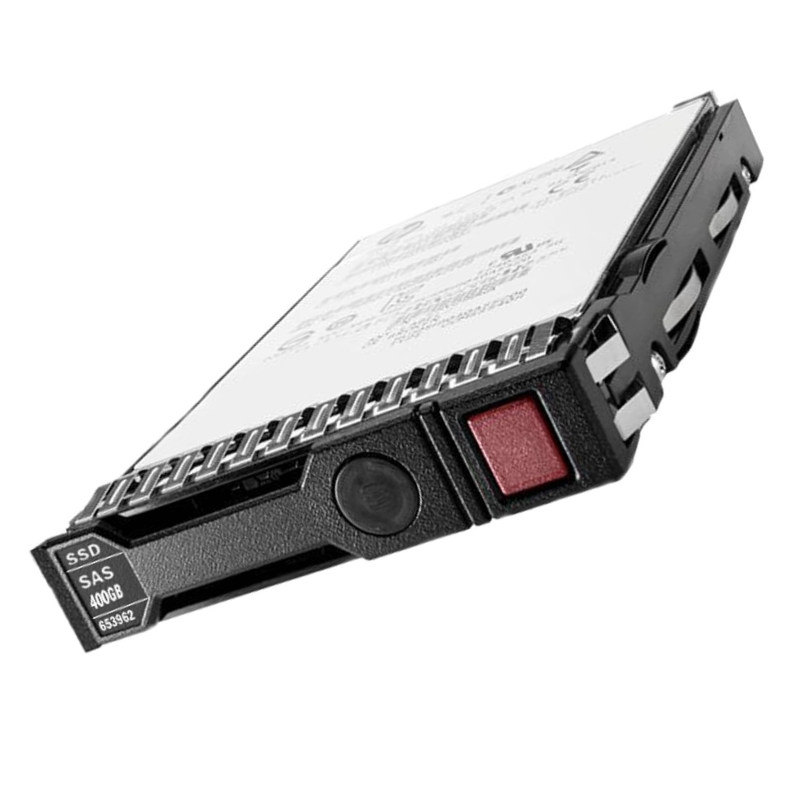
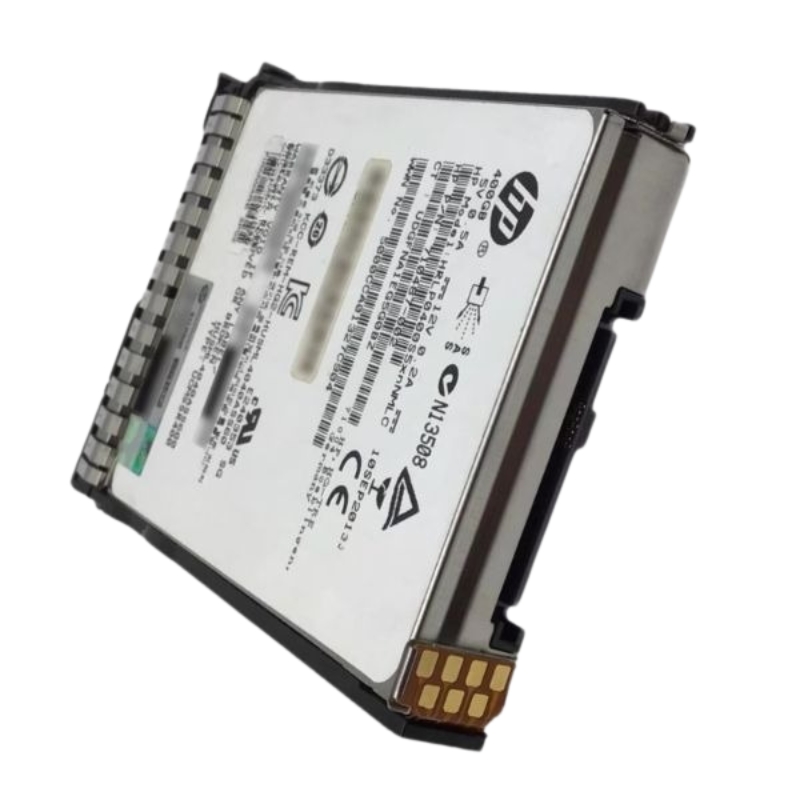
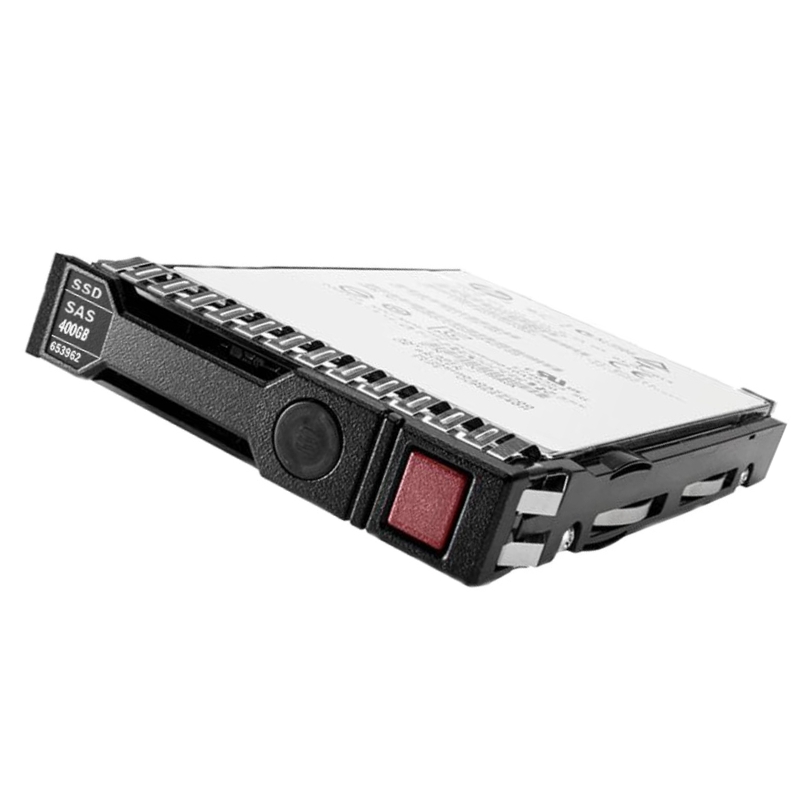
HPE 632630-001 400GB Factor SAS 6GBPS Hot Swap Enterprise Performance SSD. Excellent Refurbished with 1 year replacement warranty
| SKU/MPN | Warranty | Price | Condition | You save |
|---|---|---|---|---|
| 632630-001 | 1 Year Warranty | $1,425.00 | New (System) Pull | You save: $498.75 (26%) |
| 632630-001 | 1 Year Warranty | $615.00 | Excellent Refurbished | You save: $215.25 (26%) |
The HPE 632630-001 is a high-performance 400GB SAS solid-state drive designed for enterprise workloads. Engineered for HPE ProLiant servers, this 2.5-inch Small Form Factor (SFF) SSD delivers exceptional reliability, speed, and endurance, making it ideal for critical data environments.
The HPE 632630-001 400GB solid state drive belongs to a class of high-performance 2.5-inch small form factor (SFF) SAS drives engineered for enterprise environments. Designed for use in HPE ProLiant servers spanning Generation 2 through Generation 7, this drive combines a SAS 6Gbps interface with enterprise-grade endurance and deterministic performance characteristics aimed at I/O-intensive workloads. This category page focuses on explaining the technical attributes, performance benefits, deployment scenarios, and lifecycle considerations you need to evaluate when selecting the 400GB HPE 632630-001 SSD for data center, virtualization, and transactional applications.
The HPE 632630-001 is a 2.5-inch small form factor drive that communicates over the SAS 6Gbps protocol. SAS (Serial Attached SCSI) remains a preferred enterprise interface because it supports robust point-to-point connectivity, high reliability, and advanced features such as dual-porting for redundant paths in fault-tolerant storage topologies. The 6Gbps link rate provides bandwidth headroom for parallel I/O and contributes to lower command latency compared to older SATA deployments. For data centers already standardized on SAS backplanes and HBA/RAID controllers, this drive integrates without requiring architectural changes while enabling substantial gains in IOPS and response times.
Physically, the 2.5-inch SFF form factor of the 632630-001 is compatible with common enterprise server drive cages and hot-swap carriers used in ProLiant blades, tower, and rack systems. The compact footprint allows greater density per chassis compared to 3.5-inch alternatives, enabling higher aggregate capacity and IOPS in the same rack space. Compatibility notes include adherence to enterprise tray and sled standards for Generation 2 through Generation 7 ProLiant models, ensuring straightforward installation. Administrators should always confirm firmware compatibility and backplane support in their particular ProLiant generation to ensure optimal behavior and access to drive management features exposed by HPE systems management tools.
This enterprise-class 400GB SSD is optimized for read- and write-intensive workloads where low latency and consistent throughput are mission-critical. Typical performance advantages include high random IOPS, predictable latency under sustained load, and accelerated application responsiveness for database operations, virtualization platforms, and transactional services. The drive’s performance profile makes it well-suited for use as primary storage for virtual machine boot volumes, swap files, and high-performance application datasets. It is also appropriate for caching layers in hybrid storage architectures where SSDs front-end larger-capacity HDD arrays to improve response times for frequently accessed data.
In virtualized environments, the combination of high IOPS and low latency reduces VM boot storms, speeds VM migrations, and improves end-user application performance. Databases that are sensitive to latency—such as OLTP systems, content management stores, and metadata-intensive applications—benefit from the drive’s ability to serve random read/write requests more efficiently than spinning media. Deploying the HPE 632630-001 in a storage tier dedicated to VM OS disks or hot dataset volumes can materially increase consolidation ratios while preserving predictable performance SLAs.
One of the hallmarks of enterprise-grade SSDs is consistent performance under sustained load. Unlike consumer SSDs that may exhibit throughput degradation once internal buffers are exhausted, enterprise SSDs incorporate firmware and controller designs to maintain quality of service. This means that during peak processing periods—such as batch processing windows or peak user activity—the drive delivers stable latency and throughput, which is crucial for predictable application behavior and accurate capacity planning in production environments.
Reliability and data integrity are primary considerations for any enterprise drive. The HPE 632630-001 is engineered with features intended to protect data and extend service life in demanding deployments. Enterprise SSDs typically include power-loss protection mechanisms, end-to-end data path protection, and advanced error correction algorithms to reduce the risk of silent data corruption. Endurance is measured in drive writes per day (DWPD) or total terabytes written (TBW); selecting a 400GB SSD for a given workload requires matching the drive’s endurance rating with expected write-intensive behaviors to avoid premature wear-out and to meet warranty expectations.
Firmware controls the SSD’s wear-leveling, garbage collection, and bad-block management. HPE-certified firmware or firmware approved for ProLiant generations ensures that drive behavior aligns with server management utilities and RAID controllers used in HPE infrastructures. Robust error management and background maintenance routines minimize performance anomalies and help maintain long-term data integrity. Administrators should adopt firmware update procedures prescribed by HPE to keep drives on supported releases and to benefit from fixes or optimizations released by the vendor.
Enterprise drives expose SMART attributes and vendor-specific telemetry that can be monitored to predict potential failures. Integrating this telemetry into system management tools enables proactive replacement strategies before drive failures impact application availability. The HPE ProLiant management ecosystem often surfaces drive alerts through iLO or the server management console, allowing data center teams to plan maintenance windows and maintain RAID resiliency without unexpected downtime.
Security is an essential element in enterprise storage. Many HPE enterprise SSDs include options for self-encrypting drive (SED) capabilities or support for instant secure erase functions that reduce the time and complexity of secure data sanitization. When regulatory compliance or secure PII handling is required, deploying drives with built-in encryption and documented cryptographic erase processes simplifies audits and end-of-life data purging. Examine the specific security features of the 632630-001 and whether hardware-based encryption or controller-level key management is present if your environment requires encryption-at-rest.
Decommissioning drives in enterprise settings should follow stringent processes to prevent residual data exposure. Hardware-based secure erase options, validated by HPE documentation, provide a faster and more verifiable path to sanitize drives compared to software overwrites. For drives that lack hardware encryption, administrators should combine logical erasure with physical destruction policies aligned with corporate and regulatory requirements. Maintain detailed records of sanitization operations as part of change control and asset management processes.
Choosing the 400GB capacity point reflects a common tiering strategy: smaller-capacity, high-performance SSDs for hot data and larger-capacity HDDs or cost-optimized SSDs for colder datasets. In this role, the 400GB HPE 632630-001 is often deployed for metadata stores, operating system volumes, and active transactional datasets that require fast access. Capacity planning should account not only for raw storage needs but for over-provisioning required by SSD controllers for wear leveling and sustained performance, as well as RAID parity overhead when drives are placed into redundant arrays.
Hybrid storage designs exploit SSDs as read/write caches ahead of bulk HDD storage. In such designs, a fleet of 400GB enterprise SSDs can absorb hot I/O and dramatically reduce average latency across the storage pool. Cache algorithms on modern controllers dynamically promote frequently accessed blocks to the SSD tier, making it possible to achieve near-flash performance for hot slices of data while keeping total cost of ownership lower than an all-flash array. Carefully monitor hit rates and cache efficiency to ensure the SSD tier is properly sized and configured.
The HPE 632630-001 is targeted at a broad range of ProLiant generations, offering backwards compatibility across Generation 2 through Generation 7 systems. This makes it an ideal choice for environments with mixed-generation hardware, where standardizing on a single drive SKU simplifies procurement and spares management. Nevertheless, administrators should verify firmware compatibility and controller driver levels on each ProLiant model. Certain older backplanes or RAID controllers may require firmware updates or specific driver bundles to recognize and exploit advanced SSD features.
When configuring drives behind HBA or RAID controllers, consider the controller’s caching policies, stripe sizes, and write-back versus write-through modes. Enterprise SSDs usually perform best when controller settings are optimized for low-latency random I/O. Moreover, conversions from mixed HDD/SSD arrays to SSD-backed arrays may benefit from re-evaluating RAID levels: for example, RAID-10 often offers superior performance and rebuild behavior for SSDs in transactional environments, while erasure-coded or parity-based configurations might provide better capacity efficiency at potential latency trade-offs.


 Contact Us
 Information
 Catalog
 Solid State Drives (SSD)
 Network Switches
 Hard Disk Drives
 HBA & Controllers
 PC & Servers
 PC & Server Memory
 CPU & Processors
 Network Routers
 Power Supplies
 Tape Drives & Libraries
 Network Devices
 Computer & Network Cables