(7% discount is applied at checkout)
Cart is empty
Your go-to destination for cutting-edge server products
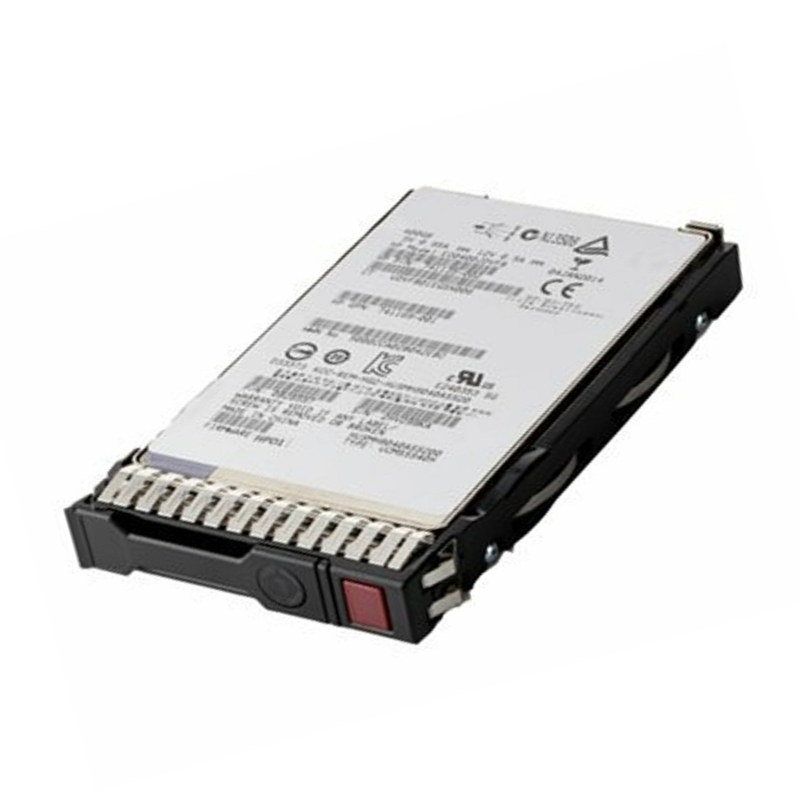


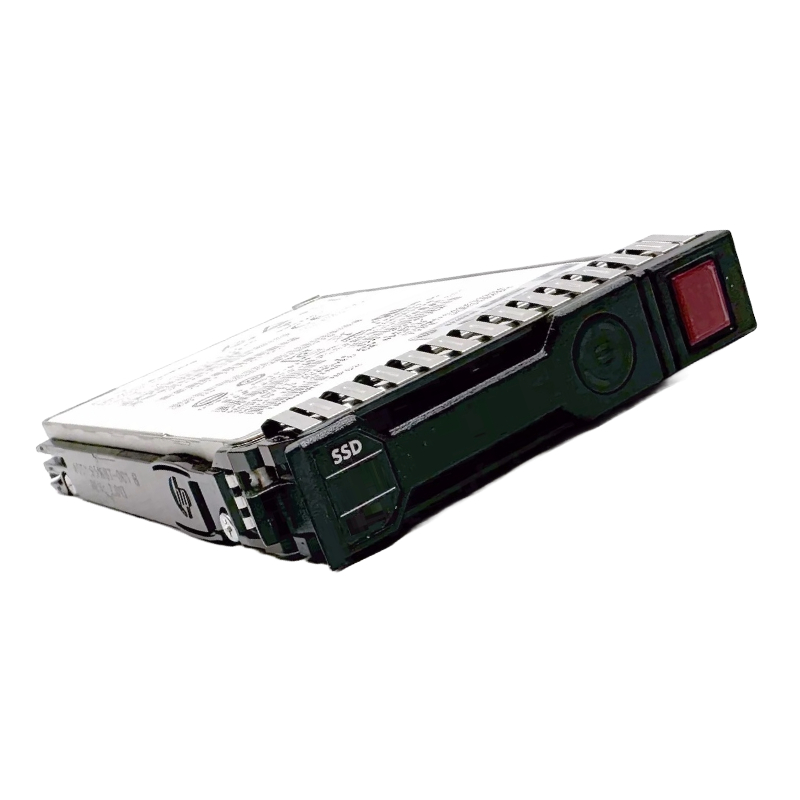
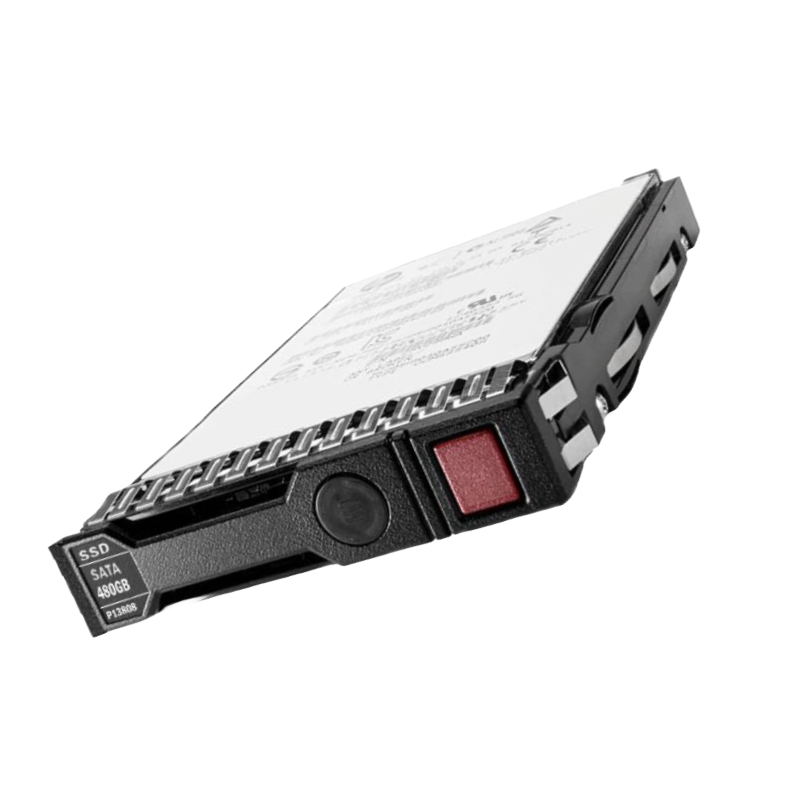
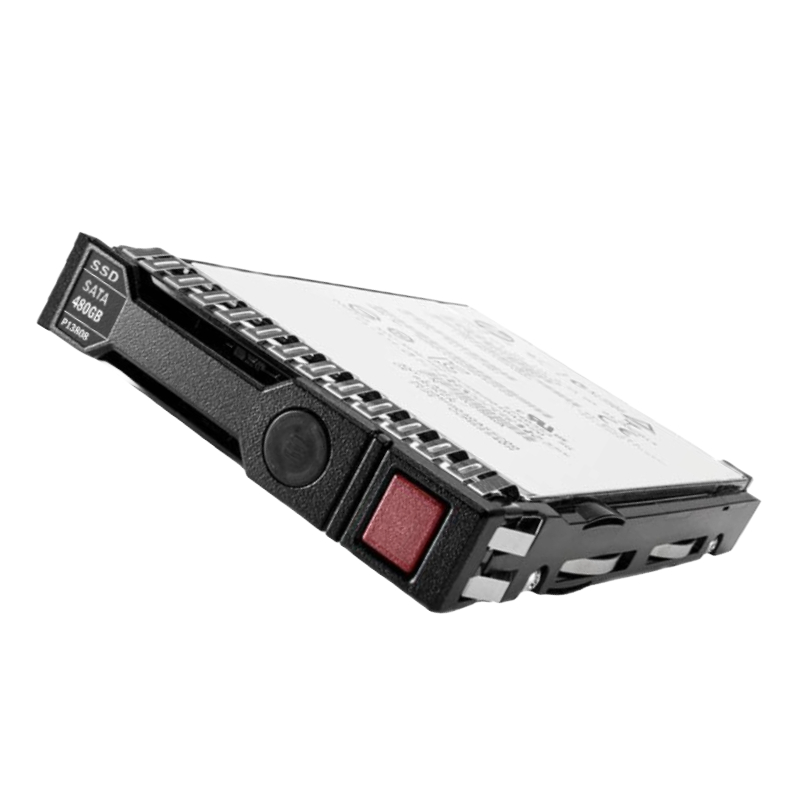
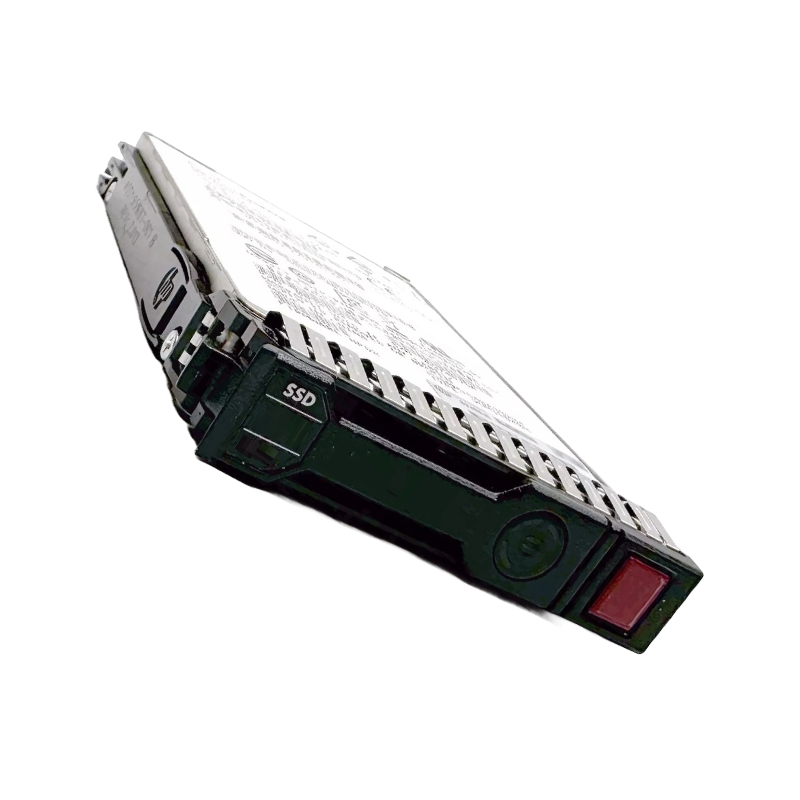
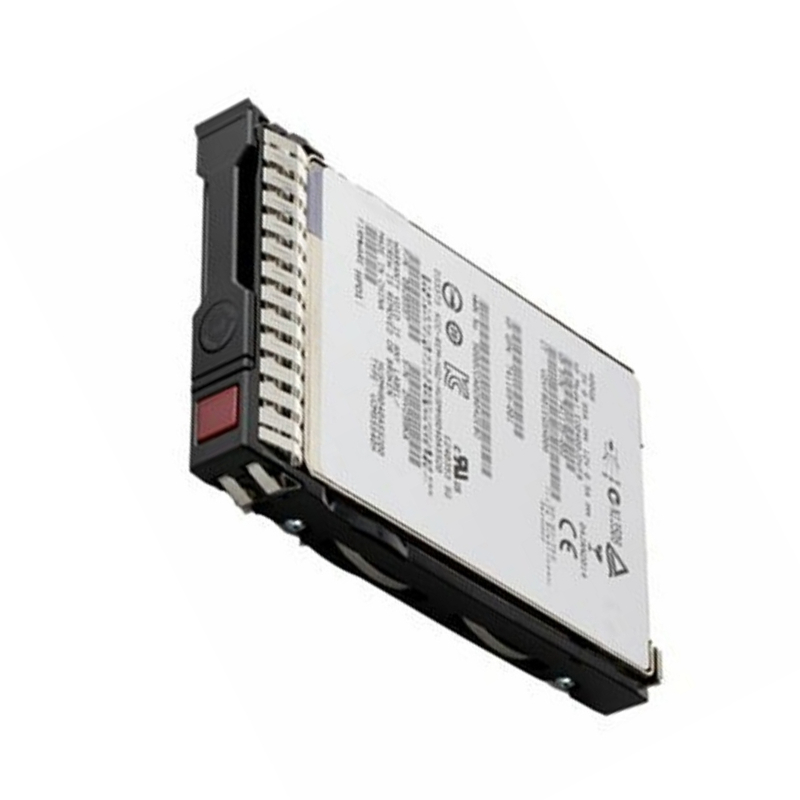
HPE MK000480GZXRA 480GB SATA 6GBPS Sff Solid State Drive. Factory-Sealed New in Original Box (FSB) with 3 Years Warranty
General information
Use cases and workloads
HPE MK000480GZXRA 480GB SATA 6Gbps MU SFF SSD
The HPE MK000480GZXRA 480GB SATA 6Gbps 2.5-Inch Mixed Use SFF Solid State Drive represents a balanced, enterprise-targeted storage solution optimized for mixed workload environments that require high reliability, consistent performance, and a compact 2.5-inch small form factor (SFF). Designed to meet the demands of virtualization, database operations, multi-tenant cloud nodes, and general-purpose server acceleration, this mixed-use SSD offers a blend of endurance and speed that is especially useful in modern data centers and edge deployments.
This HPE mixed-use SSD fits into a broad set of applications, where read and write operations occur frequently but do not reach the extreme write intensity of pure data-logging or caching use cases. Typical scenarios include:
Virtual machine (VM) boot and runtime storage for hypervisor hosts (VMware, Hyper-V, KVM).
General-purpose database storage for OLTP/OLAP systems with mixed read/write activity.
Application servers and microservices where predictable I/O latency improves user experience.
Content delivery nodes and web application storage tiers that need moderate write endurance and fast reads.
Storage tiering in tiered architectures where mixed-use SSDs serve as the mid-performance layer between HDD and NVMe tiers.
The drive adopts the industry-standard 2.5-inch Small Form Factor (SFF) and uses the SATA 6Gbps interface. This combination ensures broad compatibility with HPE ProLiant servers, storage enclosures, and many third-party server platforms.
At 480GB, this model is ideal for mid-tier capacity needs — large enough to host system images, several virtual machines, or application datasets, while remaining cost-effective. In rack-scale deployments, multiple drives can be configured in RAID arrays to increase usable capacity, redundancy, or performance depending on the RAID level chosen.
Typical mixed-use SSDs like the MK000480GZXRA are tuned for a balance of sequential throughput and small-block random IOPS. Expect strong read performance for application responsiveness and sustained write performance suitable for mixed I/O patterns. This yields lower latency and higher IOPS compared to HDDs, improving transaction rates and reducing application wait times.
The mixed-use classification implies the drive employs MLC or TLC NAND with overprovisioning and firmware-level endurance management to achieve acceptable Drive Writes Per Day (DWPD) for enterprise workloads. This results in a favorable Total Cost of Ownership (TCO) for deployments that need longevity without the premium of extreme endurance NVMe SSDs.
HPE drives are shipped with enterprise-grade firmware designed for consistent behavior under load, including advanced wear-leveling algorithms, robust bad-block management, and power-loss data protection mechanisms. These features help maintain predictable performance and data integrity in server environments.
The drive supports SMART attributes and reporting, enabling proactive monitoring of key indicators such as spare capacity, media wear, and error rates. When integrated with HPE system management tools (e.g., HPE Intelligent Provisioning or HPE Integrated Lights-Out — iLO), administrators can include these SSDs in predictive failure analytics and lifecycle planning.
Compared with spinning disks, SATA SSDs use less power per IOPS and have a lower thermal footprint — important for reducing data center power and cooling costs. The 2.5-inch SFF enables higher drive density per chassis and contributes to better thermal management when paired with appropriate server cooling strategies.
This HPE-branded SKU is validated for use in HPE servers and storage arrays. Certification typically ensures firmware compatibility with HPE controllers and RAID firmware, stable TRIM handling, and support via HPE’s support matrix — leading to smoother integration and warranty coverage than generic aftermarket drives.
Balanced endurance and performance optimized for workloads with a mix of read and write operations.
Higher DWPD than read-intensive SSDs but lower than write-intensive models, offering a middle-ground price/performance ratio.
Tuned for workloads with predominant reads (e.g., large-scale content delivery, archival reads). These drives offer higher capacity at lower cost-per-GB but limited write endurance. Not ideal when write bursts are frequent.
Built for heavy write workloads (e.g., logging, analytics ingest, caching layers). Highest DWPD and typically more expensive; not necessary unless the environment issues an extreme amount of write traffic.
Integrate SMART metrics and HPE system logs into your monitoring stack (Prometheus, Nagios, Grafana, or HPE OneView). Track key metrics: estimated remaining life, uncorrectable errors, reallocated sectors, and average latency under peak load. Early detection of anomalies reduces unplanned downtime.
Match filesystem and database block sizes to typical application I/O sizes. For example, workloads dominated by 4K random reads/writes benefit from filesystems tuned to align and reduce read-modify-write cycles. Use partition alignment and avoid misaligned writes which can degrade performance and endurance.
Consider leaving a portion of the drive unpartitioned (overprovisioning) to improve sustained performance and endurance. Overprovisioning reduces write amplification and extends effective drive lifespan.
Adjust storage controller queue depth and host I/O scheduler settings to match SSD behavior. In virtualized environments, ensure queue depth settings are balanced across VMs to prevent any single VM from starving others of I/O resources.


 Contact Us
 Information
 Catalog
 Solid State Drives (SSD)
 Network Switches
 Hard Disk Drives
 HBA & Controllers
 PC & Servers
 PC & Server Memory
 CPU & Processors
 Network Routers
 Power Supplies
 Tape Drives & Libraries
 Network Devices
 Computer & Network Cables