(7% discount is applied at checkout)
Cart is empty
Your go-to destination for cutting-edge server products
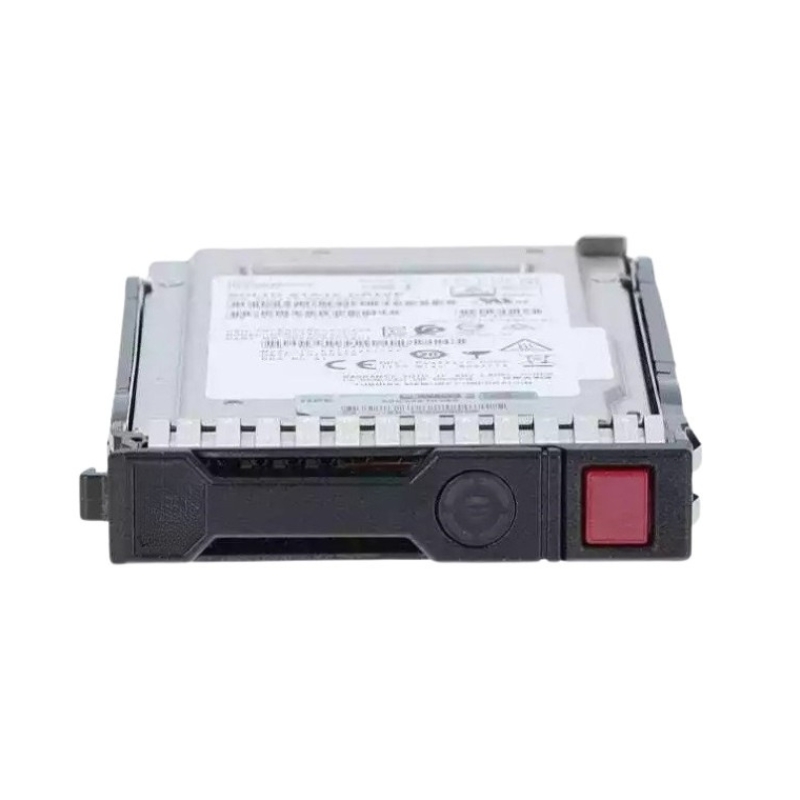


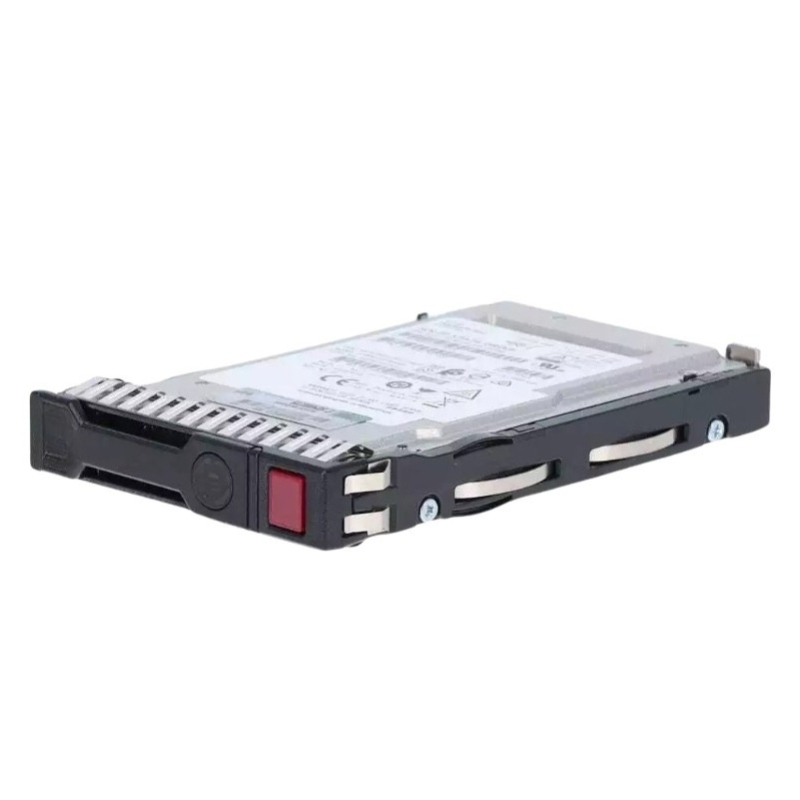
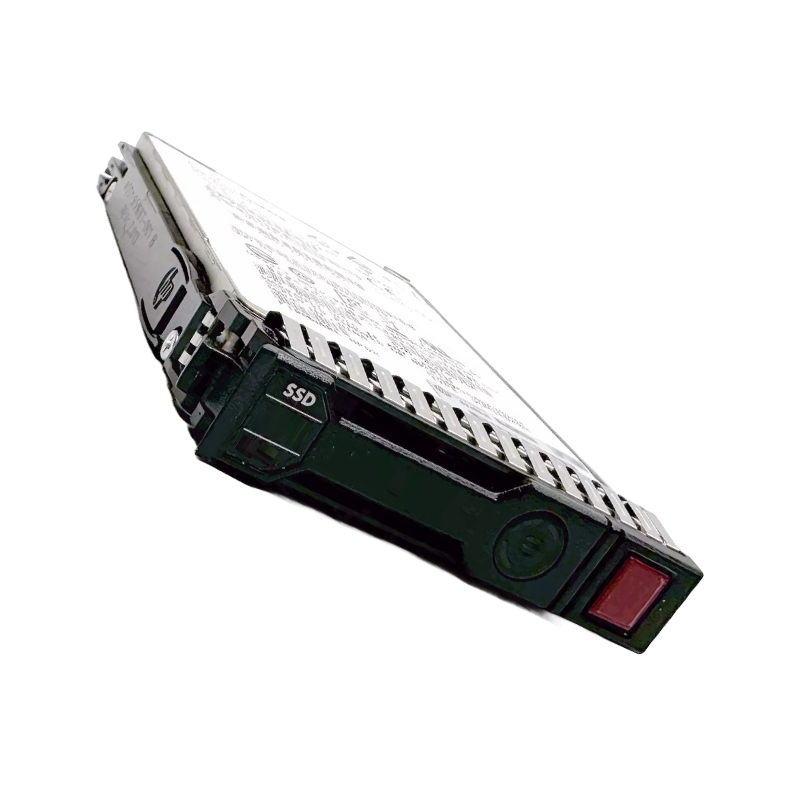
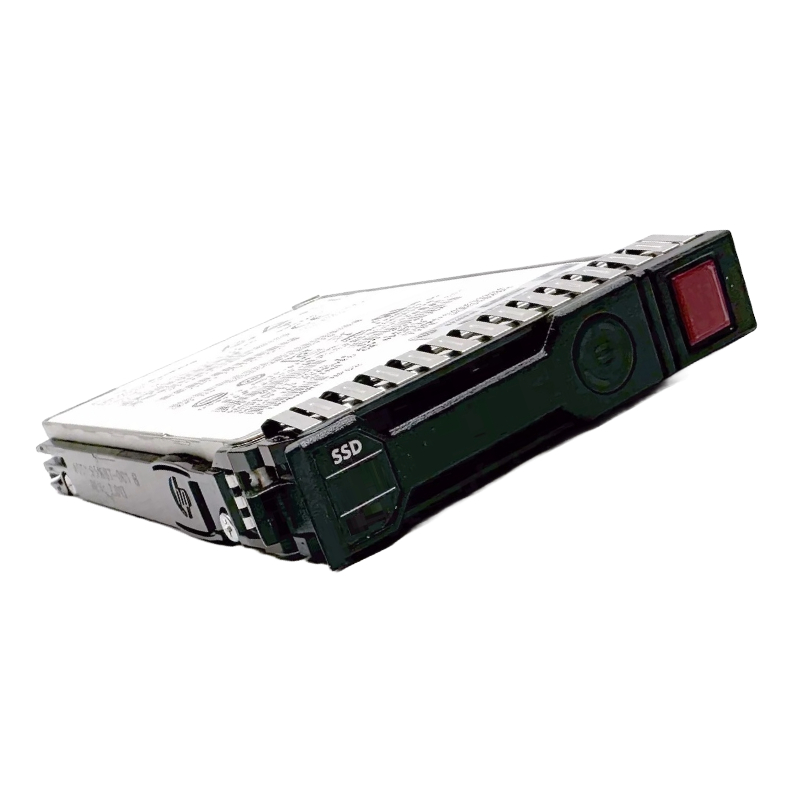
HPE MK000480GXAWF 480GB SATA 6GBPS Solid State Drive Mixed Use SFF. Factory-Sealed New in Original Box (FSB) with 3 Years Warranty
The HPE MK000480GXAWF is a 480GB SATA 6 Gbps mixed‑use SFF solid state drive engineered for balanced read/write workloads in enterprise environments. Its hot‑plug capability and SC carrier design simplify serviceability while delivering consistent performance and reliability for virtualized infrastructure, databases, and high‑traffic applications.
The HPE MK000480GXAWF 480GB SATA 6Gbps Mixed Use SFF Solid State Drive belongs to a family of enterprise-grade SATA SSDs designed specifically for mixed-use workloads in HPE ProLiant servers, storage arrays, and SAN/NAS appliances. Mixed-use drives balance read and write performance and endurance to support virtualized environments, database systems, mail servers, application servers, and other consolidated workloads that require consistent low latency and predictable I/O behavior. This category targets buyers who need a compact 2.5-inch (SFF) form-factor SSD with HPE-compatible firmware, secure erase capabilities, power-loss protection features, and a manufacturer-backed warranty and support lifecycle.
The drive uses a SATA III 6.0 Gbps interface — the widely supported interface for server boot drives, data tiering, and capacity-dense deployments where cost-per-GB matters. Its Small Form Factor (SFF) 2.5-inch dimensions make it compatible with half-height bays, drive caddies, and sleds in most HPE ProLiant chassis and third-party enclosures that accept standard 2.5" SATA SSDs.
With a usable capacity of 480GB, this model fits a common mid-range capacity slot for OS disks, cache tiers, metadata and index storage, and read/write hot pools. The sizing supports deployments where a blend of capacity and performance is required without the premium cost of NVMe or high-end SAS SSDs.
The mixed-use designation indicates a balanced I/O optimization for both random and sequential operations. While exact throughput and IOPS figures vary by firmware, queue depth, and workload mix, mixed-use SATA SSDs typically offer strong sustained random read/write IOPS versus legacy HDDs and predictable latency for transactional applications. This makes the drive appropriate for mixed database transactions, virtual machine OS volumes, and small-block random access patterns common in multi-tenant or virtualized infrastructures.
Endurance—measured in Drive Writes Per Day (DWPD) or Total Bytes Written (TBW)—is a primary consideration for mixed-use SSDs. HPE mixed-use drives are engineered to provide multi-year endurance suitable for moderate to heavy production workloads. These drives include wear-leveling algorithms, over-provisioning and background garbage collection to prolong usable life and maintain steady performance as the drive approaches programmed endurance limits.
Robust models within HPE's SSD portfolio often include power-loss protection capacitors or on-drive VD components that flush in-flight data to non-volatile media during unexpected power events. Coupled with internal journaling and metadata integrity checks, these features reduce the risk of silent data corruption and improve enterprise-grade data safety when used as boot or application disks.
SMART telemetry and vendor-specific health reporting allow administrators to integrate drive health into monitoring frameworks. Predictive indicators such as reallocated sectors (for NAND), media wear percentage, number of uncorrectable errors, and spare block usage enable proactive replacement strategies and reduce unplanned downtime.
The HPE MK000480GXAWF is typically validated for use with HPE ProLiant server families and HPE Smart Array controllers that support SATA drives. It’s designed to work seamlessly with HPE firmware stacks, drive firmware updates delivered via HPE Service Pack for ProLiant (SPP), and HPE system management tools like iLO and HPE OneView. When populating arrays, follow HPE compatibility matrices and best practices for mixing drive types in the same RAID group.
When used behind hardware RAID controllers, make sure controller firmware supports the SSD’s trim/discard behavior if applicable for your RAID level. Some controllers may handle trim differently; consult controller documentation. For software RAID or OS-managed storage pools, enabling TRIM and reviewing scheduler options will help maintain consistent performance over the drive’s lifespan.
Mixed-use SSDs are well-suited for storing virtual machine boot disks, snapshots, and frequently accessed OS files. In environments running VMware ESXi, Microsoft Hyper-V or KVM, these drives can host VMFS/datastore volumes or be used as a cache/tiering layer to accelerate spinning-disk capacity pools.
For small to mid-sized transactional databases—such as single-server SQL instances, NoSQL datasets with moderate write amplification, or application server caches—the 480GB mixed-use drive offers a balance between consistent low-latency I/O and endurance to support daily transactional workloads without excessive cost.
Using the drive as a boot or OS volume delivers faster boot times, patch installations, and application startup latency reductions compared to HDDs. HPE’s drive firmware often includes optimizations for OS workloads and rapid firmware-update paths to maintain security and stability.
Install the drive into an HPE-approved drive bay or caddy and secure it according to chassis guidance. Use vendor-supplied screws or sleds to ensure proper drive retention and adequate airflow. Confirm drive detection in BIOS/UEFI and that controller BIOS recognizes the correct capacity and SMART attributes before provisioning.
Keep drive firmware current using HPE’s firmware packages to benefit from reliability fixes, performance tuning, and compatibility improvements. Firmware updates should be scheduled during maintenance windows and validated against your server and controller firmware versions to avoid incompatibility.
Integrate drive status into your monitoring systems to track media wear, temperature, and SMART indicators. Create alert thresholds for critical parameters (e.g., remaining spare capacity < 10%, reallocated blocks > threshold) and plan replacements based on either time-in-service or SMART-driven predictive failure signals. Follow HPE’s RMA process for replacement when drives fall out of their health parameters or under warranty.
Many HPE SSDs support hardware-based encryption (SED) or drive-level secure erase capabilities. If data security is a requirement, choose drives with certified encryption features and integrate them with your key management system (KMS) for centralized key rotation and revocation. Use secure-erase or cryptographic-erase procedures during decommissioning to meet compliance and data sanitization policies.
For regulated industries, verify that the SSD’s decommissioning procedures, logging capabilities, and encryption meet local compliance standards (e.g., GDPR, HIPAA). HPE documentation and whitepapers frequently list compliance-related guidance for proper data sanitization and asset disposal.
NVMe drives deliver much higher throughput and lower latency than SATA SSDs, particularly for high-concurrency workloads. However, SATA mixed-use drives like the MK000480GXAWF remain attractive for cost-sensitive projects, legacy server compatibility, and mixed workloads where NVMe’s headroom is unnecessary. Evaluate total cost of ownership (TCO), controller compatibility, and expected workload intensity when choosing between SATA and NVMe.
Read-intensive SSDs favor workloads with high read-to-write ratios (e.g., content delivery caches), while write-intensive SSDs are tuned for heavy sustained writes (e.g., logging and high-throughput data ingestion). Mixed-use SSDs strike a compromise between both. For workloads that are heavily skewed, pick the drive class aligned to your read/write profile to maximize endurance and performance-per-dollar.


 Contact Us
 Information
 Catalog
 Solid State Drives (SSD)
 Network Switches
 Hard Disk Drives
 HBA & Controllers
 PC & Servers
 PC & Server Memory
 CPU & Processors
 Network Routers
 Power Supplies
 Tape Drives & Libraries
 Network Devices
 Computer & Network Cables