(7% discount is applied at checkout)
Cart is empty
Your go-to destination for cutting-edge server products
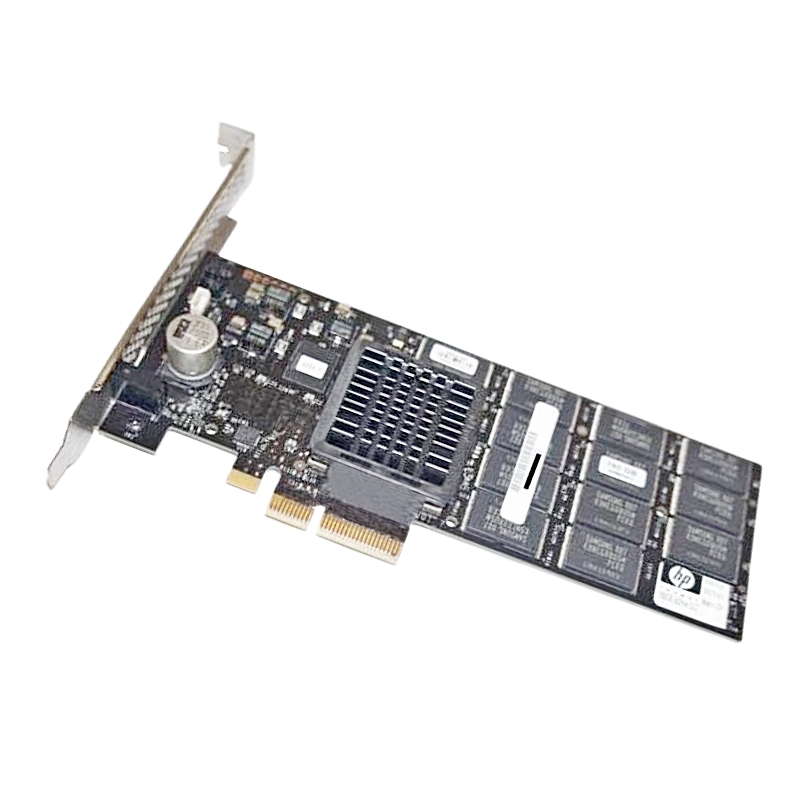


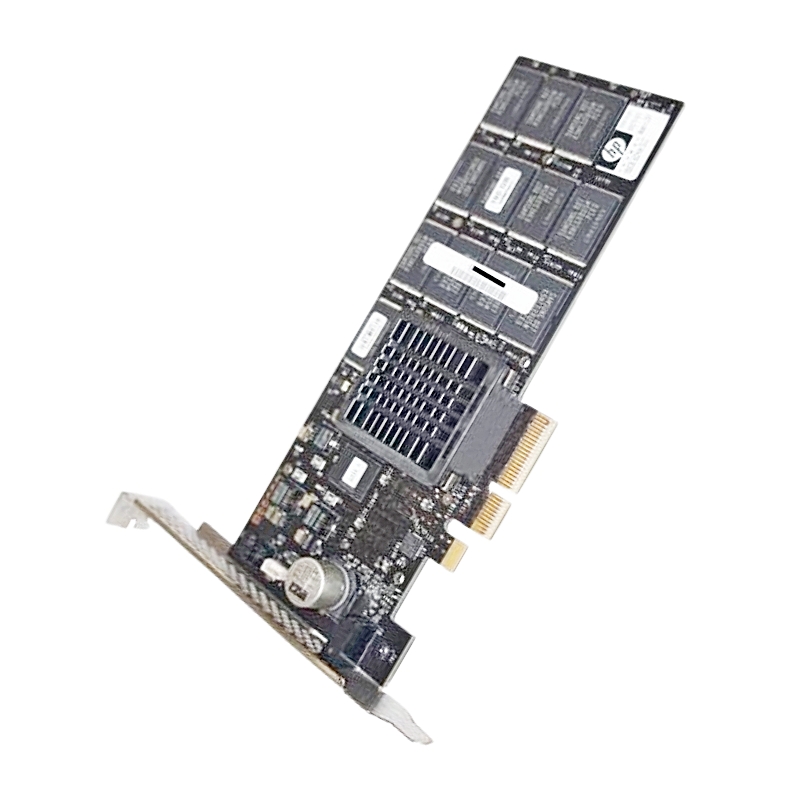
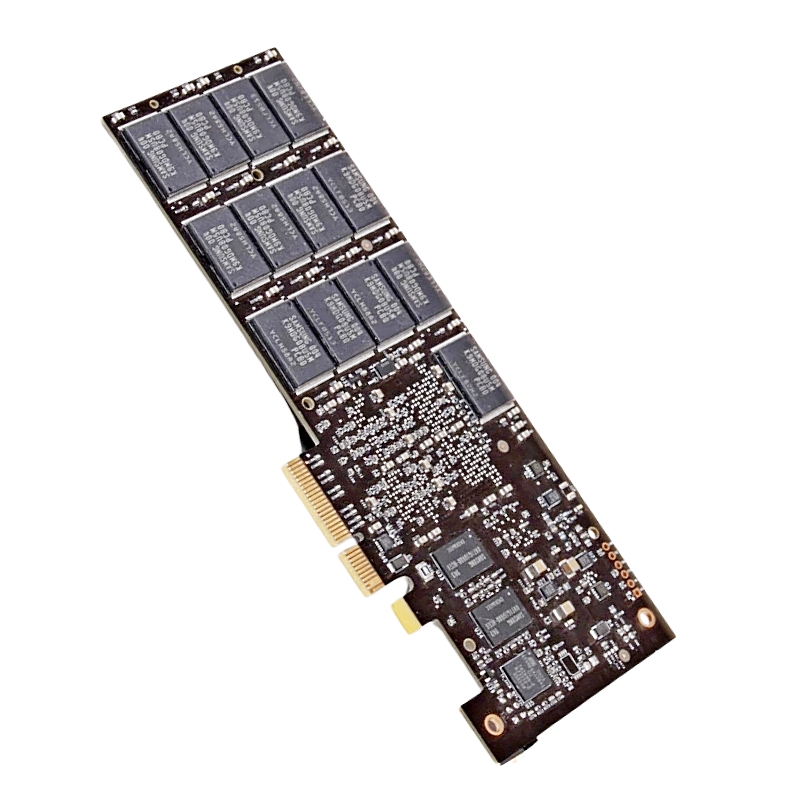
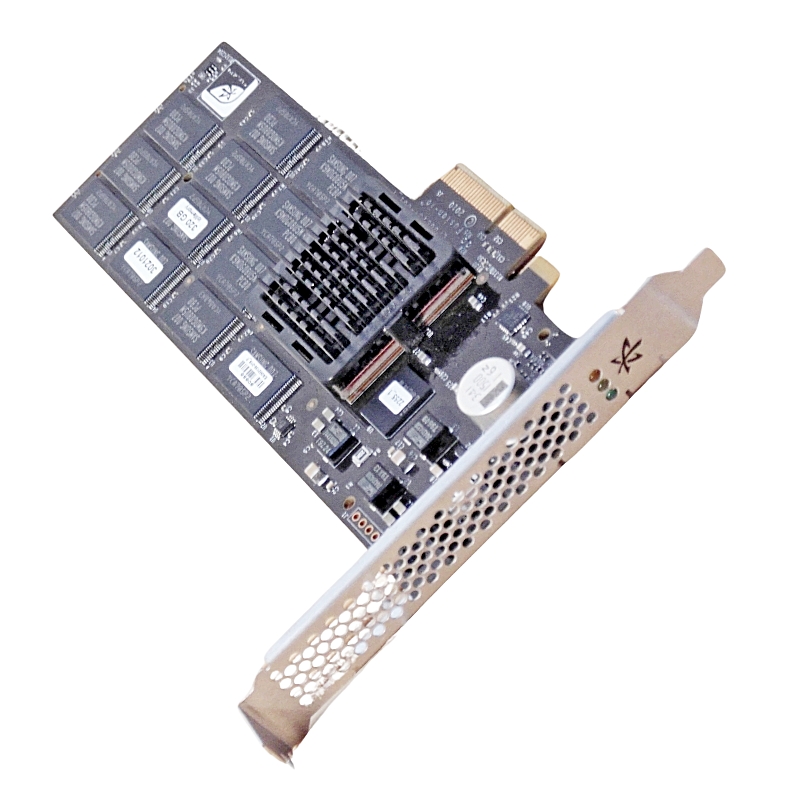
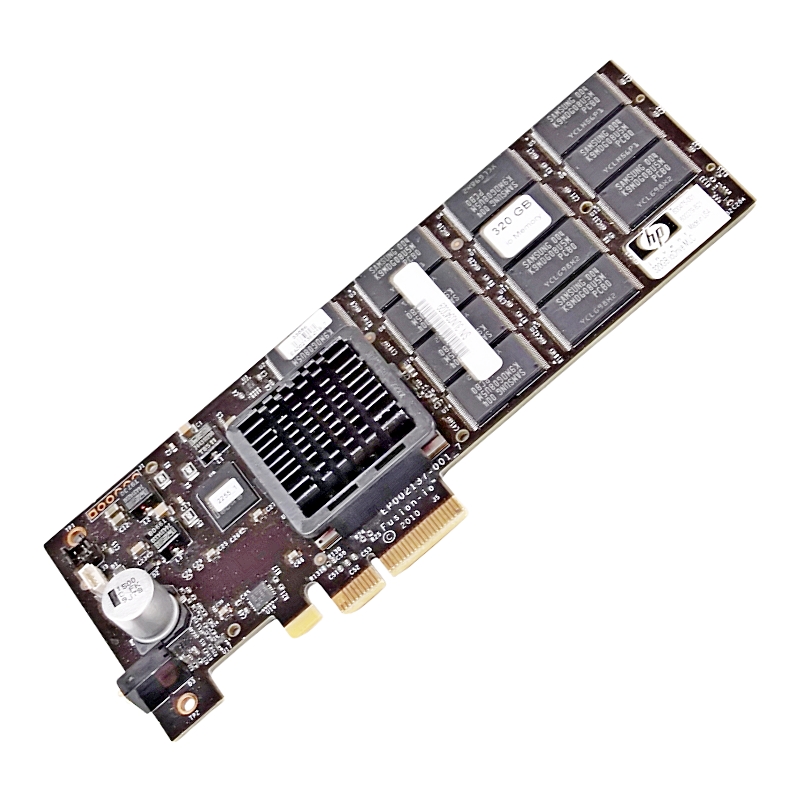
HPE 600279-B21 Proliant Server 320GB PCI-Express Multi Level Cell SSD. New Sealed with 1-Year Replacement Warranty
| SKU/MPN | Warranty | Price | Condition | You save |
|---|---|---|---|---|
| 600279-B21 | 1 Year Warranty | $99.00 | Excellent Refurbished | You save: $34.65 (26%) |
| 600279-B21 | 1 Year Warranty | $495.00 | New Sealed in Box (NIB) | You save: $173.25 (26%) |
HPE 600279-B21 Proliant Server 320GB PCI-Express Multi Level Cell (MLC) SSD represents a focused category of enterprise-grade NVMe/PCIe solid state storage engineered for data center workloads.
HPE 600279-B21 Proliant Server 320GB PCI-Express Multi Level Cell (MLC) SSD represents a focused category of enterprise-grade NVMe/PCIe solid state storage engineered for data center workloads that demand a balance of performance, reliability, and predictable cost. This category emphasizes 320GB capacity points built on MLC NAND technology and a PCI-Express interface, making it ideal for tiered storage strategies, read-heavy applications, cache acceleration layers, and system boot volumes within HPE ProLiant server infrastructures. Each paragraph in this description begins with a capital letter to maintain a professional and consistent editorial style, while the structure uses a range of subheadings to improve scanning.
HPE designed the 600279-B21 family to sit at the intersection of enterprise durability and cost-efficiency. The MLC NAND at the heart of these drives offers a stronger endurance profile than consumer TLC parts while delivering higher density and lower cost than single-level cell (SLC) alternatives. This makes 320GB MLC PCIe drives well suited for system boot volumes, firmware and database caching, application acceleration, and high-performance read cache where predictable latency and consistent throughput matter. The PCI-Express interface removes the bottlenecks associated with legacy SATA connections, unlocking significantly lower queuing latency and higher parallelism for modern server workloads.
Typical workloads for this category include virtualization boot storms, read-dominant web services, metadata stores, and acceleration layers for hybrid storage arrays. The drives are commonly deployed as metadata accelerators in clustered filesystems, as read caches in database front-ends, and as fast local storage for hypervisor-level image repositories. In mixed-use environments the 320GB capacity provides a compact, high-performance block that can be replicated across nodes to reduce cold reads and to accelerate application responsiveness.
Drives in this category employ PCI-Express connectivity, which may be presented as an add-in card or as a server-integrated edge module depending on HPE platform choices. The PCIe form factor eliminates traditional SATA/SAS bottlenecks and permits higher raw throughput with lower latency. Thermally, these modules are engineered to operate within typical rack server cooling envelopes, though attention to airflow and placement in dense chassis configurations remains important to preserve long-term performance stability and drive lifespan.
The combination of MLC NAND and PCIe interface offers a clear set of technical benefits for enterprise deployments. MLC NAND delivers a favorable ratio of endurance to cost, typically supporting higher program/erase cycles than mainstream TLC while offering larger capacities than SLC. The PCI-Express channel provides higher I/O queues, lower command latency, and improved bandwidth headroom for concurrent operations, making the category especially well-suited for multi-threaded server environments where many virtual machines or parallel processes access storage simultaneously.
Performance expectations for the HPE 600279-B21 class typically include strong random read latency, solid sequential throughput, and consistent IOPS under realistic enterprise duty cycles. These drives are tuned for predictable response times rather than peak-burst consumer benchmarks, which is essential for meeting service-level objectives in production environments. Performance in a real deployment depends on factors such as controller firmware, server CPU and memory architecture, workload mix, and the presence of RAID or caching layers, but the PCIe/MLC combination ensures a resilient platform for demanding read-centric and mixed server tasks.
Low latency remains a chief advantage of PCI-Express SSDs. For time-sensitive transactions and interactive services, the sub-millisecond access times of these drives reduce queuing delays and improve end-user experience. IOPS capacity scales with the number of concurrent threads and the efficiency of the server’s storage stack; administrators should consider queue depth tuning and NVMe driver configurations to extract maximum steady-state performance from these drives.
Reliability is central to this category. Enterprise-class MLC drives incorporate enhanced error correction, power-loss protection, and wear-leveling algorithms to protect data integrity across thousands of program/erase cycles. HPE-branded modules are typically validated for server environments, undergo rigorous testing for shock and vibration, and include firmware features that reduce the risk of silent data corruption. For administrators managing large fleets, predictable endurance metrics and robust telemetry allow proactive replacement planning and reduce unexpected downtime.
Enterprise SSDs in this category commonly implement capacitive power-loss protection circuitry and firmware safeguards to flush volatile caches during unexpected power events. This design reduces the risk of partial writes and metadata corruption in server workloads where transactional integrity is crucial. While these protections significantly improve safety, architects should still follow standard high-availability practices such as redundancy, regular backups, and journaling filesystems to complement the drive’s onboard defenses.
Compatibility with HPE ProLiant platforms is a defining attribute of the 600279-B21 family. HPE tests storage modules with key server models and firmware combinations to ensure interoperability, and HPE firmware updates for both system BIOS and drive firmware can improve performance, security, and reliability. Administrators should maintain a disciplined firmware management process, applying vendor-tested updates in dev/test environments before rolling them out to production, and documenting any configuration changes to preserve traceability and supportability.
Proper driver versions and management utilities are critical for extracting full functionality from PCIe SSDs. HPE provides management suites and driver packages that expose SMART metrics, drive topology, firmware revision data, and event logs. Integration with orchestration platforms and configuration management tools automates inventory, health checks, and compliance reporting, simplifying large-scale deployments of 320GB MLC SSDs across datacenter fleets.
Firmware updates can yield measurable benefits but also carry operational risk if misapplied. It is recommended to adhere to HPE’s published compatibility matrices and staged update procedures. Documenting the pre-update state and having rollback or recovery steps helps mitigate interruptions. When possible, schedule firmware maintenance during low-impact windows and ensure backups are current before performing bulk updates on storage components.
Deploying HPE 600279-B21 class drives in production requires thoughtful architecture planning. These drives often serve as a fast tier within a hybrid storage strategy, complementing higher-capacity but higher-latency HDDs or denser TLC SSDs. Typical architectures place these MLC PCIe drives in front of a larger capacity backend to accelerate hot datasets while reducing the load on slower media. Another pattern uses these drives as local caches for read-heavy distributed databases and content delivery nodes, which reduces network storage traffic and improves response times.
While RAID can offer redundancy and improved read performance, it also introduces write amplification and varied workload behavior that affects endurance. Architects should weigh RAID levels, consider mirrored configurations for critical metadata, and implement write-optimized caching strategies that minimize unnecessary write cycles to the MLC media. In distributed systems, replication and erasure coding at the application layer can serve as alternatives or complements to controller-level RAID, enabling flexibility in balancing performance and resilience.
PCIe SSD modules can generate significant heat under sustained load. Ensuring adequate front-to-back airflow, avoiding blocked vents, and monitoring drive temperature are essential practices for preserving performance and longevity. Rack-level cooling design and placement of hot-running nodes should account for cumulative thermal impact when multiple high-performance drives are deployed in a compact chassis.
Security is an integral part of enterprise storage considerations. Many drives in this category support hardware-based encryption, secure erase capabilities, and integration with key management frameworks to help organizations meet regulatory and internal compliance requirements. Encrypted drives provide a layer of defense for data at rest, and secure erase functions can speed decommissioning by removing sensitive data without physical destruction.
When hardware encryption is available, it is essential to adopt proper key lifecycle management to avoid data loss or unauthorized access. Organizations should align drive-level encryption with broader IT security policies, ensuring keys are managed centrally and that access controls and audit logs are in place. This integrated approach supports compliance with common frameworks and standards and simplifies audits by demonstrating traceable protection of data stored on removable or reusable server components.
Secure decommissioning practices benefit from the secure erase primitives provided by enterprise SSDs. These operations, when executed correctly, ensure that sensitive data is irrecoverable prior to asset disposal or redeployment. IT asset management policies should document secure wipe procedures, verification steps, and retention of proof-of-wipe records to satisfy information governance and disposal regulations.
Effective lifecycle management extends the value of HPE 600279-B21 drives by combining monitoring, predictive replacement workflows, and warranty/maintenance alignment. HPE offers support services and replacement programs that can simplify management of drive failures and help maintain consistent service levels. Integrating drive telemetry into centralized monitoring and ticketing systems enables faster identification of failing components and helps operations teams transition from reactive to proactive maintenance models.
Accurate inventory and tagging of drives ensures the right parts are available during maintenance windows and supports warranty claims. Serial numbers, firmware versions, and deployment locations should be tracked in a configuration management database to streamline troubleshooting and RMA processing. This dataset also feeds capacity planning activities and influences procurement timing as drives approach end-of-life thresholds.
Understanding the relative trade-offs between MLC, TLC, and SLC is essential for designing data storage tiers. MLC strikes a middle ground, providing better endurance than TLC while delivering higher capacities and lower cost than SLC. For latency- or write-intensive scenarios, higher-endurance SLC or enterprise-class Optane-like persistent memory may be warranted, whereas massive capacity cold stores may favor high-density TLC or HDDs. The PCIe interface, compared to SATA or SAS, enables a leap in performance and makes MLC PCIe drives particularly compelling where responsiveness matters most.
Scalability is achieved by deploying multiple drives across compute nodes and integrating them into orchestration frameworks that manage tiering and replication. Although NAND technology evolves, the principles of tiered storage, telemetry-driven lifecycle management, and careful workload alignment remain constant. Choosing a proven enterprise-class drive category with strong vendor support helps future-proof deployments and eases transitions as capacity and performance needs grow.


 Contact Us
 Information
 Catalog
 Solid State Drives (SSD)
 Network Switches
 Hard Disk Drives
 HBA & Controllers
 PC & Servers
 PC & Server Memory
 CPU & Processors
 Network Routers
 Power Supplies
 Tape Drives & Libraries
 Network Devices
 Computer & Network Cables