(7% discount is applied at checkout)
Cart is empty
Your go-to destination for cutting-edge server products
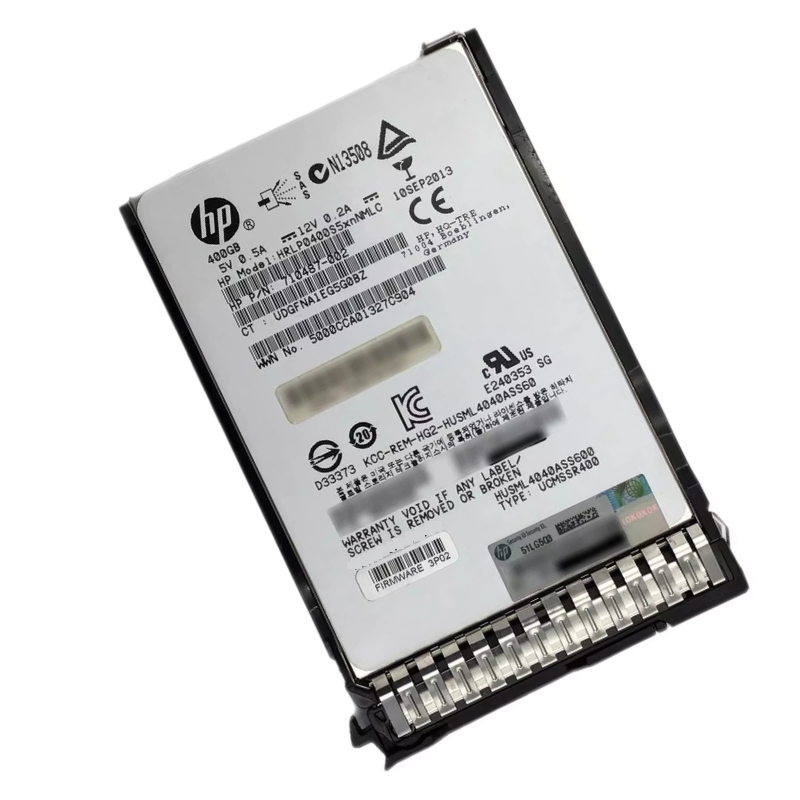


HPE 632520-006 Enterprise Performance SSD 400GB 2.5inch SAS-6GBPS. Excellent Refurbished with 1 year replacement warranty
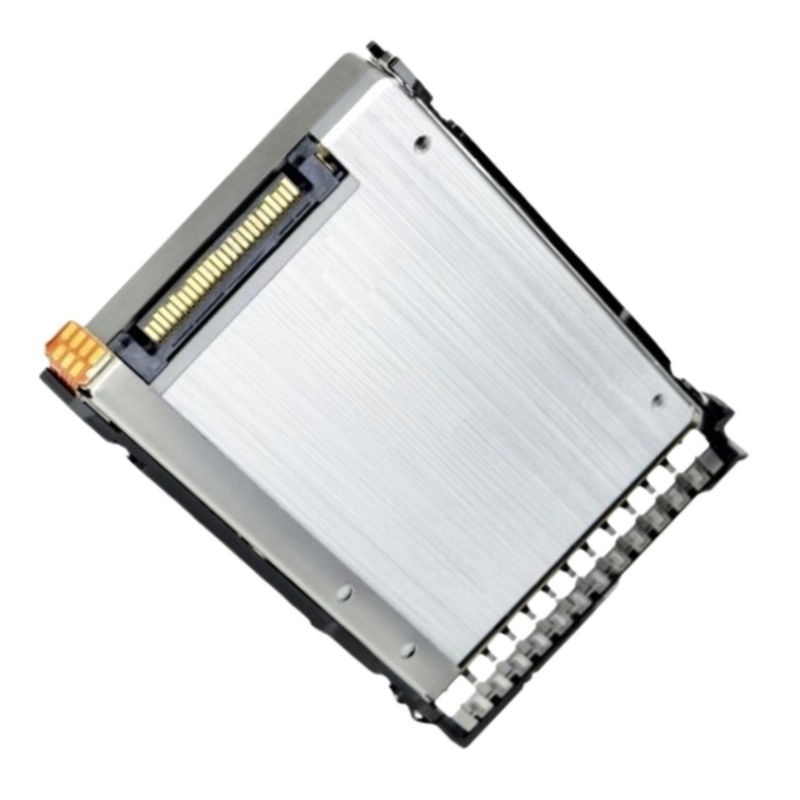
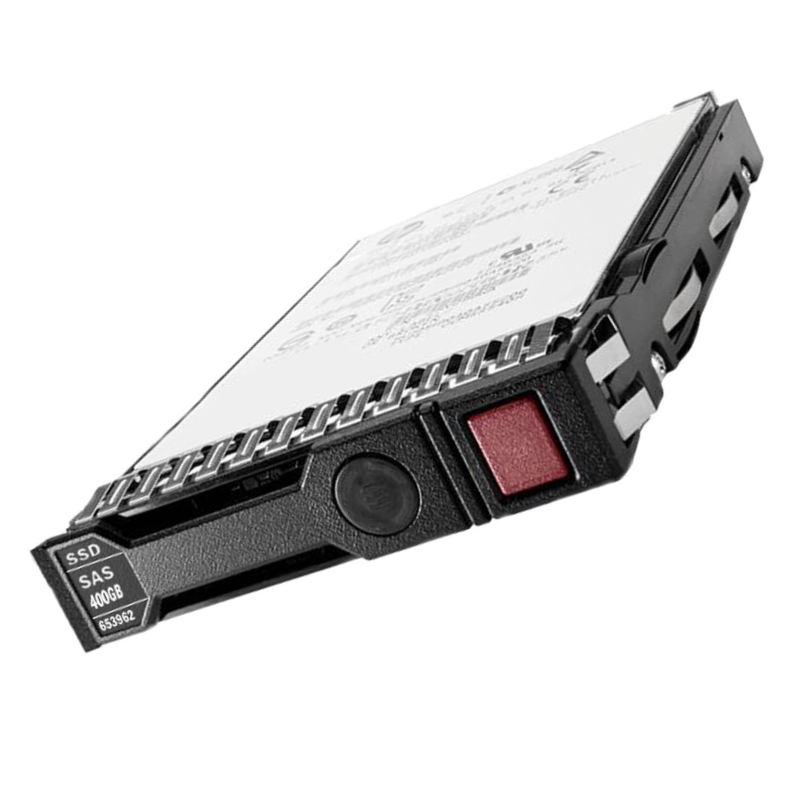
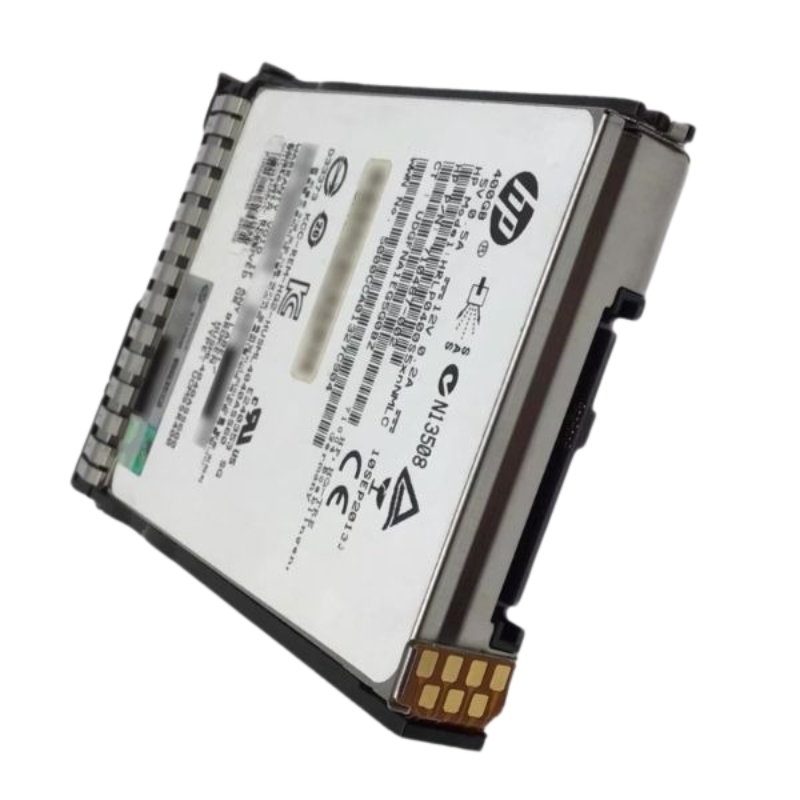
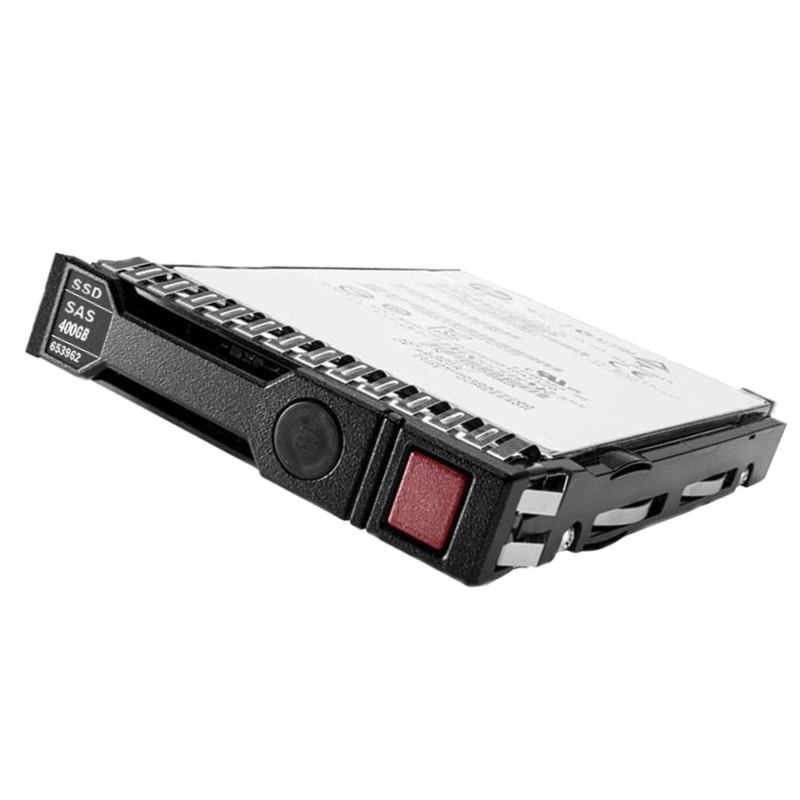
The HPE 632520-006 400GB 2.5-inch Small Form Factor SAS-6Gbps Smart Carrier Enterprise Performance Solid State Drive is a purpose-built storage component designed for enterprise-class ProLiant Gen8 and Gen9 servers. This drive sits in the enterprise SAS SSD category, positioned for workloads that demand consistent low-latency access, high random I/O performance and mature data integrity features. It is frequently specified by system integrators and data center administrators who prioritize reliability, predictable performance under mixed workloads, and hardware-level compatibility with HPE server platforms.
At the core of the category definition for the 632520-006 are four anchors: the 2.5-inch small form factor, the SAS-6Gbps interface, the 400GB capacity, and the Smart Carrier design tailored to HPE ProLiant trays. The 2.5-inch form factor allows dense drive population in 2U and larger server chassis and makes the drive swappable in HPE hot-swap carriers. The SAS-6Gbps link provides enterprise-grade connectivity with dual-port options and strong error handling compared with legacy SATA—important in multi-path and SAN topologies. The 400GB capacity makes this model useful as a high-performance tier for boot volumes, database logs, virtual machine boot/storage or as a caching tier in hybrid architectures. The Smart Carrier indicates firmware and carrier-level features that enable HPE management, health reporting and simple tray interchangeability.
Enterprise performance SSDs such as the 632520-006 are engineered to deliver consistent IOPS and deterministic latency under sustained load. This makes them especially well suited to transactional database workloads, virtualization infrastructure with many small random reads and writes, and I/O-heavy application servers where predictability matters more than peak sequential throughput. Compared to consumer or desktop-class SSDs, enterprise models typically have firmware tuned for queue-depth performance, background garbage collection behaviors that preserve responsiveness, and endurance optimizations to match server duty cycles. In practice, this means the 400GB HPE SAS SSD is commonly used for tiered storage roles where a balance of endurance and cost per GB is required.
For administrators evaluating drives for virtualized or database environments, mixed I/O performance (combined read and write operations of varying sizes) is critical. The HPE 632520-006 is typically characterized and marketed for enterprise mixed-use roles, where random 4K and 8K IOPS at moderate to high queue depths determine real-world responsiveness. Because firmware behavior governs how well SSDs sustain IOPS during long writes, enterprise SSDs in this category often outperform consumer products in situations that stress background maintenance tasks and write amplification control. This makes them an optimal choice for persistent VM stores, containerized application platforms, and OLTP-style databases.
Compatibility with HPE ProLiant Gen8 and Gen9 server lines is a defining marketing point for the 632520-006. HPE-certified or OEM-specified SSDs often expose additional telemetry to HPE system management tools, allowing administrators to monitor wear level, remaining life, SMART attributes and predictive failure indicators centrally. The Smart Carrier form factor simplifies field replacement: drives mounted in HPE trays plug into the server backplane and inherit hot-swap, LED status and management reporting features. For enterprise IT teams, these integration points reduce operational risk and streamline warranty handling.
One advantage of using HPE-branded or HPE-qualified SSD payloads is consistent firmware behavior validated against the HPE QuickSpecs and management ecosystem. HPE’s drive families are typically accompanied by QuickSpecs and support documentation that explain supported firmware revisions, interoperability matrices and best-practice guidance for deployment. When drives are deployed in HPE ProLiant servers, administrators can leverage HPE system management utilities for inventory, health alerts and firmware updates to maintain a homogeneous environment and reduce surprises during lifecycle maintenance.
The 400GB HPE 632520-006 finds a variety of roles across enterprise storage architectures. In small-to-medium sized businesses (SMBs) and remote/branch office (ROBO) environments, it is commonly used as a boot drive for hypervisor hosts or as a fast-tier drive for latency-sensitive services. In larger data centers, drives like the 632520-006 are deployed in all-flash or hybrid server-local storage arrays, as cache devices in software-defined storage tiers, and as boot/OS volumes for blade and rack servers where fast server reboots and swift VM migrations are required. These deployment patterns reflect the drive’s balance of capacity, performance and form factor convenience.
Virtualized environments place a premium on predictable random I/O performance. When hosts run dozens of VMs, unpredictable spike behavior from underlying storage can cause cascading application slowdowns. Enterprise SAS SSDs are commonly chosen as the high-performance tier in hyperconverged infrastructure nodes because they maintain stable latency under variable multi-tenant load. The 400GB capacity is often enough for a host’s local cache and hot dataset while persistent bulk storage remains on lower-cost arrays or distributed HDD tiers. This approach yields a beneficial mix of cost-efficiency and responsiveness for VDI, CI/CD pipelines, and database virtualization.
Physical attributes such as the 2.5-inch SFF dimension, height profile (carrier/respective caddy thickness), tray compatibility and hot-plug capability are crucial purchasing filters. Electrically, SAS-6Gbps provides enterprise signaling and dual-port capabilities that enable multipath I/O configurations—vital for redundancy and high-availability designs. Thermal design and power consumption under sustained load are practical considerations, since dense SSD populations can raise chassis temperatures. Vendors and resellers often publish weight, typical operating power and environmental ranges; system integrators compare these specifications to server backplane tolerances and thermal allowances to ensure stable operation.
Not all 2.5-inch drives are identical in carrier compatibility. HPE’s Smart Carrier and other OEM carriers often include carrier-specific keys, interlocks, and firmware handshake behaviors that prevent incorrect insertion or unsupported operation. When replacing or upgrading drives in ProLiant servers, ensuring that the replacement drive either includes a compatible HPE Smart Carrier or is sold as “HPE-compatible” with the same mechanical and firmware interfaces is critical for smooth field serviceability. Direct-fit carrier compatibility also preserves LED indicators, hot-swap handles and tray fitment so rack technicians can confidently perform replacements without system downtime.
When procuring drives for enterprise deployments, IT buyers typically evaluate total cost of ownership (TCO), warranty and support, compatibility with existing server fleets, expected workload endurance, and supplier reputation. For the 632520-006, decision criteria should include whether the drive will be used as a high-IOPS tier or a boot/OS tier, the required drive failure rate tolerance, and the need for HPE-specified firmware for management features. Buyers should also verify whether a drive is OEM-new, OEM-refurbished, or third-party compatible, as these distinctions affect warranty terms and lifecycle support. For large purchases, negotiating firmware and RMA support with authorized HPE channels can be advantageous.
Enterprise SSDs cover a broad price range; the 400GB class offers a compelling cost-per-IOPS ratio for many workloads. While higher-capacity drives reduce cost per GB, smaller capacity high-performance drives can deliver superior IOPS per dollar in workloads where capacity is secondary to speed. Organizations should measure application IO profiles and model cost-per-IOPS and cost-per-VM to determine the optimal balance. For non-production labs or bulk archival workloads, lower-cost SATA or high-capacity SSDs could be better fits, but for transactional systems and metadata-heavy services, enterprise SAS SSDs remain the recommended option.
Maintaining firmware parity and monitoring drive health are routine parts of lifecycle management for server SSD fleets. Administrators should incorporate regular audits of firmware revision levels, apply vendor-approved updates in maintenance windows, and collect SMART and management telemetry centrally. HPE’s QuickSpecs and management utilities document recommended firmware and health thresholds; following vendor guidance reduces in-field surprises and ensures that changes have been validated against server management stacks. Regular capacity planning and wear-level monitoring also help schedule timely replacements before drives reach end-of-life thresholds, avoiding load spikes or rebuild stress on arrays.
At end of service life, secure sanitize procedures must be followed to prevent data leakage. Enterprise drives typically support secure erase or sanitize commands defined by standards, and HPE-recommended workflows often include overwrite or cryptographic erase methods as appropriate. Disposal policies should follow corporate security policies and any industry regulations applicable to stored data. For resale or remarketing of used drives, thorough erase verification and documented chain-of-custody improve compliance and buyer confidence.


 Contact Us
 Information
 Catalog
 Solid State Drives (SSD)
 Network Switches
 Hard Disk Drives
 HBA & Controllers
 PC & Servers
 PC & Server Memory
 CPU & Processors
 Network Routers
 Power Supplies
 Tape Drives & Libraries
 Network Devices
 Computer & Network Cables