(7% discount is applied at checkout)
Cart is empty
Your go-to destination for cutting-edge server products
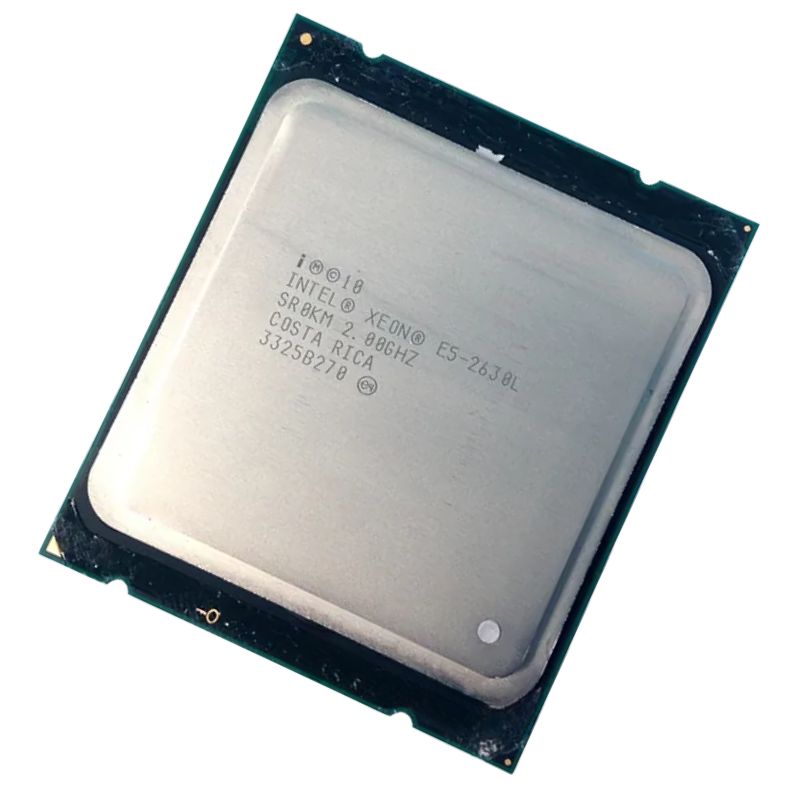


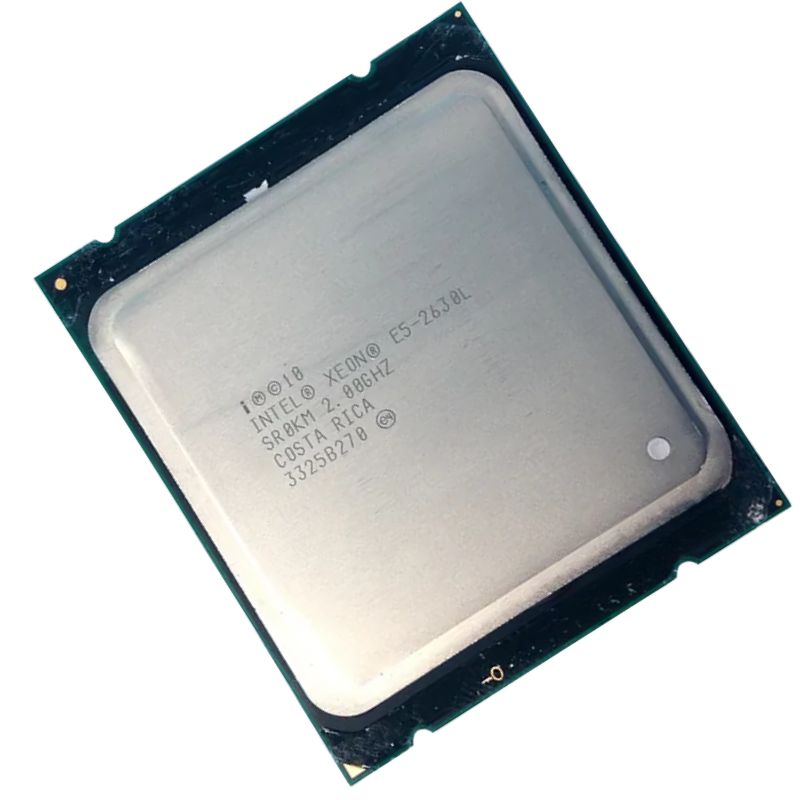
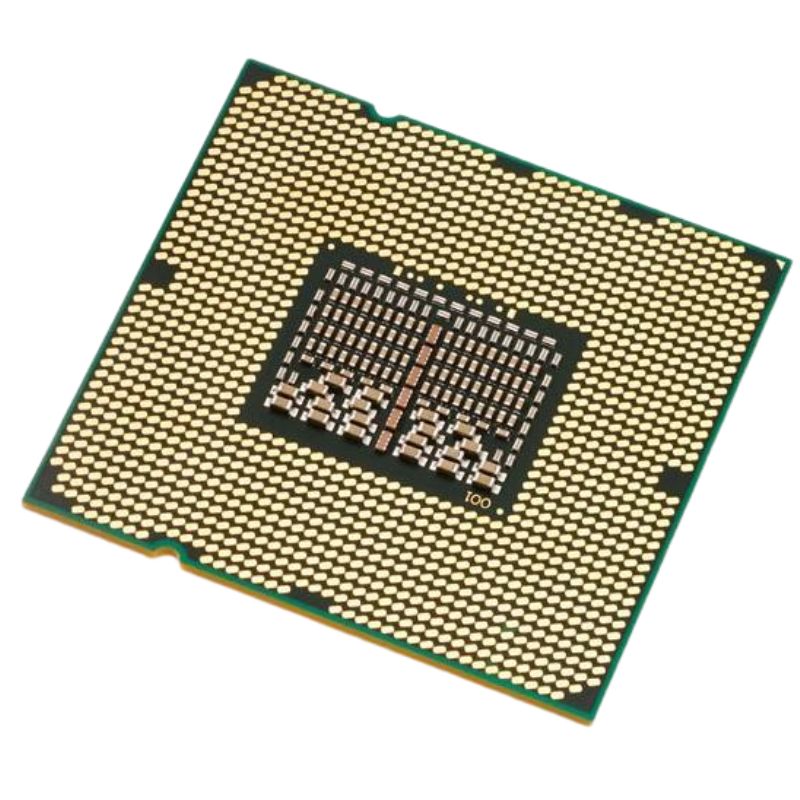
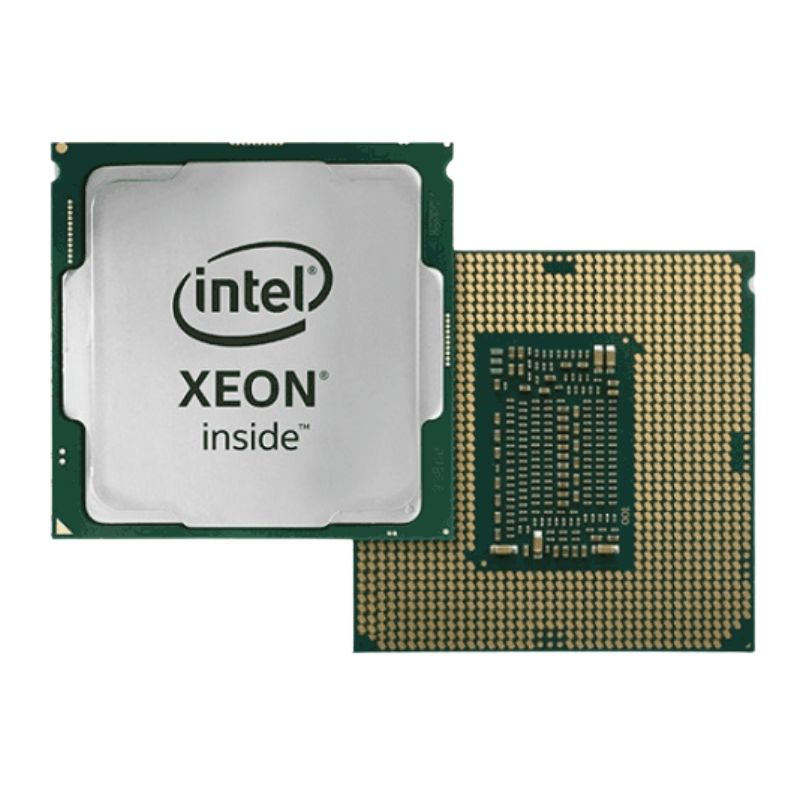
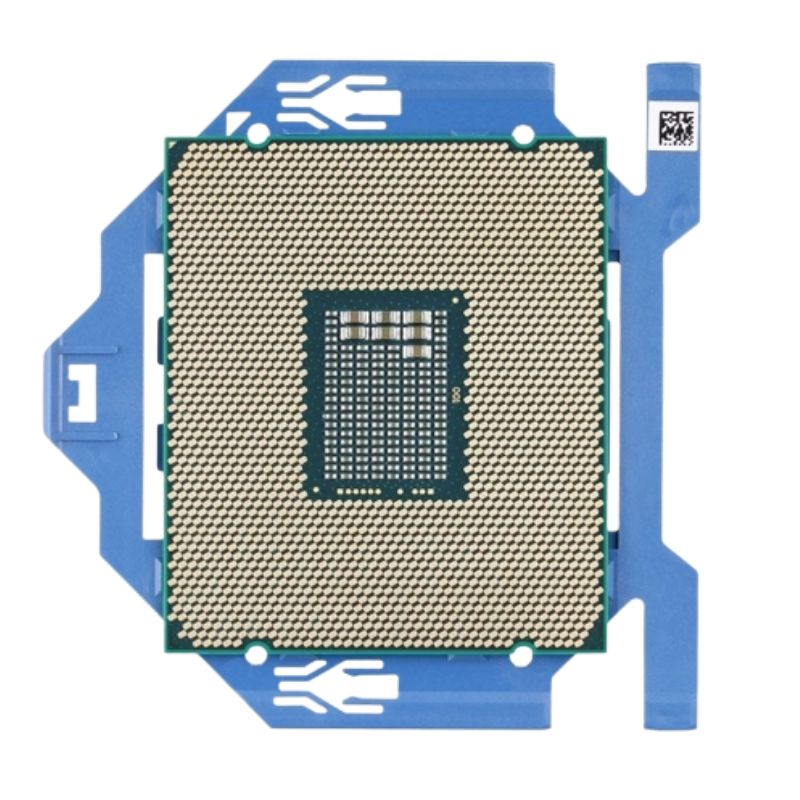
HPE 654768-B21 2.30GHz 7.20GT/s QPI 15MB L3 Cache Socket FCLGA2011 Intel Xeon E5-2630 Hexa-core (6 Core) Processor Kit ProLiant DL360p Gen8. New (System) Pull with 1 year replacement warranty
Product Overview: HPE 654768-B21 Intel Xeon E5-2630 for ProLiant DL360p Gen8
Targeted at enterprise-class servers and data center deployments, the HPE 654768-B21 kit centers on the Intel Xeon E5-2630 hexa-core processor (6 cores) built for the FCLGA2011 socket and optimized for HPE ProLiant DL360p Gen8 platforms. This category of server processors balances efficient multi-threaded throughput, platform compatibility, and predictable thermal and power behavior. The SKU is frequently sought by IT procurement teams looking for dependable, rack-optimized compute that supports virtualization, database workloads, and mixed enterprise applications.
HPE 654768-B21 — Intel Xeon E5-2630 2.30GHz Hexa-core Processor Kit engineered for HPE ProLiant DL360p Gen8 servers. This high-value server CPU delivers balanced multi-threaded performance, energy-aware operation and enterprise-class reliability for virtualization, database workloads and general-purpose rack servers.
Designed to meet demanding datacenter requirements, the HPE 654768-B21 (Intel Xeon E5-2630) combines efficient clocking, substantial L3 cache and a robust QuickPath Interconnect to deliver predictable throughput across mixed workloads.
The E5-2630 is fabricated on a 32 nm process node and built for server reliability. It offers hardware features that accelerate virtualization, memory coherency and workload consolidation.
This CPU is optimized for steady-state server performance rather than aggressive turbo bursts. It excels at parallel workloads where multiple cores are utilized and benefits I/O-heavy and memory-sensitive applications due to its sizable L3 cache and robust QPI speed.
The HPE 654768-B21 is intended for HPE ProLiant DL360p Generation 8 (G8) systems and compatible HPE platforms that accept the FCLGA2011 socket. Verify BIOS and firmware revisions before installation to ensure full compatibility and microcode support.
The HPE 654768-B21 is crafted to integrate with the server firmware and thermal design of the DL360p Gen8 line. That alignment reduces incompatibilities, simplifies spares management, and ensures Intel microcode and HPE BIOS optimizations are applied, which can improve stability, reduce microarchitecture edge cases, and smooth firmware updates. For organizations standardizing on Gen8 hardware, using HPE-branded processor kits reduces unexpected variety in component sourcing.
The E5-2630 excels at multi-threaded enterprise workloads where a balance of per-core performance and core-count efficiency is more valuable than single-thread peak clock speeds. Typical deployment scenarios include:
The 15 MB of shared L3 cache reduces memory-access latency for frequently used datasets and synchronization primitives, which benefits databases, JVM-based applications, and caching layers. The 7.20 GT/s QPI speed provides adequate coherency and data movement performance across multi-socket configurations used in many Gen8 server variants. When paired with appropriate memory configurations (balanced RDIMM/LRDIMM population per HPE memory population rules), the processor demonstrates consistent throughput for both single-threaded and threaded workloads.
Because this is an HPE-supplied kit, it is validated against the ProLiant DL360p Gen8 server platform. Compatibility considerations include:
Applying vendor-provided BIOS and firmware updates ensures the processor benefits from microcode improvements, security mitigations, and platform stability patches. This is particularly relevant for enterprise customers concerned with long-term supportability and compliance. HPE system maintenance packs and iLO update bundles typically include the necessary updates for Gen8 systems.
For dense rack deployments, plan for airflow, ambient temperature, and power distribution. The DL360p Gen8 is designed for 1U rack density; thus, heat dissipation and power provisioning are critical to maintaining consistent clocking under load. Thermal throttling can occur if intake air temperatures or exhaust pathways are obstructed. Use HPE recommended blanking panels, airflow baffles, and validated cooling strategies.
Pairing the E5-2630 with the correct memory configuration unlocks balanced bandwidth and latency. Key points:
For I/O-intensive workloads, equip the server with high-throughput NICs (10GbE or higher) and HPE-qualified storage controllers. The Xeon E5 family provides PCIe lanes and chipset interconnects to support common enterprise I/O stacks. Proper selection of HBA or RAID controllers and their firmware levels can substantially affect storage latency and throughput benchmarks.
E5-class processors and HPE ProLiant servers include RAS capabilities designed for enterprise uptime:
Energy-conscious datacenters value processors with a favorable performance-per-watt balance. The E5-2630 sits in a class that enables efficient consolidation of virtual machines and workloads without excessive peak power draw. To maximize energy efficiency:
When planning deployments, include CPU power draw, memory population, storage, and peripheral cards in your power and cooling budget. Overlooking these components can lead to unexpected tripping of power distribution units (PDUs) or thermal throttling events.
Processor-level vulnerabilities occasionally require microcode updates and firmware mitigations. Maintain an inventory of microcode levels applied to servers and coordinate security patches with application maintenance windows to reduce risk of performance regression. HPE advisories and Intel security bulletins should be part of a routine patching strategy.
Enable platform-level features such as Secure Boot, TPM presence, and iLO security hardening in accordance with your organization’s security policies. These mechanisms support system integrity verification and help prevent unauthorized firmware tampering.
When evaluating the E5-2630 kit against other processor SKUs, consider the following comparative axes:
For organizations needing more threads or higher per-core throughput, consider stepping up to higher-tier Xeon E5 parts validated for the same platform or transitioning to newer generation servers if larger performance improvements, memory capacity, or newer I/O standards (NVMe, PCIe Gen3/Gen4) are required.
Procurement decisions should weigh upfront hardware cost, software licensing (which can be influenced by core counts), energy consumption, and expected refresh cycles. The E5-2630 provides a cost-effective combination of cores and cache for environments where predictable, mid-range compute density is desired. Consolidation benefits may reduce license and operational expenses compared to a larger number of lower-capacity hosts.
Illustrative use cases where the HPE 654768-B21 kit aligns well:
Implement asset tagging, centralized monitoring, and scheduled preventative maintenance. Keep spare kits and validated parts on hand in line with your Mean Time To Repair (MTTR) goals, and ensure staff or managed service providers follow HPE-recommended replacement procedures to minimize downtime.
Use this content block on product category pages, parts catalogs, or technical landing pages to target both technical buyers and procurement professionals searching for validated HPE CPU kits, server upgrades, and ProLiant Gen8 replacement parts. The combination of vendor-specific identifiers, technical details, deployment guidance, and best-practice recommendations helps search engines map user intent to this SKU while providing actionable information for IT operators and decision-makers.


 Contact Us
 Information
 Catalog
 Solid State Drives (SSD)
 Network Switches
 Hard Disk Drives
 HBA & Controllers
 PC & Servers
 PC & Server Memory
 CPU & Processors
 Network Routers
 Power Supplies
 Tape Drives & Libraries
 Network Devices
 Computer & Network Cables