(7% discount is applied at checkout)
Cart is empty
Your go-to destination for cutting-edge server products
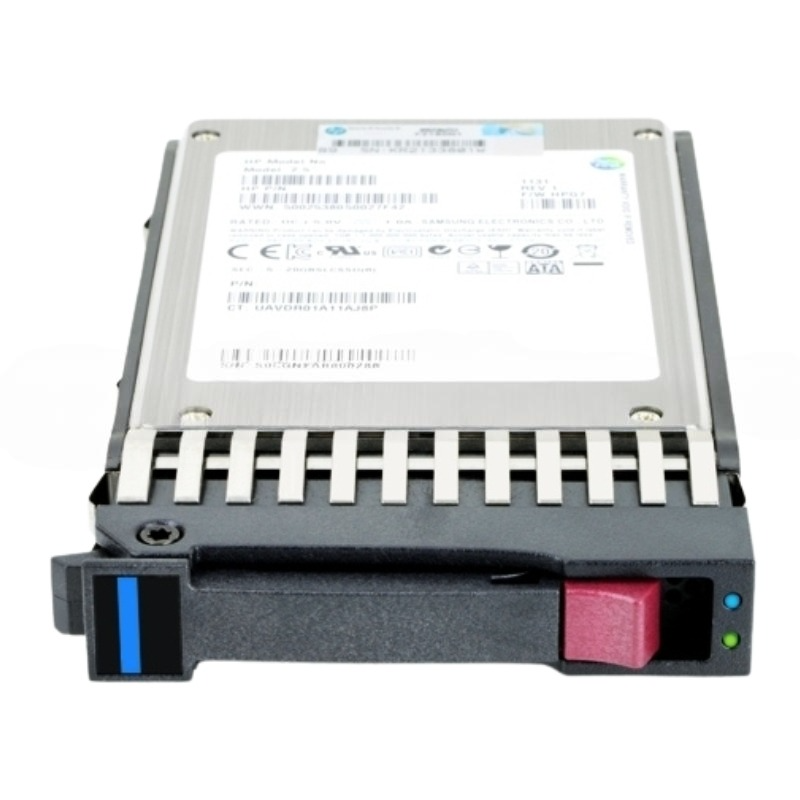


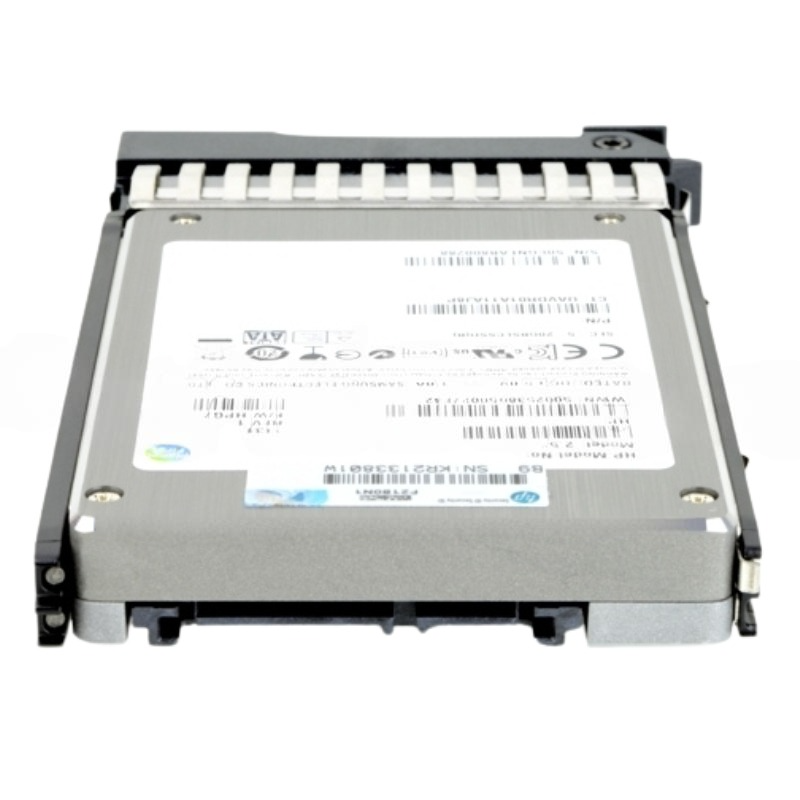
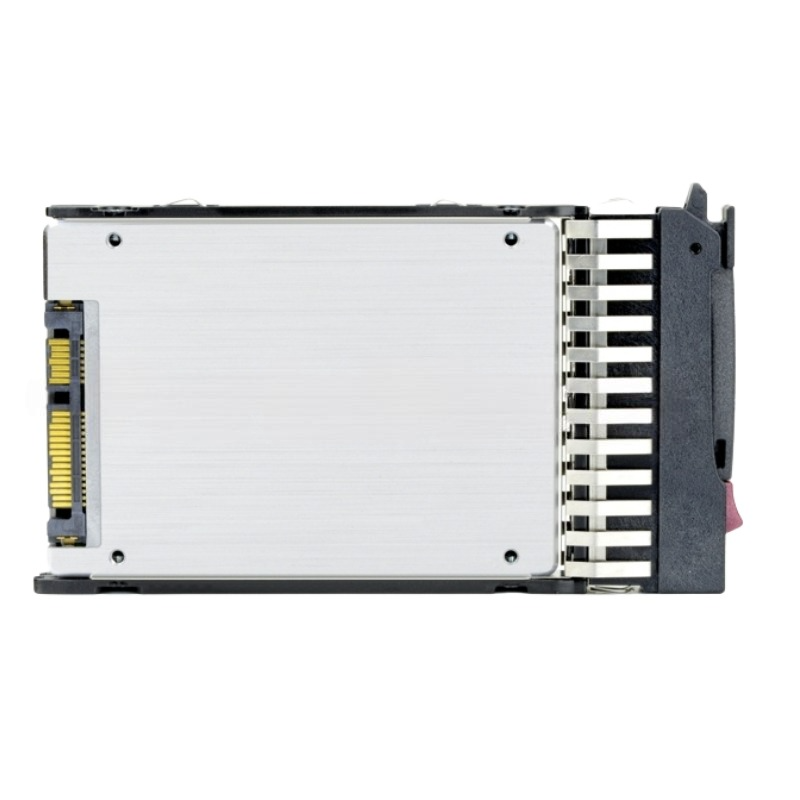
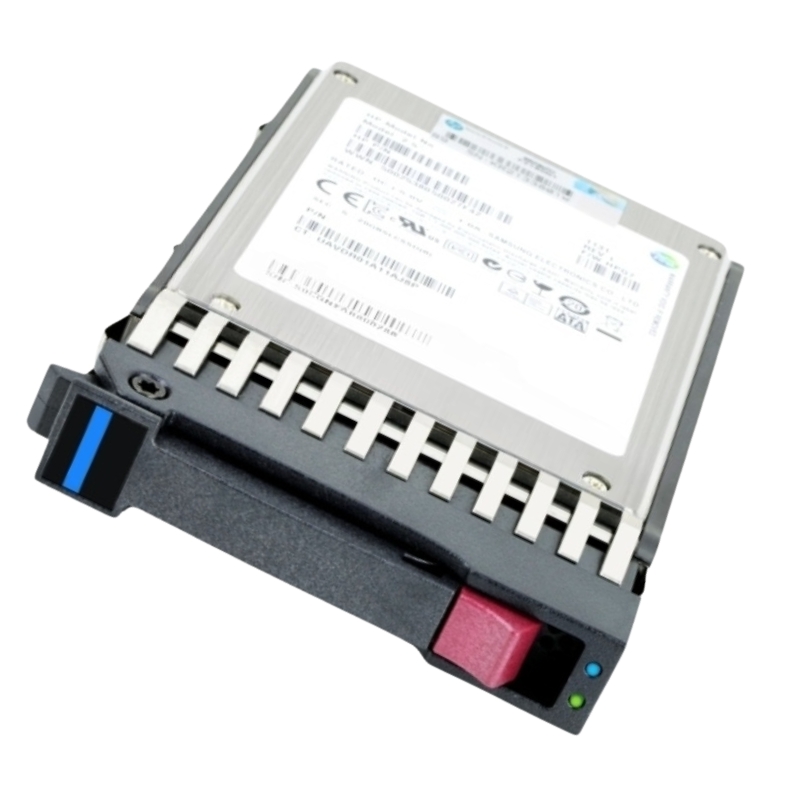
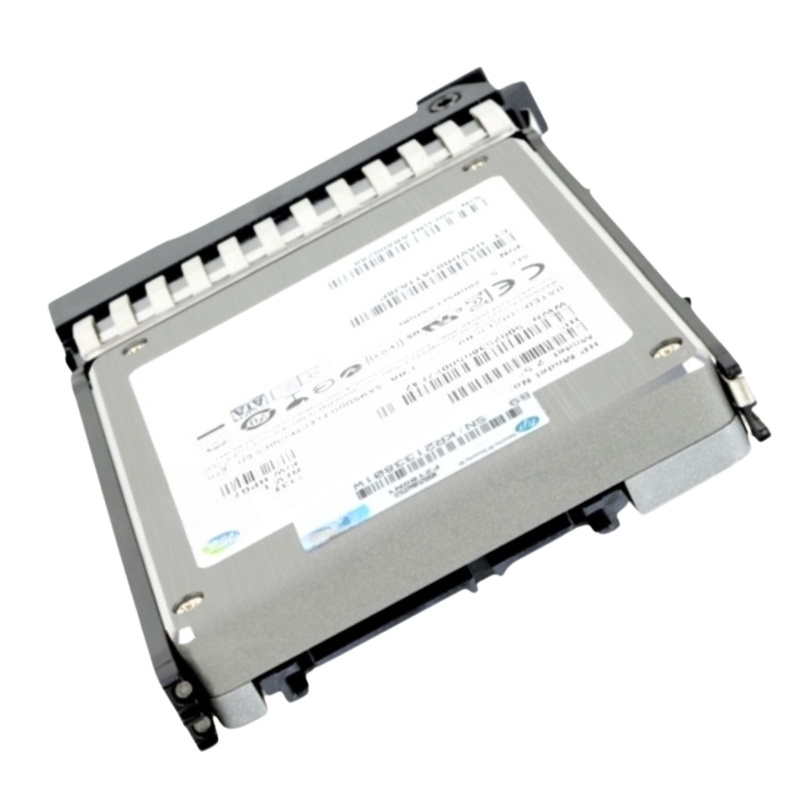
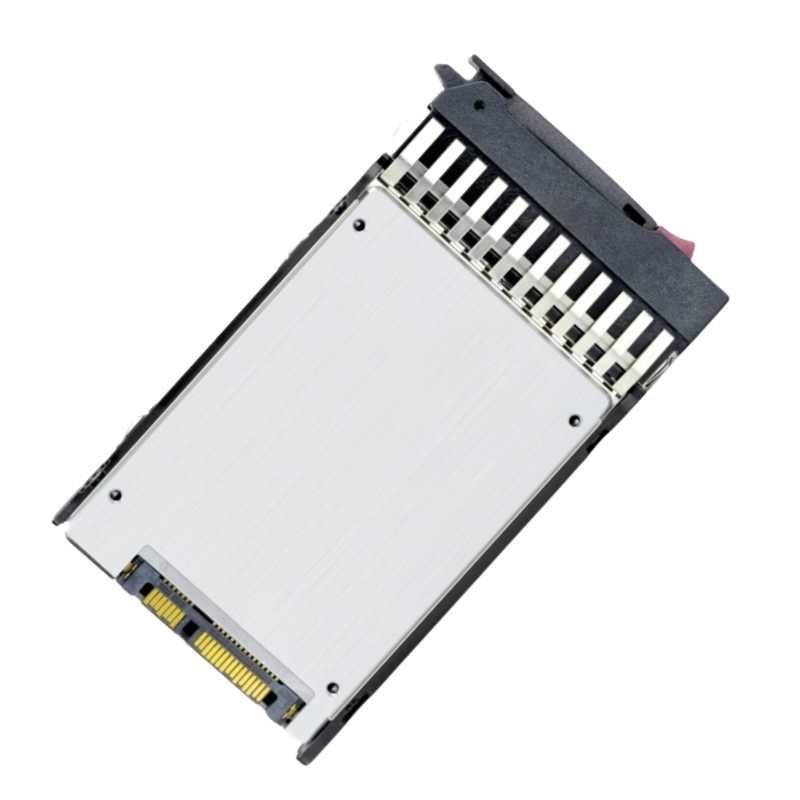
HPE 691856-B21 400GB SATA 6GBPS 3.5inch LFF Multi Level Cell Mlc Smart Carrier SSD. Excellent Refurbished with 1 year replacement warranty
The HPE 691856-B21 is a high-performance 3.5-inch LFF Solid State Drive designed for enterprise-grade servers and storage arrays. Built for reliability and speed, this Multi-Level Cell (MLC) SATA SSD is perfect for mixed-use workloads, ensuring consistent performance across demanding applications.
The HPE 691856-B21 SSD delivers a balance of speed, endurance, and energy efficiency. Its MLC technology ensures long-lasting performance, suitable for enterprise servers that require consistent I/O throughput. Ideal for databases, virtualization, and mixed-use workloads, it supports high-demand storage environments without compromising reliability.
This HPE SSD is engineered for seamless integration with a wide range of HPE ProLiant servers, storage arrays, and StoreEasy solutions:
The HPE 691856-B21 400GB SATA 6Gbps 3.5-inch LFF Multi Level Cell (MLC) Smart Carrier SSD occupies a focused niche within enterprise storage: a high-reliability, mid-capacity solid-state drive optimized for mixed workloads where the balance of performance, endurance, and cost matters. This category—enterprise MLC SATA SSDs in a 3.5-inch large form factor with a carrier—is designed to serve data center applications that require predictable low-latency reads, consistent small-block I/O performance, and the operational simplicity of SATA interconnects at 6 gigabits per second. The inclusion of a “Smart Carrier” or tray emphasizes ease of installation and enterprise-grade serviceability in rack and tower servers, storage enclosures, and hybrid arrays where bays accept 3.5-inch devices.
At its core, this SSD category prioritizes a set of characteristics that enterprise buyers and systems integrators expect: higher endurance than consumer drives thanks to MLC flash cells and enterprise-focused firmware; compatibility with legacy SATA ecosystems; a mechanical 3.5-inch LFF form factor for older chassis and storage drawers; and a carrier-enabled design that simplifies hot-swap maintenance and labeling. The 400GB capacity positions the drive as a middle-ground option—large enough to store hot datasets and database partitions yet small enough to enable tiered storage strategies where cost-per-GB is carefully managed. With SATA 6Gbps throughput, the interface provides broad compatibility and deterministic behavior for controllers and RAID cards that may not fully exploit NVMe lanes but still need solid state performance gains over spinning media.
Performance for a 400GB SATA 6Gbps MLC SSD is best understood in the context of the workloads it targets. Sequential throughput under the SATA 6Gbps physical layer can approach the upper bounds of the interface for large I/O sizes, but enterprise value in this class often lies in low-latency small-block I/O performance—database lookups, virtualization storage for virtual machine OS disks, web-serving file systems, and small-object content stores. In mixed-use scenarios where both reads and writes occur frequently, intelligent caching, firmware-level write coalescing, and over-provisioning boost sustainable IOPS. Because this drive uses an LFF form factor it is often deployed in systems that have historically relied on 3.5-inch HDDs; replacing spinning media with an SSD of this form factor yields dramatic reductions in latency, increased IOPS, and improved reliability metrics without requiring chassis redesign.
Enterprise administrators should expect consistently low read latencies on well-managed SATA controllers. Write latency and write amplification are influenced by the drive’s over-provisioning and internal garbage collection behavior. In sustained random write-heavy workloads, MLC SSDs of this class are engineered to preserve performance over time by deferring and smoothing internal maintenance tasks. In practice, the drive’s reported IOPS figures for mixed workloads are material for application responsiveness—resulting in faster database transactions, quicker VM boot times, and improved user experience for I/O-bound services. For environments that demand absolute peak throughput, NVMe devices may be preferred, but for mixed environments with broad SATA compatibility needs, this category is a pragmatic and cost-effective choice.
One of the strongest selling points of the 3.5-inch Smart Carrier SSD category is compatibility. Many enterprise servers, legacy storage shelves, and disk bays are physically and electrically designed for 3.5-inch drives. Using a carrier simplifies drop-in replacement: drives can be hot-swapped in front-access bays, leverage existing cabling and backplanes, and remain visible to management frameworks designed for SATA devices. The “Smart Carrier” element often includes mechanical aids—snap-and-lock trays, carrier-mounted LEDs, and labeling space—that speed service operations. Typical deployment scenarios include upgrading read-intensive RAID arrays, populating hybrid storage tiers in caching or hot-tier roles, accelerating backup/restore scratch spaces, and serving as boot storage for management nodes or infrastructure appliances.
Interoperability is central to this category. Systems integrators appreciate drives that adhere to established SATA standards and HPE’s hardware compatibility matrices. In multi-vendor data centers, using a SATA 6Gbps MLC drive reduces surprises during firmware upgrades and RAID controller rollouts. Administrators should consult server vendor compatibility lists for firmware packs and validated configurations, but generally these drives will work with common enterprise RAID controllers and software RAID stacks. When used behind RAID controllers, considerations include stripe size, queue depth, read-ahead, and write-back policies—settings that influence how the drive’s internal behavior is exposed at the system level.
Hybrid arrays rely on a mix of spinning and solid-state media to balance capacity and performance. The 400GB MLC SATA SSD is an excellent candidate for the hot tier: storing frequently accessed blocks, metadata, and write buffers. Tiering software can automatically migrate hot data to these SSDs while colder, rarely accessed data remains on higher-capacity HDDs. Because the drive preserves reasonable endurance characteristics, administrators can confidently use it for frequently rewritten metadata and cache layers. Deployments that combine several of these drives into RAID groups or logical pools can achieve both the low-latency benefits of flash and the larger aggregate capacity required for enterprise workloads.
Thermal management is a practical concern for high-density server trays where multiple SSDs are installed. While SSDs generate less heat than high-performance HDDs under sustained sequential workloads, the density of many drives in a chassis can create hotspots. The large form factor (3.5-inch) offers more surface area for heat dissipation and often benefits from carrier designs that allow airflow and label orientation consistent with chassis cooling paths. Administrators should plan for adequate airflow, monitor drive temperatures via SMART telemetry, and avoid placing drives in bays with restricted ventilation. Mechanical robustness—shock and vibration tolerance—is another benefit of enterprise SSD designs, making them suitable for carrier-based deployments and mobile rack scenarios where drives may be serviced frequently.
Choosing a 3.5-inch LFF SSD over a 2.5-inch counterpart is sometimes driven by legacy chassis constraints. The trade-off includes the convenience of compatibility versus potential differences in density: 3.5-inch bays may limit the number of drives per chassis compared to 2.5-inch dense sleds. However, for many mid-tier servers and storage arrays, the simplicity of direct replacement into existing 3.5-inch slots outweighs density considerations and avoids the cost and effort of retrofitting backplanes or carriers designed for smaller drives.
Security is a central concern in enterprise storage. This category of SSDs commonly supports hardware-based features such as secure erase functions and optional encryption capabilities, depending on the specific model and firmware. Secure erase enables certified sanitization of data prior to redeployment or return-to-vendor procedures. When integrated with systems that support TCG Opal or other drive-based encryption standards, these SSDs can contribute to a layered data security approach. For organizations requiring regulatory compliance, combining SSD-level security with host-based encryption and secure deletion workflows helps meet audit and data protection requirements.
To maximize the value of 400GB MLC SATA SSDs in enterprise environments, follow several best practices: align RAID levels to workload characteristics, avoid oversubscription of write-intensive tasks to a small pool of drives, ensure firmware and platform drivers are kept current, and implement monitoring that tracks both SMART attributes and host-level metrics such as average queue lengths and I/O latency. Over-provisioning at the logical level—reserving a portion of capacity to reduce write amplification—can also extend the effective life of MLC-based devices. Regularly review workload patterns and rebalance hot data across multiple drives to avoid localized wear-out.
Even with highly reliable SSDs, robust backup and snapshot strategies remain indispensable. Use snapshots for point-in-time recovery and backups for long-term retention. For SSD-accelerated volumes, snapshot granularity can be finer, enabling quicker recovery operations and reduced RPO (recovery point objective). Incorporate SSD-aware backup tools that understand instantaneous I/O patterns and avoid unnecessary write amplification during backup windows. Where possible, use replication to remote sites or cloud storage to protect against site-wide failures and to support disaster recovery objectives.


 Contact Us
 Information
 Catalog
 Solid State Drives (SSD)
 Network Switches
 Hard Disk Drives
 HBA & Controllers
 PC & Servers
 PC & Server Memory
 CPU & Processors
 Network Routers
 Power Supplies
 Tape Drives & Libraries
 Network Devices
 Computer & Network Cables