Your go-to destination for cutting-edge server products
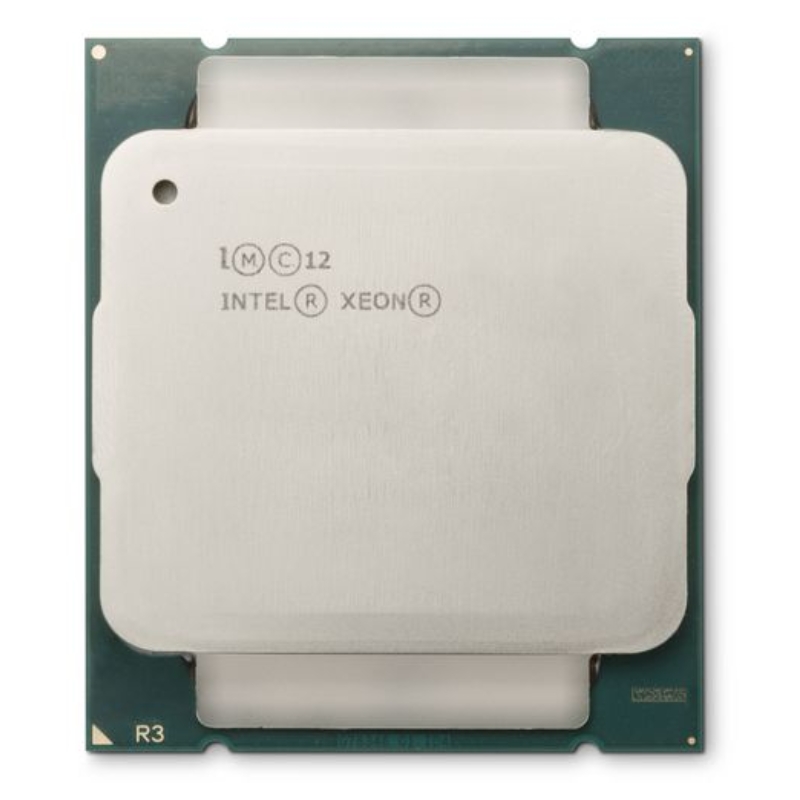
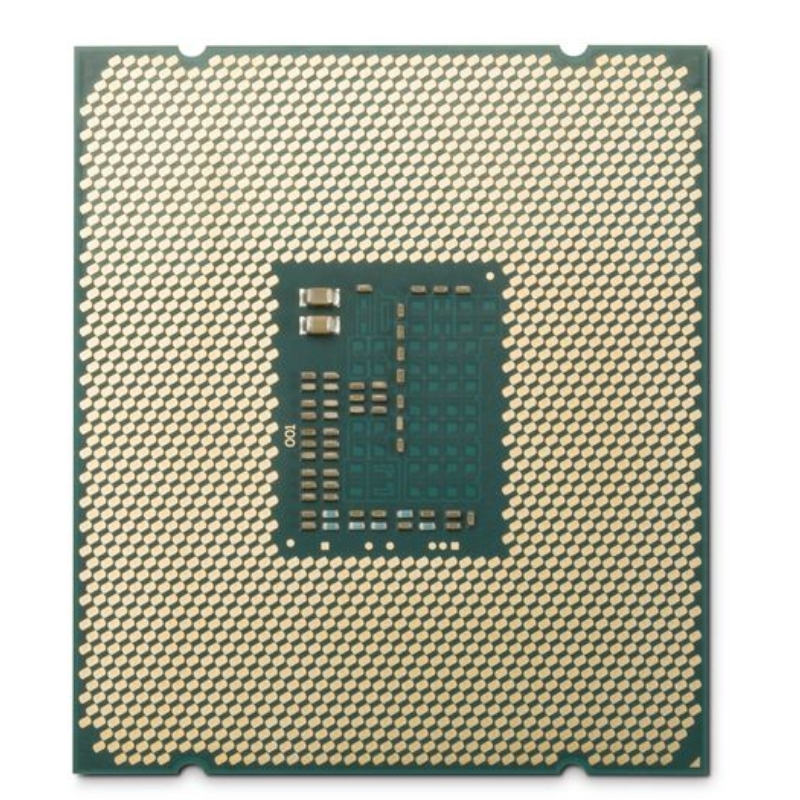
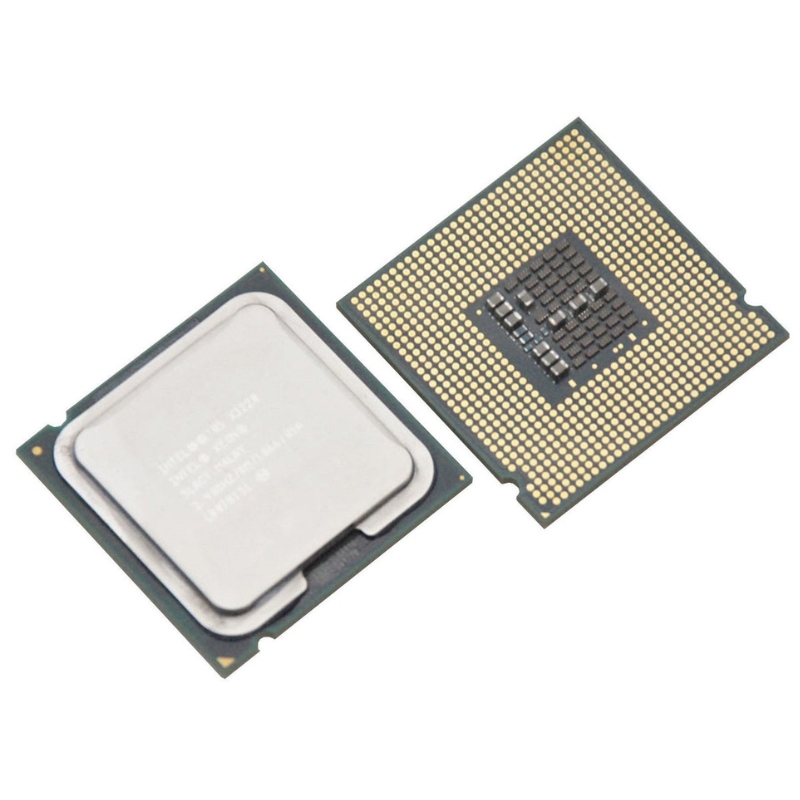
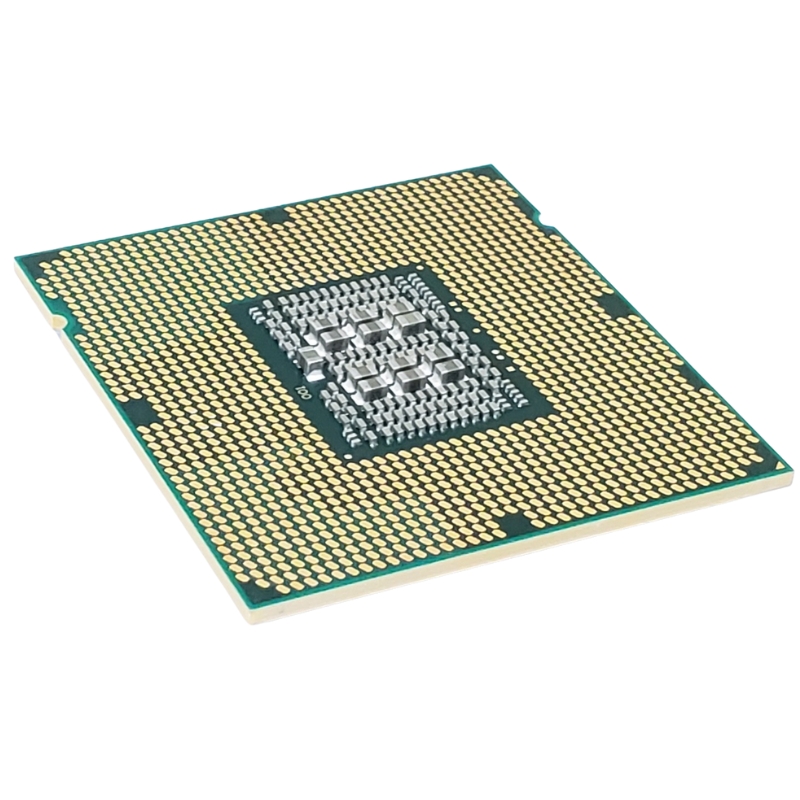
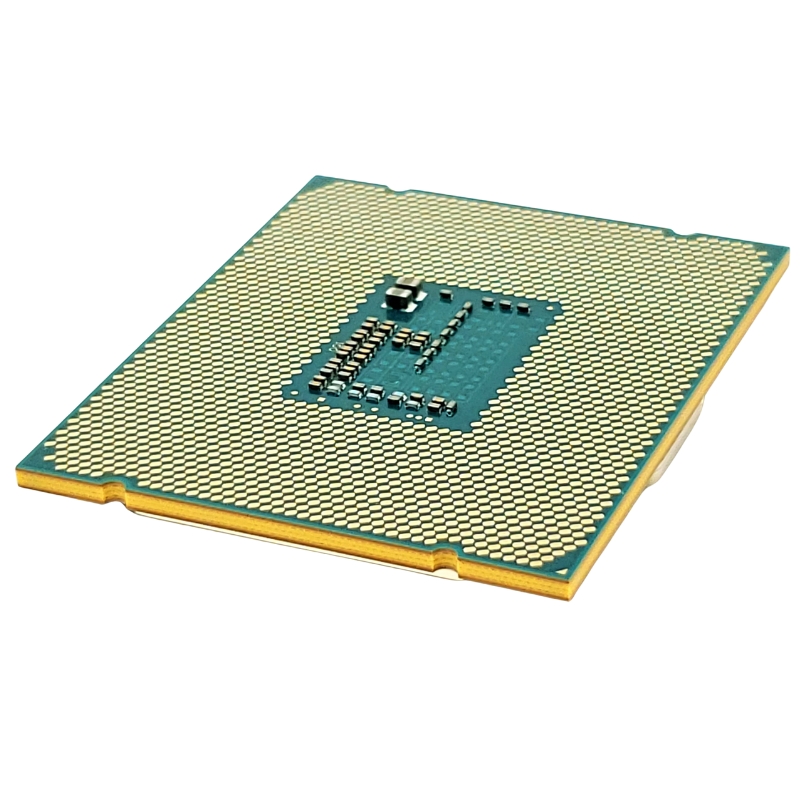
726654-B21 HPE Intel Xeon E5-2630v3 2.4GHz 8-Core Processor.

726654-B21
* Product may have slight variations vs. image
Hover on image to enlarge

Brief Overview of 726654-B21

HPE 726654-B21 ML350 Gen9 Intel Xeon E5-2630v3 2.4GHz 8-core 20MB 85W Processor. New (System) Pull with 1 year replacement warranty.

$217.35
$161.00
You save: $56.35 (26%)
Ask a question
Price in points: 161 points
+
Quote

Additional 7% discount at checkout

SKU/MPN726654-B21Availability✅ In StockProcessing TimeUsually ships same day ManufacturerHPE Product/Item ConditionNew (System) Pull ServerOrbit Replacement Warranty1 Year Warranty
Google Top Quality Store Customer Reviews
Our Advantages
Payment Options
  • — Visa, MasterCard, Discover, and Amex
  • — JCB, Diners Club, UnionPay
  • — PayPal, ACH/Bank Transfer (11% Off)
  • — Apple Pay, Amazon Pay, Google Pay
  • — Buy Now, Pay Later - Affirm, Afterpay
  • — GOV/EDU/Institutions PO's Accepted 
  • — Invoices
Delivery
  • — Deliver Anywhere
  • — Express Delivery in the USA and Worldwide
  • — Ship to -APO -FPO
  • For USA - Free Ground Shipping
  • — Worldwide - from $30
Description

Product overview — HPE 726654-B21 for ProLiant ML350 Gen9

The Intel® Xeon® E5-2630v3 is a server-grade processor engineered to provide outstanding performance, scalability, and energy efficiency for enterprise workloads. With six physical cores and support for up to 16 simultaneous threads, this CPU is designed to handle virtualization, cloud computing, and demanding database applications seamlessly.

Technical specifications

  • HPE part number: 726654-B21
  • Processor: Intel Xeon E5-2630 v3
  • Base Clock: 2.4 GHz
  • Cores / Threads: 8 / 16 (with Hyper-Threading)
  • L3 Cache: 20 MB
  • TDP: 85 W
  • Socket: LGA 2011-v3
  • Memory: DDR4 RDIMM/LRDIMM, ECC
  • Platform: HPE ProLiant ML350 Gen9
  • Features: Intel Turbo Boost, Intel Hyper-Threading, Intel AES-NI

Performance and Efficiency

Delivering a balance between performance and power consumption, the Xeon E5-2630v3 ensures reliable output for a wide range of business-critical tasks. With Intel’s advanced Hyper-Threading technology, it allows parallel processing that enhances throughput while maintaining optimized energy usage.

Key Advantages

  • Optimized for virtualization and cloud data centers
  • Improved multitasking capabilities with 16 threads
  • Efficient 22nm Haswell microarchitecture
  • Lower power draw with 85W TDP design

Advanced Features

  • QuickPath Interconnect Speed: 8 GT/s
  • 64-bit Instruction Set Support
  • Virtualization-ready performance
  • High scalability for enterprise applications

Reliability in Enterprise Systems

As part of the Intel Xeon family, this CPU is built to provide dependable stability for mission-critical server operations. The combination of robust architecture and advanced cache design ensures smooth data handling and fast response times in multi-user environments.

Benefits in Business Applications
  • Enhanced workload distribution across multiple cores
  • Reduced downtime with consistent performance
  • Scalable to meet future IT demands
  • Compatibility with HPE ProLiant Gen9 servers

Cache and Memory Efficiency

Featuring 20MB of Level-3 cache, the Xeon E5-2630v3 delivers quicker access to frequently used data, lowering latency across workloads. Its intelligent caching system plays a key role in optimizing performance in high-volume data processing environments.

Main Reasons to Select This Processor

  • Trusted Intel Xeon reliability
  • Strong balance of speed and efficiency
  • Proven compatibility with enterprise-grade platforms
  • Optimized for virtualization, databases, and business-critical tasks

Compatibility

The HPE 726654-B21 is offered as a factory-validated processor option for the ML350 Gen9. HPE validates firmware, power profiles, and system firmware (iLO and BIOS) with this CPU to ensure stable operation in enterprise environments. For system integrators and IT buyers, native compatibility reduces deployment time and minimizes unexpected incompatibility issues during firmware updates or high-load operations.

Platform requirements

  • HPE ProLiant ML350 Gen9 chassis and supported system BIOS/iLO versions.
  • Appropriate heatsink and thermal solution rated for 85 W TDP as specified by HPE.
  • Compatible memory (DDR4 RDIMM / LRDIMM) and voltage regulator modules (VRMs) on the Gen9 motherboard.
  • Firmware updates: verify iLO/BIOS and system ROM are up-to-date to ensure microcode support for the v3 family.

Firmware and microcode: practical note

Before placing the processor into production, update server firmware (System ROM / iLO) to versions that list support for Intel Xeon E5 v3 processors. This mitigates issues with power management, C-states, and Turbo behavior, and ensures accurate sensor reporting.

Performance profile — what to expect

The E5-2630 v3 is targeted at mainstream server workloads where sustained multi-threaded performance is more valuable than peak single-thread clocks. The 8-core / 16-thread configuration, together with 20 MB L3 cache, provides competitive throughput for virtualization, database query loads, application servers, and mid-tier web services.

Virtualization and consolidation

With Hyper-Threading and robust cache, the processor enables efficient virtual machine density in the ML350 Gen9. Typical use cases include:

  • Small-to-medium virtualization hosts (VMware ESXi, Microsoft Hyper-V, KVM).
  • Container hosts where CPU scheduling favors many concurrent light-weight tasks.
  • Mixed workload consolidation where balancing CPU, memory, and I/O matters more than single-thread peak clocks.

Application workloads

  • Database processing: good for OLTP or read-heavy OLAP when matched with fast storage and tuned memory configurations.
  • Web and application tiers: supports multi-threaded application servers and microservice clusters.
  • Batch and analytics: suitable for smaller batch jobs or parallelized ETL work — larger analytics clusters may prefer higher-core SKUs.

Performance tuning tips

  • Enable Turbo Boost for latency-sensitive loads and disable aggressive power capping when running sustained heavy workloads.
  • Use current BIOS microcode levels to ensure accurate CPU power and frequency management.
  • Balance CPU and memory: choose RDIMM or LRDIMM configurations supported by HPE to maximize DDR4 bandwidth.

Power, thermals and efficiency

At an 85 W TDP, the E5-2630 v3 sits in a sweet spot: lower thermal envelope than higher-tier 120–165 W SKUs, but with enough performance for many enterprise scenarios. Less TDP can reduce cooling costs and enable denser rack consolidation when combined with HPE’s thermal management features.

Cooling and heatsink guidance

  • Use HPE-specified heatsink and retention hardware for ML350 Gen9 — aftermarket coolers are not recommended for production servers.
  • Ensure adequate chassis airflow by following HPE layout: front-to-back airflow and properly seated drive bays.
  • Monitor CPU inlet/outlet temperatures via iLO sensor readings to detect sustained thermal throttling early.

Power management profiles

HPE iLO provides dynamic power management settings — choose from maximum performance, balanced, or power-saver modes depending on workload. For virtualized hosts, a balanced profile typically yields the best compromise between latency and energy consumption.

Memory and I/O considerations

The ML350 Gen9 platform paired with the E5-2630 v3 supports DDR4 memory with ECC — a crucial feature for server reliability. Memory channel utilization and DIMM population rules greatly influence real-world throughput; choose RDIMM/LRDIMM density and speed per HPE compatibility matrices.

Recommended memory configurations

  • Populate memory channels evenly for maximum memory bandwidth and lowest latency.
  • Prefer ECC RDIMMs for mission-critical workloads; LRDIMMs if very high capacity per socket is required.
  • Follow the server quickspecs for maximum supported memory speed per population (e.g., 2133 MT/s or 1866 MT/s depending on DIMM type).

I/O expansion and storage connectivity

The ML350 Gen9 chassis offers multiple PCIe slots and HPE Smart Array controllers. When using the E5-2630 v3, ensure that I/O lane allocation and riser cards are configured to meet throughput requirements for NVMe, SAS, or HBA connections. Many deployments pair this processor with dual-port NVMe or SAS controllers for balanced storage performance.

Reliability, availability, serviceability (RAS)

Server-grade CPUs like the E5-2630 v3 together with HPE ProLiant servers include features aimed at enterprise RAS: ECC memory support, enhanced machine check architecture (MCA), and firmware-driven health checks. Using manufacturer-approved parts such as the 726654-B21 preserves warranty coverage and simplifies RMA processes.

Enterprise features

  • ECC memory and error-correcting capabilities to reduce data corruption risk.
  • Intel AES-NI for accelerated cryptographic operations — helpful for encrypted storage or TLS offloading workloads.
  • Platform health monitoring via HPE iLO and integrated sensors.

Serviceability notes

When servicing or upgrading CPUs, follow HPE static procedures and torque specifications. Record firmware versions and any configuration changes for future troubleshooting. For dual-socket configurations, ensure matched processor families and firmware support to avoid NUMA or unexpected scheduler behavior.

Deployment scenarios and recommended use-cases

The HPE 726654-B21 is frequently chosen for these deployment patterns:

  • Branch and remote offices: cost-efficient compute for local application hosting and file services.
  • Small-to-medium business (SMB) data centers: general-purpose server roles like AD, DNS, file services, print, and internal web apps.
  • Virtualized edge hosts: running a handful of VMs or containers with predictable resource demands.
  • Test and development environments: balances cost and performance for CI/CD runners and developer sandboxes.

Installation, handling, and best practices

Proper handling and installation extend component life and reduce early failures. The following practical steps help ensure a clean installation of the HPE 726654-B21 processor into ML350 Gen9 systems.

Step-by-step checklist

  1. Power off the server and disconnect all external power sources.
  2. Ground yourself to prevent ESD damage; use an ESD wrist strap when available.
  3. Remove the existing heatsink or CPU cover per HPE instructions.
  4. Verify socket type (LGA 2011-v3) and pin integrity prior to seating the CPU.
  5. Apply the HPE-recommended thermal interface material (TIM) and affix the heatsink using the specified torque sequence.
  6. Re-flash or update BIOS/iLO if recommended by HPE for this CPU family.
  7. Run a post-installation health check via iLO and stress the system under controlled conditions to validate stability.

Maintenance, monitoring and lifecycle management

Regular maintenance ensures predictable performance. Use HPE OneView or iLO to collect telemetry, schedule firmware updates, and track component health. Store spare CPUs in anti-static bags at recommended humidity and temperature ranges.

Monitoring checklist

  • Track maximum core temperatures and TjMax thresholds.
  • Monitor iLO logs for corrected and uncorrected memory errors.
  • Use SNMP/REST APIs to integrate server health into central monitoring solutions.

Alternatives and upgrade paths

If you need greater core density or newer instruction sets, consider higher-tier E5 v3 SKUs (e.g., 10–12 core variants) or migrating to later Intel Xeon generations (v4/v5) or equivalent AMD EPYC platforms if your infrastructure roadmap includes a platform change. When upgrading within the ML350 Gen9 family, confirm server firmware and power delivery can support the alternative SKU.

Security and firmware considerations

Like all Intel server CPUs, keeping firmware and firmware-attached microcode current is key for both performance and security. Review HPE advisories for microcode updates, and apply security patches for vulnerabilities that may affect speculative execution or side-channel mitigations. Where applicable, balance microcode mitigations with performance needs.


Operational security best-practices

  • Subscribe to HPE security bulletins and deploy critical firmware updates during maintenance windows.
  • Use HPE iLO secure access features (two-factor authentication, TLS) to protect remote management channels.
  • Document baseline performance before and after microcode updates to detect regressions early.


Features
Product/Item Condition:
New (System) Pull
ServerOrbit Replacement Warranty:
1 Year Warranty