(7% discount is applied at checkout)
Cart is empty
Your go-to destination for cutting-edge server products
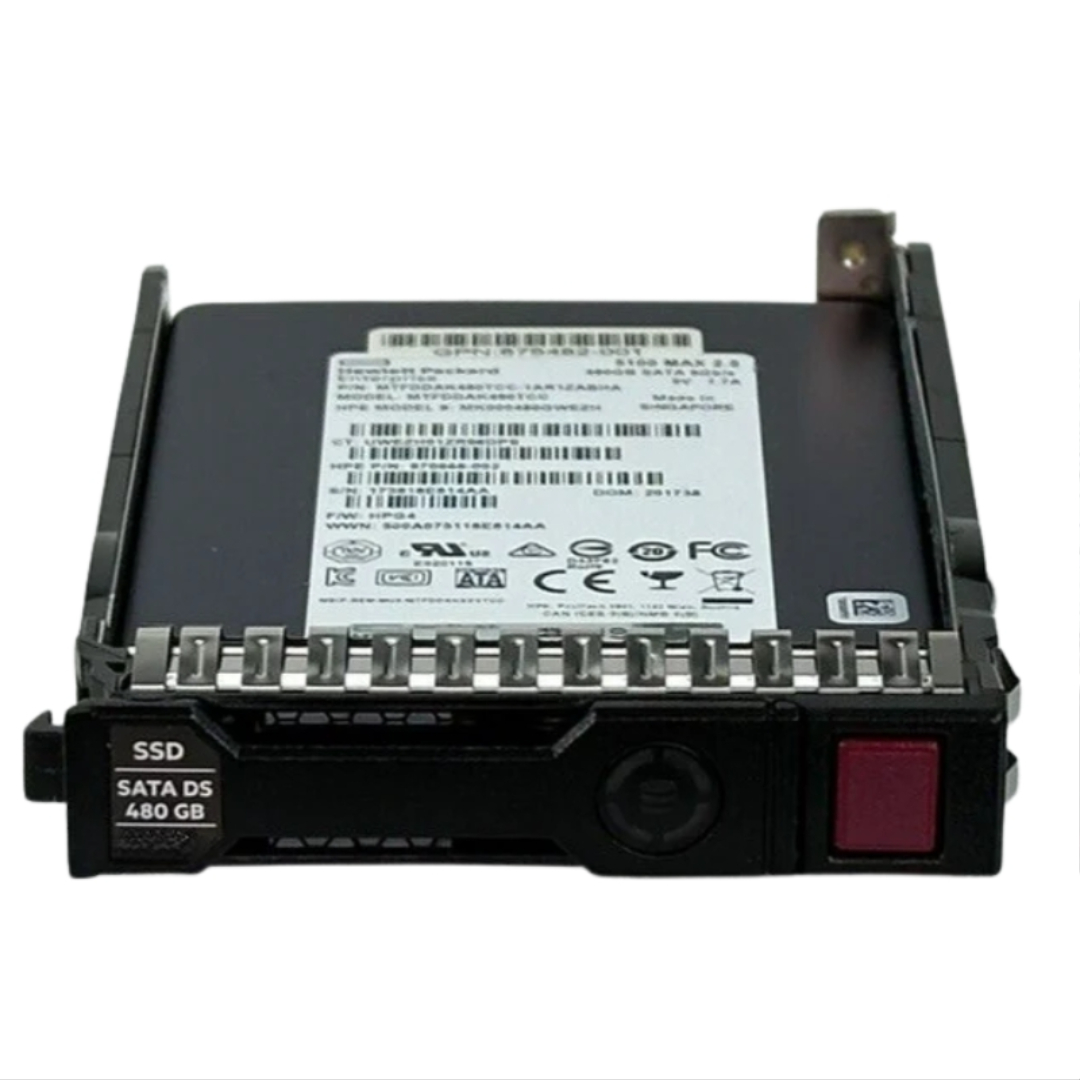


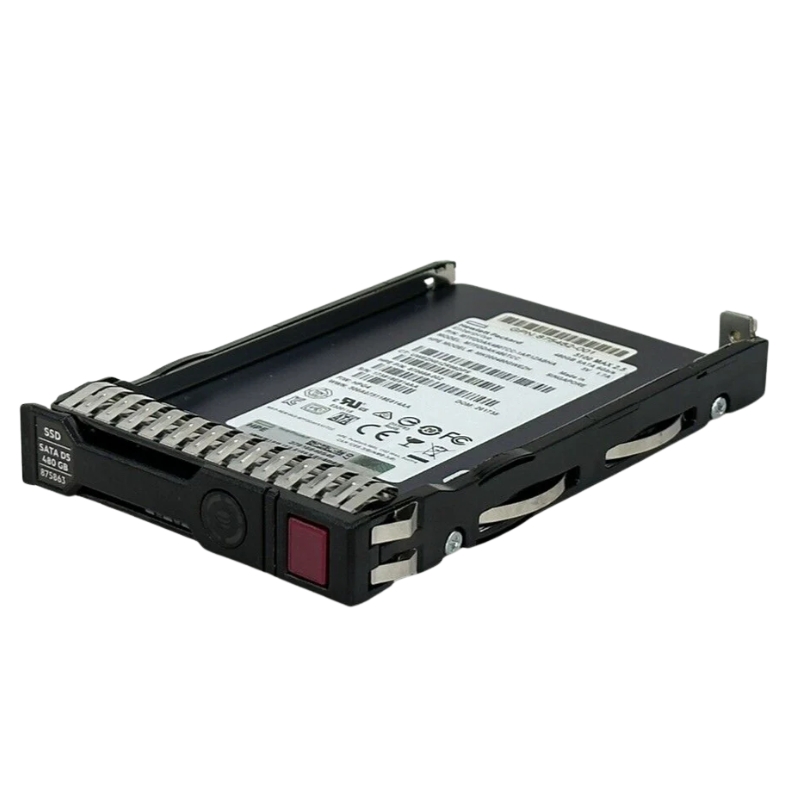
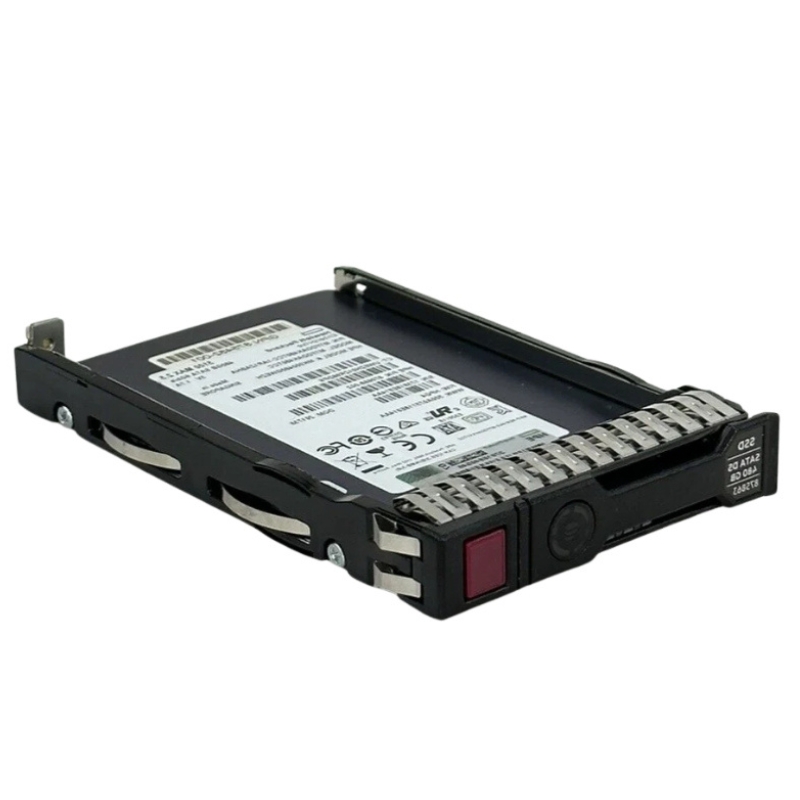
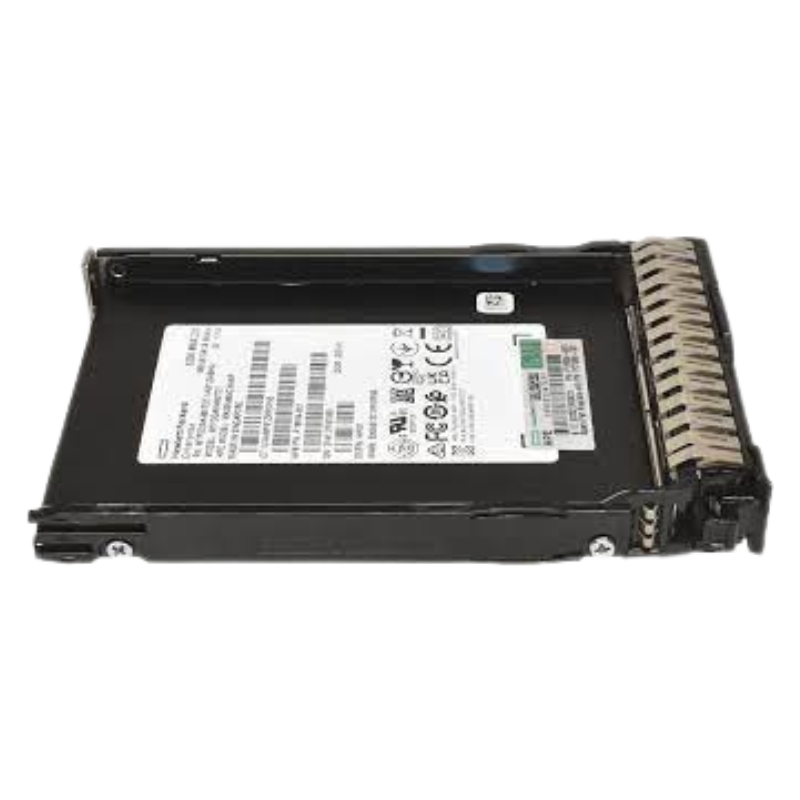
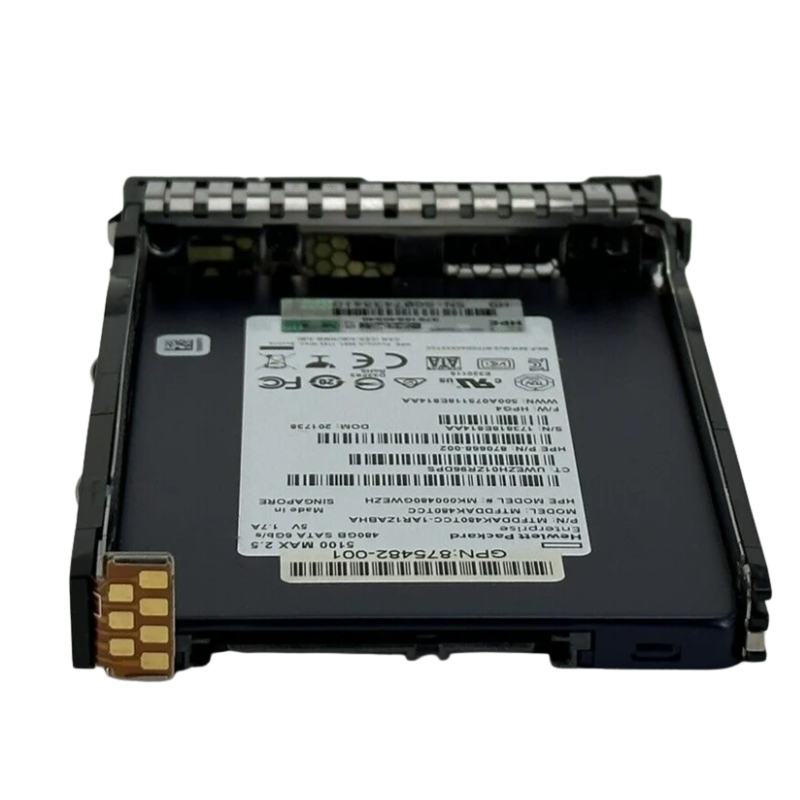
HPE 728739-B21 480GB SFF 2.5 SATA VE 6G EV SSD. Excellent Refurbished with 1 year Replacement Warranty
The Hewlett Packard Enterprise 728739-B21 is a high-performing solid state drive engineered to meet the storage demands of modern data centers and enterprise applications. Optimized for read-intensive workloads, this internal SATA SSD enhances overall system responsiveness while maintaining consistent reliability.
With exceptional input/output performance, the 728739-B21 provides superior storage efficiency in demanding enterprise systems. Its read-intensive optimization makes it suitable for tasks where fast access to stored data is crucial.
Hewlett Packard designs this SSD with durability and operational stability in mind, making it a trusted component for ProLiant servers. Its hot-swappable capability ensures minimal downtime during upgrades or replacements.
With a 6Gb/s SATA interface, the 728739-B21 integrates seamlessly into a wide range of server environments. Its standardized internal form factor ensures compatibility with HPE ProLiant systems and other enterprise storage arrays.
The drive is best suited for read-intensive workloads, including database queries, online transaction processing, web hosting, and virtualized applications. By handling large read operations effectively, it enhances user experience and system performance.
This enterprise-class SSD not only boosts performance but also reduces overall energy consumption compared to traditional spinning drives. With lower power requirements and a longer operational life, it provides excellent return on investment.
This model—commonly referenced by its HPE part number 728739-B21—sits within the vendor-validated enterprise SSD family. It’s optimized as a value enterprise (VE) class device that combines cost-efficient capacity with enterprise-grade features: power-loss protection, firmware tuned for server ecosystems, and compatibility testing for RAID controllers and HPE system firmware. The drive’s 2.5-inch SFF form factor and SATA 6G (6 Gb/s) interface make it an easy drop-in replacement or upgrade for many existing HPE server configurations.
The drive’s compact 2.5" SFF chassis is compatible with standard HPE carrier sleds and hot-swap trays used across ProLiant rack-mount servers. SATA III (6Gb/s) ensures backwards compatibility with older SATA controllers while providing the maximum throughput supported by the interface. The SFF design reduces rack-space thermal impact and enables higher drive density per chassis compared with 3.5" alternatives.
For installation, the drive fits into HPE 2.5" bays and caddies without modification. When replacing legacy drives, make sure your server chassis uses a 2.5" tray or adapter; many HPE systems include dedicated sleds with carrier retention screws and activity LEDs. Using HPE-branded carriers ensures full compatibility with drive presence detection and LED mapping in server management utilities.
As a SATA VE SSD, the HPE 728739-B21 emphasizes consistent, deterministic response times and strong read throughput. While not aimed at the absolute highest IOPS tiers (those are typically NVMe or enterprise SAS models), it delivers significant performance gains over mechanical HDDs and earlier-generation SATA SSDs—especially for random read workloads, database query acceleration, boot/OS hosting, and read-cached virtual machines.
Recommended use cases include:
Enterprise SSDs must balance high write endurance and data protection mechanisms. The HPE 728739-B21 integrates enterprise-class NAND flash with firmware and controller features designed to prolong usable life and protect data integrity.
Endurance is commonly expressed as TBW or drive writes per day (DWPD). While specific TBW figures depend on vendor documentation and firmware versions, VE-class enterprise drives typically offer endurance ratings designed for mixed workloads, giving system architects confidence that drives will last through typical service cycles in data center environments.
To protect in-flight data, the drive incorporates capacitive or firmware-managed techniques that flush critical data to NAND in the event of sudden power loss. This capability reduces the risk of metadata corruption and increases the probability of successful system recovery after an unplanned shutdown.
Internal wear-leveling algorithms, spare area management, and robust bad-block remapping ensure sustained performance and predictable behavior over the product lifecycle. These SSD firmware features are essential for maintaining consistent read/write characteristics as NAND cells wear with usage.
One major selling point of HPE-branded drives is broad compatibility testing with HPE servers, management utilities, and storage controllers. The HPE 728739-B21 is validated for use with many HPE ProLiant family members and is often recommended when you want vendor-supported hardware stacks and firmware interoperability.
Pairing this SSD with HPE Smart Array controllers or HPE validated SATA controllers reduces the risk of firmware conflicts and ensures proper reporting in HPE Integrated Lights-Out (iLO) and Array Configuration Utilities. For mixed-drive arrays, HPE guidance typically suggests using drives of similar capacity and performance class within a RAID set to avoid performance anomalies.
HPE iLO (Integrated Lights-Out) will recognize the drive’s serial number, firmware revision, and health telemetry when fitted in supported servers—allowing for health alerts, predictive failures, and firmware update orchestration from HPE management platforms.
HPE provides enterprise-grade support, which often includes limited warranties and optional on-site service packs. Purchasing through HPE or authorized resellers frequently gives access to HPE Care Pack services that extend support duration, accelerate replacement times, and provide firmware/driver validation assistance.
Warranty terms may vary by region, vendor channel, and service plan. Typically, HPE SSDs come with a manufacturer warranty covering manufacturing defects and early-life failures. For mission-critical environments, customers should consider extended service contracts or HPE Care Pack options to match their operational SLAs.
HPE-authorized resellers and support channels streamline RMA and replacement. Drive health reporting via iLO and HPE OneView can speed fault diagnosis and replacement authorization. When replacing drives in RAID arrays, follow best practices to avoid rebuilding stress on remaining drives—validate RAID controller firmware and follow hot-swap procedures.
Understanding how this SATA-based VE SSD compares to other classes helps buyers make informed choices.
When designing storage tiers, use SATA VE SSDs like the HPE 728739-B21 for OS volumes, read caches, and mid-tier application servers. Reserve NVMe and enterprise SAS for the most latency-sensitive and write-intensive workloads.
Proper installation and configuration ensure you extract maximum life and performance from the drive.
When performing hot-swaps in RAID arrays, allow RAID controllers to finish background tasks and ensure rebuild policies are set to prioritize data integrity. Replace failed drives with identical capacity and performance-class drives wherever possible to prevent rebuild performance degradation.
Firmware updates may improve drive behavior and resolve compatibility issues. Coordinate firmware updates with maintenance windows and always follow HPE-recommended update procedures to avoid mismatched firmware in large arrays.
Modern SSDs include security mechanisms to protect sensitive data at rest and during decommissioning.
Some HPE SSD variants include hardware-based encryption or support for TCG Opal standards. If your deployment requires encryption, check the exact model variant and firmware to confirm support for self-encrypting drive (SED) features or software-based encryption integration with host-based key management.
Use secure erase tools that follow vendor recommendations to sanitize drives prior to disposal or repurposing. HPE’s documentation and utilities provide guidance for secure wipe procedures that ensure sensitive data cannot be recovered.
The 480GB capacity combined with enterprise SATA reliability makes this drive suitable across multiple sectors.
In a virtualized cluster, the HPE 728739-B21 can serve as a boot and cache tier for hypervisor hosts, reducing VM boot storms and improving OS responsiveness. In web hosting or content-serving architectures, multiple VE-class SSDs provide fast read response while keeping acquisition costs down.
Confirm the exact SKU and firmware level before purchase. Different shipping lots may include firmware updates or minor hardware revisions. If deploying at scale, ask the vendor to align firmware revisions across all drives to simplify management.
Large deployments benefit from negotiated pricing and extended Care Pack coverage. Match support SLAs to the operational importance of each server to avoid unexpected downtime costs.
Proactive monitoring extends useful life and prevents surprises. HPE management tools provide a telemetry pipeline to track drive health metrics such as SMART attributes, percentage used, media errors, and temperature.
As drives approach end-of-life thresholds—either warranty expiry or endurance limits—plan phased replacements to avoid simultaneous rebuilds that stress arrays. Maintain spare drives of identical models for swift replacements.
Operating SSDs within recommended temperature and power envelopes maximizes longevity and reliability.
Provide adequate airflow across drive bays and maintain server ambient temperatures per HPE’s published thermal specifications. Overheating can throttle performance and shorten NAND lifespan.
While SSDs consume less power than HDDs under many workloads, ensure your server power budget and UPS capacity account for peak usage in multi-drive systems and during RAID rebuilds.


 Contact Us
 Information
 Catalog
 Solid State Drives (SSD)
 Network Switches
 Hard Disk Drives
 HBA & Controllers
 PC & Servers
 PC & Server Memory
 CPU & Processors
 Network Routers
 Power Supplies
 Tape Drives & Libraries
 Network Devices
 Computer & Network Cables