(7% discount is applied at checkout)
Cart is empty
Your go-to destination for cutting-edge server products
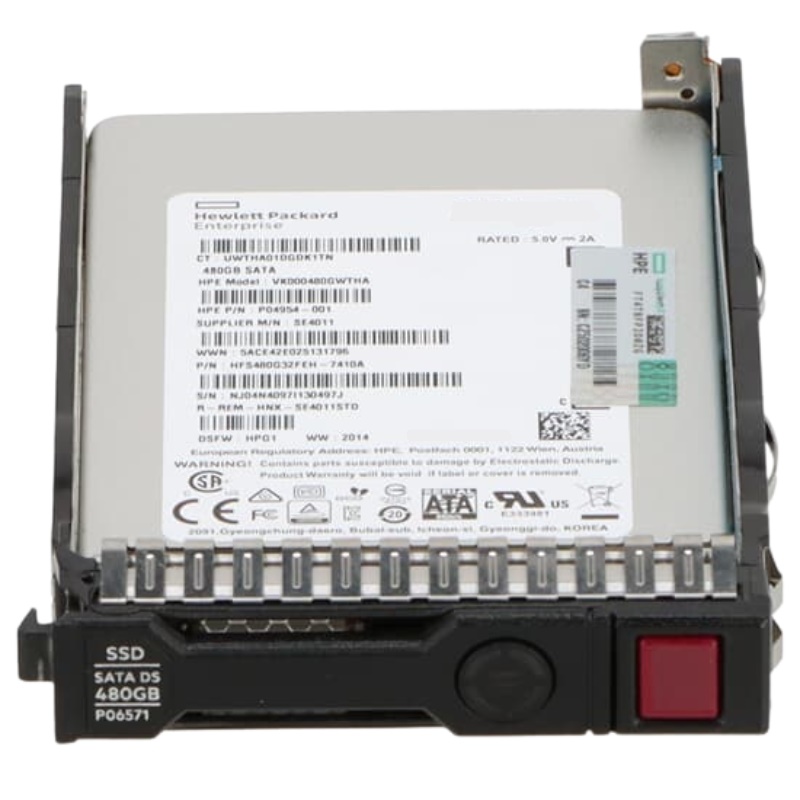


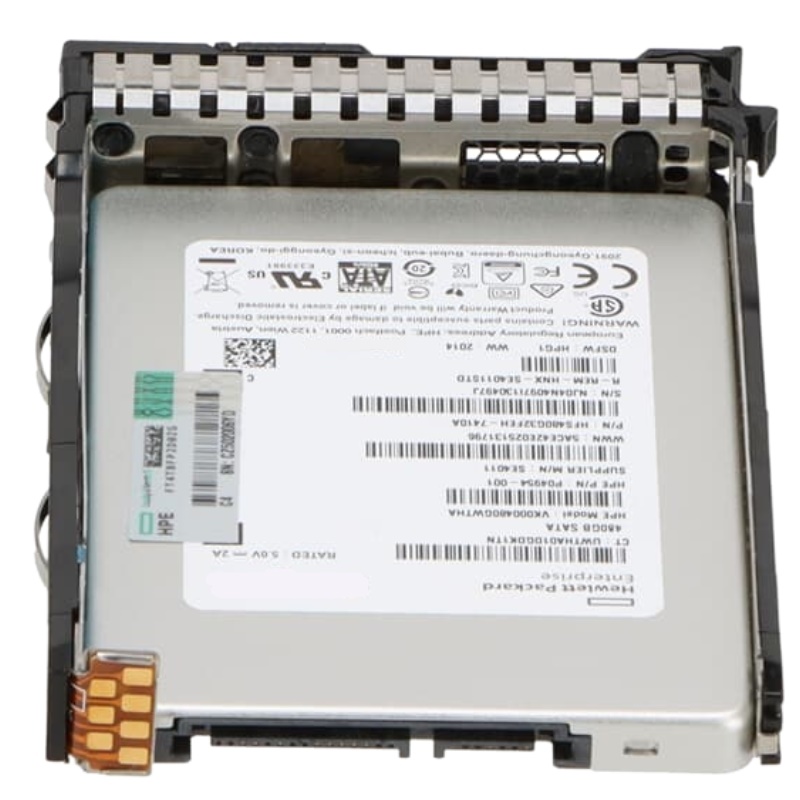
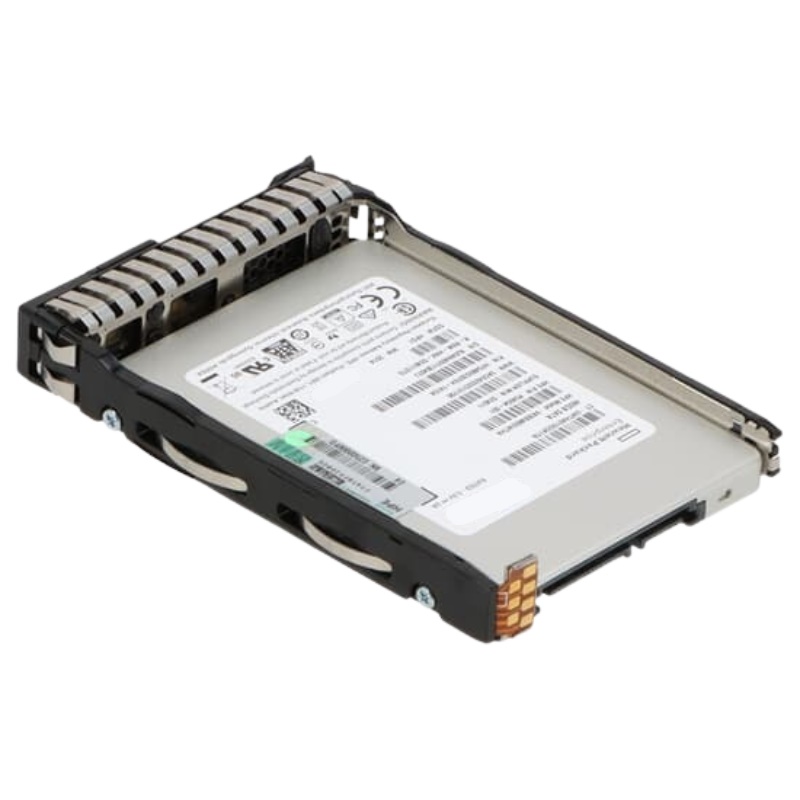
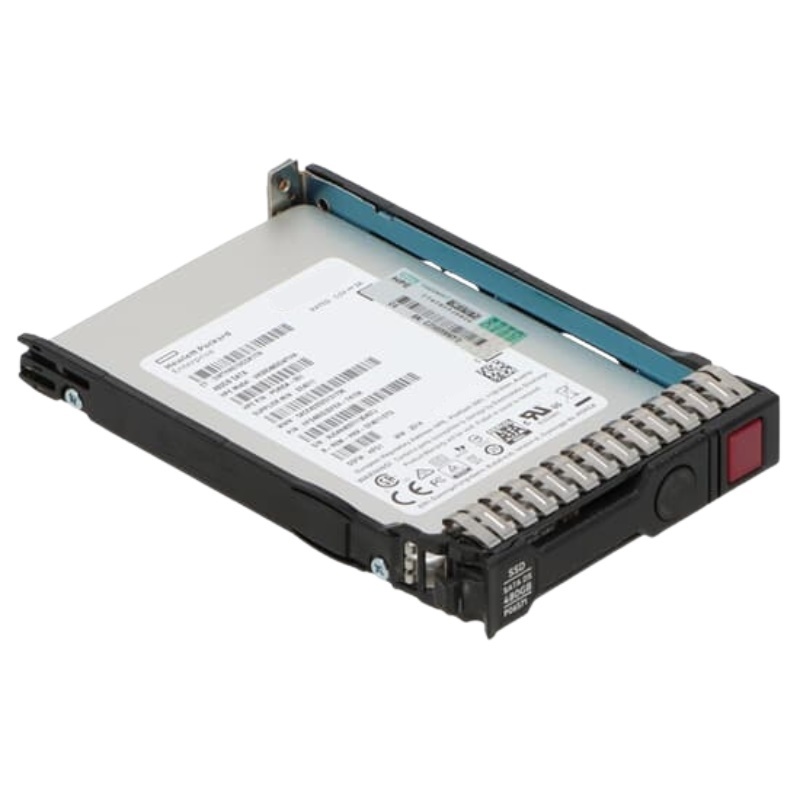
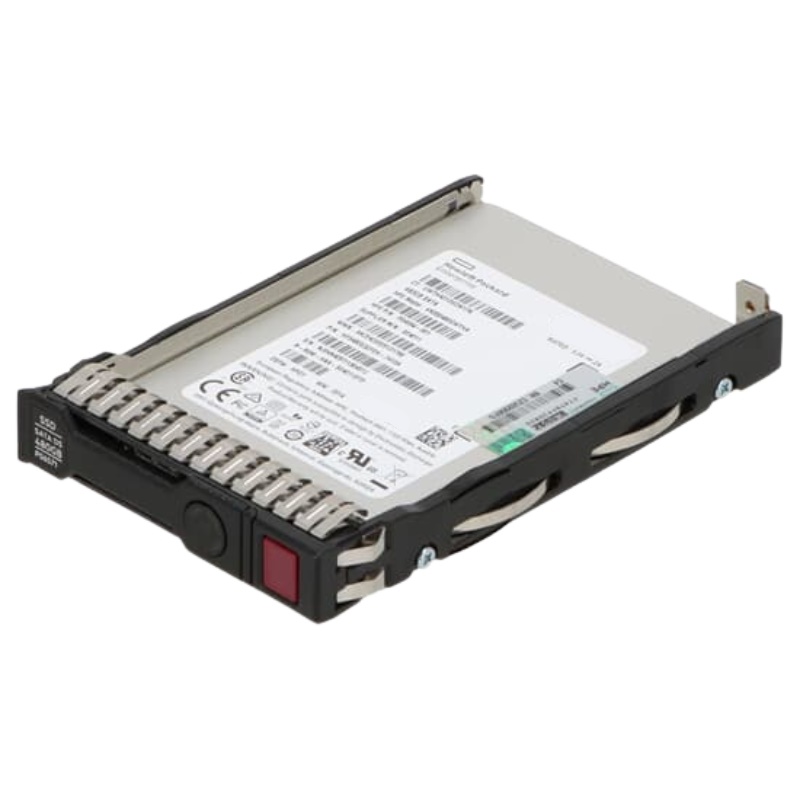
HPE 731041-001 480GB MLC SATA-6GBPS Value Endurance SFF with Smart Carrier Internal Solid State Drive. Excellent Refurbished with 1-Year Replacement Warranty
The HPE 731041-001 is a compact, high-performance 480GB internal SSD engineered for demanding server environments. Designed with Multi-Level Cell (MLC) NAND technology and a 6Gbps SATA interface, it delivers consistent throughput and dependable endurance for data-intensive workloads.
The HPE 731041-001 480GB MLC SATA-6GBPS Value Endurance SFF with Smart Carrier Internal Solid State Drive sits squarely in the enterprise-class SATA SSD category designed for HPE ProLiant servers and compatible storage systems. This category encompasses drives optimized for a broad mix of read/write workloads where low total cost of ownership (TCO), consistent performance, and higher endurance than consumer-grade SSDs are required. As a “Value Endurance” class device, the HPE 731041-001 targets IT teams that need dependable write endurance for mixed-use server environments—such as virtualization hosts, database nodes, and entry-tier hyperconverged systems—while maintaining cost-efficiency compared with higher endurance SLC or eMLC alternatives.
The HPE 731041-001 uses a Small Form Factor (SFF) 2.5-inch chassis paired with a SATA 6.0 Gb/s interface. The SFF design and the included Smart Carrier make tray-mounting into HPE chassis simple and consistent with server hot-swap and carrier conventions. SATA 6Gbps compatibility ensures broad interoperability with legacy and current HPE server backplanes and storage controllers that support SATA/SAS mixed environments (with appropriate interposers or HBAs).
Built around Multi-Level Cell (MLC) NAND flash, the 480GB capacity balances cost per GB and write-cycle endurance. “Value Endurance” denotes a specific endurance tier positioned above consumer TLC solutions: these drives deliver higher program/erase cycles, improved long-term reliability, and better sustained performance under heavy mixed workloads. For IT teams, this means more predictable behavior under enterprise access patterns—fewer performance cliffs and better longevity when used as part of typical server workloads.
Expect enterprise-oriented read and write latency improvements versus spinning disks, with substantial gains in random IOPS—particularly for small-block 4K and 8K operations common to virtualized and database workloads. Throughput for sequential transfers benefits large file movement and backup operations. While exact manufacturer-specified IOPS and throughput figures should be referenced in HPE datasheets for formal procurement, the category positioning suggests solid balanced performance sufficient for system boot volumes, caching, and moderate transactional loads.
A hallmark of enterprise SATA SSDs like the HPE 731041-001 is I/O consistency. Unlike consumer drives that may show wide variance under sustained load, value-endurance enterprise drives incorporate firmware optimizations, over-provisioning, and better wear-leveling to sustain latency and throughput throughout the drive’s usable life—helping maintain predictable application response times.
Ships as an HPE-branded SKU with the Smart Carrier, meaning it is mechanically and electrically compatible with HPE ProLiant servers and many HPE storage enclosures that accept 2.5" SATA drives. The Smart Carrier simplifies insertion and removal and ensures full cage and bezel alignment with HPE trays. For system administrators, choosing an HPE-labeled part reduces compatibility risk, simplifies warranty handling, and eases inventory management when purchasing for HPE-centric environments.
When deploying in RAID arrays, ensure your HPE Smart Array controller supports SATA SSDs and that the controller firmware is current. Some controllers provide SSD-specific optimizations (e.g., TRIM support, improved caching logic) and can influence RAID rebuild behavior and error reporting. Always use HPE-recommended firmware images for both the drive and host controller to ensure stable operation and to benefit from compatibility and security updates.
The drive supports all mainstream enterprise operating systems that run on HPE hardware—Linux distributions (RHEL, CentOS, Ubuntu Server), Microsoft Windows Server, VMware vSphere, and hypervisors such as Hyper-V. For virtualization, drives in this category are commonly used as local VM datastores, caching devices in hyperconverged stacks, or as boot volumes for hypervisor hosts.
In the HPE SSD taxonomy, drives are often differentiated by endurance class:
The HPE 731041-001 is an attractive choice for deployments where read/write demands are higher than simple read-only contexts but where the highest-endurance (and highest-cost) enterprise SSDs are not required.
If maximum throughput and lowest latencies are required, NVMe/U.2 and NVMe PCIe drives might be a better alternative. However, SATA SSDs remain more economical on a per-GB basis and are widely supported on legacy hardware. When selecting an alternative, weigh performance needs against budget, compatibility, and management complexity.
In a four-node virtualization cluster, administrators might deploy HPE 731041-001 drives as local boot volumes for each hypervisor node, and as a performance cache for local VMs that host frequently accessed services. The drives’ endurance is sufficient to handle hypervisor logs, swap activity, and the read/write churn from guests—without the cost premium of enterprise-only SSDs.
For small to medium-sized OLTP databases, using a pool of value-endurance SATA SSDs can dramatically reduce transaction latency compared to HDD storage. When paired with an appropriate RAID configuration and regular backups, the HPE 731041-001 can improve query response times while controlling infrastructure costs.
Remote offices that require reliable, low-power, and easily serviced server storage may benefit from these drives. The Smart Carrier facilitates quick swaps by on-site technicians with minimal training, and the drives’ sturdiness reduces the frequency of maintenance visits compared to spinning disks.


 Contact Us
 Information
 Catalog
 Solid State Drives (SSD)
 Network Switches
 Hard Disk Drives
 HBA & Controllers
 PC & Servers
 PC & Server Memory
 CPU & Processors
 Network Routers
 Power Supplies
 Tape Drives & Libraries
 Network Devices
 Computer & Network Cables