(7% discount is applied at checkout)
Cart is empty
Your go-to destination for cutting-edge server products
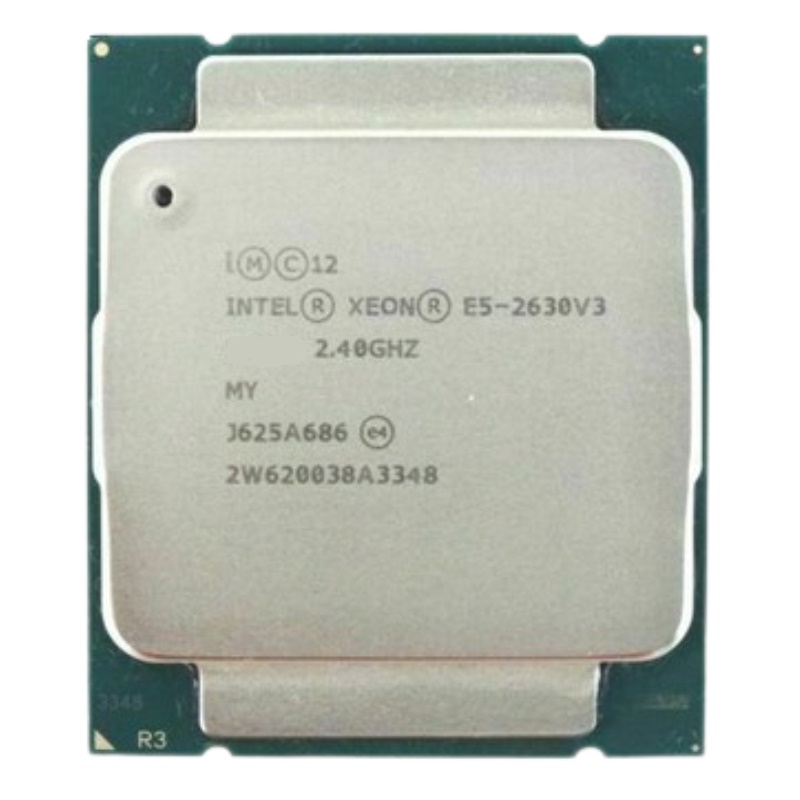


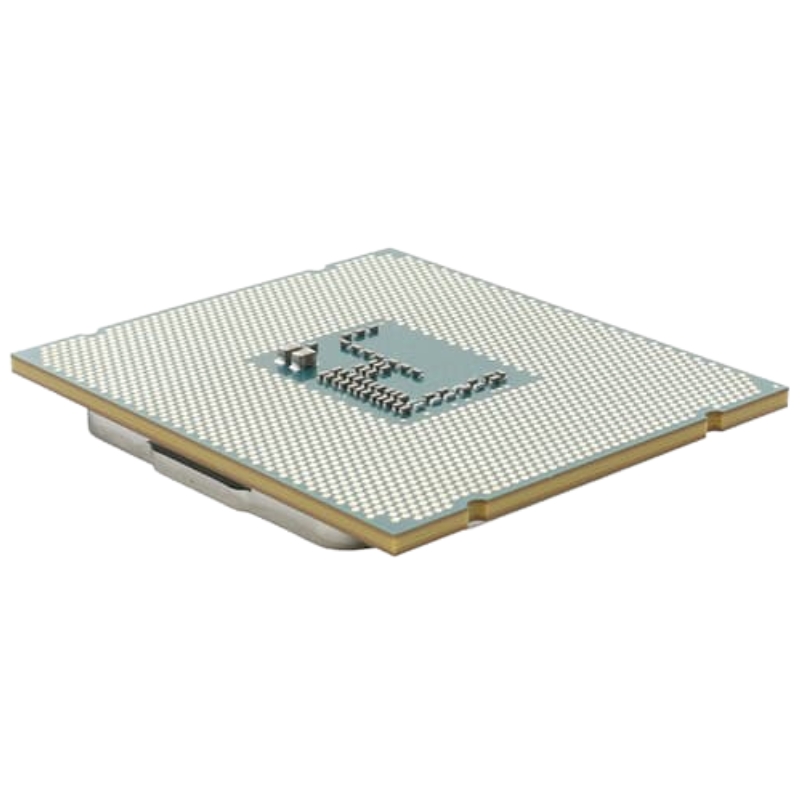
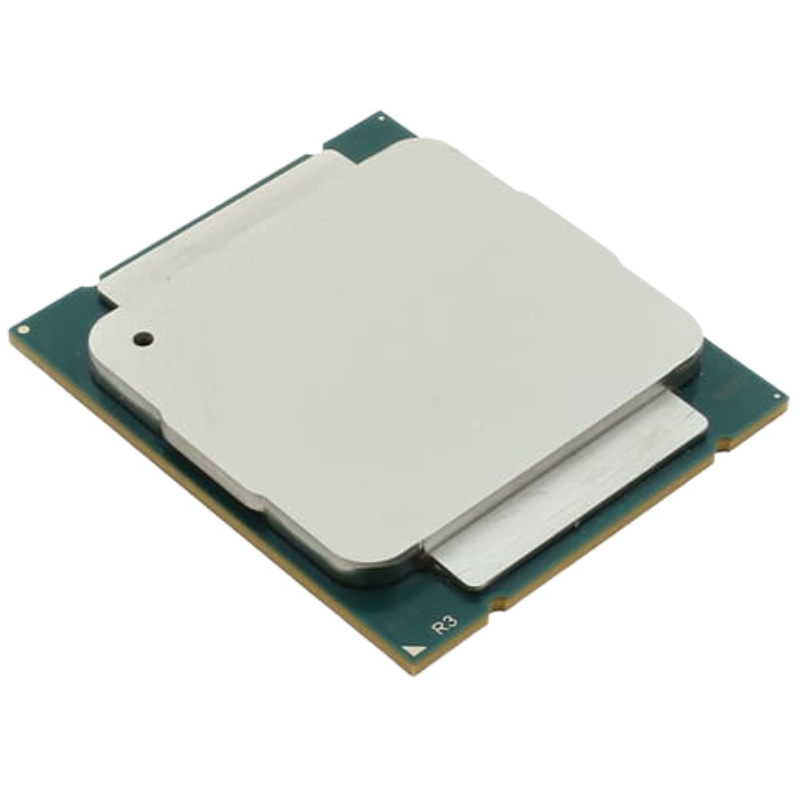
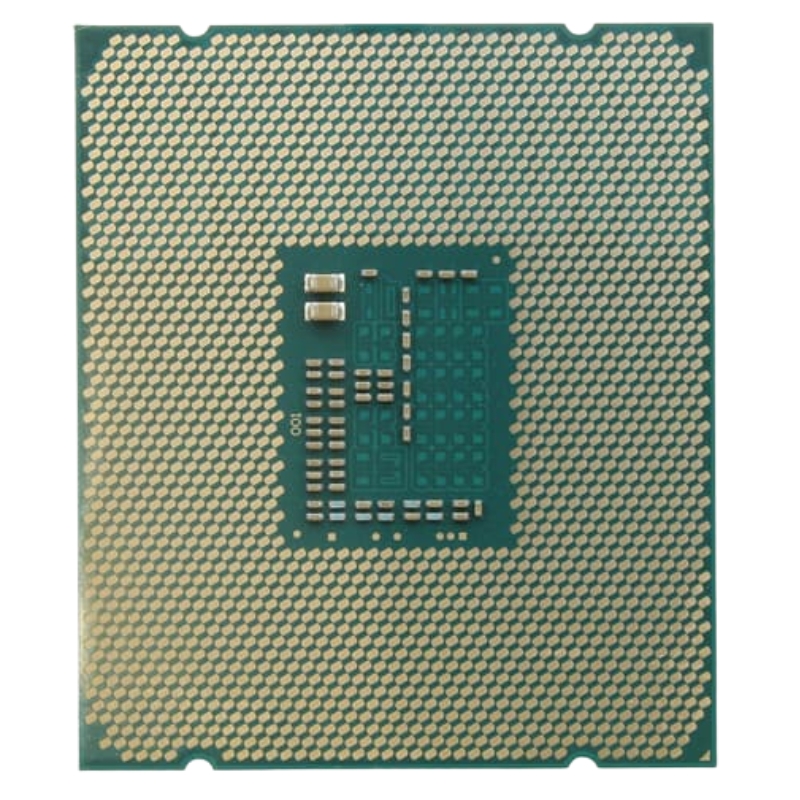
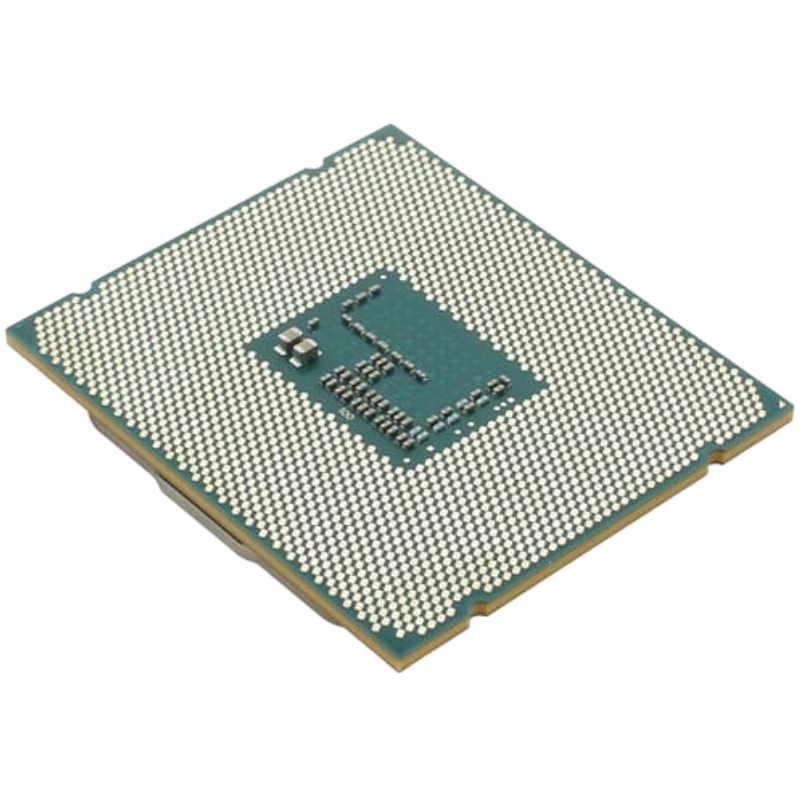
HPE 733937-B21 DL160 Proliant G9 Intel Xeon E5-2630v3 2.4GHz 8-Core 20MB Smart Cache 85W QPI TDP Processor. New (System) Pull with 1 year replacement warranty
The HPE DL160 Gen9 processor 733937-B21, delivers robust computational power with its Intel Xeon E5-2630v3 architecture. Designed for demanding workloads, this 8-core unit ensures seamless multitasking and efficient data handling.
This processor is engineered to integrate flawlessly with HP’s DL160 G9 server platform, ensuring maximum compatibility and performance consistency across enterprise environments.
With its substantial cache memory and multi-threaded architecture, this processor accelerates data-intensive tasks, making it a prime choice for IT professionals seeking dependable performance under pressure.
Whether you're upgrading an existing server or building a new deployment, the 733937-B21 offers the flexibility and dependability required for mission-critical operations.
The HPE 733937-B21 DL160 ProLiant G9 Intel Xeon E5-2630v3 2.4GHz 8-Core 20MB Smart Cache 85W QPI TDP Processor describes a targeted server CPU offering built for density-optimized rack servers such as the HPE ProLiant DL160 Gen9. This category centers on enterprise-grade Intel Xeon E5 v3 processors and HPE-branded spare parts that optimize performance-per-watt for general-purpose compute, virtualization, web hosting, database servicing, and medium-scale analytics workloads. The product and its subcategory entries focus on authentic OEM spare part numbers, compatibility with HPE systems, thermal and power considerations, serviceability, and real-world deployment patterns. If you operate HPE Gen9 infrastructure, this category guides selection, compatibility checks, and practical deployment tips for the E5-2630v3 processor.
The Intel Xeon E5-2630 v3 is an 8-core server CPU designed for the enterprise market. Key silicon attributes include a nominal base frequency of 2.4 GHz, support for Hyper-Threading (yielding 16 logical threads on a fully enabled CPU), and a shared on-die cache of approximately 20 MB Smart Cache. The 85W thermal design power (TDP) balances thermal efficiency with compute capability, making this sku attractive where rack density and cooling budgets are important. The processor communicates with the rest of the system using Intel’s interconnect (QPI) and fits server platforms designed for the corresponding socket and chipset family.
As part of the Xeon E5 v3 family, the E5-2630 v3 supports DDR4 memory in multi-channel configurations typical of 1U and 2U rack servers. Expect support for registered ECC DIMMs and memory speed tiers that depend on DIMM population and platform BIOS—common deployments use DDR4-2133/1866. Memory bandwidth in these platforms is a critical factor for database and virtualization workloads; selecting appropriate DIMM configuration is essential to extract maximum throughput from the CPU and HPE server architecture.
The 20MB Smart Cache is shared dynamically between cores to optimize workload performance, especially in multi-threaded server workloads. Turbo Boost behavior will vary by BIOS and power profiles, enabling short-duration frequency increases above the base 2.4 GHz under thermal and power headroom. For predictable latency-sensitive workloads, consider platform BIOS settings that control Turbo and C-states.
This processor category is centered on the HPE ProLiant DL160 Gen9 family; however, the underlying E5-2630 v3 CPU can appear in other compatible platforms that accept the v3 generation processors and the required socket type. Always verify motherboard socket compatibility (e.g., LGA2011-v3 family) and confirm server BIOS support before swapping CPUs.
HPE firmware revisions frequently include microcode updates and platform-specific tuning to enable full CPU functionality and reliability. When replacing or upgrading to an E5-2630 v3, ensure the server BIOS/firmware is updated to a version that explicitly lists support for that CPU model. Running mismatched firmware can limit features (for instance, memory frequency downclocking, missing microcode mitigations, or disabled Turbo) and reduce performance or stability.
The platform’s memory topology (number of channels and DIMM slots per channel) determines achievable speeds and capacities. For example, to retain the highest supported memory speed, populate DIMM slots and ranks per manufacturer guidelines—mixing different DIMM densities or types can change memory clocking behavior. HPE’s memory population guides for DL160 Gen9 are an essential reference when configuring servers with the E5-2630 v3 CPU.
The E5-2630 v3 shines in multi-threaded environments where 8 cores/16 threads provide parallel processing capacity. Use cases include virtualization hosts running many small-to-medium VMs, web server farms, application servers, and parallelized batch processing. CPU efficiency at 85W TDP makes it a good choice for dense racks where per-node power budgets matter.
Hypervisors like VMware ESXi, Microsoft Hyper-V, and KVM benefit from the core/thread balance of this CPU. For consolidation planning, estimate realistic VM vCPU counts and memory sizing: the E5-2630 v3 typically performs best when vCPU allocation avoids overcommitting too aggressively and when memory bandwidth is provisioned appropriately. NUMA awareness and vCPU pinning can further optimize multi-socket configurations.
Databases that scale with threads and benefit from predictable memory access patterns (e.g., smaller OLTP workloads or caching layers) run well on this processor, provided that sufficient RAM and storage I/O are available. For I/O-bound workloads, pair the CPU with high-performance storage (NVMe or enterprise SSD) to avoid CPU idle time waiting for disk operations.
At an 85W TDP, the E5-2630 v3 balances energy consumption with compute power—making it suitable for deployments where thermal capacity is limited or electricity costs are a concern. In HPE DL160 Gen9 chassis, proper airflow design, validated HPE heat sinks, and correctly rated fans maintain expected operating temperatures. When planning upgrades, check rack cooling capacity and ambient temperature tolerances to maintain reliability.
Organizations aiming to improve compute density without dramatically increasing power consumption often select mid-tier Xeon E5 v3 SKUs. Consider E5-2630 v3 when replacing older-generation CPUs where socket and firmware compatibility allow a direct swap, or when migrating from less-core/high-frequency parts to a balanced core/thread profile.
Compared with higher-TDP or higher-core-count SKUs, the E5-2630 v3 offers a middle ground: better multi-thread throughput than low-core models, and lower power consumption than top-bin parts. If your workloads are heavily single-thread sensitive, a higher-clock SKU might be preferable. Conversely, for extreme parallelism, a higher-core part may yield better consolidation ratios.
If used in dual-socket configurations, validate inter-socket link speeds, memory interleaving, and licensing implications for software priced per-socket. NUMA-aware application tuning enhances performance in multi-socket deployments by minimizing remote memory access.


 Contact Us
 Information
 Catalog
 Solid State Drives (SSD)
 Network Switches
 Hard Disk Drives
 HBA & Controllers
 PC & Servers
 PC & Server Memory
 CPU & Processors
 Network Routers
 Power Supplies
 Tape Drives & Libraries
 Network Devices
 Computer & Network Cables