(7% discount is applied at checkout)
Cart is empty
Your go-to destination for cutting-edge server products
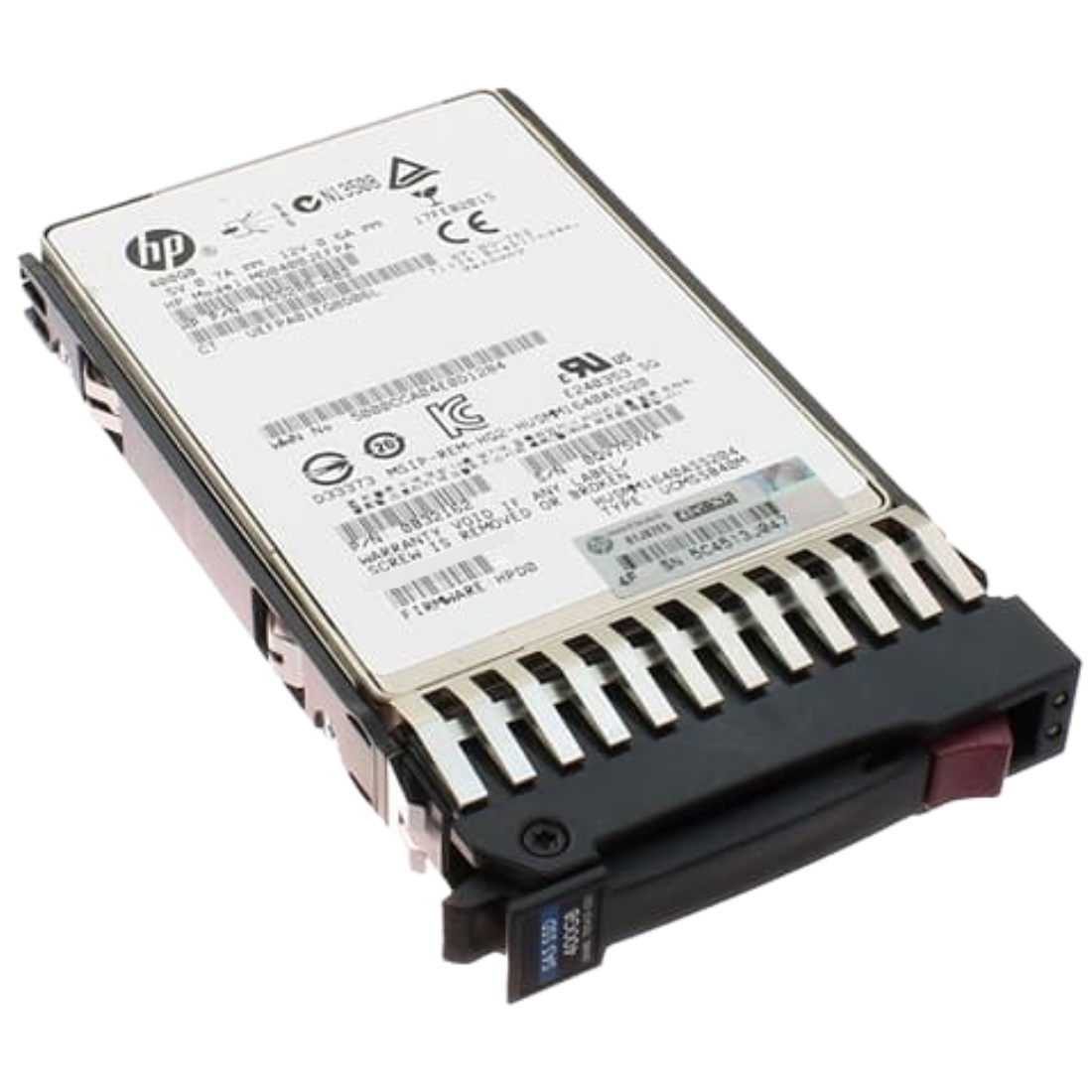


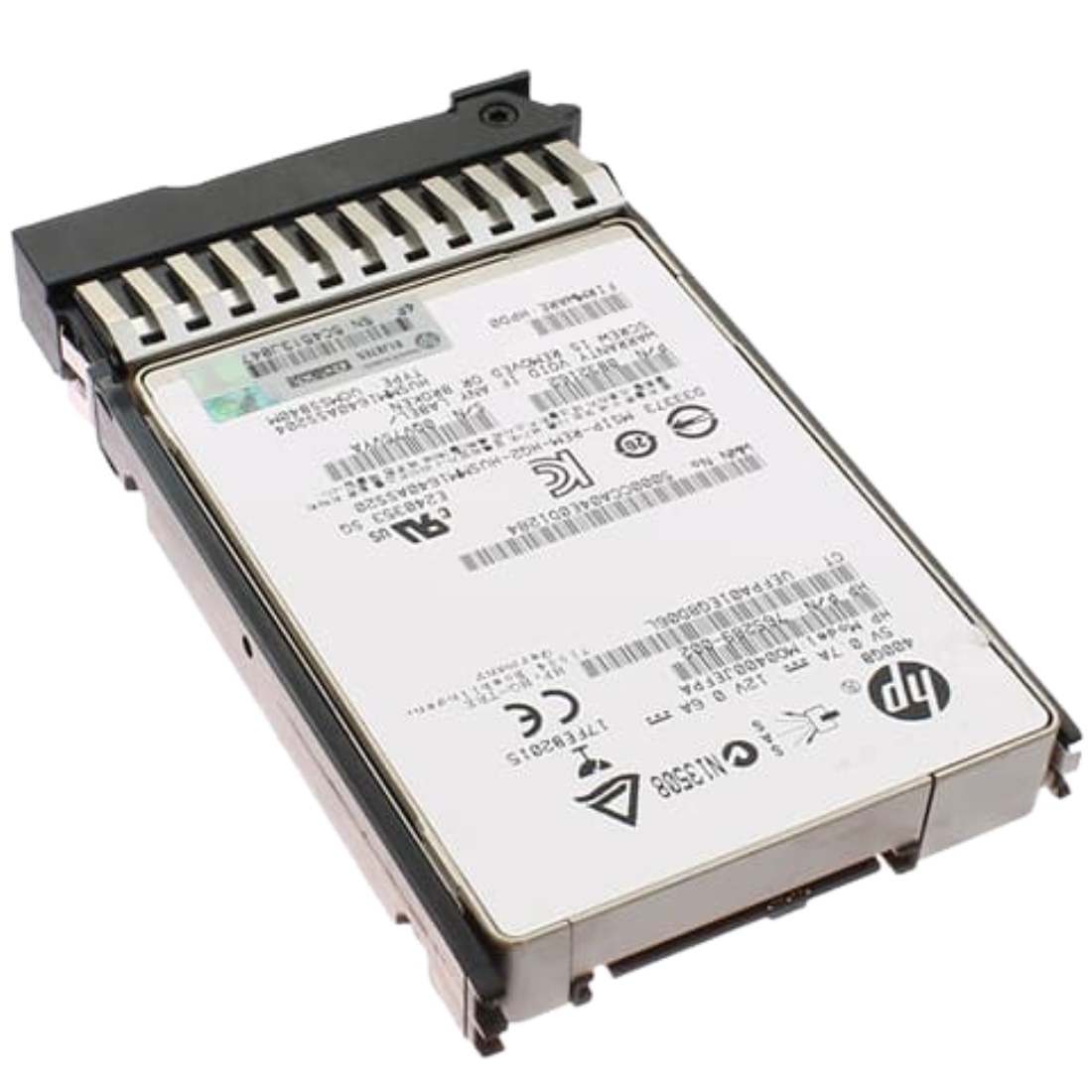
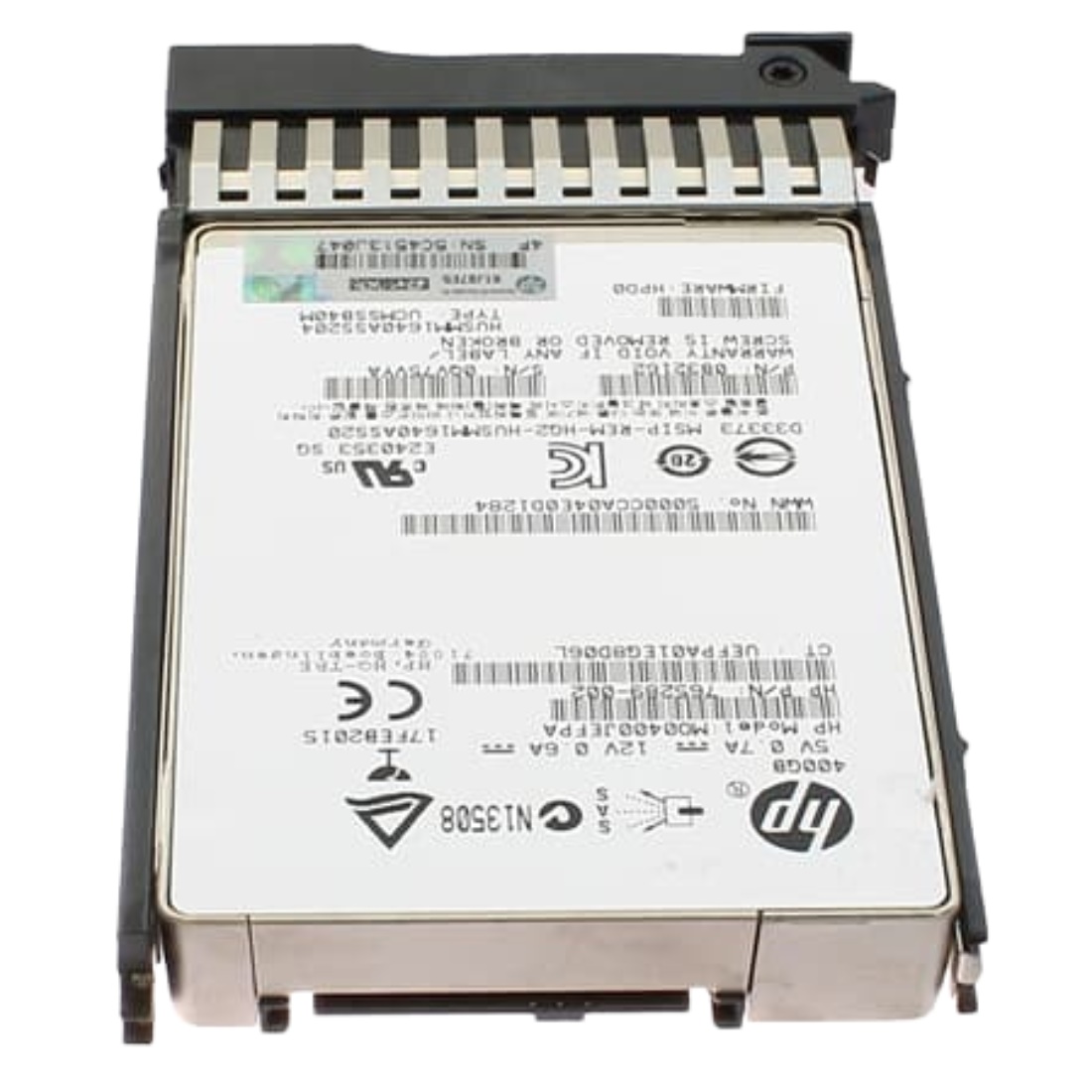
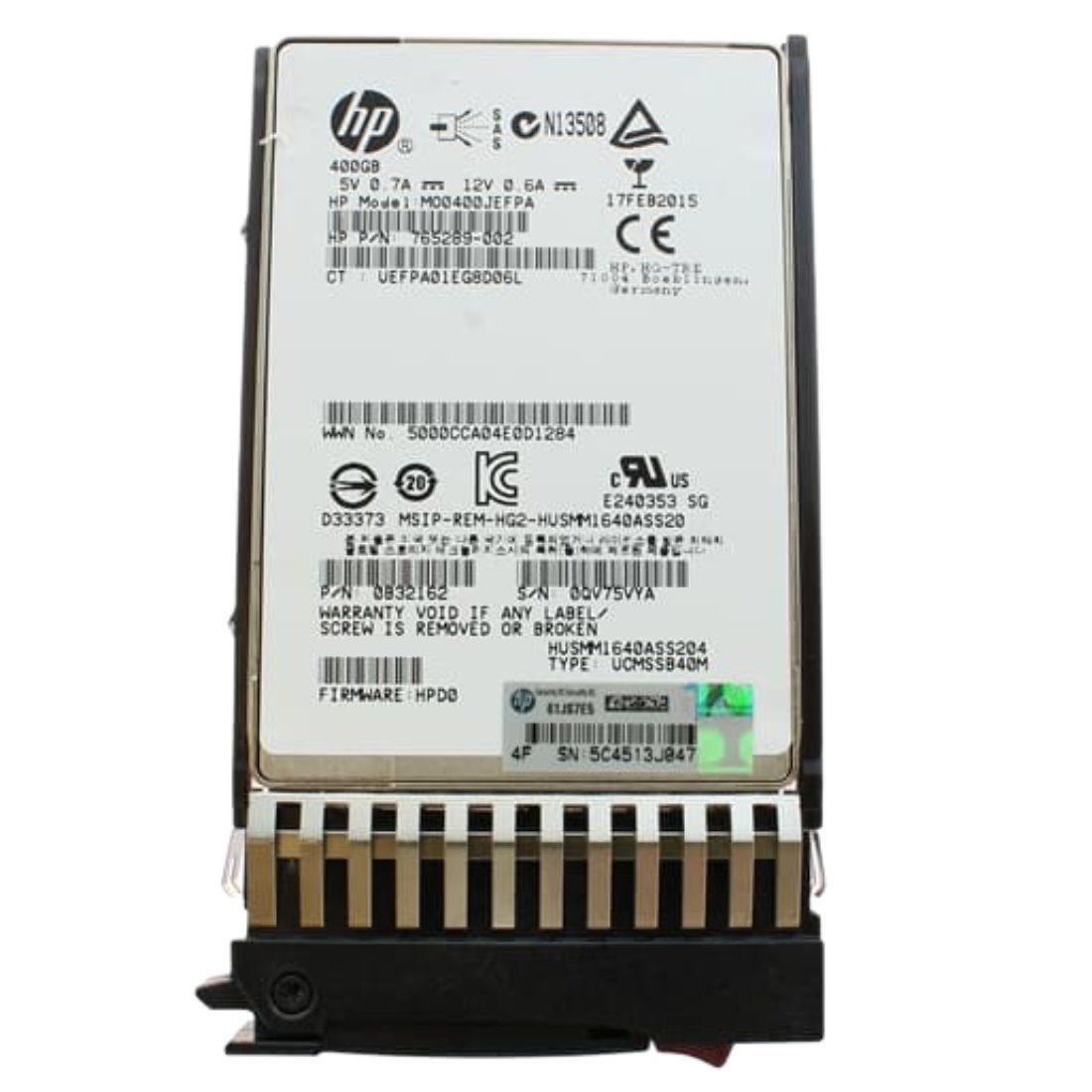
HPE 741135-002 400GB SAS-12GBPS High-Endurance SFF Smart Carrier Enterprise MLC NHS Internal Solid State Drive. Excellent Refurbished with 1 year replacement warranty
The HPE 741135-002 internal solid-state drive delivers exceptional performance and reliability for mission-critical environments. Engineered with Multi-Level Cell (MLC) technology and a Smart Carrier design, this 400GB SAS-based drive ensures seamless integration into HPE server infrastructures.
This SSD is optimized for seamless deployment across a wide array of HPE server families, ensuring compatibility and performance consistency.
The long SKU name is purposeful: HPE 741135-002 is the HPE reference for that particular SKU and accessory kit. The phrase 400GB denotes raw user capacity suitable for boot drives or high-performance caching; SAS-12GBPS indicates the 12 Gbit/s SAS interface capable of high sustained throughput and enterprise-grade link resiliency; High Endurance highlights NAND and firmware optimization for extended write cycles; SFF Smart Carrier refers to the 2.5-inch small form factor enclosure with an HPE smart carrier tray that integrates monitoring and hot-swap features; Enterprise MLC reflects the use of MLC NAND flash tuned for durability and consistent performance; and NHS Internal Solid State Drive signals its role as an internal, non-removable storage device validated for enterprise hosts.
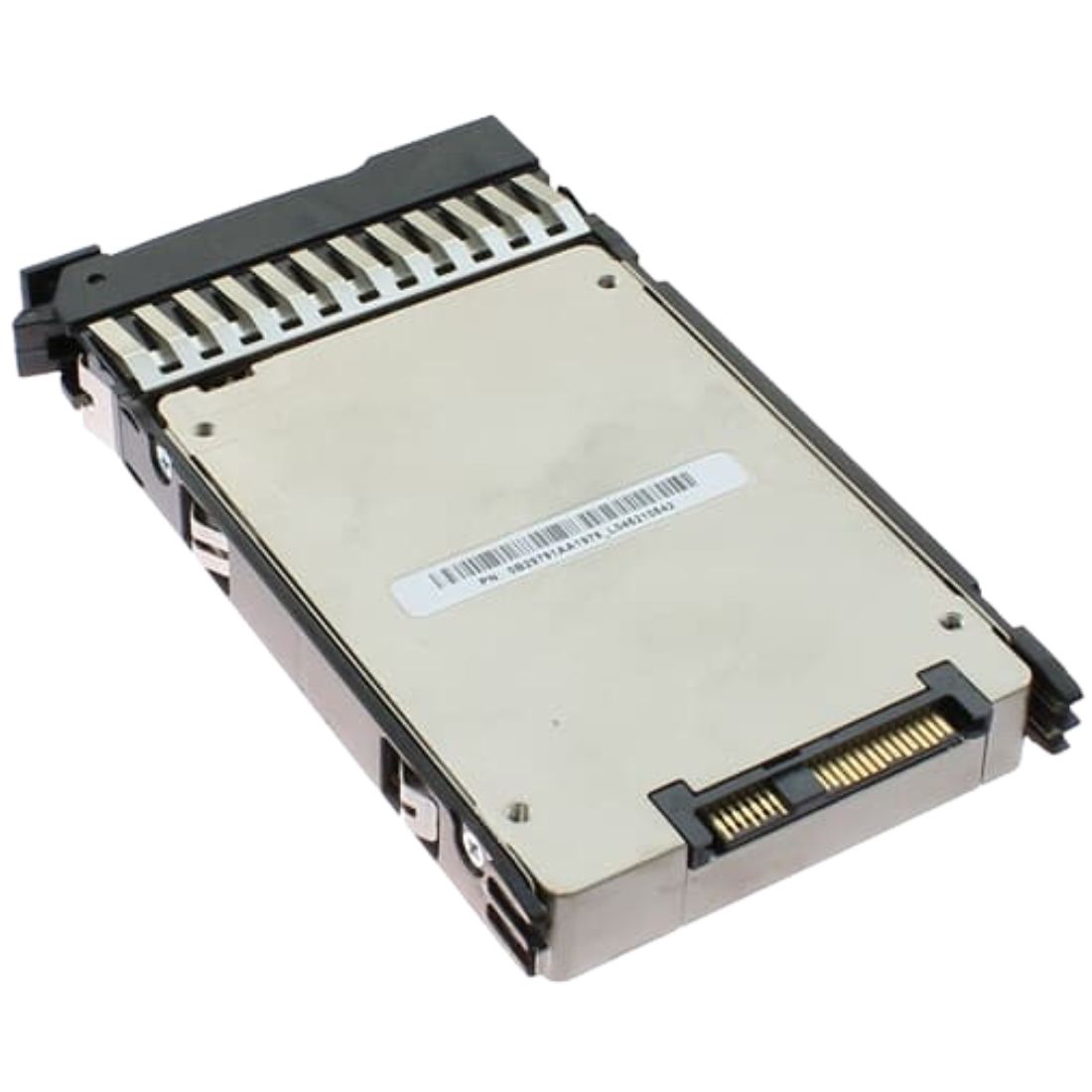
These drives are delivered in a 2.5" SFF form factor and typically ship mounted in the HPE smart carrier designed for streamlined insertion and extraction from HPE ProLiant and storage chassis. The smart carrier holds the drive securely, exposes the SAS connector and status LEDs, and provides integrated carrier firmware reporting—enabling host management systems to monitor device health, temperature, and predictive failure indicators. The SFF form factor supports high-density server and array designs where rack space and thermal management are optimized.
The SAS-12Gb/s (commonly written SAS-12G or 12 Gbps) interface provides enterprise-class signaling, dual-port capability (on supported models) for path redundancy, and advanced error recovery features. Compared to SATA-based SSDs, SAS drives offer improved queue depth handling, better multi-initiator support, and compatibility with enterprise RAID controllers and HBAs. This makes the category ideal when integration with HPE Smart Array controllers or third-party SAS infrastructures is required.
The term High Endurance conveys NAND and firmware tuning for higher program/erase (P/E) cycle endurance than client-grade SSDs. Enterprise MLC in this SKU typically delivers superior P/E cycles versus TLC or QLC parts, making it a preferred choice for write-heavy workloads like logging, analytics, and metadata storage. Endurance is often characterized by TBW (terabytes written) or DWPD (drive writes per day) metrics—key purchase considerations for architects sizing replacement cycles and warranty coverage.
A 400GB high-endurance SFF SAS drive is a popular choice for OS and boot volumes where administrators need fast boot times and reliability. Partitioning a dedicated drive for the operating system reduces contention with data-plane I/O and isolates the host firmware from noisy neighbor workloads.
Because of its endurance profile, the HPE 741135-002 400GB drive is well-suited for write-back caches, database transaction logs, and journaling layers. When paired with appropriate controller logic, these drives accelerate synchronous write workloads, improve transaction throughput for OLTP databases, and stabilize latency during bursts.
In virtualized environments (vSphere, Hyper-V), the combination of high IOPS and low latency helps densify virtual machine (VM) placement and supports VDI boot storms. The small 2.5" form factor allows deployment in high-density blade or rack-mount servers while offering predictable performance for many concurrent VMs.
This SSD category often serves as a performance tier in hybrid storage arrays—acting as a hot-tier for frequently accessed blocks while HDDs store cold data. Intelligent tiering policies and caching layers can transparently move hot data to the 400GB SAS SSDs, accelerating application performance without a full all-flash expenditure.
HPE validates specific SSD SKUs against a matrix of ProLiant servers, storage enclosures, and Smart Array controllers. Choosing an HPE-branded drive like the 741135-002 reduces integration risk because firmware compatibility, carrier fit, and status reporting are tested across targeted platforms. Administrators should consult HPE interoperability matrices and firmware release notes to ensure full feature support.
When installed in HPE systems, these drives often appear within tools such as HPE OneView, iLO, and Smart Storage Administrator. This simplifies tasks like firmware updates, warranty verification, monitoring, and inventory reporting. The smart carrier enhances this synergy by exposing drive-level metadata that these tools can ingest automatically.
The SFF smart carrier and SAS architecture support hot-swap replacement in supported chassis, enabling field service without powering down the host. This feature is critical for minimizing downtime in high-availability clusters and mission-critical deployments.
Enterprise SSDs typically include factory over-provisioning, but administrators can reserve additional logical blocks via partitioning to improve sustained performance and endurance. Over-provisioning reduces write amplification by giving the firmware more spare area for efficient garbage collection and wear leveling.
Proper partition alignment, especially for virtualized workloads and block-based storage, helps avoid write amplification. For workloads that require fast metadata operations, choosing filesystems optimized for SSDs (e.g., XFS, EXT4 with appropriate mount options) or enabling TRIM/UNMAP where supported by the storage stack will maintain performance over time.
When used behind RAID controllers, administrators must carefully select the RAID level and controller cache policy. RAID configurations can protect against media failure but may introduce write amplification for certain RAID levels. For write-intensive workloads, pairing these drives with a controller that supports battery- or flash-backed write cache is recommended to preserve durability and ensure consistent latency.
The Enterprise MLC used in the HPE 741135-002 typically offers higher endurance and lower write amplification than mainstream TLC or QLC NAND. While TLC/QLC provide higher raw capacities at lower cost per GB, their endurance characteristics and steady-state performance under heavy writes make MLC the safer choice for sustained high-write workloads. For read-dominant or capacity-oriented use cases, TLC-based enterprise-optimized SSDs can be competitive; however, for journaling and cache roles, MLC remains preferable.
SAS SSDs like this SKU deliver exceptional compatibility with legacy SAN and server infrastructures and are simpler to integrate into existing SAS backplanes and RAID configurations. NVMe SSDs, by contrast, provide lower latency and higher parallelism through PCIe, but require different host infrastructure and may demand NVMe-aware controllers and drivers. The choice often depends on whether the deployment prioritizes absolute lowest latency (NVMe) or tried-and-true SAS interoperability (SAS-12G).


 Contact Us
 Information
 Catalog
 Solid State Drives (SSD)
 Network Switches
 Hard Disk Drives
 HBA & Controllers
 PC & Servers
 PC & Server Memory
 CPU & Processors
 Network Routers
 Power Supplies
 Tape Drives & Libraries
 Network Devices
 Computer & Network Cables