(7% discount is applied at checkout)
Cart is empty
Your go-to destination for cutting-edge server products
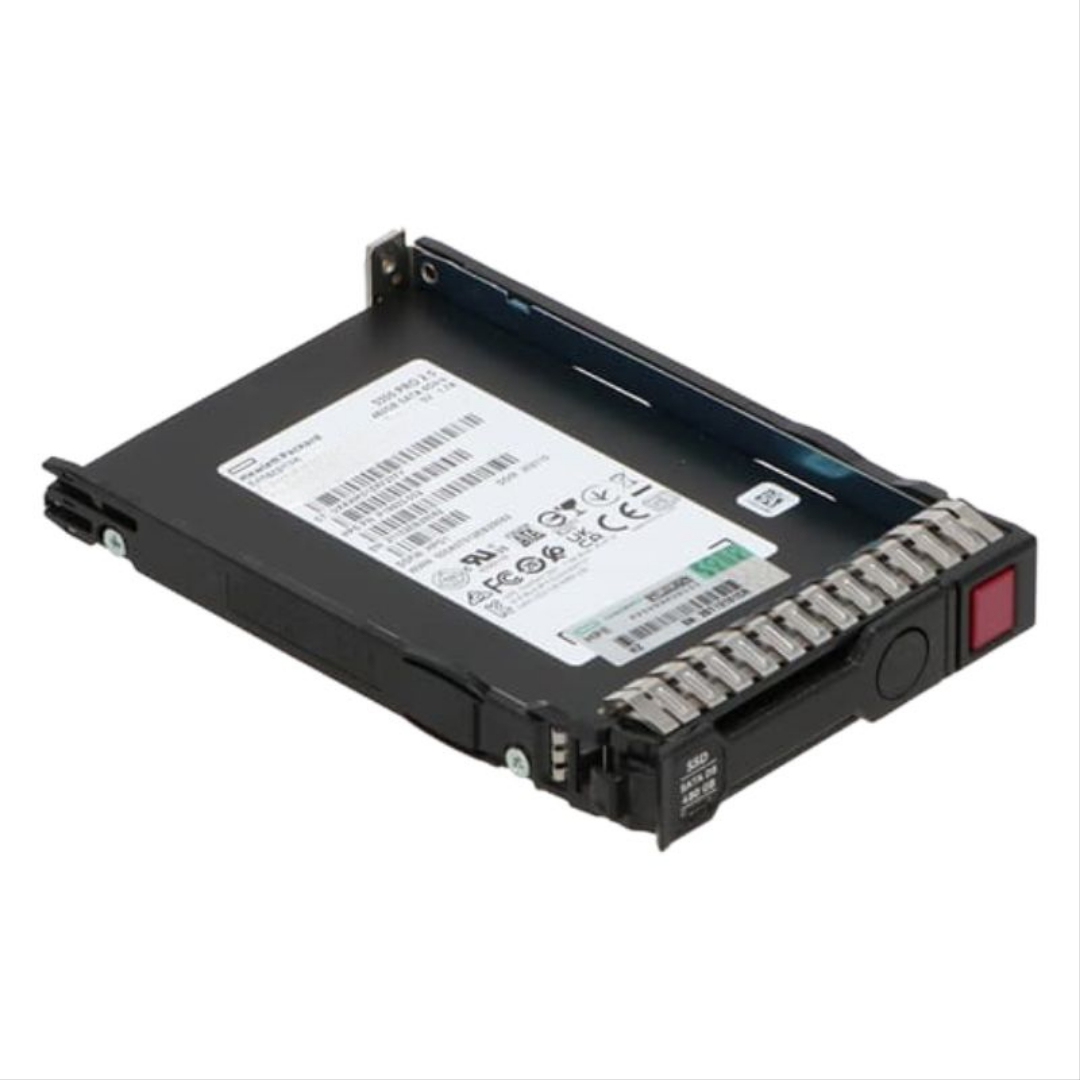


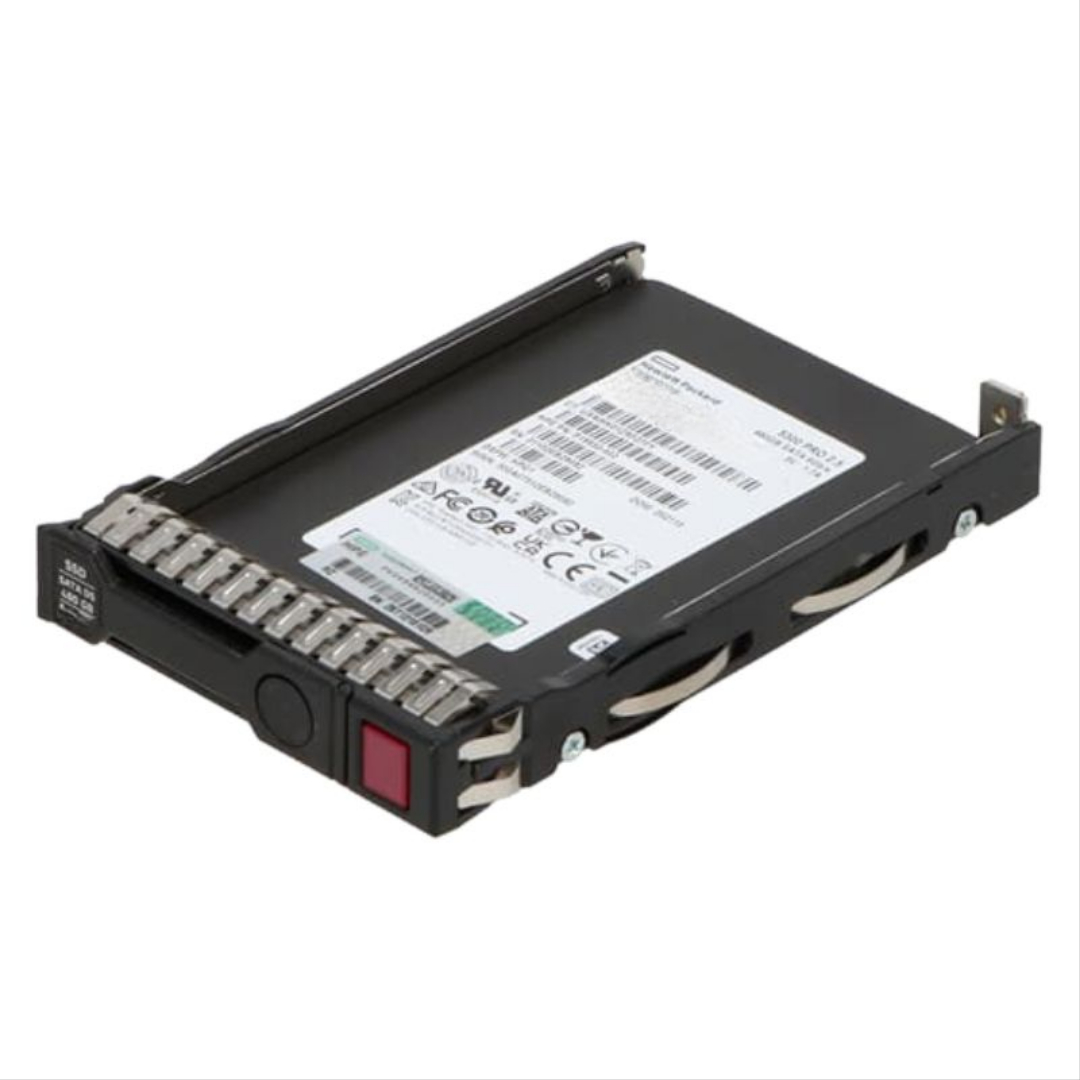
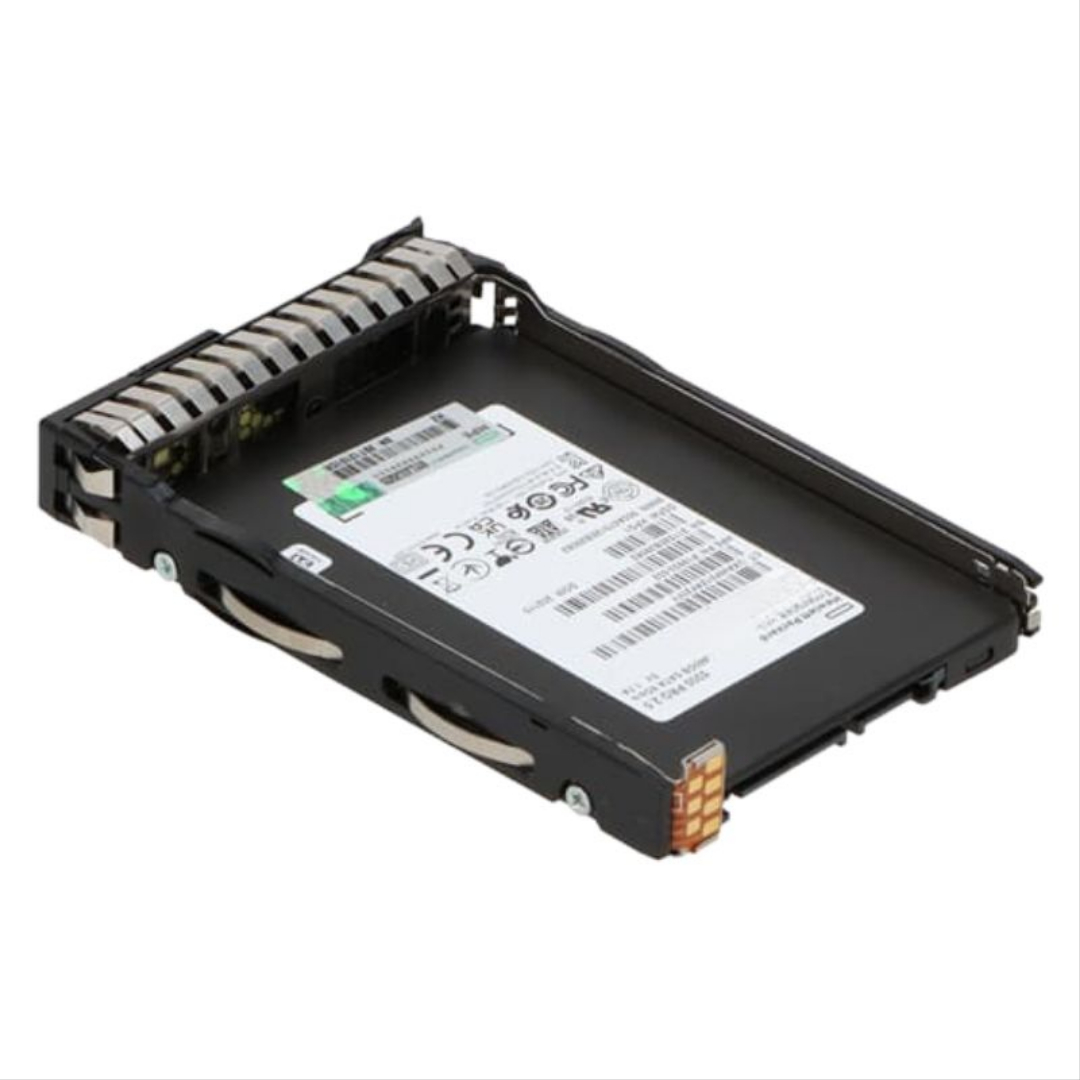
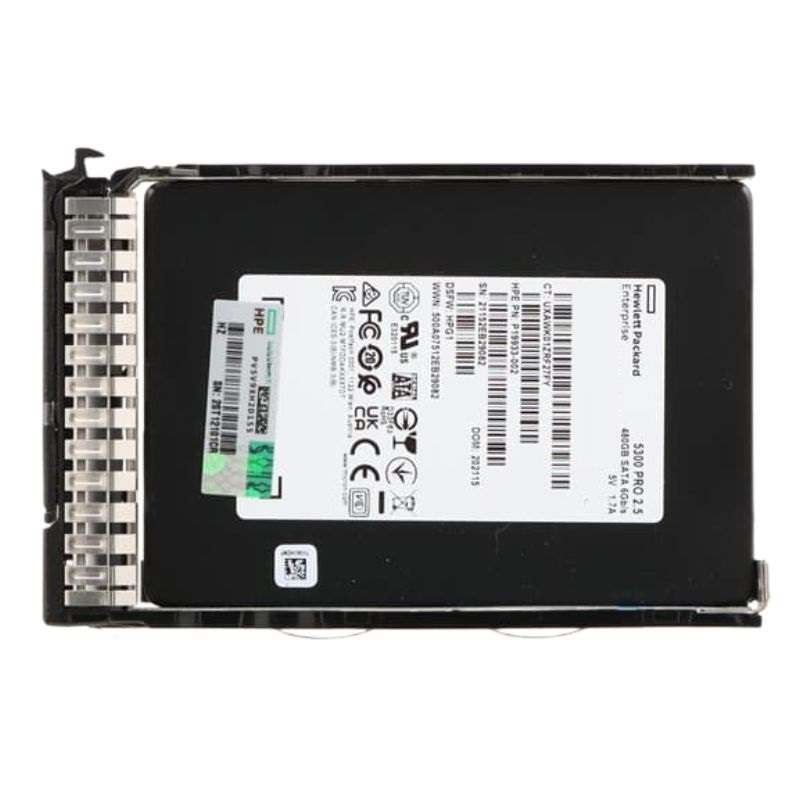
HPE 757375-001 480GB SATA 6GBPS Value Endurance Non Hot-Pluggable 2.5 Inch Solid State Drive. Excellent Refurbished with 1 year Replacement Warranty
The HPE 757375-001 480GB SATA 6Gbps Value Endurance 2.5 Inch Solid State Drive is engineered for businesses and enterprises requiring speed, dependability, and compatibility with HPE ProLiant systems. Designed to deliver impressive read and write efficiency, this non hot-pluggable SSD ensures optimized workflows across diverse IT infrastructures.
This SSD is manufactured with environmentally conscious materials, ensuring reduced environmental footprint and compliance with eco-labeling requirements.
The HPE 757375-001 SSD is tailored to operate seamlessly with HPE’s industry-leading servers, enhancing both storage performance and reliability. Compatible systems include:
The HPE 757375-001 480GB SATA 6Gbps Value Endurance Non Hot-Pluggable 2.5 Inch Solid State Drive is positioned as a cost-effective, reliable storage option for server and workstation environments that require consistent performance and endurance for mixed read/write workloads. As part of HPE’s value endurance family, this 2.5-inch SATA drive balances long-term reliability with competitive capacity and predictable throughput, making it suitable for tiered storage, boot volumes, read-intensive application data, cache layers, and light to moderate mixed transactional workloads. The product name and model number — HPE 757375-001 — should be used across category pages, product filters, and metadata to ensure exact-match searches convert efficiently, while related keywords such as “480GB SATA SSD”, “SATA 6Gbps 2.5-inch”, “value endurance SSD”, and “non hot-pluggable enterprise SSD” help attract intent-driven queries from system integrators, IT managers, and procurement teams.
Value endurance SSDs like the HPE 757375-001 are designed to bridge the gap between consumer-grade flash and high-endurance datacenter-class drives. They emphasize predictable write endurance and consistent performance under continuous or sustained use, without the premium cost associated with ultra-high endurance enterprise SSDs. The SATA 6Gbps interface and 2.5-inch form factor ensure broad compatibility with existing server trays, legacy storage appliances, and many blade and rack-mounted systems. The “non hot-pluggable” designation indicates intended use in systems where drives are installed and serviced while the system is offline, which is common for certain embedded, appliance, or specialized compute deployments. This class of drive is ideal for deployments that value a balanced cost-to-endurance ratio and predictable lifecycle behavior over pushing the limits of raw I/O performance.
On the technical side, the HPE 757375-001 leverages a SATA III 6.0 Gbps interface that is ubiquitous in servers and desktop-class hardware. While SATA does not deliver the raw parallelism of NVMe, it remains a dependable and cost-efficient interface for many workloads. The 2.5-inch physical footprint simplifies integration into standard drive bays and sleds, and it’s an excellent fit for dense chassis where 2.5-inch capacity and thermal characteristics are preferable to larger 3.5-inch HDDs. Value endurance drives emphasize steady-state performance: consistent latency, minimal performance degradation under sustained writes, and thermal resilience for prolonged operation. For system architects, these attributes translate to predictable boot times, reliable storage for virtual machine images, swap or paging volumes, and consistent behavior when used as part of a caching or tiering strategy in hybrid storage arrays.
Endurance is the defining metric for drives in the value endurance category. Rather than chasing maximum throughput on synthetic benchmarks, these SSDs are designed to sustain a reliable write budget across the drive’s service life. For procurement teams, the benefit is clear: drives with controlled endurance guarantees minimize unexpected failures and simplify lifecycle planning. While the exact endurance metrics vary by model and firmware, value endurance drives typically deliver a higher write tolerance than consumer SATA SSDs while remaining cost-effective. This reliability is reinforced by enterprise-grade flash management features such as wear leveling, bad block management, error correction, and power-loss protection where applicable. In many deployments, the combination of predictable endurance and robust flash management reduces MTTR and improves overall storage availability.
Compatibility is one of the most practical concerns when selecting an HPE 757375-001 or similar SSD. The 2.5-inch SATA form factor and SATA 6Gbps interface mean wide compatibility across HPE ProLiant servers, many third-party rack servers, legacy desktops, and specialized appliances. Because the drive is designated non hot-pluggable, it’s crucial to confirm whether the target chassis supports offline insertion or requires specific sleds or adapters. Integration notes typically include using validated drive carriers or caddies supplied by the server vendor, verifying BIOS/UEFI storage controller compatibility, and ensuring firmware revisions align with vendor support matrices. In environments that require hot-swap capability, system administrators should consider equivalent hot-pluggable models or ensure the system’s backplane supports SATA drives with hot-swap semantics; otherwise, planned maintenance windows will be required for drive replacement.
The HPE 757375-001 is particularly well-suited to multiple real-world use cases where predictable performance and value are prioritized. One common pattern is using these drives as boot or OS volumes for stateless or lightly stateful servers, where fast boot and firmware updates are important but the write workload is moderate. Another use case is read-heavy datasets such as static content repositories, web caches, and indexed search databases where consistent read latency improves end-user performance. In hybrid storage architectures, value endurance SATA SSDs can serve as an intermediate tier, acting as a cache in front of high-capacity HDDs to accelerate frequently accessed data while keeping costs down. They also fit well into remote office or branch office (ROBO) deployments where budgets are constrained but reliability and compatibility with existing server hardware remain essential.
When deployed as VM host volumes or container storage backends, value endurance drives provide a cost-effective way to accelerate guest operating systems and transient workloads. For virtualization administrators, the critical advantage is predictable performance for many small, random I/O patterns typical of multiple VMs sharing the same drive. Using the HPE 757375-001 for VM boot volumes, swap files, or container image layers helps reduce vMotion times and improves instance responsiveness without the expense of NVMe. Capacity planning for virtualization should account for the aggregate write behavior of hosted VMs, and administrators often mitigate endurance impact through thin provisioning, offloading write-heavy databases to higher-endurance tiers, and enabling storage-level deduplication or compression when supported by the hypervisor stack.
For enterprise storage architects and SMB IT teams, the HPE 757375-001 category offers a practical balance between cost and operational predictability. Enterprises can deploy these drives in large quantities for non-mission-critical tiers, freeing higher-performance NVMe or SAS SSDs for latency-sensitive databases. Small businesses benefit from the simplicity of SATA integration and the lower acquisition cost, which can extend limited budgets without sacrificing the reliability expectations of server-grade storage. In both cases, designing redundancy into the storage architecture—through RAID, erasure coding, or replication—protects against unlikely drive failures and ensures data durability across the storage fabric.
Firmware management is a central part of maintaining SSD health and stability. HPE-endorsed drives such as the 757375-001 are typically supported by firmware update tools and management utilities that allow IT staff to apply vendor-tested updates, monitor SMART attributes, and review drive health metrics. When building a category page or a knowledge base entry, include guidance that encourages administrators to track firmware revisions and to coordinate updates during maintenance windows. Proper firmware management reduces the risk of compatibility issues, addresses security advisories, and ensures the drive’s internal algorithms for garbage collection and wear leveling remain optimized for long-term endurance.
Monitoring is a best practice that complements the endurance profile of the HPE 757375-001. System telemetry and SMART data provide visibility into attributes such as reallocated sectors, wear indicators, and uncorrectable error counts. Modern storage management suites and server platform tools can ingest this data and flag early signs of wear or impending failure. For teams managing fleets of drives, establishing baseline thresholds for SMART attributes and integrating alerts into a central operations dashboard can minimize surprise downtime. Predictive failure analysis combined with planned replacement cycles converts the theoretical endurance guarantees into practical uptime improvements for production services.
Security and data sanitization are important considerations for any storage category. While some enterprise SSDs provide hardware-based encryption and secure erase features, the availability and implementation vary across models. When documenting the HPE 757375-001 on a category page, recommend that buyers verify the drive’s support for secure erase methods and whether hardware encryption is present or if software-based encryption is necessary. For decommissioning drives, follow industry best practices and local regulatory guidance for data sanitization, and consider vendor-provided secure erase utilities or certified data destruction services for sensitive workloads.


 Contact Us
 Information
 Catalog
 Solid State Drives (SSD)
 Network Switches
 Hard Disk Drives
 HBA & Controllers
 PC & Servers
 PC & Server Memory
 CPU & Processors
 Network Routers
 Power Supplies
 Tape Drives & Libraries
 Network Devices
 Computer & Network Cables