(7% discount is applied at checkout)
Cart is empty
Your go-to destination for cutting-edge server products
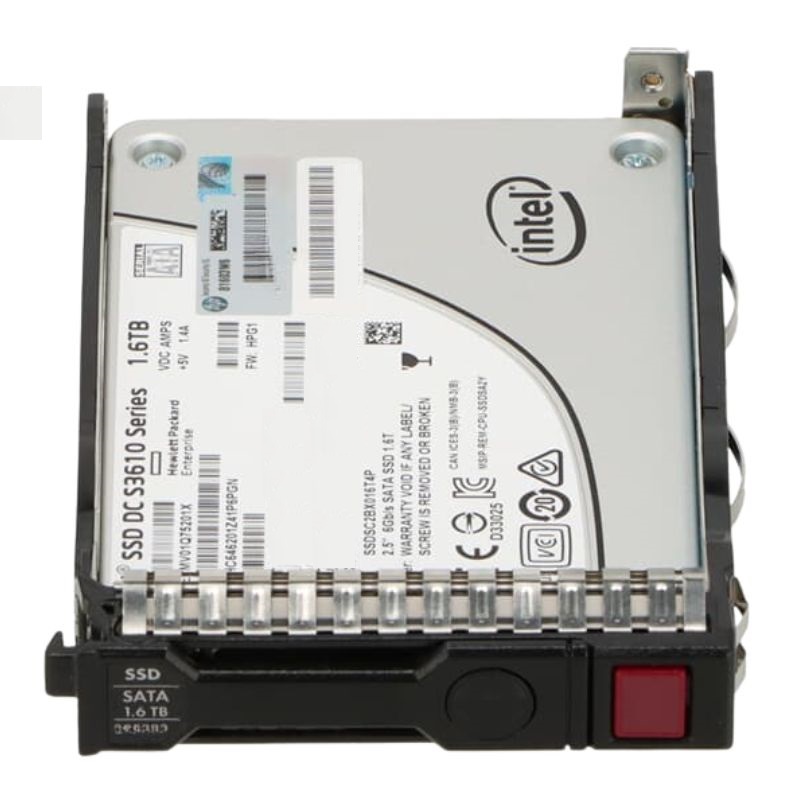


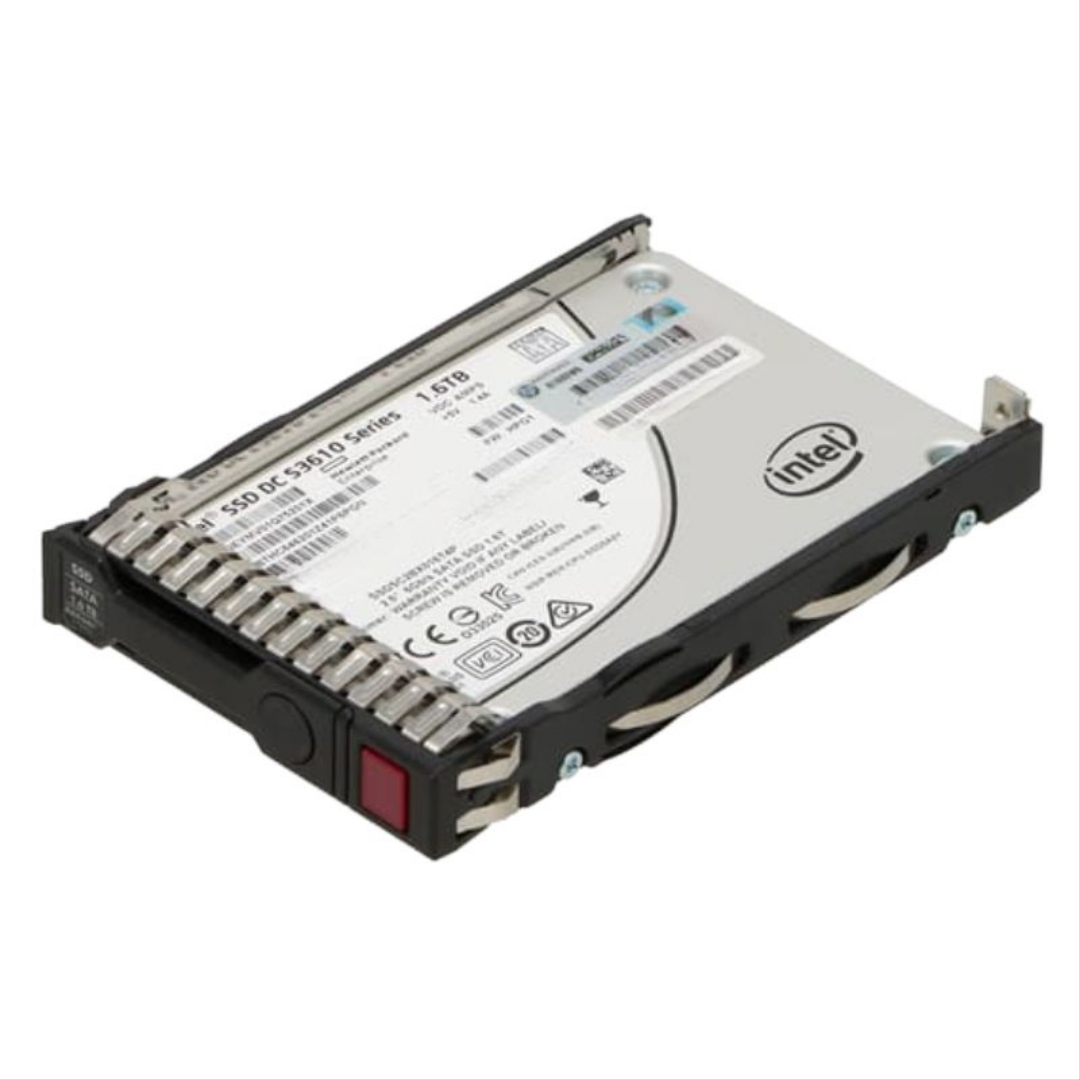
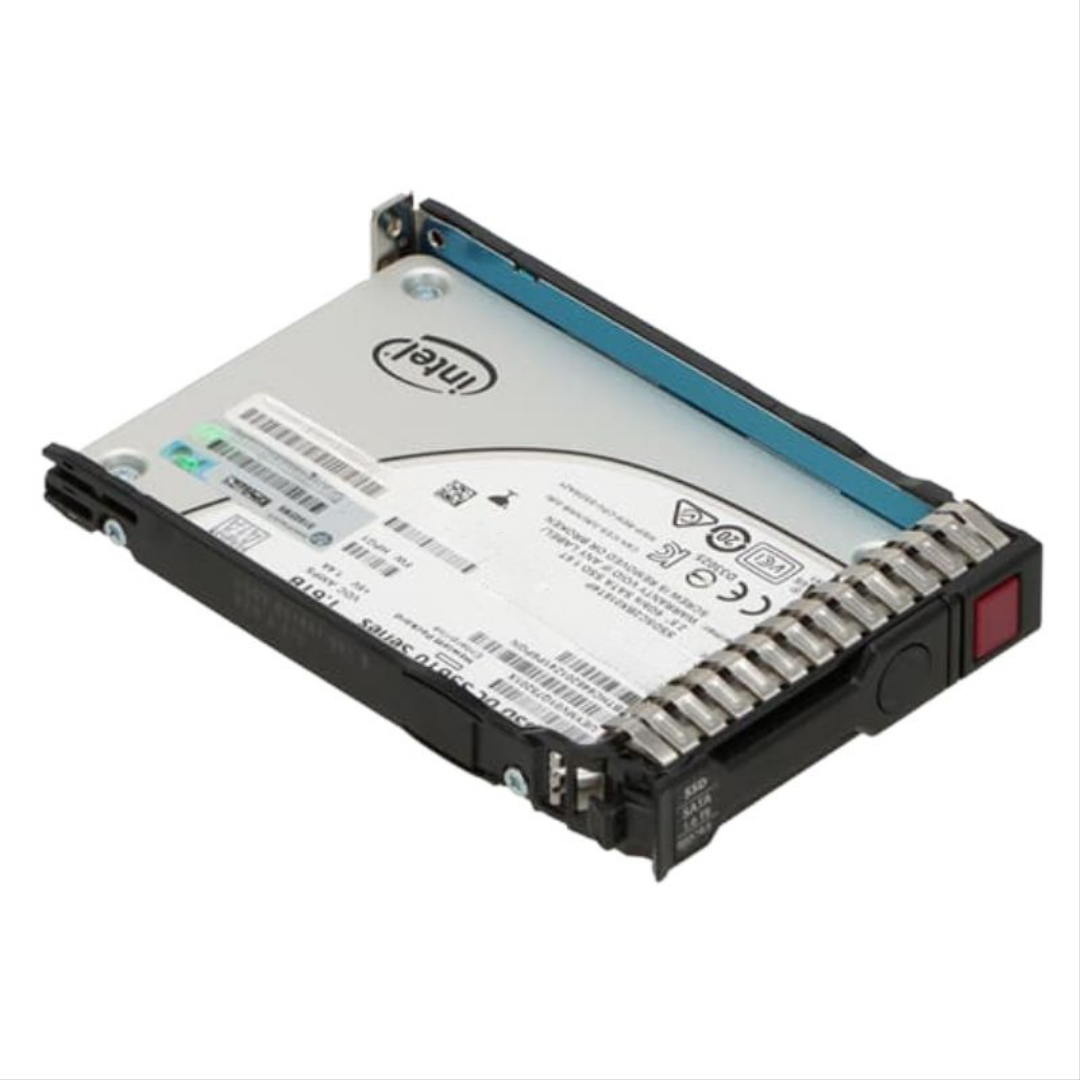
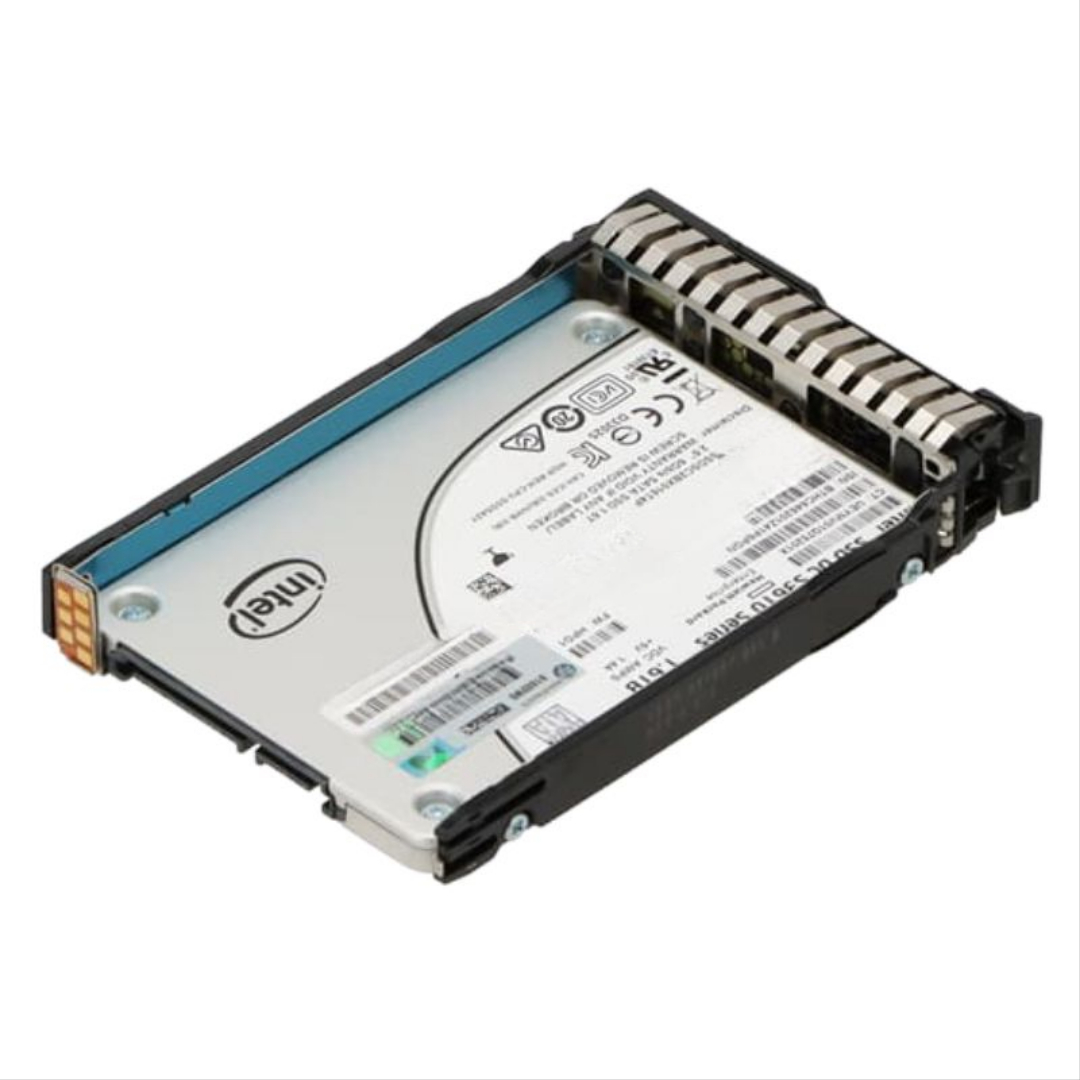
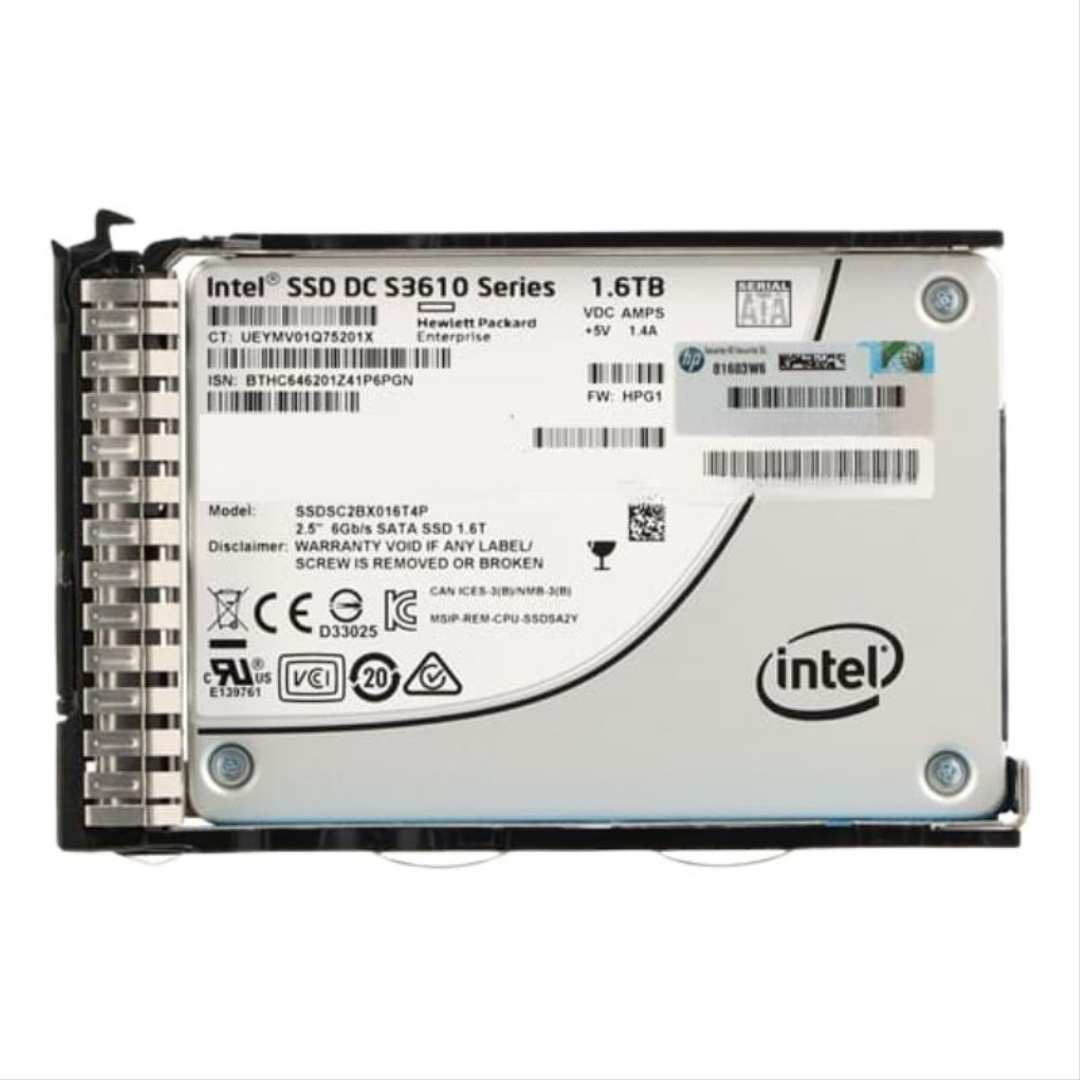
HPE 757386-001 1.6TB SATA 6GBPS 2.5 Inch SFF MLC Internal Solid State Drive for Gen9 Servers. New (System) Pull with 1 year replacement warranty
The HPE 757386-001 1.6TB SATA 6Gbps 2.5-Inch Small Form Factor MLC Internal Solid State Drive is specifically designed for Gen9 servers, offering outstanding performance, optimized efficiency, and reliable storage capabilities for enterprise environments.
The HPE 757386-001 SSD is tailored for Gen9 server infrastructure, ensuring seamless integration and optimal system performance. Compatible with:
With its 6Gbps SATA interface and MLC flash memory, this SSD delivers high read/write speeds, making it an excellent choice for intensive workloads, database applications, and high-volume transactions.
Designed with eco-friendly standards, this enterprise-grade SSD helps reduce power usage while maintaining consistent performance.
Featuring proven durability and robust design, the HPE 757386-001 enhances overall server dependability, ensuring uninterrupted operations in data-driven environments.
The HPE 757386-001 1.6TB SATA 6Gbps 2.5 Inch SFF MLC Internal Solid State Drive is positioned as a high-reliability storage option designed specifically for HPE Gen9 server environments. This category covers enterprise-grade 2.5 inch small form factor (SFF) solid state drives using Multi-Level Cell (MLC) NAND flash technology, delivering a balanced combination of endurance, throughput, and cost-efficiency. The drive's SATA 6Gbps interface ensures compatibility with a wide range of server backplanes and controllers while providing sustained sequential and random performance that meets the demands of boot, caching, tiered storage, and mixed workload environments. For IT teams looking to optimize Gen9 servers with proven HPE-branded components, this product category offers a dependable upgrade path that maintains system firmware compatibility and support coverage.
The heart of the category centers on the HPE 757386-001 drive’s vital technical specifications: a 1.6TB capacity in a 2.5 inch SFF form factor, SATA 6Gbps interface, and MLC NAND. The 1.6TB capacity enables dense storage consolidation in 2U and 1U rack servers, allowing administrators to reduce the number of physical drives per array while preserving high availability. The SATA 6Gbps link rate ensures full backward compatibility with SATA controllers and provides sufficient bandwidth for many enterprise application profiles. MLC NAND technology delivers a durable write endurance versus consumer-grade alternatives, making it suitable for read-heavy and mixed-intensity workloads typical in virtualization, database caching, and sequential log-append patterns.
Performance in this category is characterized by low-latency random reads and writes, robust sequential throughput for large file transfers, and predictable quality-of-service behavior under sustained load. While NVMe solutions may offer lower latency and higher parallelism, SATA MLC SSDs remain cost-effective for use cases that require a balance of price and performance. The HPE 757386-001 is optimized for server environments where SATA connectivity is the standard, and where tight firmware integration with HPE Gen9 controllers yields consistent device reporting, SMART telemetry, and lifecycle management through HPE tools.
Endurance metrics in this product category are a critical differentiator from consumer SSDs. The MLC NAND used in HPE 757386-001 provides higher program/erase cycle endurance, superior error management, and improved retention characteristics. Enterprise-level firmware implements power-loss protection strategies, advanced error correction, and wear-leveling algorithms to preserve drive lifespan under continuous operation. HPE-branded drives often include firmware signatures and compatibility testing specific to HPE Gen9 servers, which reduces the risk of incompatibility with RAID controllers, drive enclosures, and system management interfaces.
One of the main selling points for purchasing an HPE 757386-001 SSD is guaranteed compatibility with HPE ProLiant Gen9 family servers. The drive is intended to work seamlessly with HPE Smart Array controllers and HPE system firmware, enabling system administrators to monitor health parameters via iLO (Integrated Lights-Out) and other HPE management consoles. Full compatibility typically means that firmware-level reporting of metrics such as temperature, wear level, power cycles, and SMART attributes will be accurate and available through the HPE management stack, simplifying inventory, warranty validation, and predictive maintenance workflows.
Within the category, drives are usually offered both as bare internal units and pre-mounted in HPE hot-swap drive caddies compatible with Gen9 drive bays. Hot-swap compatibility allows for in-service replacement and scalability in high-availability configurations without server downtime. Administrators should verify caddy part numbers and carrier compatibility to ensure the drive will seat properly in the server bay and be recognized by the backplane and RAID controllers. The 2.5 inch SFF form factor enables high-density storage configurations in blade and rack servers where space and airflow considerations are prioritized.
This category of 1.6TB SATA MLC SSDs is particularly well suited for a set of recurring enterprise use cases. As primary boot drives, these SSDs reduce OS boot times and improve application startup latency while being robust enough to handle frequent system writes. In tiered storage architectures, they serve as fast tiers for hot data and caches in front of larger-capacity HDD arrays or hybrid storage systems. Virtualized infrastructures also benefit from consistent random I/O performance, which improves VM density per host and reduces VM-level latency variability. For read-intensive database workloads, log processing, and analytics where predictable reads and sequential throughput are necessary, these SSDs provide reliable service at a lower cost point than higher-endurance or NVMe alternatives.
Although not primarily designed for long-term archival—where cost-per-gigabyte of HDDs can be lower—these drives still have a role in fast-access secondary storage pools and SAN/NAS systems where speed for active datasets matters. Because of the 1.6TB capacity, administrators can repurpose drives from decommissioned Gen9 servers into secondary arrays or use them as rebuild targets during capacity expansions. Their relatively low power consumption compared to spinning media also contributes to overall rack-level energy efficiency, making them an attractive option for mixed-density data centers.


 Contact Us
 Information
 Catalog
 Solid State Drives (SSD)
 Network Switches
 Hard Disk Drives
 HBA & Controllers
 PC & Servers
 PC & Server Memory
 CPU & Processors
 Network Routers
 Power Supplies
 Tape Drives & Libraries
 Network Devices
 Computer & Network Cables