(7% discount is applied at checkout)
Cart is empty
Your go-to destination for cutting-edge server products
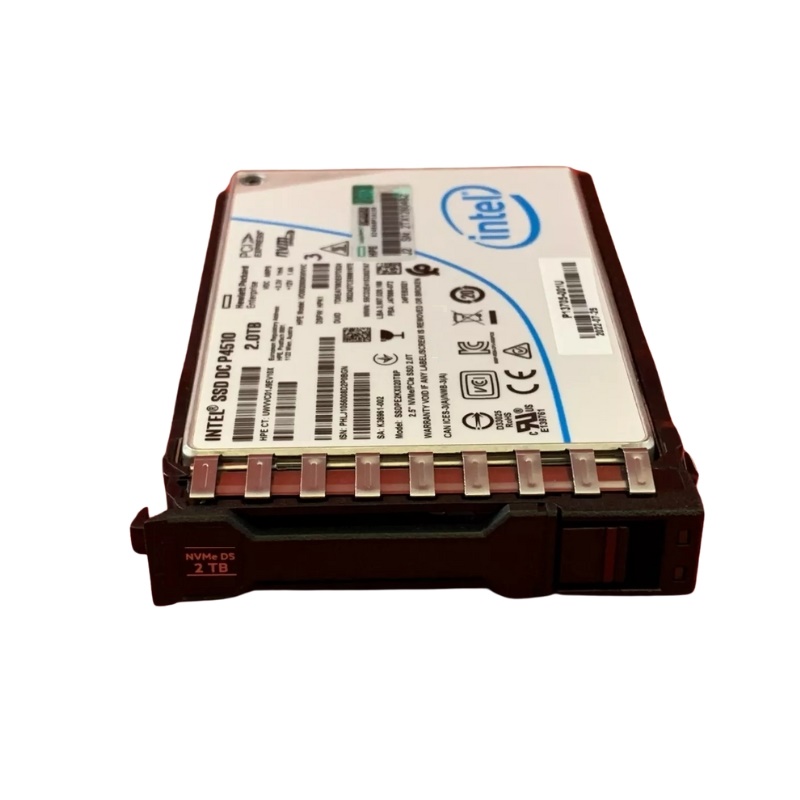


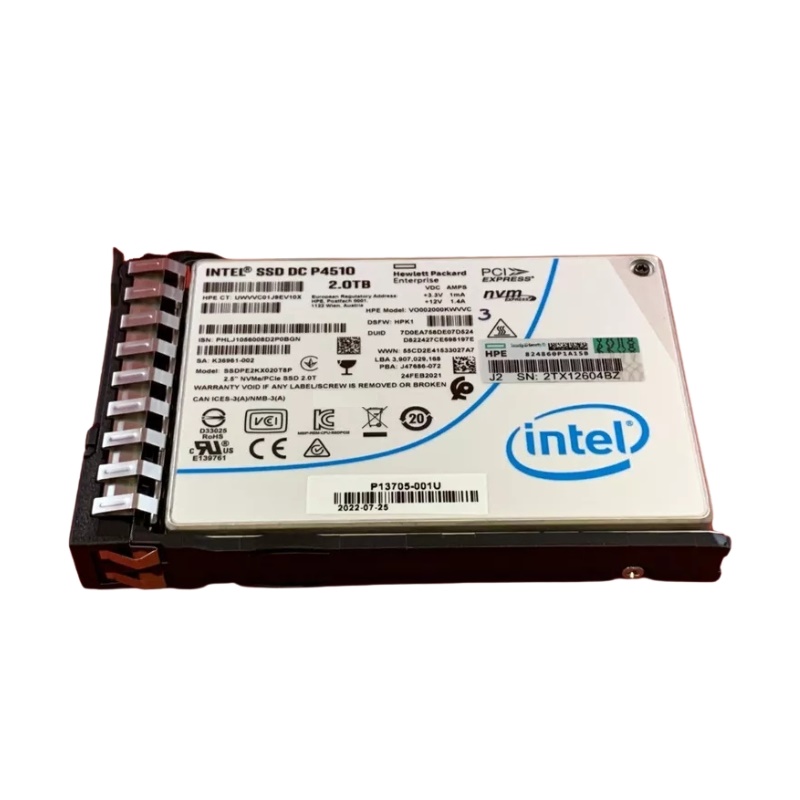
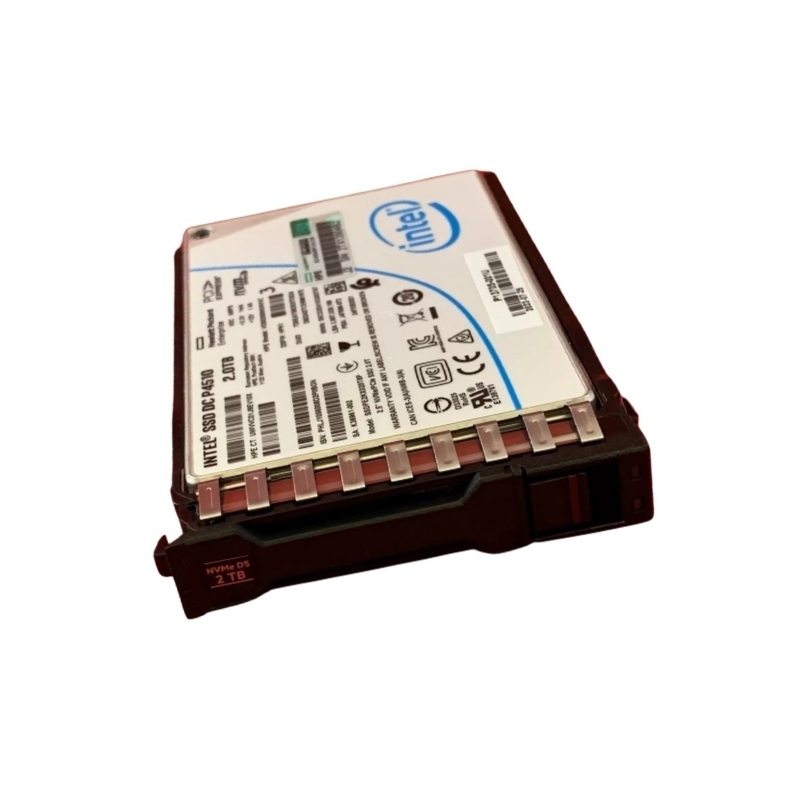
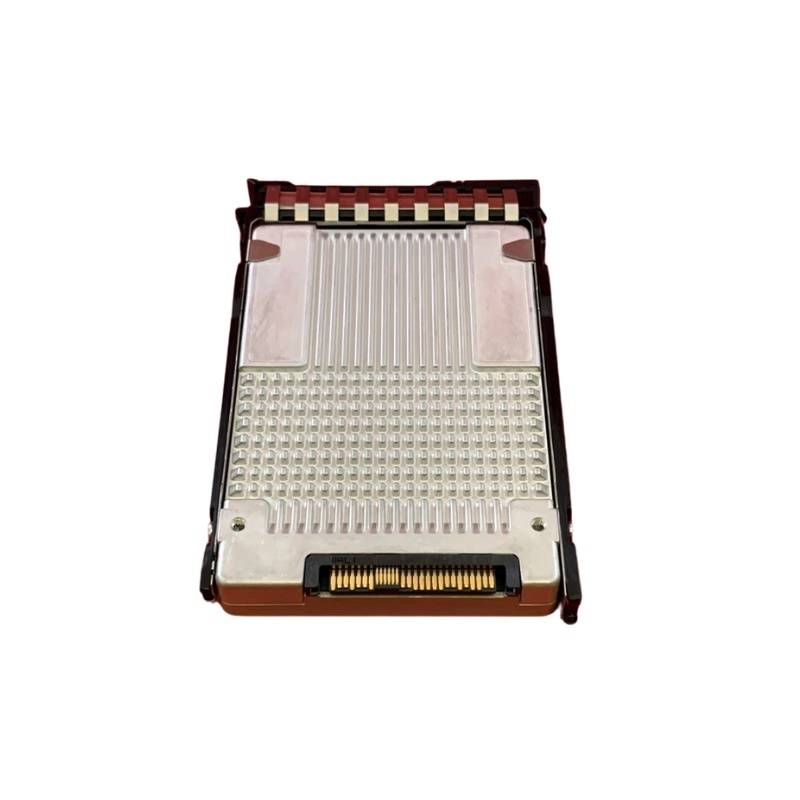
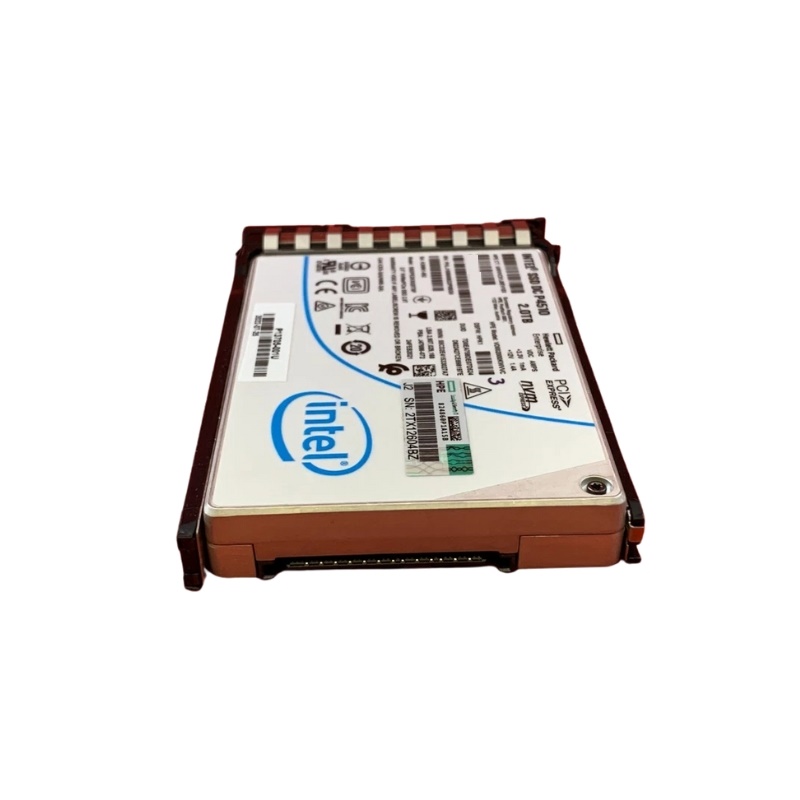
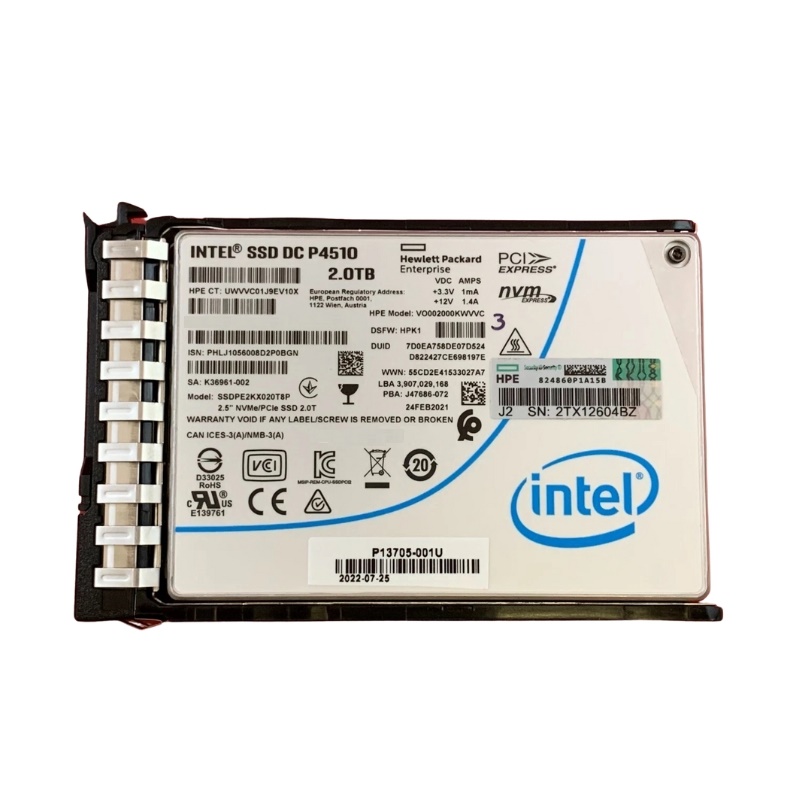
HPE 765069-001 2TB PCI-E Nvme Read Intensive SFF 2.5-inch SC2 SSD. New (System) Pull with 1 year replacement warranty
| SKU/MPN | Warranty | Price | Condition | You save |
|---|---|---|---|---|
| 765069-001 | 1 Year Warranty | $1,871.00 | New (System) Pull | You save: $654.85 (26%) |
| 765069-001 | 1 Year Warranty | $699.00 | Excellent Refurbished | You save: $244.65 (26%) |
The HPE 765069-001 is a high-performance 2TB PCIe NVMe solid-state drive engineered for read-intensive workloads. Designed in a compact 2.5-inch Small Form Factor (SFF), this SC2 SSD delivers enterprise-grade reliability and speed for data-driven environments.
This SSD is compatible with HPE ProLiant servers and storage arrays supporting PCIe NVMe drives. It integrates seamlessly into existing enterprise infrastructure, offering scalable performance without compromising reliability.
NVMe (Non-Volatile Memory Express) enables faster data transfer rates and lower latency compared to traditional SATA-based SSDs. The HPE 765069-001 leverages this protocol to deliver superior throughput for read-heavy environments.
The HPE 765069-001 2TB PCI-E NVMe Read Intensive SFF 2.5 Inch SC2 SSD sits at the intersection of enterprise-grade reliability, compact form-factor efficiency, and high read performance. This category focuses on storage solutions designed for read-heavy server workloads, cache acceleration, content delivery, analytics nodes, and virtual desktop infrastructure (VDI) read caches. Customers shopping within this category expect robust endurance metrics tailored to read-intensive use cases, consistent low latency under sustained load, NVMe protocol advantages over AHCI/SATA, and compatibility with modern HPE server platforms and storage enclosures. The category addresses decision factors such as drive interface, form factor, endurance rating, power characteristics, thermal considerations, firmware features, and long-term compatibility with HPE control software and management utilities.
Read-intensive NVMe SSDs like the HPE 765069-001 are engineered with asymmetric endurance profiles: designed to provide long life under workloads dominated by read operations while still offering acceptable write tolerance for metadata updates, logging, and occasional bulk writes. Endurance metrics are typically expressed as Drive Writes Per Day (DWPD) or Total Bytes Written (TBW) over the warranty period. For read-intensive drives, vendors guarantee lower DWPD compared to mixed-use or write-intensive enterprise SSDs, reflecting realistic operational expectations and providing a more cost-efficient option for read-heavy deployments.
NVMe (Non-Volatile Memory Express) is the definitive interface for modern high-performance SSDs. NVMe brings lower command overhead, higher queue depths, and more parallelism than legacy storage interfaces. For the HPE 765069-001 and other NVMe read-intensive drives, NVMe delivers:
Lower latency for both random and sequential reads compared to SATA/SAS alternatives.
Support for multiple submission completion queues enabling better multi-core scaling.
Advanced features such as namespaces, power management states, and vendor-specific telemetry.
The SFF 2.5-inch form factor provides a compact footprint ideal for dense server environments and blade enclosures. HPE’s implementation of the SC2 connector and sleds ensures easy hot-swap capability and compatibility with a wide range of HPE Gen9/Gen10/Gen11 servers and storage bays. The 2.5-inch SFF form allows higher drive counts per chassis, reducing per-terabyte rack space and enabling higher IOPS per rack U or per watt.
Read-intensive NVMe SSDs are tuned to maximize read throughput and IOPS. The HPE 765069-001 typically offers:
High sequential read throughput: ideal for large file access, streaming, and data distribution tasks.
High random read IOPS: critical for database read queries, VDI boot storms, and metadata lookups in distributed file systems.
Consistent performance at scale: predictable latency even under multi-tenant or multi-threaded loads due to NVMe’s parallelism.
The drive’s controller, NAND type (e.g., TLC, QLC), and firmware optimization determine behavior under sustained loads. Read-intensive drives often pair a controller tuned for read operations with NAND that offers an economical balance between cost and endurance. Firmware features to watch for include:
Advanced error correction and wear-leveling algorithms to prolong usable life in read-heavy scenarios.
Power loss protection (PLP) or graceful shutdown mechanisms for metadata integrity.
Telemetry reporting (SMART attributes and vendor telemetry) for proactive monitoring and predictive failure analysis.
Support for secure erase, firmware update processes, and HPE-branded firmware compatibility for integration with HPE iLO or management tools.
For content delivery networks (CDNs), video streaming platforms, and media repositories, the HPE 765069-001 provides fast sequential reads required to serve large files to many clients simultaneously. Its 2TB capacity enables caching of sizeable media libraries on local nodes, reducing upstream latency and network congestion.
Analytical platforms and read replicas of transactional databases benefit from the drive’s optimized random read performance. Use as local storage for read replicas, OLAP query cache, or columnar data stores accelerates query response times and lowers overall cluster compute latency.
VDI clusters often produce read-heavy bursts (boot storms, login storms). Deploying these NVMe read-intensive SSDs for boot caches, image stores, or pool storage dramatically improves boot/login times while remaining cost effective compared to write-endurance-focused SSDs.
Edge computing nodes with constrained power and space profiles need dense, low-power high-read performance. The SFF 2.5-inch NVMe drives fit compact edge servers and micro-data centers while offering predictable read performance for local caching and rapid data access.
The SC2 interface and HPE part number designation ensure that the 765069-001 integrates with HPE’s server families and storage enclosures. Compatibility extends across supported generations; however, purchasers must verify exact server firmware and BIOS support for specific NVMe revisions (Gen3 vs Gen4) and check whether any drive carrier or sled firmware updates are required for full hot-swap and management feature support.
Thermal behavior is crucial for NVMe SSD reliability and sustained performance. The HPE 765069-001 is designed to operate within enterprise temperature limits, but in dense server configurations airflow and rack ventilation must be adequate to prevent thermal throttling. Consider:
Maintaining recommended inlet and exhaust temperatures for the server chassis.
Using HPE validated drive carriers that enhance thermal transfer and prevent hot-spot formation.
Monitoring sustained temperatures and interpreting NVMe thermal throttling telemetry to adjust airflow or reduce packing density if necessary.
Read-intensive SSDs are optimized for lower active power during read operations and may support advanced NVMe power states for idle power reduction. For large deployments, efficiency at scale contributes significantly to operational costs — performance per watt is an important metric when calculating TCO for enterprise storage tiers.
Enterprise SFF drives meet server operational shock and vibration tolerances. When installing the 2.5-inch drives, use HPE drive carriers and mounting rails to ensure secure mechanical fit and to reduce the risk of connector damage during hot-swap operations.
Enterprise NVMe drives often include hardware-level security features such as secure erase, TCG Opal support, and cryptographic erase capabilities. These features help meet data sanitization policies and compliance requirements. Confirm whether a specific HPE 765069-001 revision includes TCG Opal or other self-encrypting drive (SED) capabilities if encryption at rest is required by your security policy.
While some enterprise drives include onboard capacitors or firmware mechanisms to protect in-flight data during sudden power loss, read-intensive drives may prioritize different tradeoffs. Ensure that workloads which require strict write durability (e.g., journaling, transactional logs) are paired with drives that explicitly provide power loss protection if needed. Otherwise, place such workloads on drives with write-focused endurance and PLP features.
Firmware updates are crucial for stability, security patches, and performance tuning. HPE provides validated firmware revisions for drives deployed in HPE systems — follow vendor guidance for update scheduling, fallback procedures, and update testing in staging environments before rolling into production.
Compared to mixed-use drives, the HPE 765069-001 typically provides:
Lower cost per GB due to optimized NAND selection and endurance tradeoffs.
Higher read performance per dollar for read-dominant workloads.
Reduced write endurance guarantees — acceptable for read-dominant deployments but potentially unsuitable for heavy logging or transactional write stores.
If your workload exhibits high write amplification or sustained write patterns (e.g., heavy transactional databases, write-intensive caching), consider mixed-use or write-intensive NVMe drives with higher DWPD ratings despite higher cost. Pair those drives with workload-aware caching policies to maximize lifespan.
A common architecture leverages read-intensive NVMe drives as a hot tier or cache in front of larger, cheaper capacity tiers. This hybrid approach provides:
Fast access to active datasets on NVMe caches.
Automated tiering software capability to promote/demote blocks based on access patterns.


 Contact Us
 Information
 Catalog
 Solid State Drives (SSD)
 Network Switches
 Hard Disk Drives
 HBA & Controllers
 PC & Servers
 PC & Server Memory
 CPU & Processors
 Network Routers
 Power Supplies
 Tape Drives & Libraries
 Network Devices
 Computer & Network Cables