(7% discount is applied at checkout)
Cart is empty
Your go-to destination for cutting-edge server products
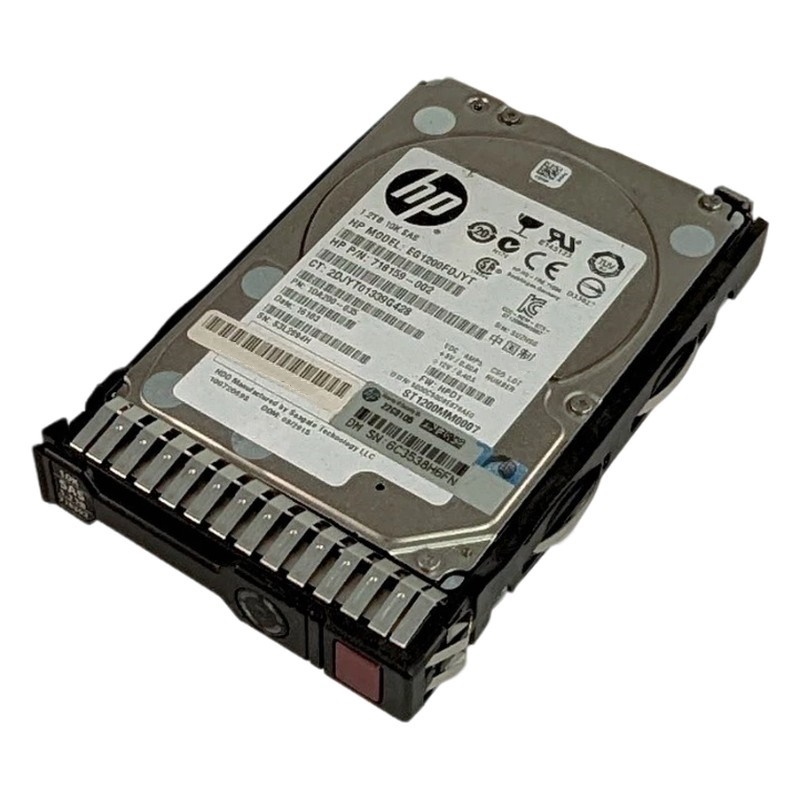


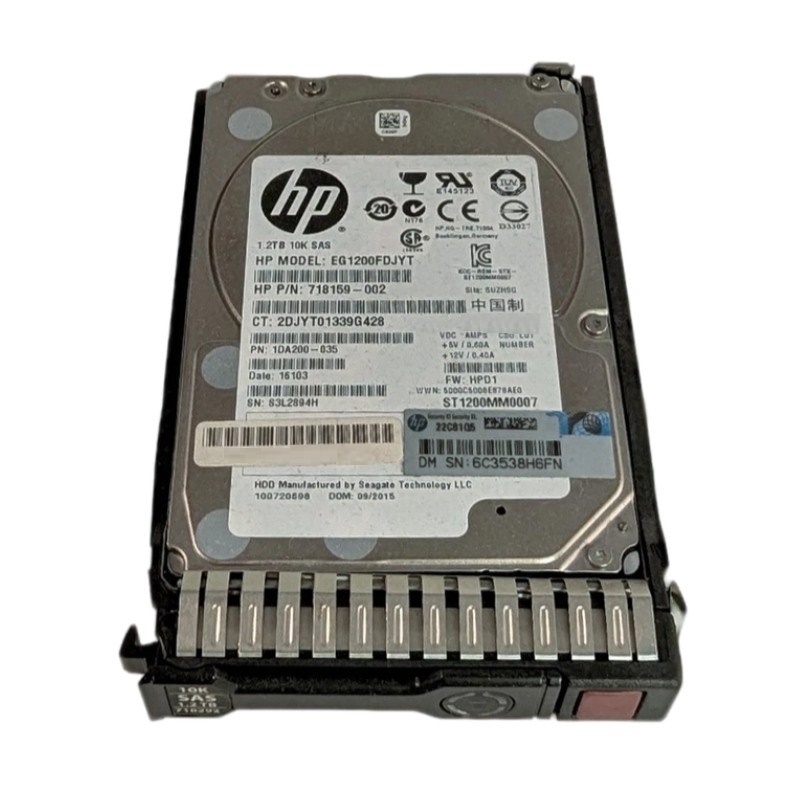
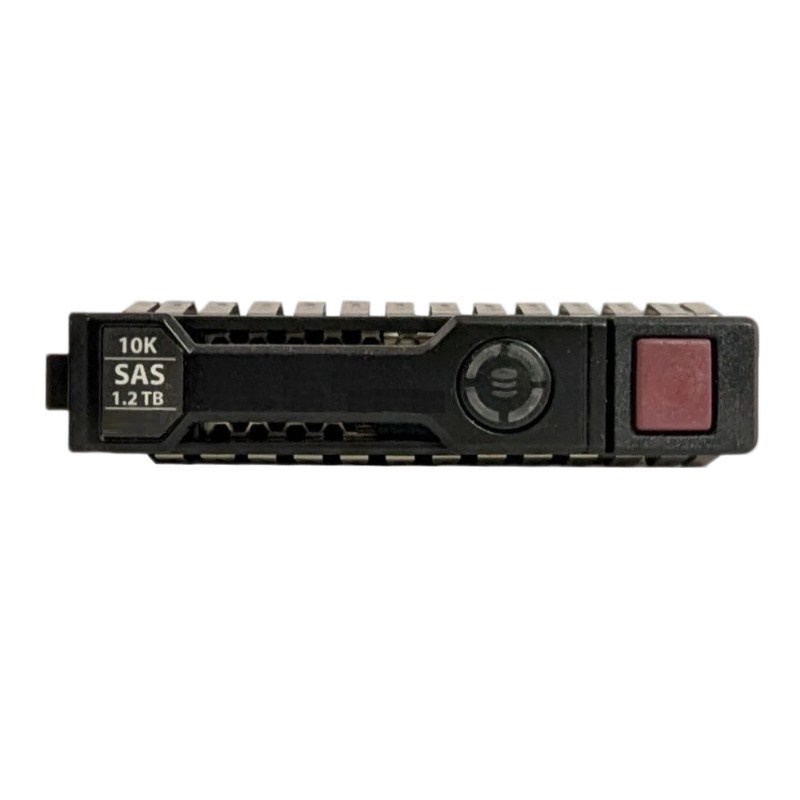
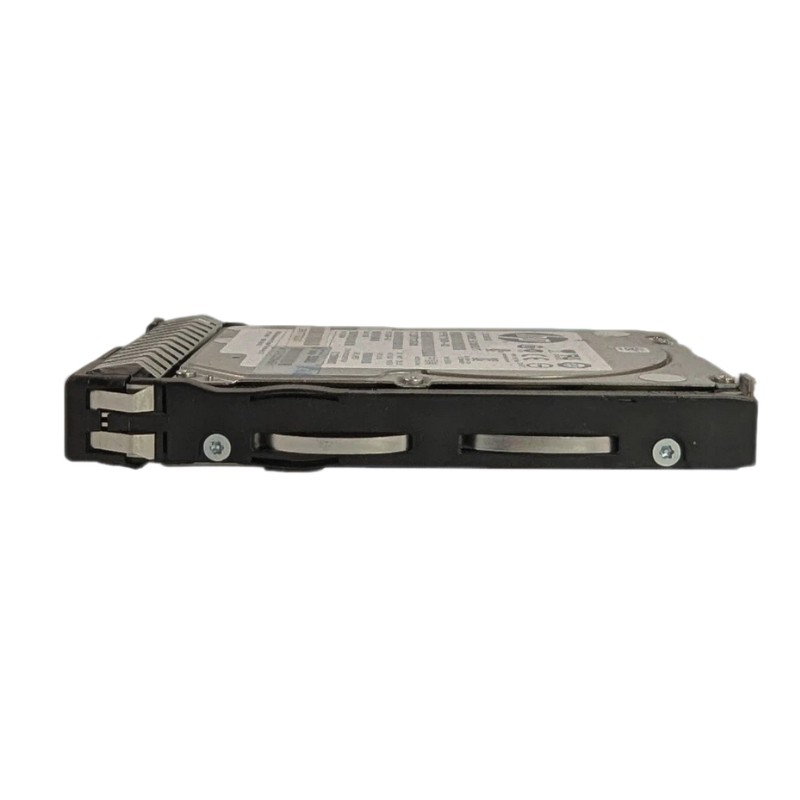
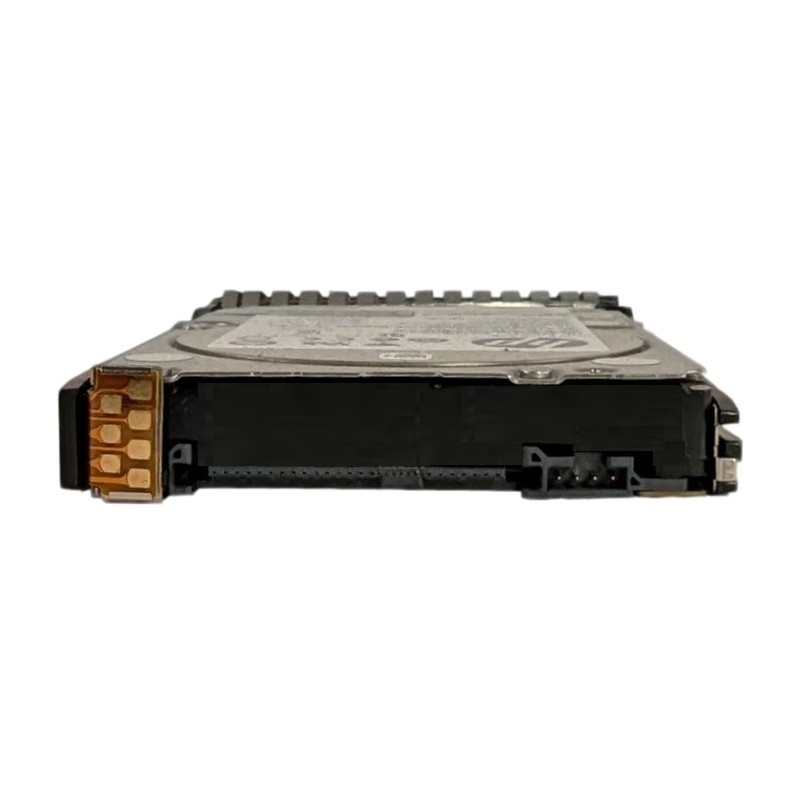
HPE 777392-001 1.2TB SAS 6GBPS 10K RPM 2.5inch Mainstream Endurance Hot Pluggable Internal Hard Disk Drive. Excellent Refurbished with 1 year replacement warranty
This detailed breakdown provides an in-depth analysis of the core engineering attributes and performance metrics for this specific storage component.
The HPE 777392-001 1.2TB SAS 6Gbps 10K RPM 2.5-inch Mainstream Endurance hot-pluggable internal hard disk drive occupies a critical position in modern mid-to-large enterprise storage infrastructures. Engineered for balanced performance and longevity, this drive blends rotational speed, enterprise-grade connectivity and a compact small-form-factor (SFF) design to meet the demands of mixed workload environments. Its design intent is to serve as a reliable building block inside HPE servers and storage arrays where read/write consistency, predictable latency and long service life are core purchasing drivers.
This family of 2.5-inch SAS drives is optimized for dense server bays and storage enclosures where space efficiency and thermal management are paramount. The 2.5-inch form factor reduces enclosure footprint and allows higher drive counts per chassis compared with larger disks. Because it’s engineered as a hot-pluggable internal unit, the drive supports live replacement and maintenance workflows that minimize downtime in mission-critical deployments.
Equipped with a 6Gbps Serial Attached SCSI (SAS) interface and spinning at 10,000 revolutions per minute, the drive sits in the performance-oriented tier of mechanical media. The 777392-001 SAS interface delivers enterprise-focused signaling, error handling and dual-port configurations on some models, all of which contribute to robust connectivity inside RAID arrays and modular JBOD/RAID enclosures. The 10K RPM speed helps lower average latency compared to 7.2K RPM drives, which makes the device well-suited for database indexes, virtualization platform boot volumes and other I/O-sensitive roles.
At 1.2TB, the drive provides a balance of usable capacity and performance for tiered storage strategies. The “Mainstream Endurance” designation signals that the device is intended for workloads with steady, continuous I/O rather than for the extreme write-intensive patterns reserved for specialized endurance-focused SSDs. In practice, these drives are ideal for a wide variety of enterprise applications including primary and secondary storage tiers, collaborative file systems, and archival pools where rotational media remains a cost-effective option.
Hot-pluggable drives enable administrators to replace failed drives without powering down servers, an essential capability for maintaining high availability. The mechanical and electrical connectors are designed to tolerate repeated drive insertions and removals while preserving signal integrity and minimizing the risk of backplane wear. For service centers and on-site operations, the HPE 777392-001 simplifies spares management and helps streamline procurement of compatible devices for HPE ProLiant servers and HPE storage arrays.
Products in this category are engineered with enhanced error detection and correction routines and typically undergo rigorous validation cycles to qualify for enterprise use. The SAS protocol includes robust error recovery behavior that complements on-disk ECC and firmware-level corrections. Together these layers reduce the likelihood of silent data corruption and provide a predictable behavior model when drives encounter transient errors or recoverable conditions.
Because rotational latency and seek time are the primary limiting factors for HDD random I/O, the 10K RPM spindle speed noticeably improves IOPS capability relative to slower platters. This makes the 777392-001 1.2TB 10K SAS drive effective for random-read dominated workloads and mixed small-block I/O patterns. In virtualized environments and OLTP databases where many small, random I/Os dictate application responsiveness, deploying a sufficient number of these drives within a RAID configuration can deliver predictable latency under load.
For sequential workloads such as backup staging, cold-media streaming and large-block transfers, the drive’s sustained throughput characteristics provide a cost-optimized option when compared to flash. When paired with intelligent caching or hybrid tiering strategies, these drives can supply bulk capacity while flash layers accelerate hot data. The result is a storage architecture that balances performance and cost without overprovisioning flash for every dataset.
Virtual machines and containerized workloads often generate highly random I/O across many virtual disks. The efficiency gains from faster spindle speeds and SAS connectivity make this drive category a solid choice for denser consolidation ratios in hyperconverged infrastructures or virtualized server environments when full flash is cost-prohibitive. Properly architected RAID groups and caching layers are still required to optimize read/write amplification and prevent bottlenecks.
In enterprise arrays, these drives are frequently deployed in RAID configurations that deliver fault tolerance plus performance. RAID levels with parity, such as RAID 5 or RAID 6, are common for capacity-efficient deployments, while RAID 10 is preferred when synthetic benchmark-driven IOPS and lower rebuild times are priority. Because rebuild times and rebuild impact differ markedly between drive types, administrators should evaluate rebuild window SLAs and choose RAID topologies that match availability targets.
One proven approach is to pair a flash tier with a rotating-media tier and use policy-based data movement to place hot blocks on flash and cooler blocks on 1.2TB SAS drives. This hybrid model leverages the drive’s strengths—stable throughput and cost per gigabyte—while preserving responsiveness for the dataset’s hottest portions. Many storage arrays and software-defined storage platforms include automated heat-mapping and tiering features to implement this balance dynamically.
While not intended to replace high-end SSDs for latency-sensitive front-end tasks, mainstream endurance SAS drives perform well as secondary storage, content repositories and less-active capacity pools. Workflows such as backups, long-term retention snapshots and bulk analytics benefit from the predictable behavior and economy of spinning media without incurring the higher capital cost of all-flash tiers.
When procuring enterprise drives, using the OEM part number—such as the HPE 777392-001—helps ensure firmware compatibility and adherence to the server vendor’s validation matrix. Certified drives often include firmware tuned to the vendor’s platform, which can impact performance characteristics and integration with management tools. For organizations standardizing on HPE ProLiant or HPE storage products, buying drives with the official part number reduces support complexity.
Because hot-pluggable drives enable field replacement, maintaining a spares pool keyed to the part number streamlines break/fix operations and reduces Mean Time To Repair (MTTR). Organizations should assess their operational tolerance for degraded arrays and plan spare counts, shipping contracts and on-site inventory accordingly. For remote or geographically distributed sites, a small on-hand spare inventory can be crucial to quickly restore full redundancy after a disk failure.
Firmware management is an important lifecycle activity for enterprise drives. Vendors periodically publish firmware updates to resolve edge-case errors, refine error recovery algorithms or improve interoperability with new server or storage backplanes. Systems administrators should incorporate firmware change management into maintenance windows and follow vendor guidance when updating disk firmware to avoid conflicts with array controllers or host systems.
In high-density racks, adequate airflow and thermal design are essential for sustaining drive reliability. The 2.5-inch form factor improves airflow across drive bays, but rack-level cooling must still accommodate the cumulative heat load of densely packed drives. Power budgeting is equally important — administrators should calculate spin-up current and steady-state power consumption for full-population scenarios to ensure PSUs and PDUs are sized correctly.
Enterprises often pair physical media with encryption and secure erase practices to meet regulatory and corporate data protection demands. These drives can be part of systems that provide controller-level or self-encrypting drive (SED) options; when SEDs are not available, administrators should adopt encryption-at-rest solutions at the controller or array level. Secure decommissioning procedures, including cryptographic erasure or verified overwrite workflows, reduce the risk of data leakage from retired drives.
When drives are swapped out or retired, maintaining records of asset movement, serial numbers and the destruction or sanitization process supports compliance with audits and regulations. Organizations with strict data residency or retention requirements should operate documented procedures for drive removal, transport and disposal to satisfy legal and industry mandates.
The 777392-001 1.2TB SAS 10K RPM drive offers a middle ground between high-performance SSDs and slower, higher-capacity HDDs. Upfront cost per gigabyte tends to be lower than flash while delivering higher performance than 7.2K RPM disks, which often results in a favorable total cost of ownership for many enterprise applications. Calculating TCO should incorporate not only acquisition price but also factors such as energy consumption, cooling, rebuild time exposure and administrative overhead.
Enterprise organizations typically plan for multi-year refresh cycles for mechanical storage, factoring in warranty coverage, performance degradation over time and evolving capacity requirements. Forecasting refresh timelines and budgeting for capacity growth allows teams to migrate data proactively and avoid emergency upgrades that could interrupt service.
Workloads that require consistent, low-latency access to frequently referenced blocks—such as database indexes, system catalogs and boot volumes—benefit from the drive’s 10K RPM characteristics. In many deployments, these drives provide the necessary responsiveness while keeping cost per gigabyte in check compared to all-flash options.
Environments hosting many virtual desktops, application servers or consolidated services can utilize arrays of these drives to balance IOPS requirements with capacity needs. When combined with tiering and cache layers, administrators can deliver a responsive user experience at a lower overall storage cost.
Backup appliances and secondary storage tiers require predictable throughput for large sequential transfers. The 1.2TB SAS drive’s sustained transfer characteristics and dense packaging enable efficient backup staging and retention pools without the capital expense of high-capacity enterprise SSDs.


 Contact Us
 Information
 Catalog
 Solid State Drives (SSD)
 Network Switches
 Hard Disk Drives
 HBA & Controllers
 PC & Servers
 PC & Server Memory
 CPU & Processors
 Network Routers
 Power Supplies
 Tape Drives & Libraries
 Network Devices
 Computer & Network Cables