(7% discount is applied at checkout)
Cart is empty
Your go-to destination for cutting-edge server products
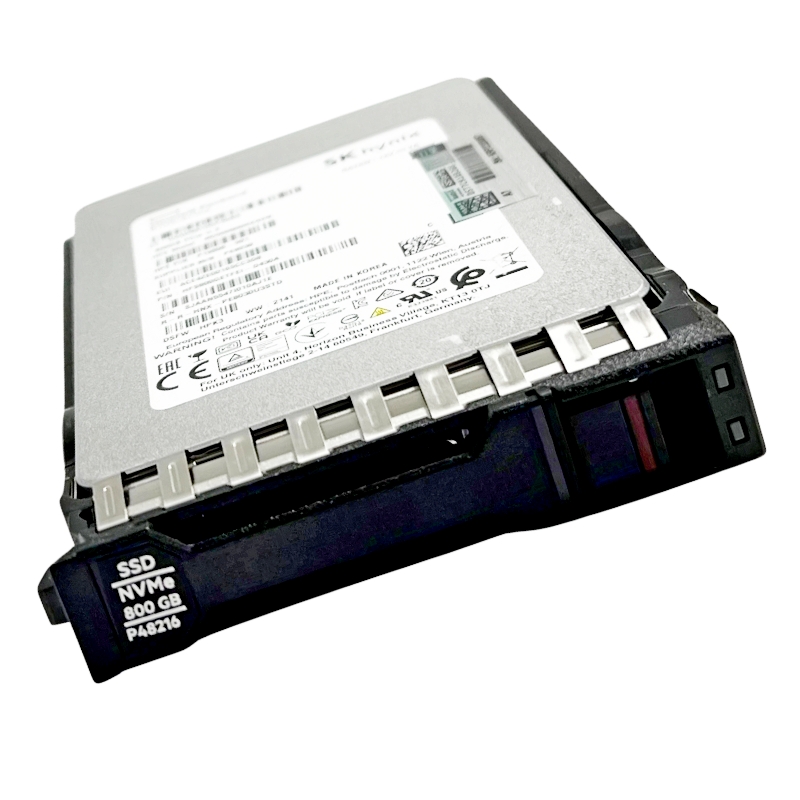


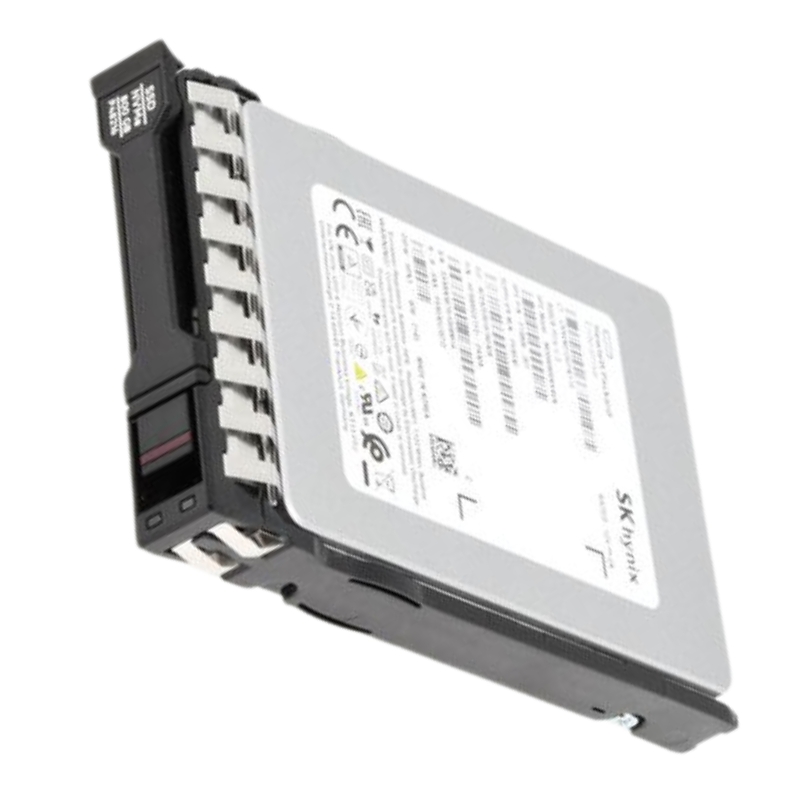
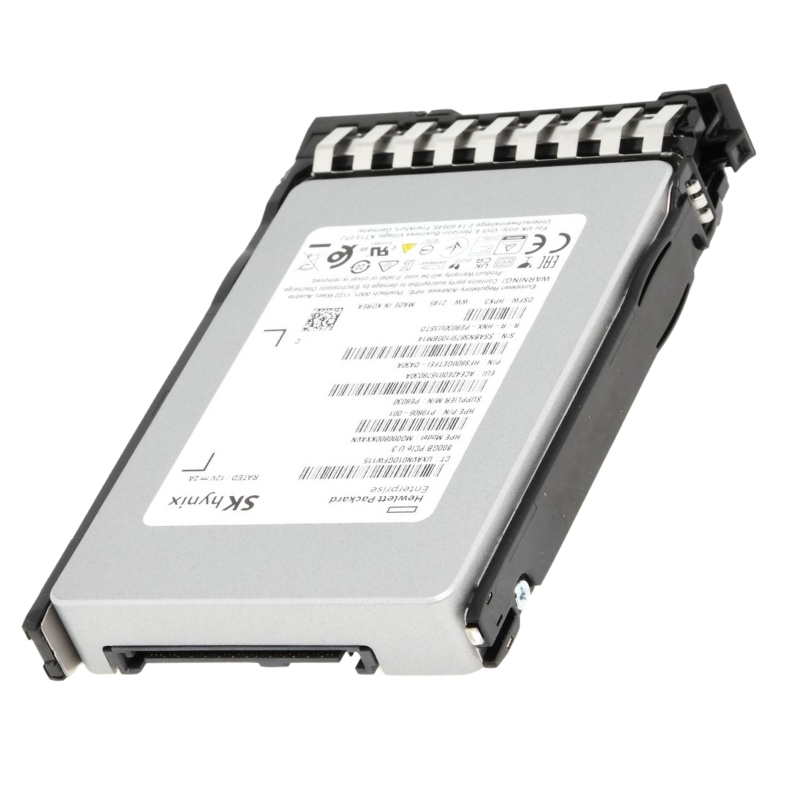
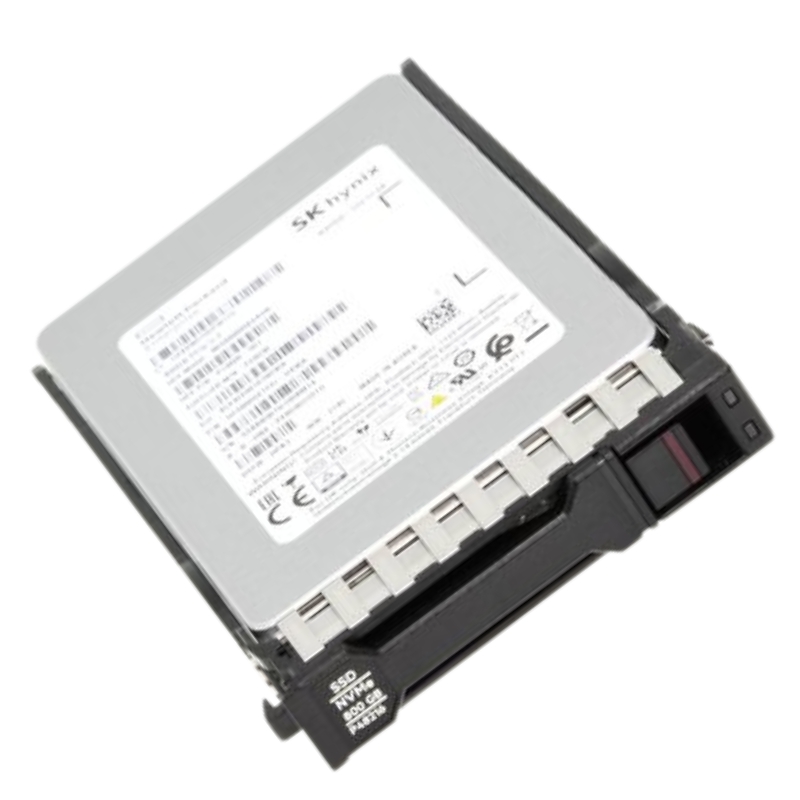
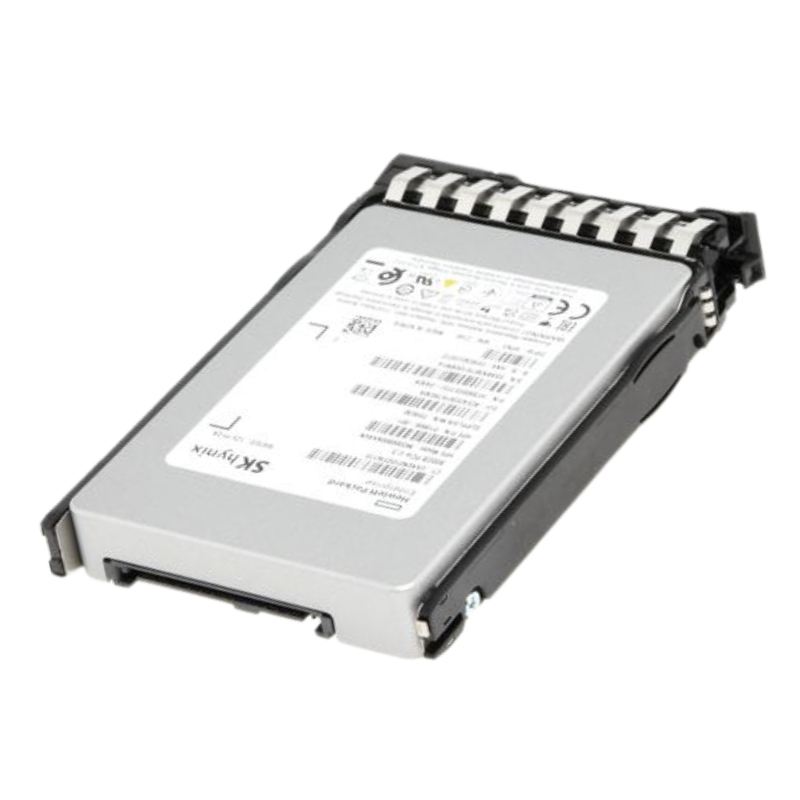
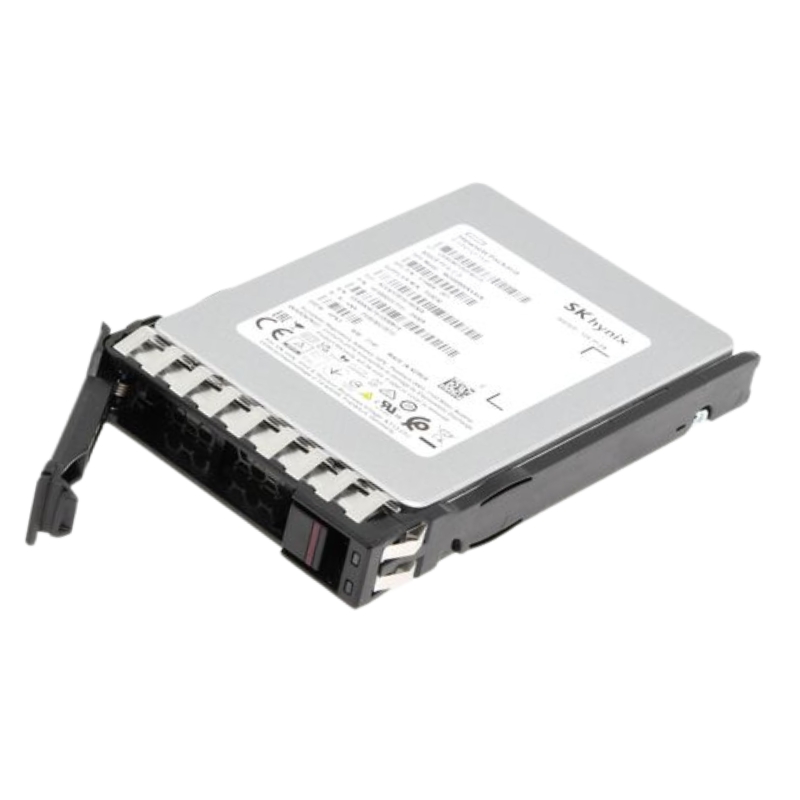
HPE MK000800KWDUL 800GB PCI-E MLC Internal SSD. Excellent Refurbished with 1 year replacement warranty
Compatible HPE Server Platforms
This category focuses on the HPE MK000800KWDUL 800GB PCI-E 2.5-Inch MLC Internal SSD and closely related enterprise solid state drives that combine a 2.5-inch form factor with Multi-Level Cell (MLC) NAND and a PCI-Express interface. These drives are positioned for data center and enterprise server deployments where durability, predictable latency, and consistent throughput matter. The category includes variants and compatible models that share the same design priorities: high endurance, robust error correction, advanced firmware management, and server-grade thermal and physical design for 24/7 operation.
A defining trait of this category is the standardized 2.5-inch form factor. The compact 2.5" chassis ensures broad compatibility with hot-swap drive bays in rack servers, blade systems, and storage arrays. The physical dimensions and mounting points follow industry norms, enabling easy replacement and upgrades in HPE server platforms and many third-party server chassis.
Drives in this category use a PCI-Express based interface for host connectivity. The PCI-E interface provides high bandwidth and low latency, enabling the SSD to serve as primary boot media, database storage, caching tiers, or highly transactional workloads. While specific slot configurations and protocols can vary by server model, the category emphasizes PCIe performance characteristics: high sequential read/write, low queue latency, and strong IOPS at enterprise queue depths.
Multi-Level Cell (MLC) NAND remains a balanced option for enterprise use by offering a middle ground between Single-Level Cell (SLC) endurance and higher density, lower-cost NAND types. MLC in this product class typically provides a robust endurance rating suitable for mixed-use and write-intensive workloads while maintaining favorable cost per GB compared with lower-endurance alternatives. Manufacturers tune firmware and overprovisioning to extend the useful life of the drive and guarantee sustained performance over its warranty period.
Typical performance metrics for enterprise PCI-E MLC SSDs in this category include strong random read and write IOPS, elevated sequential throughput for large block transfers, and deterministic performance under consistent load. For server workloads—databases, virtualization, and analytics—the drives are engineered to keep latency low even under sustained operations.
Enterprise deployments demand predictable response times. SSDs in this category employ firmware-level QoS measures, intelligent garbage collection scheduling, and host interface optimizations to reduce tail latency and keep I/O jitter within acceptable bounds for critical applications.
This category emphasizes end-to-end data protection mechanisms, such as strong ECC (error correction code), CRC (cyclic redundancy check) validation from host to NAND, and power-loss protection features. These ensure that on-device metadata and user data maintain integrity even during unexpected power events.
Many drives include on-board power capacitors or other energy storage to flush volatile buffers to NAND in the event of sudden power loss. This hardware layer, combined with firmware safeguards, reduces risk of data corruption and accelerates recovery after an outage.
Enterprise SSDs provide firmware capable of advanced health reporting and telemetry through SMART attributes and vendor-specific monitoring. These metrics—available via management tools—include TBW (terabytes written), remaining lifespan estimates, media errors, and temperature history. Integration with HPE management suites and third-party monitoring platforms enables proactive replacement and capacity planning.
When selecting an 800GB MLC internal SSD, understand the endurance class that maps to your workload profile. Endurance is commonly expressed as DWPD (drive writes per day) or TBW over the warranted lifetime. Drives in this category often feature warranties and endurance ratings tailored to enterprise expectations—look for explicit TBW numbers, DWPD guarantees, and firmware support terms when comparing SKUs.
Virtualization hosts (VMware, Hyper-V, KVM) benefit from the low latency and high IOPS characteristics of these SSDs. The 800GB capacity is well-suited for a datastore layer that hosts multiple small-to-mid sized VMs, enabling rapid boot storms, snapshot operations, and mixed read/write workloads with consistent responsiveness.
Database systems—OLTP and certain OLAP workloads—require predictable write and read performance. MLC-based PCI-E SSDs provide excellent transaction logging responsiveness and can act as a caching or primary storage tier for frequently accessed tables and indices.
For edge deployments with constrained space and limited maintenance windows, the 2.5-inch form factor and enterprise reliability of these drives make them a practical choice for remote servers and branch-office appliances.
Drives in this category are typically serviceable in hot-swap bays; follow manufacturer guidelines for safe removal and insertion, and use platform management consoles to gracefully evacuate active volumes where appropriate. Ensure the server's hot-swap cages support proper airflow and indexing for drive trays to maintain cooling efficiency.
Sustaining performance requires effective thermal management. Ensure rack airflow patterns, drive bay spacing, and server chassis fans provide adequate cooling. Monitor drive temperature telemetry and set alert thresholds for thermal events to avoid throttling and to protect NAND lifespan.
Under thermal stress, SSD controllers may throttle to prevent damage, which can reduce throughput temporarily. Design your storage tiers to tolerate occasional throttling events (for example, by using tiered caching) or improve cooling to maintain peak performance.
Keep firmware current to benefit from reliability improvements, performance tuning, and security patches. Follow HPE's recommended firmware release schedule and test updates in a staging environment to avoid unexpected interactions with host systems.
Many enterprise SSDs offer hardware encryption and TCG Opal features for data-at-rest protection. If encryption is required, validate the drive's encryption standards (AES-256, FIPS compliance where applicable) and ensure the host or controller can manage encryption keys properly.
When evaluating alternatives, consider tradeoffs among SLC, MLC, TLC, and QLC. MLC tends to provide a good mix of endurance and performance for many enterprise workloads, while TLC/QLC offer higher density at lower cost but potentially lower endurance. Choose based on workload write intensity and serviceability requirements.
For best results, pair these drives with up-to-date OS kernels and vendor drivers that fully support PCIe NVMe or the relevant protocol. Many enterprise OS distributions and hypervisors have built-in NVMe support—ensure your environment is patched and validated before production deployment.
When ordering, ensure you include the correct drive caddy, carrier, or smart carrier where required by your server chassis. Some HPE systems use smart carriers that provide additional management and LED functionality—verify the part number compatibility and order matching trays where needed.
For regulated environments, ensure the SSD's firmware and features meet your industry requirements—for example, approved encryption standards for healthcare or financial data. Keep records of firmware versions and drive serials as part of asset management and audits.


 Contact Us
 Information
 Catalog
 Solid State Drives (SSD)
 Network Switches
 Hard Disk Drives
 HBA & Controllers
 PC & Servers
 PC & Server Memory
 CPU & Processors
 Network Routers
 Power Supplies
 Tape Drives & Libraries
 Network Devices
 Computer & Network Cables