(7% discount is applied at checkout)
Cart is empty
Your go-to destination for cutting-edge server products


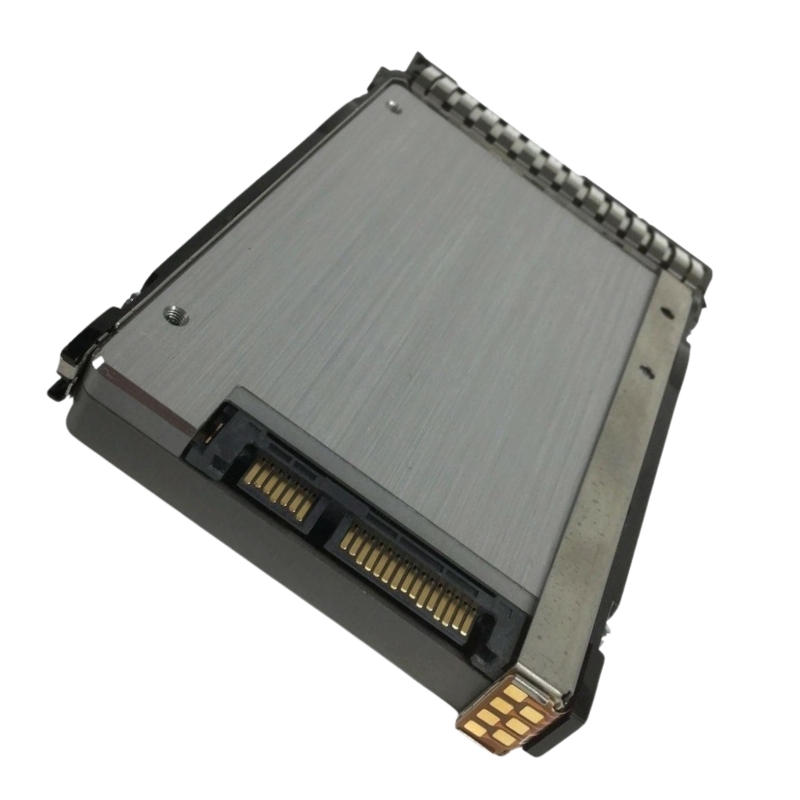
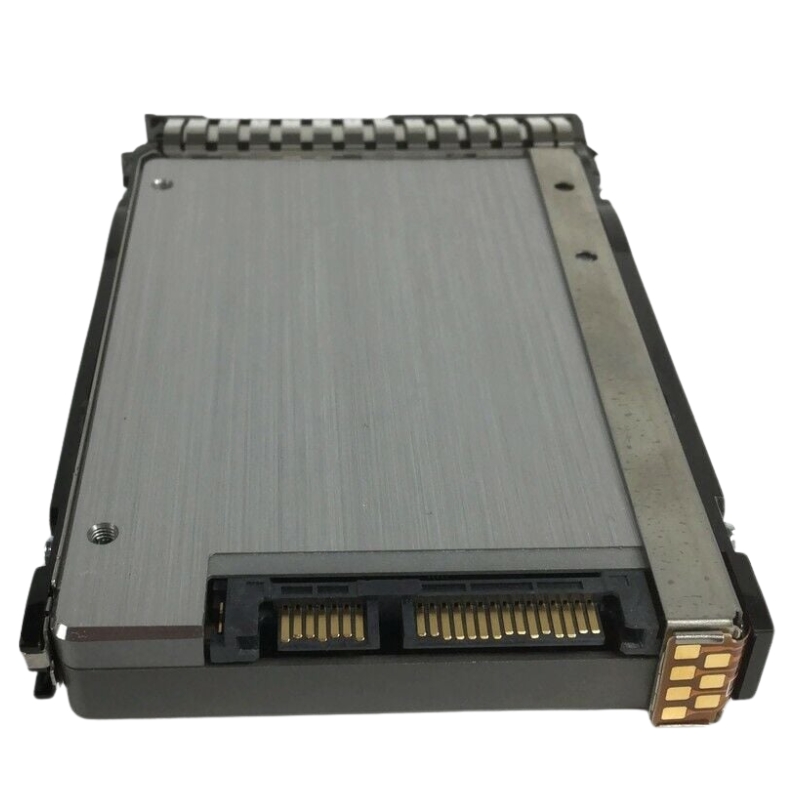
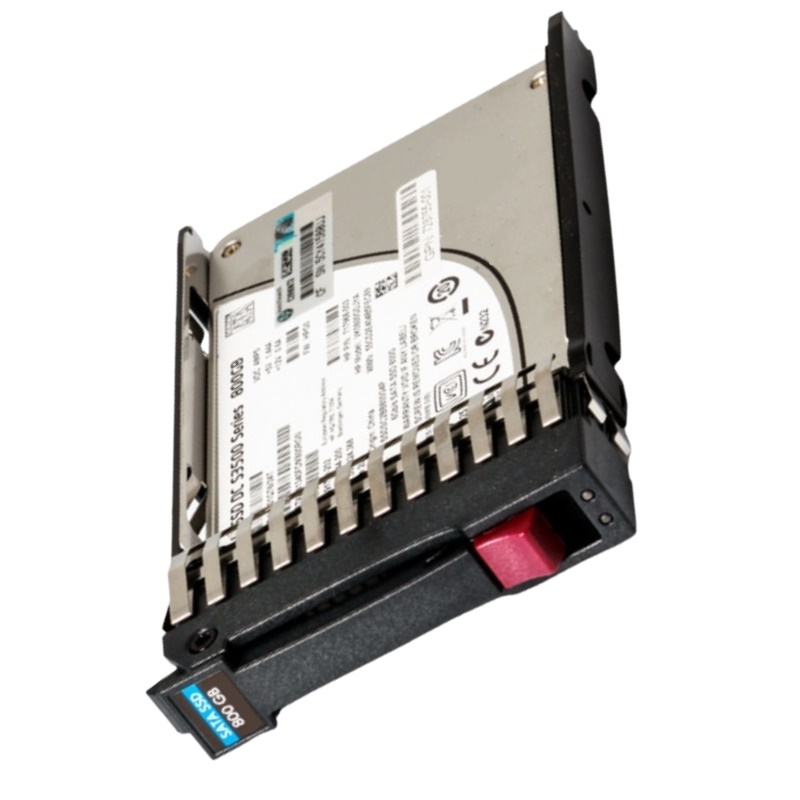
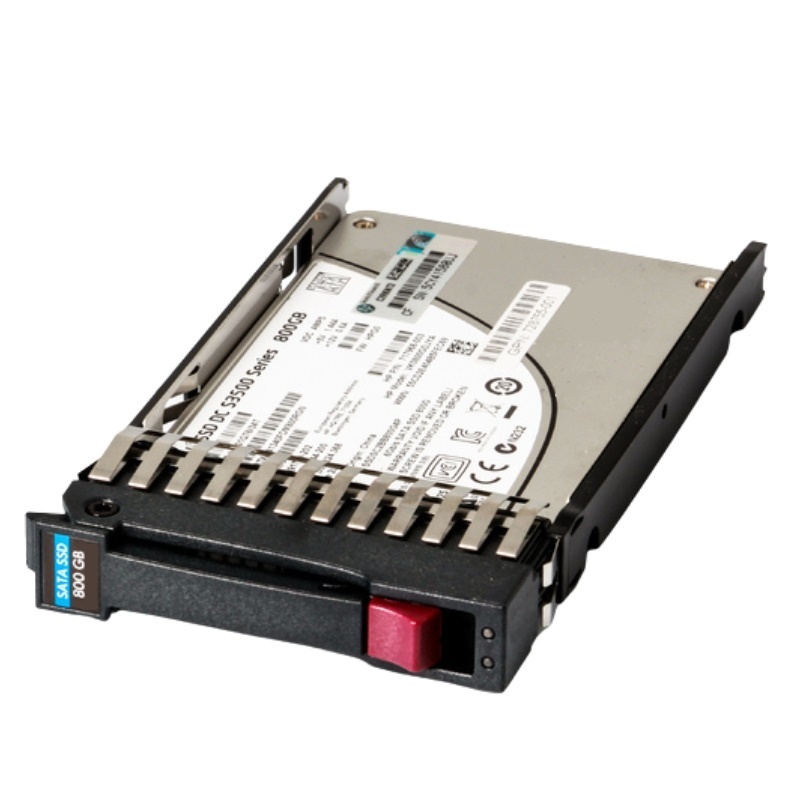
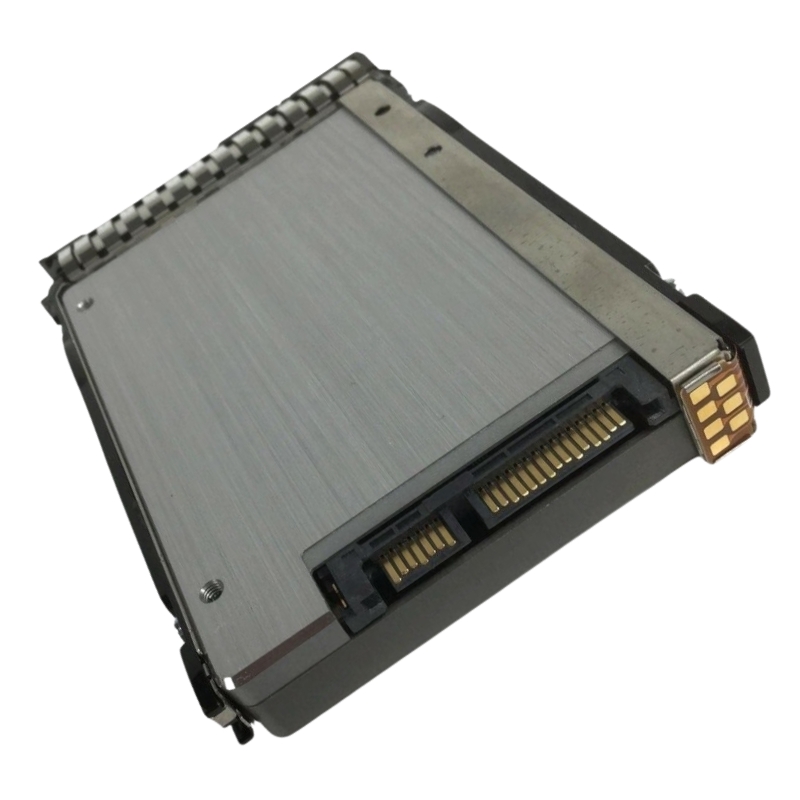
HPE 805381-001 800GB Smart Carrier Mixed Use SATA 6GBPS Solid State Drive. New Sealed in Box (NIB) with 3 years Warranty
The 805381-001 HPE Smart Carrier 800GB SSD Mixed Use SATA 6GBPS represents a focused category of enterprise-grade solid state drives engineered for balanced performance and endurance. This category centers on HPE-branded Smart Carrier SSD modules designed specifically for HPE ProLiant servers and HPE storage arrays that accept the proprietary carrier format. These SSDs deliver 800 gigabytes of usable capacity, utilize SATA 6Gb/s interfaces, and are targeted at mixed-use workloads that require a careful balance between sustained write endurance and high read throughput. The category includes original HPE part numbers, compatible third-party replacements, OEM refurbished modules, and retailer-packaged new units, each intended for use in enterprise datacenter environments, virtualization hosts, database servers, caching layers, and hybrid flash arrays.
At the center of this category is the Smart Carrier form factor, a mechanical and electrical interface that simplifies field replacement and hot-swap operations within HPE server bays. The SSDs categorized under 805381-001 are mounted on HPE Smart Carrier sleds or carriers that provide proper alignment, retention, and connection to the server backplane. This carrier-based design ensures compatibility across a range of HPE models while offering a secure mounting solution that integrates with the server’s drive management ecosystem. The drives themselves communicate over the SATA 6Gbps protocol, delivering backward compatibility with earlier SATA revisions while offering sufficient bandwidth for mixed workload profiles common in enterprise use cases.
Integration into HPE server platforms is simplified through the Smart Carrier mechanical design. The category emphasizes the importance of matching the drive and carrier to the server’s bay type, whether it is a 2.5-inch hot-plug bay or a specialized sled bay in HPE ProLiant blade and rack servers. The carrier provides LED indicators, eject latches, and firmware compatibility layers to ensure that drives communicate correctly with HPE system management tools. This category frequently includes guidance about firmware levels and HPE Smart Storage Controller compatibility to avoid interoperability issues and to take advantage of HPE’s persistent write cache and RAID management features.
Performance expectations for drives in this category are tuned for mixed-use scenarios, where read and write operations coexist in near-equal proportion. Mixed use SSDs offer a middle ground between read-optimized SSDs and write-endurance focused enterprise drives. For many customers, the 800GB capacity paired with SATA 6Gbps bandwidth yields solid random read IOPS for virtualization boot storms and application reads, while offering sustainable write throughput suitable for database logging, moderate OLTP workloads, and mixed virtual machine densities. Latency characteristics are designed to be predictably low under sustained load, and drive internal garbage collection and wear leveling algorithms are optimized to maintain consistent performance over the drive lifecycle.
When specifying or comparing parts within this category, pay attention to manufacturer published IOPS figures at different queue depths and the steady-state throughput under mixed read/write percentages. SATA 6Gbps sets the maximum theoretical link speed, but real world performance is shaped by the controller, NAND type, firmware behavior, and the server’s SATA controller or HBA. The category typically lists sequential read and write throughput values as well as random read/write IOPS for common queue depths. For mission-critical deployments, understanding how drives behave under sustained write pressure—especially during garbage collection cycles—is essential for predictable application performance.
Endurance metrics are central to the category’s value proposition. Mixed use SSDs are specified with drive writes per day (DWPD), terabytes written (TBW) ratings, and mean time between failures (MTBF) figures that indicate the expected longevity in enterprise deployments. An 800GB HPE Smart Carrier SSD classified as mixed use will have endurance ratings that allow for consistent operation in environments with moderate write amplification, such as virtual machine hosting, small to medium relational databases, caching services, and consolidated application servers. Reliability is further enhanced by HPE’s quality assurance and firmware validation programs, with additional support metadata accessible through HPE system tools that report drive health and predictive failure indicators.
Modern SSDs in this category implement advanced wear leveling strategies and robust error correction code (ECC) to detect and correct bit errors that occur as NAND cells age. The combination of on-drive ECC, end-to-end data path protection, and periodic background maintenance routines reduces the risk of data loss and extends usable life. Drives in this category may incorporate S.M.A.R.T. attributes and vendor-specific telemetry to provide administrators clear visibility into health metrics like percentage of life used, error counts, and spare block availability, enabling proactive replacement before failures impact workloads.
Firmware compatibility is frequently highlighted as a critical criterion when selecting components from this category. HPE supplies firmware updates and validated firmware bundles specifically for Smart Carrier SSDs to ensure stability and compatibility with HPE servers and controllers. Administrators are encouraged to follow HPE guidance on update sequencing, including updating server firmware, Smart Array controllers, and drive firmware to validated combinations. Management tools such as HPE OneView, HPE iLO, and the HPE Smart Storage Administrator provide consolidated controls for firmware inventory, drive health monitoring, and proactive alerts. Drives in this category ordinarily ship with HPE-curated firmware that has been tested for interoperability with current HPE server platforms.
Best practices consistent with this category include scheduling maintenance windows for firmware updates, verifying validated firmware matrices published by HPE, backing up critical data before applying updates, and using HPE tools to automate inventory and update rollouts across server fleets. Maintaining firmware parity within an array or RAID group can prevent unexpected behavior, and administrators should monitor release notes for bug fixes pertinent to mixed-use workload stability and performance.
The category documentation often includes a compatibility matrix clarifying which HPE server models, Smart Array controllers, and storage backplanes accept the 805381-001 Smart Carrier SSD modules. While the Smart Carrier design promotes broad compatibility across HPE product families, microcode differences in specific server generations or controller models can affect feature sets, supported capacities, and performance. When planning upgrades or replacements, verify part number cross-references and confirm that your server’s firmware and controller versions are within the tested compatibility range. Authorized HPE resellers and HPE’s online parts lookup can be useful resources when validating fitment for a particular ProLiant or Apollo platform.
Given the enterprise context, the category emphasizes secure data sanitization options prior to drive disposal or redeployment. Methods range from vendor-certified secure erase utilities that utilize the SSD controller to cryptographic erasure where supported, to physical destruction when regulatory requirements demand irretrievable data removal. HPE drives may support built-in secure erase commands and the FIPS compliant options in certain models; administrators should consult HPE documentation for the recommended sanitization approach that meets their compliance needs.
This category addresses a variety of real-world use cases. Primary uses include persistent boot volumes for hypervisor hosts, tiered flash caching for hybrid storage arrays, acceleration for database query workloads, and consolidation of high-density virtual machine farms where consistent mixed read/write performance is required. Secondary use cases include read-heavy analytics offloads, log aggregation nodes, and tiered storage within HPE’s own SmartArray or third-party controllers. Large-scale cloud and hosting providers may deploy these 800GB mixed use drives to balance capacity per dollar with endurance requirements for typical multi-tenant workloads.
In database contexts, mixed-use SSDs alleviate I/O bottlenecks for small to medium datasets by reducing query latency and improving transaction throughput. For virtualization, they provide responsive boot storms and fast snapshot/clone operations. In web services and caching, the drives reduce response times for frequently read objects while tolerating the moderate writes produced by session state or logging. When integrated into hybrid arrays, these SSDs serve as performance tiers in automated storage tiering frameworks, delivering measurable end-user performance improvements without the higher expense of all-flash arrays.
Category pages commonly include comparative analysis of mixed use SSDs against read-optimized and write-endurance classes. Read-optimized drives focus on maximizing sequential and random read throughput with lower endurance targets, making them economical for read-heavy caches or content delivery. Write-endurance or enterprise endurance drives, in contrast, target high DWPD ratings for sustained write workloads found in heavy database logging, high-velocity analytics, or intensive virtual desktop infrastructure. The 805381-001 mixed use class offers a compromise: better endurance than read-optimized models while avoiding the premium cost of ultra high-endurance drives, making it a pragmatic choice for balanced enterprise workloads.
Organizations with strict uptime requirements may opt for service contracts that guarantee on-site response and parts replacement within contractual windows. When selecting drives from this category, consider the implications of warranty terms on operational continuity, especially in distributed environments where rapid replacement logistics can be a decisive factor in vendor selection.
When sourcing 805381-001 HPE Smart Carrier 800GB SSD Mixed Use SATA 6Gbps parts, buyers should verify the exact part number and compatibility with their target server models to avoid procurement of incompatible carriers or unsupported firmware versions. For large deployments, purchasing through authorized HPE channels ensures access to genuine parts, validated firmware, and full support. For budget sensitive projects, certified refurbished units from reputable vendors can provide a cost-effective alternative with acceptable reliability if sold with a warranty and tested to industry standards.
Effective inventory planning for drives in this category includes maintaining a pool of immediate spares, tracking drive health metrics across the estate, and using forecasting to plan batch replacements before large numbers of drives reach end-of-life simultaneously. Combining health telemetry with lifecycle policies enables a proactive approach that reduces the risk of clustered failures and associated recovery complexity.
Begin with verifying that the server firmware and Smart Array controller firmware are on recommended versions for the part number. Use HPE management tools to check S.M.A.R.T. indicators, life used percentage, and for any recorded media or interface errors. If a drive is failing to initialize or is not recognized, reseat the Smart Carrier, inspect the carrier connectors for debris, verify bay LED status, and attempt the drive in a different known-good bay to rule out backplane issues. For degraded RAID arrays, consult HPE’s RAID rebuild recommendations to minimize rebuild time and risk.
Remaining compliant with data protection and environmental disposal regulations is particularly important for enterprise storage hardware. Drives in this category should be handled according to electronic waste disposal regulations and data sanitization laws relevant to the organization’s jurisdiction. Where applicable, opt for certified data erasure or destruction services that provide chain-of-custody documentation for audit trails. Additionally, pay attention to operating temperature ranges and shock/vibration tolerances specified by HPE to ensure reliable operation in your data center environment.
HPE Smart Carrier SSDs are specified with ambient operating temperature ranges, non-operating storage temperature, and recommended airflow requirements. Ensure rack cooling and airflow patterns in your data center meet or exceed these specifications to avoid thermal throttling and premature wear. Vibration and shock tolerances are also documented; for mobile or edge deployments, select carriers and mounting that mitigate mechanical stresses to maintain long-term integrity.
Selecting the right 805381-001 HPE Smart Carrier 800GB SSD Mixed Use SATA 6Gbps solution involves balancing capacity, endurance, performance, compatibility, and total cost. Critical selection criteria include confirming HPE part number fitment, verifying firmware compatibility with your server and controller firmware versions, assessing endurance ratings relative to your workload profile, planning secure data sanitization procedures, and establishing procurement channels that meet support and warranty expectations. By focusing on these parameters, IT teams can deploy a storage tier that offers predictable mixed-workload performance while integrating seamlessly into HPE server ecosystems.


 Contact Us
 Information
 Catalog
 Solid State Drives (SSD)
 Network Switches
 Hard Disk Drives
 HBA & Controllers
 PC & Servers
 PC & Server Memory
 CPU & Processors
 Network Routers
 Power Supplies
 Tape Drives & Libraries
 Network Devices
 Computer & Network Cables