(7% discount is applied at checkout)
Cart is empty
Your go-to destination for cutting-edge server products
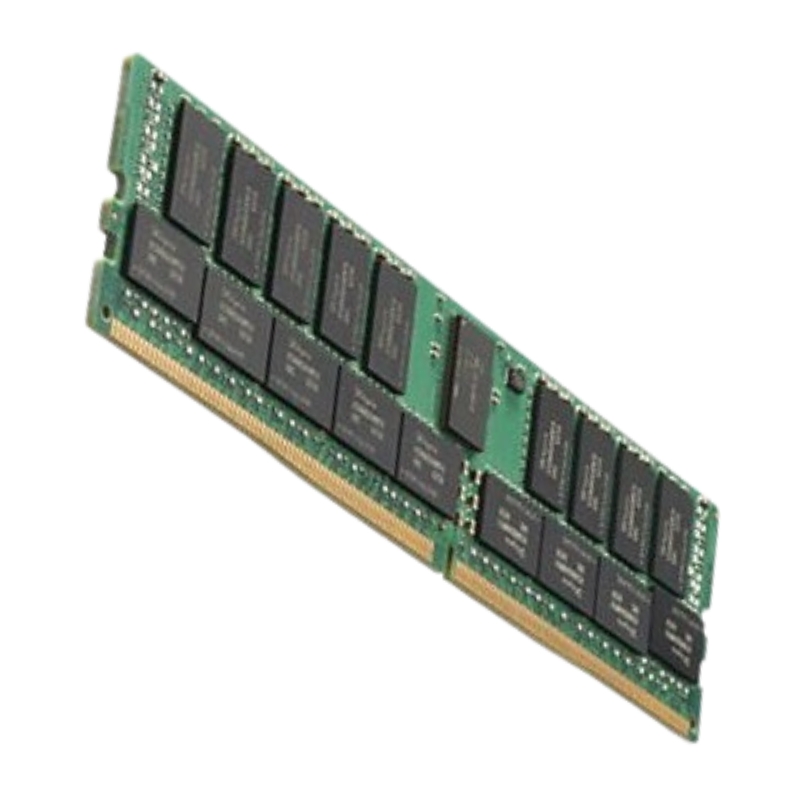


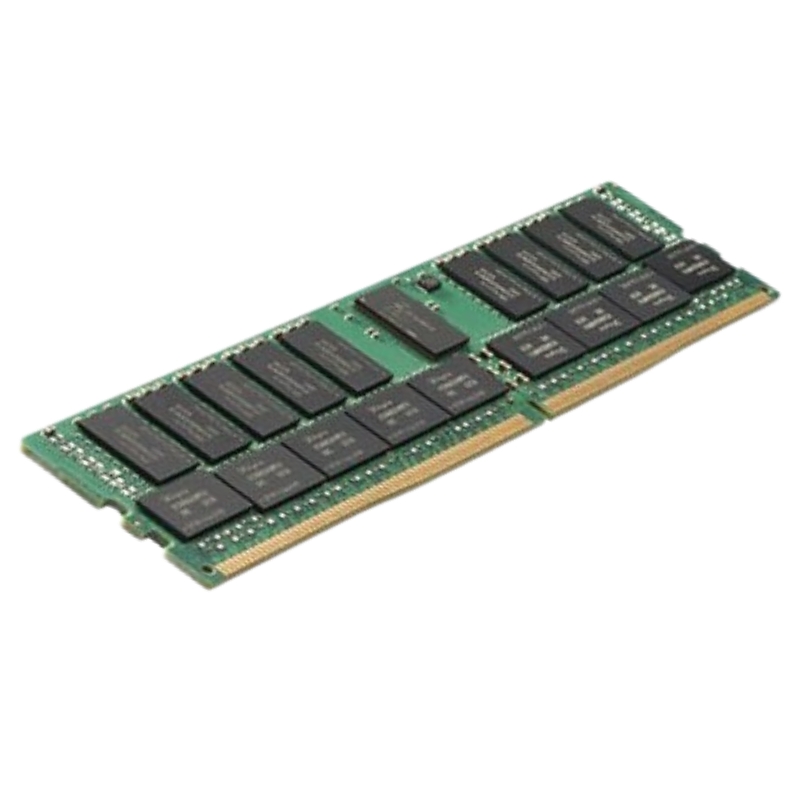
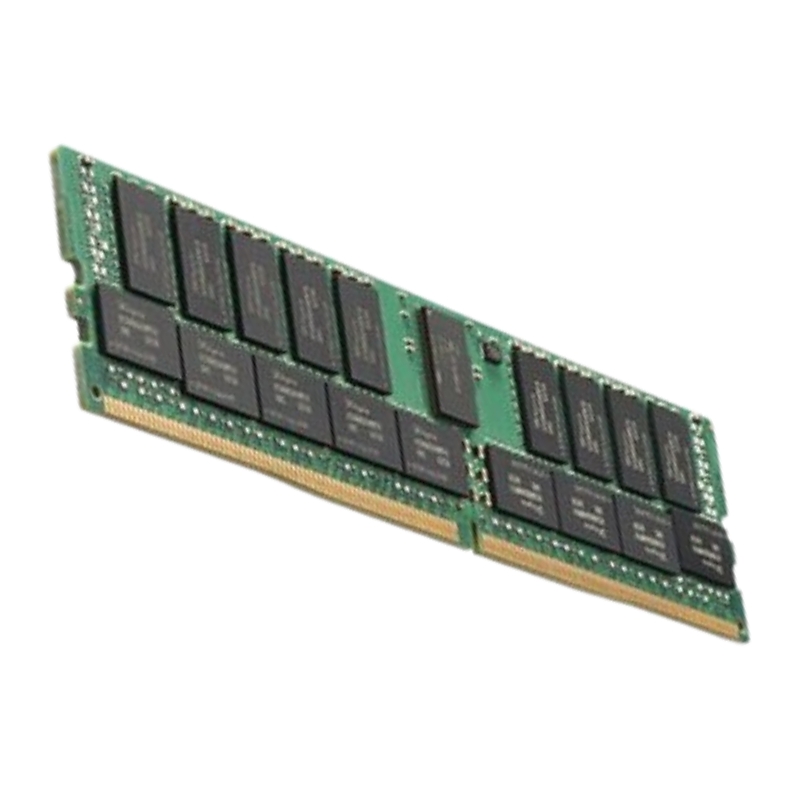
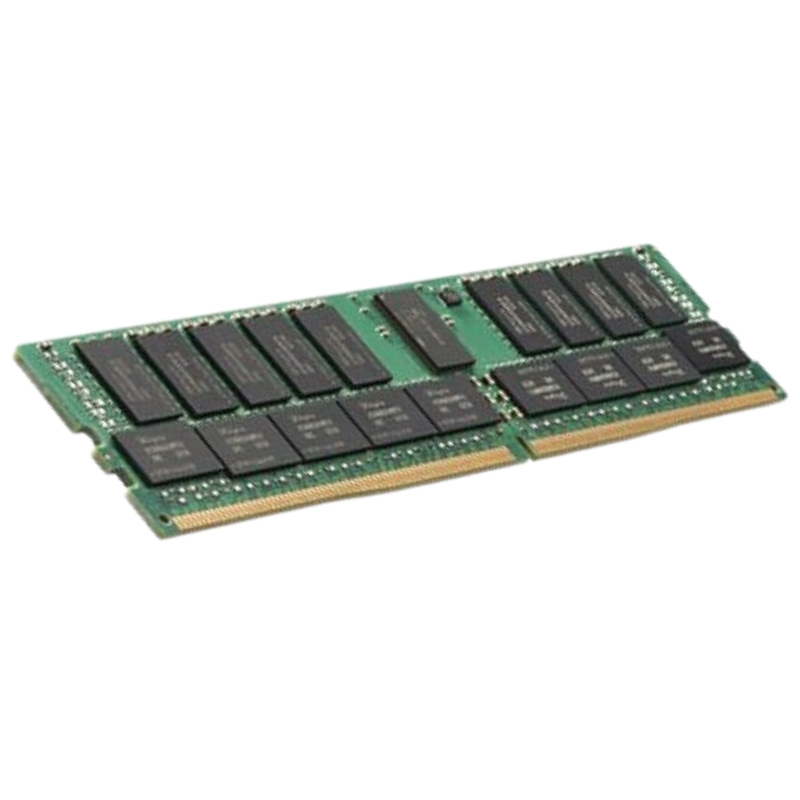
32GB RAM HPE 815100-B21 Pc4-21300 DDR4 SDRAM 2666mhz Cl19 Ecc Registered. New (System) Pull with 1 year replacement warranty
| SKU/MPN | Warranty | Price | Condition | You save |
|---|---|---|---|---|
| 815100-B21 | 1 Year Warranty | $358.00 | New (System) Pull | You save: $125.30 (26%) |
| 815100-B21 | 1 Year Warranty | $576.00 | New Sealed in Box (NIB) | You save: $201.60 (26%) |
Elevate server memory performance with the HPE 815100-B21 32GB DDR4-2666 RDIMM. This dual-rank, ECC registered module offers dependable throughput, optimized latency, and enterprise-grade resilience for modern HPE Gen10 infrastructures and converged systems.
Engineered for seamless integration across select HPE Gen10 servers, converged systems, and Synergy compute modules for hassle-free upgrades.
The HPE 815100-B21 represents the pinnacle of DDR4 memory technology with its impressive 2666MHz operating frequency, delivering exceptional performance for modern enterprise server environments. This 32GB registered ECC DIMM operates at PC4-21300 specifications, achieving a remarkable peak data transfer rate of 21,300 MB/s. The increased frequency from standard 2133MHz modules provides approximately 25% greater bandwidth, making this memory module particularly well-suited for bandwidth-sensitive applications including high-performance computing, in-memory databases, and virtualization platforms requiring rapid data access and processing capabilities.
Operating at CL19 (CAS Latency 19) timing, the HPE 815100-B21 strikes an optimal balance between high frequency and responsive memory access. The CAS Latency represents the number of clock cycles between a column address command and the availability of data at the output pins. While higher than slower-frequency modules in absolute cycles, the reduced clock period at 2666MHz ensures that actual access latency remains competitive while delivering substantially improved bandwidth. The timing parameters are carefully optimized for server workloads where sustained throughput often outweighs pure latency considerations for overall system performance.
The registered architecture of the HPE 815100-B21 incorporates advanced register chips that buffer address and command signals between the memory controller and DRAM components. This buffering reduces electrical load on the memory controller, enabling support for higher module densities and greater numbers of DIMMs per memory channel while maintaining signal integrity at 2666MHz speeds. The registered design is particularly crucial for maintaining stability in multi-processor systems with extensive memory configurations, where electrical signal degradation could otherwise limit performance or reliability.
Configured as a dual-rank module, the HPE 815100-B21 organizes its memory chips into two independent logical ranks that share the same memory channel but can be accessed alternately. This dual-rank architecture improves memory efficiency by allowing the memory controller to issue commands to one rank while another rank is processing previous commands. The interleaving between ranks effectively hides precharge and activation delays, resulting in better utilization of the available memory bandwidth and improved overall system performance for workloads with random access patterns.
The HPE 815100-B21 is specifically engineered and validated for HPE ProLiant Gen10 and Gen10 Plus server platforms, including popular models such as DL380 Gen10, DL360 Gen10, DL580 Gen10, and their respective variants. These platforms leverage Intel Xeon Scalable processors (Skylake, Cascade Lake, and Cooper Lake generations) that natively support DDR4-2666 memory speeds. The module undergoes exhaustive compatibility testing within HPE's validation laboratories to ensure seamless integration with platform-specific features including memory reference code, power management, and thermal control systems.
Each HPE 815100-B21 memory module contains specialized firmware and SPD (Serial Presence Detect) programming that enables deep integration with HPE's server ecosystem. This integration facilitates advanced features such as memory temperature monitoring through iLO, predictive failure analysis, and compatibility with HPE's Service Information Database. The module's firmware works in conjunction with system BIOS to optimize memory timing parameters, power management policies, and error correction thresholds specific to each server platform and configuration.
Proper memory population is critical for achieving maximum performance from the HPE 815100-B21's 2666MHz capabilities. Compatible servers typically require installation in specific sequences across memory channels to maintain balanced performance. For single-processor systems, modules should be installed in multiples of two or four DIMMs per processor, while dual-processor configurations require symmetrical installation across both processors. HPE provides detailed QuickSpecs documentation for each server model specifying the exact population sequence for various capacity requirements and performance objectives.
When populating servers with HPE 815100-B21 modules, administrators must consider the relationship between memory speed and population density. Most Intel Xeon Scalable platforms support maximum memory speed with up to two DIMMs per channel, with reduced speeds when additional DIMMs are populated. For optimal 2666MHz operation, systems should typically be configured with one or two DIMMs per memory channel. This balance ensures that the high-bandwidth capabilities of the memory modules are fully utilized while maintaining system stability and signal integrity across all populated DIMMs.
The HPE 815100-B21's theoretical maximum bandwidth of 21,300 MB/s represents ideal conditions rarely achieved in practical applications due to memory controller overhead, access patterns, and system architecture limitations. Real-world performance typically achieves 70-85% of theoretical maximum depending on workload characteristics, with streaming and sequential access patterns achieving higher efficiency than random access workloads. The module's performance profile makes it particularly effective for applications benefiting from high memory bandwidth, including scientific computing, video processing, and large-scale data analytics platforms.
Compared to slower 2133MHz and 2400MHz DDR4 modules, the HPE 815100-B21 delivers approximately 25% and 11% greater theoretical bandwidth respectively. This performance advantage translates directly to improved application performance for memory-bandwidth-bound workloads. In virtualized environments, the increased bandwidth enables higher virtual machine density and improved performance consistency during periods of high memory utilization. Database applications benefit from faster query processing, while in-memory analytics platforms experience reduced computation times for complex algorithms.
Operating at the standard DDR4 voltage of 1.2V, the HPE 815100-B21 maintains significant power efficiency advantages over previous memory generations despite its higher performance capabilities. The reduced operating voltage compared to DDR3's 1.5V or 1.35V represents a 20-30% reduction in power consumption at the component level. This efficiency is further enhanced through advanced power management features including programmable preamble, data bus inversion, and command/address parity checking that reduce unnecessary power consumption during memory operations.
The HPE 815100-B21 implements sophisticated power management capabilities that dynamically adjust power consumption based on utilization patterns. These include various power-down states that reduce energy consumption during periods of low memory activity without sacrificing responsiveness. The module supports per-DRAM addressability power management, allowing individual DRAM devices within the module to enter low-power states independently. This granular power control contributes to reduced overall data center power consumption while maintaining performance readiness for sudden workload increases.
The HPE 815100-B21 incorporates sophisticated Error Correcting Code technology that provides single-bit error correction and double-bit error detection capabilities. This ECC implementation uses additional memory bits to store parity information, enabling the memory subsystem to automatically detect and correct errors transparent to the operating system and applications. The error correction occurs in real-time during memory read operations, preventing data corruption and system crashes that could result from memory soft errors caused by environmental factors, electrical noise, or cosmic radiation.
Beyond standard ECC capabilities, the HPE 815100-B21 supports extended error management features including error logging, threshold-based alerting, and compatibility with platform-specific reliability features. The module works in conjunction with the host system's memory controller to implement patrol scrubbing, which proactively scans memory addresses to identify and correct errors before they can accumulate or affect system operation. This proactive maintenance occurs during system idle periods, ensuring continuous memory integrity without impacting performance during active operation.
The physical construction of the HPE 815100-B21 optimizes heat dissipation through careful component placement, thermal via patterns in the PCB, and optimized airflow characteristics. The module is designed to operate reliably within standard server environmental specifications, typically supporting ambient temperatures up to 35°C with appropriate system airflow. The thermal design ensures consistent performance without thermal-induced errors or degradation, even during extended periods of high memory utilization in densely configured server environments.
The HPE 815100-B21's combination of high capacity and 2666MHz speed makes it ideally suited for in-memory computing platforms such as SAP HANA, where entire datasets reside in system memory for rapid processing. The high bandwidth enables faster data access for complex analytical queries and real-time transaction processing. The module's reliability features ensure data integrity for critical business operations, while the registered architecture provides stability essential for large memory configurations typical in enterprise HANA deployments ranging from hundreds of gigabytes to multiple terabytes per system.
Technical computing applications including computational fluid dynamics, finite element analysis, and genomic sequencing benefit significantly from the HPE 815100-B21's high-bandwidth characteristics. These workloads often involve processing large datasets with memory access patterns that can leverage the module's sustained throughput capabilities. The ECC protection is particularly valuable for scientific computations where result accuracy is paramount, preventing silent data corruption that could compromise research outcomes or engineering simulations.
Modern virtualization environments place substantial demands on memory subsystems, with each virtual machine consuming dedicated memory resources. The HPE 815100-B21's 32GB capacity enables high virtual machine density while the 2666MHz speed ensures responsive performance across multiple concurrent workloads. The module performs exceptionally well in environments utilizing advanced virtualization features such as memory ballooning, transparent page sharing, and memory compression, where efficient memory access patterns directly translate to improved virtual machine performance and higher consolidation ratios.
Containerized applications and microservices architectures often exhibit different memory access patterns compared to traditional virtual machines, with more frequent memory allocation and deallocation operations. The HPE 815100-B21's optimized timing parameters and high bandwidth provide excellent performance for these dynamic workloads, while the ECC protection ensures reliability across potentially thousands of concurrent container instances. The memory module's characteristics make it well-suited for Kubernetes nodes and other container orchestration platforms where consistent memory performance directly impacts application responsiveness and scalability.
Operating at 2666MHz presents significant signal integrity challenges that the HPE 815100-B21 addresses through advanced PCB design and component selection. The module utilizes carefully controlled impedance characteristics, with differential signaling for clock and strobe signals to improve noise immunity. The PCB incorporates multiple dedicated power and ground planes to provide stable reference voltages and reduce simultaneous switching noise. These design elements ensure clean signal transmission at high frequencies, maintaining data integrity even in electrically noisy server environments with multiple high-speed components operating simultaneously.
The power delivery system within the HPE 815100-B21 is engineered to provide stable voltage to the DRAM components despite rapidly changing current demands during memory operations. The design includes distributed decoupling capacitors of varying values and technologies to filter noise across different frequency ranges. The power delivery network ensures that voltage remains within specification during high-current operations such as simultaneous switching of multiple memory banks, preventing timing errors that could result from voltage droop or ground bounce effects.
Leveraging DDR4's bank group architecture, the HPE 815100-B21 organizes its memory cells into multiple bank groups that can operate semi-independently. This architecture allows for more efficient command scheduling by the memory controller, hiding activation and precharge delays through interleaved operations across bank groups. The memory controller can issue commands to different bank groups while others are processing previous operations, effectively increasing concurrent memory access and improving overall memory efficiency for complex workload patterns.
HPE manages the 815100-B21's product lifecycle in coordination with supported server platforms, ensuring continued availability throughout the service life of compatible systems. The company provides advance notice of product discontinuation, allowing organizations to plan for maintenance and expansion requirements. While specifically validated for Gen10 and Gen10 Plus platforms, the module's standard DDR4-2666 architecture provides potential compatibility with future server generations, though specific platform validation is required for each new system iteration.


 Contact Us
 Information
 Catalog
 Solid State Drives (SSD)
 Network Switches
 Hard Disk Drives
 HBA & Controllers
 PC & Servers
 PC & Server Memory
 CPU & Processors
 Network Routers
 Power Supplies
 Tape Drives & Libraries
 Network Devices
 Computer & Network Cables