(7% discount is applied at checkout)
Cart is empty
Your go-to destination for cutting-edge server products
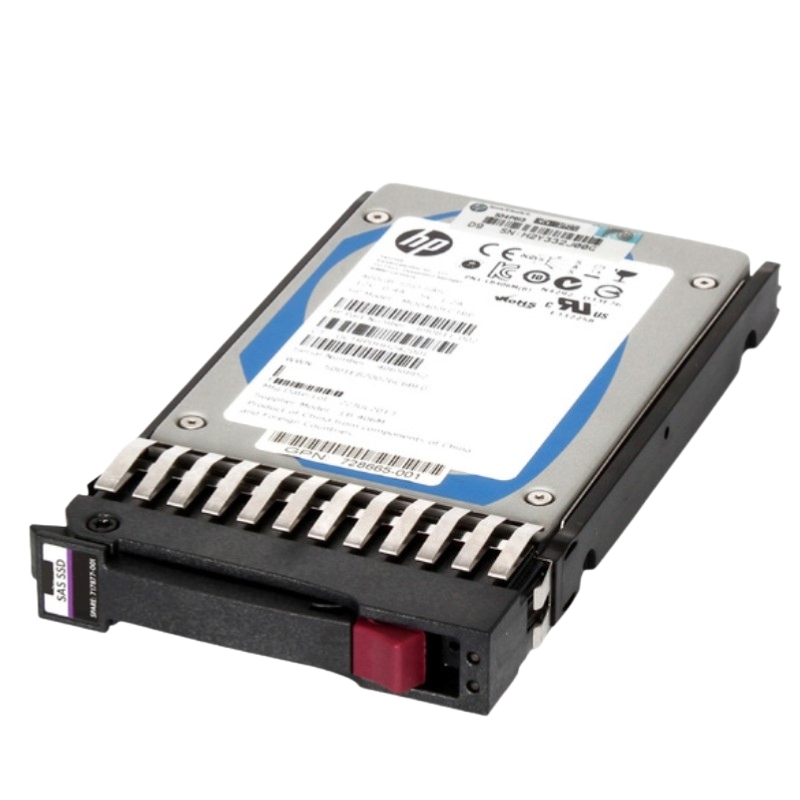


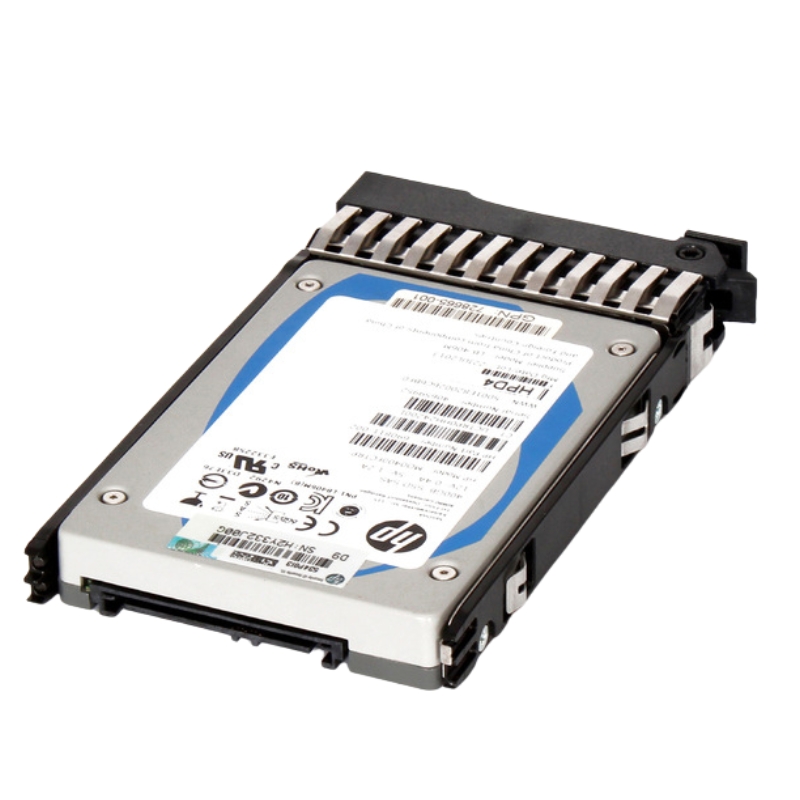
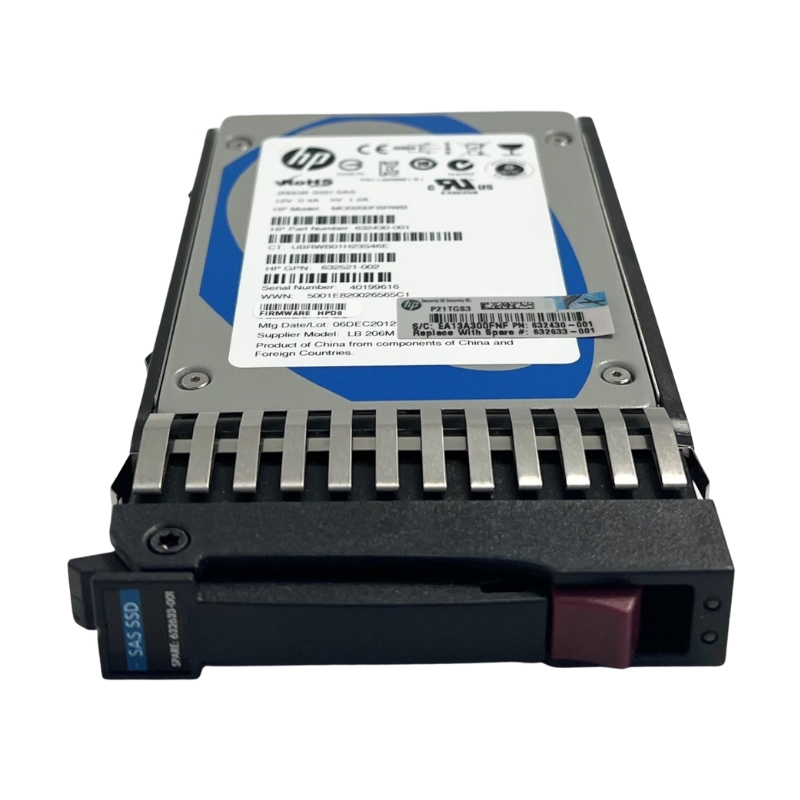
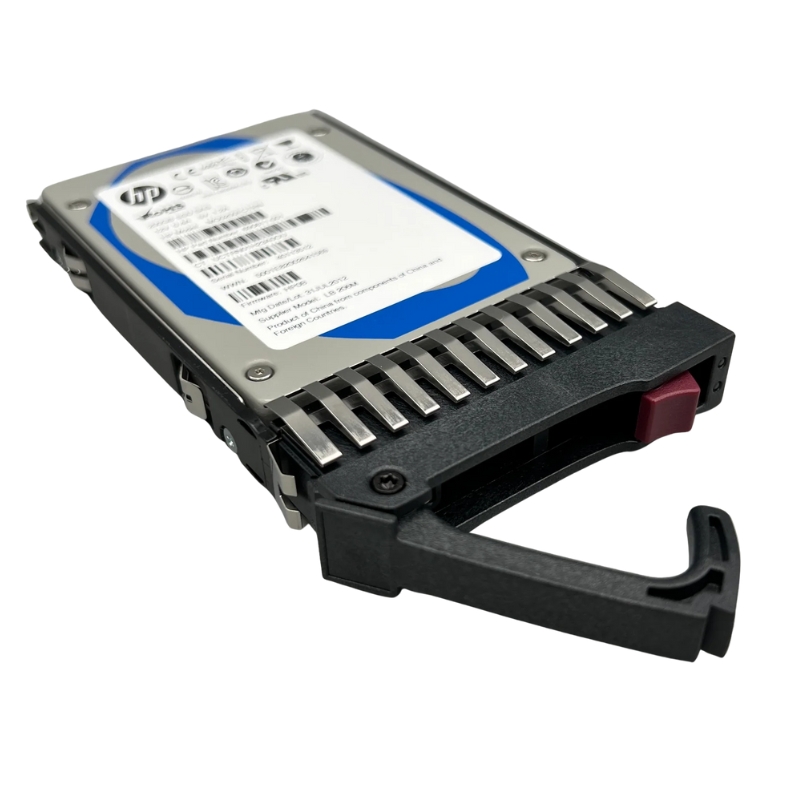
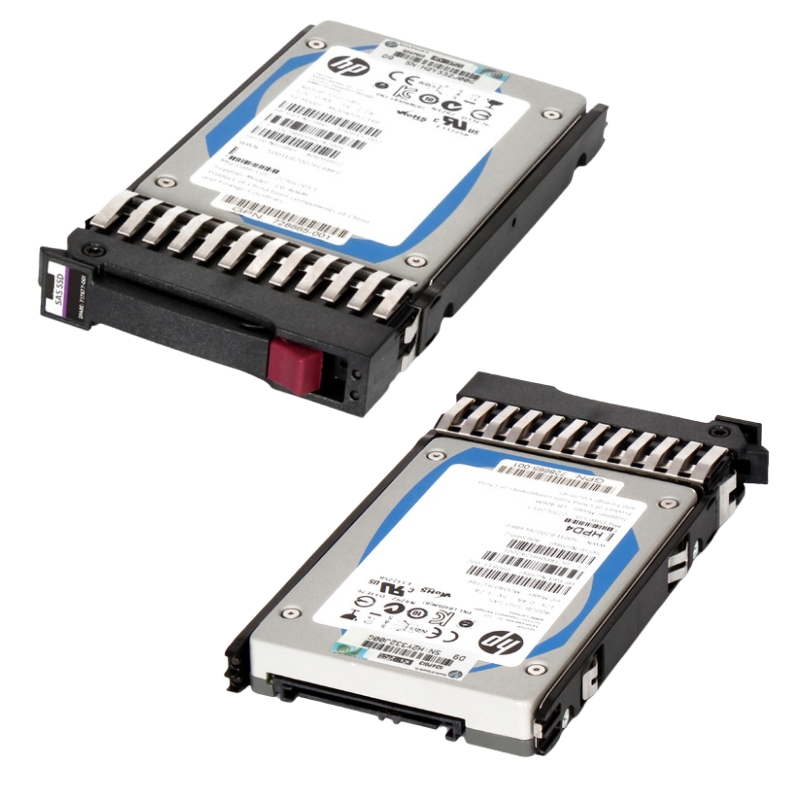
HPE 817050-001 1.92TB SAS 12GBPS RI-3 2.5Inch Small Form Factor Solid-State Drive. New Sealed in Box (NIB) with 3 years Warranty
The HPE 817050-001 1.92TB SAS 12Gbps RI-3 2.5-inch small form factor solid-state drive (SSD) represents a purpose-built option within enterprise-class storage designed for read-intensive workloads. Positioned where durability, consistent low latency, and high sustained read throughput matter, this category covers drives that are ideal for large scale server environments, storage arrays, hyperconverged infrastructure and archival read-heavy applications. When merchants or IT teams create a continuous category page description for this product family, the copy should highlight the drive’s interface and form factor, endurance class, target workloads, integration and compatibility with HPE platforms, and operational benefits such as power efficiency, manageability, and predictable performance under sustained load.
Capacity is a primary purchase driver. The 1.92TB density is an attractive mid-range point for datacenter operators balancing usable capacity against cost per gigabyte and endurance requirements. In multi-drive arrays, 1.92TB drives allow architects to achieve dense, scalable pools without the thermal and power penalties of larger mechanical disks. For enterprises running read-dominant services — caching tiers, content delivery nodes, analytics query indexes, and virtual desktop infrastructure read caches — the 1.92TB HPE 817050-001 provides a practical mix of usable space and performance headroom. Category pages should therefore emphasize how this capacity fits into modern storage designs: as a building block in tiered storage strategies, an efficient cache layer ahead of spinning media, or as a primary volume for read-optimized databases and archival access patterns.
The HPE 817050-001 uses the SAS 12Gbps interface, the prevailing high-reliability enterprise interconnect for server and storage systems that require dual-porting, robust error handling and predictable multi-initiator behavior. This interface supports advanced features important to enterprise deployments — such as multipath I/O, domain failover, and enterprise-grade error recovery — that are not offered by consumer interfaces. The 2.5-inch small form factor (SFF) enables higher bay density in server chassis and storage shelves compared to 3.5-inch form factors, allowing administrators to increase usable capacity per rack while reducing physical footprint and improving airflow management. In the category narrative, highlight the benefits of SAS 12Gbps for mission-critical operations and the space, cooling and density advantages of the 2.5-inch SFF design.
RI-3 denotes a read-optimized endurance tier suitable for workloads where reads significantly outnumber writes. Unlike write-intensive drives engineered for logging, heavy database writes or virtualization write storms, RI-3 drives are tuned for long stretches of sequential and random read requests while still offering reasonable write endurance for maintenance and occasional write bursts. Customers selecting an HPE 817050-001 should understand that the RI-3 class provides a cost-effective balance: higher write endurance than archival/consumer SSDs, but optimized cost per TB and optimized firmware and wear-leveling algorithms for read-heavy access patterns. For retailers and category copy, include clear explanations of RI-3 so procurement and engineering teams can map workload profiles — for example, metadata servers, web content caches, analytical indexes and data warehouse read replicas — to the correct endurance profile.
When describing the HPE 817050-001 category, emphasize predictable low latency, consistent read bandwidth, and strong random read IOPS under sustained conditions. Performance in a read-intensive drive is typically defined by how it behaves under multi-threaded read loads, the ability to sustain throughput without thermal throttling, and the firmware’s quality in handling garbage collection during read and background maintenance. Category copy should convey that users can expect improved read response times compared to spinning media, faster application-level query responses, and reduced latency variability for time-sensitive services. Avoid over-promising single-number benchmarks; instead, explain that performance will vary with host controller, RAID configuration and workload type, and recommend that administrators test drives under representative production loads before wide deployment.
Enterprise SSDs like the HPE 817050-001 are engineered for datacenter thermal envelopes and power circuits. Compared to mechanical disks, SSDs often reduce power draw per IOPS and improve rack-level performance per watt, supporting greener and denser infrastructure designs. Thermal performance is also important: the 2.5-inch form enables efficient chassis airflow which, combined with HPE-certified firmware, helps maintain predictable drive behavior under sustained throughput. In category content, mention mean time between failures (MTBF) at a conceptual level and position the product as delivering enterprise-grade reliability, with built-in mechanisms for bad block management, wear leveling, and power loss protection (where applicable). If specific power or MTBF numbers are needed by buyers, direct them to vendor technical datasheets or HPE certification documents for precise figures.
A key selling point for HPE branded drives is ecosystem compatibility. The HPE 817050-001 is intended for seamless integration with HPE ProLiant servers, HPE storage arrays and HPE system management software. Category copy should explain that using HPE-branded drives can simplify support, firmware updates and compatibility validation, reducing integration risk. HPE certification often includes compatibility matrices that list supported server generations and firmware revisions; mention in the description that prospective buyers should verify compatibility with their exact chassis, backplane, and controller firmware to ensure full functionality and to preserve platform support and warranty coverage.
Enterprise SSD management goes beyond installation: firmware maintenance, health monitoring, and lifecycle reporting are essential. The HPE 817050-001 benefits from HPE’s firmware distribution and system management tooling which enables administrators to apply validated firmware bundles and to monitor drive health via SMART metrics and HPE management agents. Category pages should educate readers about the importance of keeping firmware up to date to benefit from reliability fixes and performance optimizations, and emphasize that integrated telemetry helps detect wear trends and proactively manage replacements to avoid unplanned downtime.
The HPE 817050-001 1.92TB SAS RI-3 SSD is best placed in environments where read operations dominate and where predictable low latency and high throughput are needed. Typical use cases include: large-scale content repositories where user-driven read access is high; search indexes and query engines that serve large numbers of read queries; virtualization read cache layers in VDI deployments; analytics and reporting nodes where datasets are frequently scanned for reads; and mixed storage arrays that use read-optimized SSDs for hot data layers. For each use case, the category narrative should describe how the drive contributes to reduced query times, better user experience, and lower latency compared to HDD tiers.
In multi-tier storage designs, 1.92TB RI-3 SSDs often serve as caching or hot-tier layers in front of higher capacity HDD tiers. Explain in the description how these drives enable faster hot-data access and improve overall storage array performance by absorbing frequent reads, while HDDs maintain bulk capacity for cold data. Discuss hybrid RAID configurations where mixing SSDs and HDDs in a single pool can balance cost and performance. Recommend that architects evaluate caching algorithms, eviction policies, and the effect of RAID rebuild times on mixed media pools to ensure the optimal balance between performance and data resilience.


 Contact Us
 Information
 Catalog
 Solid State Drives (SSD)
 Network Switches
 Hard Disk Drives
 HBA & Controllers
 PC & Servers
 PC & Server Memory
 CPU & Processors
 Network Routers
 Power Supplies
 Tape Drives & Libraries
 Network Devices
 Computer & Network Cables