(7% discount is applied at checkout)
Cart is empty
Your go-to destination for cutting-edge server products
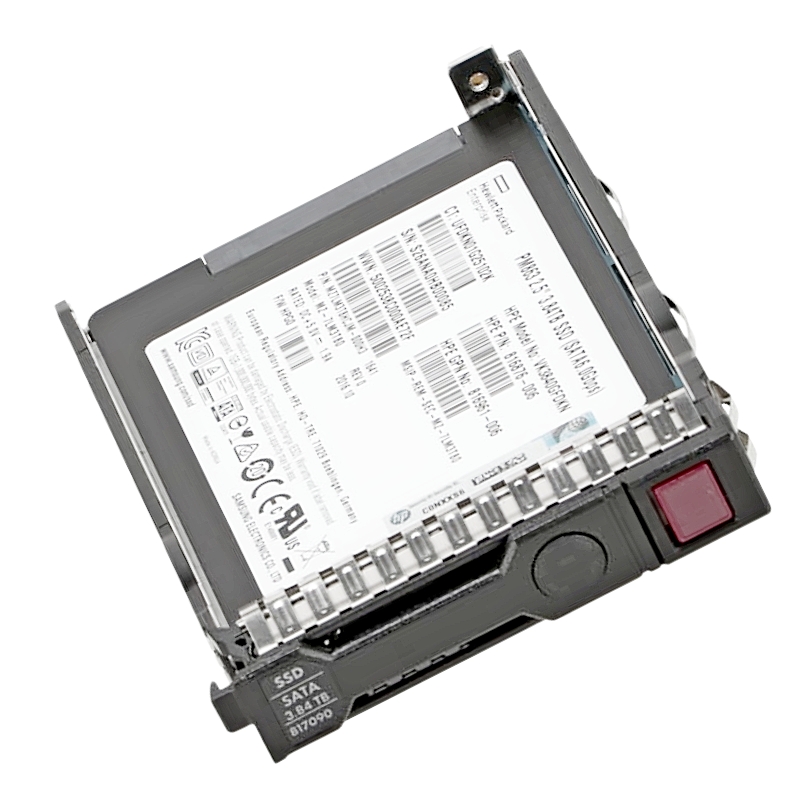


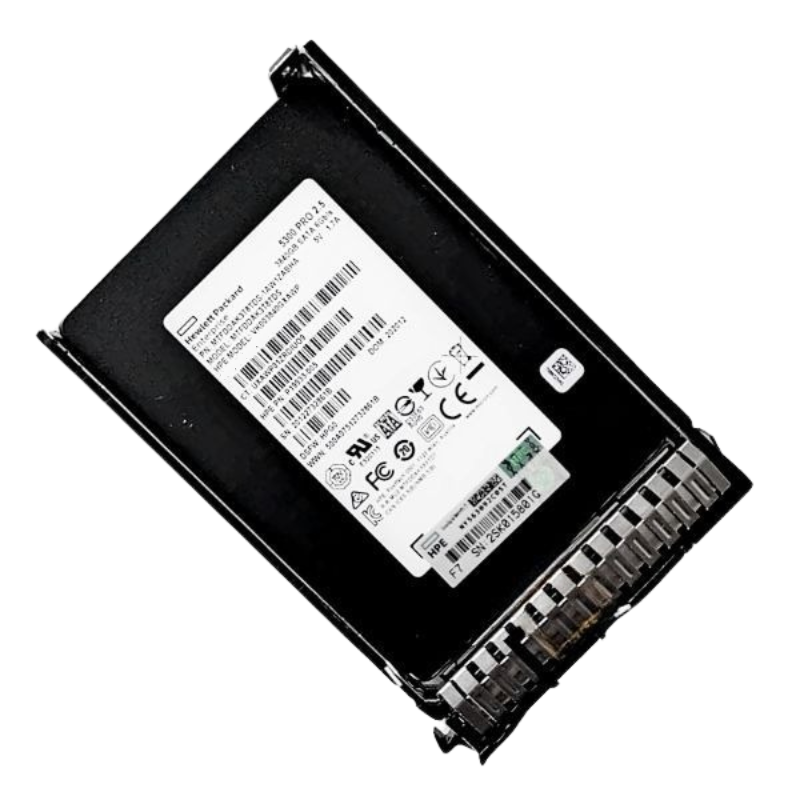
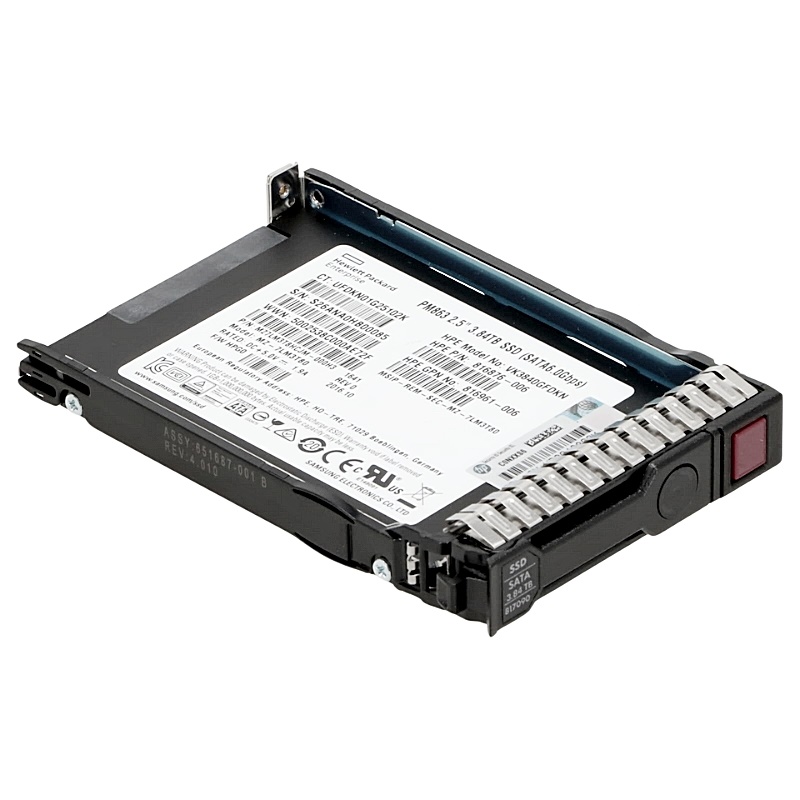
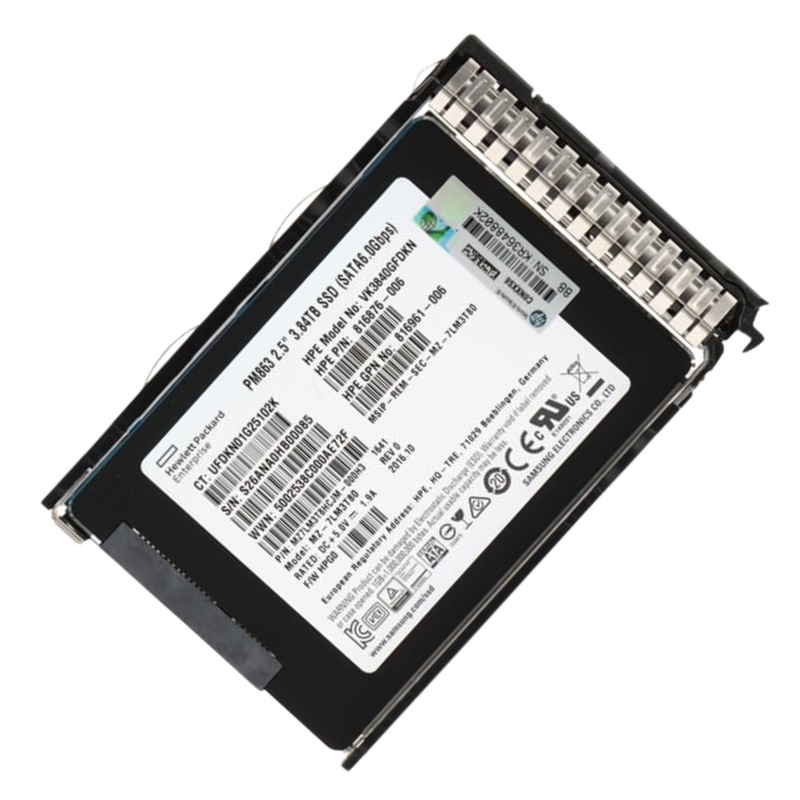
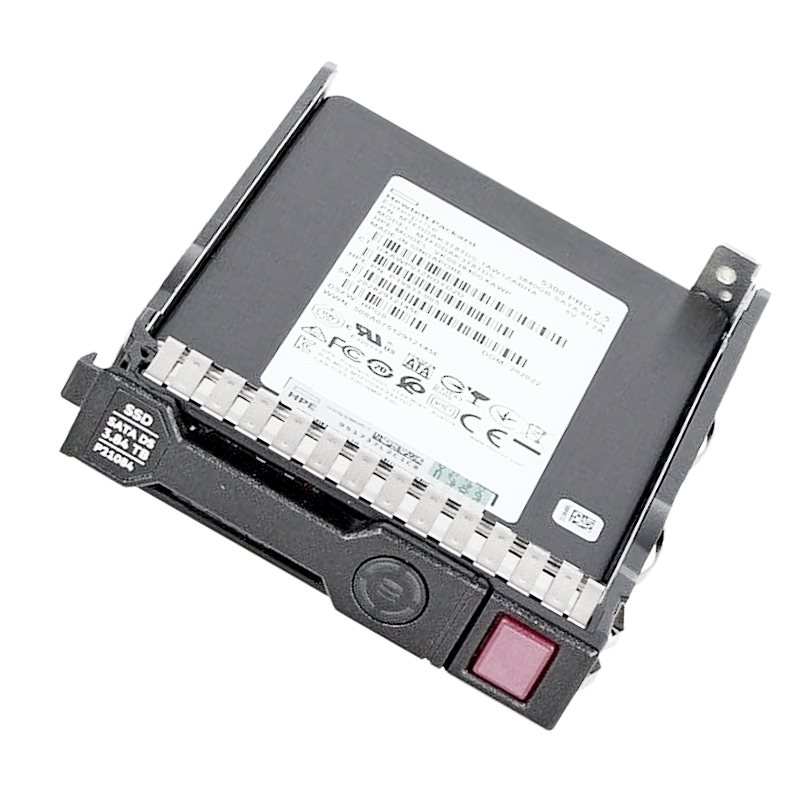
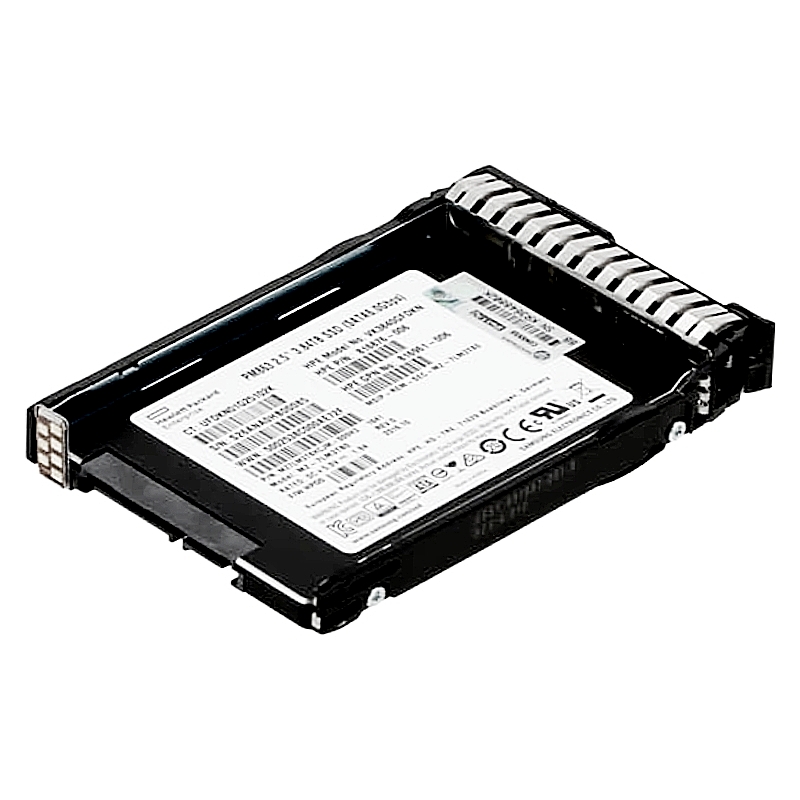
HPE 817090-001 3.84TB SSD SATA-6GBPS Read Intensive TLC M.2. New (System) Pull with 1-Year Replacement Warranty
| SKU/MPN | Warranty | Price | Condition | You save |
|---|---|---|---|---|
| 817090-001 | 1 Year Warranty | $1,187.00 | Excellent Refurbished | You save: $415.45 (26%) |
| 817090-001 | 1 Year Warranty | $1,548.00 | New (System) Pull | You save: $541.80 (26%) |
The HPE 817090-001 3.84TB SSD SATA-6GBPS Read Intensive TLC M.2 represents a focused category of enterprise-class storage designed for environments that prioritize sustained read performance, reliability, and efficient density in modern servers and storage arrays. This category centers on an M.2 form factor solid state drive engineered with triple-level cell (TLC) NAND flash, a SATA-6Gbps interface, and capacities tuned for data center workflows that perform heavy read operations. The category is relevant to system architects, storage administrators, and solution buyers seeking to balance cost-per-gigabyte with endurance characteristics appropriate for read-heavy workloads such as content delivery, large-scale virtualization reads, database index serving, archival retrieval, analytics query acceleration, and caching tiers within hybrid storage architectures.
At the heart of the category are several technical characteristics that buyers and engineers should understand. The M.2 form factor provides compactness and simplified integration into modern servers and edge devices. The SATA-6Gbps interface ensures broad compatibility with existing SATA controller ecosystems while offering a cost-optimized interface compared to PCIe/NVMe. The use of TLC NAND enables higher capacities for a given die count and cost point, positioning the drives as economical for large-capacity read tiers. Read-intensive firmware tuning and over-provisioning strategies are common for drives in this category to maintain consistent read performance over the warranty life. Additionally, enterprise-grade SMART telemetry, power-loss protection strategies, and compatibility with common server management tools make these SSDs suitable for production deployments.
This category leverages the M.2 form factor which comes in a variety of lengths and key types; the HPE 817090-001 variant is manufactured to fit server-compatible M.2 mounting and connector standards. The interface is SATA at 6 gigabits per second, which provides a well-understood signaling and protocol environment, ensuring compatibility with a wide range of SATA controllers and RAID solutions. The SATA interface imposes a ceiling on maximum sequential throughput compared to PCIe-based NVMe solutions, but it remains an excellent option for predictable read performance in many enterprise deployments.
Triple-level cell (TLC) NAND flash offers a balance of capacity and cost. Controllers used in this category are tuned to manage TLC-specific behavior, employing wear-leveling algorithms, error correction strategies, and read-optimized caching to deliver consistent performance. Firmware in read-intensive SSDs typically emphasizes stable random read IOPS, reduced background write amplification during housekeeping, and efficient garbage collection that minimizes latency spikes. Although TLC provides more bits per cell than MLC or SLC, the drive's controller and firmware are the critical elements that preserve endurance and data integrity over the product life.
The compact M.2 packaging can present thermal challenges under sustained workload; therefore, drives in this category often incorporate thermal throttling thresholds and may benefit from server-side M.2 heatsinks or airflow management to prevent performance degradation. Power consumption on SATA M.2 drives is generally lower than many high-performance NVMe SSDs, which is advantageous for energy-sensitive environments and edge deployments. Administrators should evaluate power and airflow when designing racks and chassis to ensure the HPE 817090-001 operates within its optimal thermal envelope.
Read-focused SSD categories prioritize endurance metrics that reflect expected workload patterns. Although endurance ratings for TLC-based drives are lower than for SLC or some enterprise MLC devices, the HPE 817090-001 class is engineered with sufficient TBW and drive reliability targets for sustained read operations. Reliability features frequently include advanced ECC, end-to-end data path protection, SMART reporting for predictive monitoring, and static wear-leveling to distribute writes evenly across the NAND. For mission-critical applications, pairing these drives with redundancy mechanisms—such as RAID configurations or replication—further enhances data availability and reduces the risk of data loss in the unlikely event of a drive failure.
Drives in this category excel at delivering low-latency, high-throughput read operations. Their firmware prioritizes read cache maintenance and minimizes internal write amplification that could otherwise affect read latency. In real-world scenarios—such as serving large numbers of small, random reads typical of virtualization boot storms, metadata queries in large object stores, or repeated reads from analytics datasets—these SSDs provide predictable response times that help maintain application-level performance. It is important to set expectations appropriately: sequential read throughput will be constrained by the SATA-6Gbps interface, but random read performance and consistency are the true advantages for read-focused workloads.
System architects commonly deploy these SSDs as part of multi-tier storage strategies where the SSD functions as a read cache in front of higher-capacity HDD arrays or as an intermediate tier between NVMe accelerators and magnetic storage. When used in caching roles, the HPE 817090-001 3.84TB drives accelerate repeated reads dramatically, reducing latency for frequently accessed objects while shifting write pressure away to more appropriate tiers. Effective caching software and tiering policies maximize the value of these drives and ensure they are used in ways that align with their read-centric strengths.
Quality of service considerations for enterprise deployments often trump raw peak throughput. The predictability of I/O latency under sustained read load is a distinguishing trait of the HPE 817090-001 category. Firmware-level QoS mechanisms and well-designed over-provisioning strategies contribute to minimized latency spikes. For environments that must meet stringent latency SLAs, combining these drives with monitoring and I/O shaping at the host or hypervisor level allows administrators to preserve consistent user experience while taking advantage of the drive’s capacity and read performance.
When selecting an HPE 817090-001 3.84TB SSD SATA-6GBPS Read Intensive TLC M.2, confirming compatibility with the intended server or controller is essential. HPE certifies certain storage components for use in its server lines and storage arrays; buyers should review hardware compatibility lists, firmware pairing recommendations, and any platform-specific requirements. The M.2 form factor requires an appropriate M.2 slot or adapter to fit into 2.5-inch bays or PCIe expansion slots. Administrators should reference HPE technical documentation to ensure that the chosen drive will integrate cleanly into existing chassis and management frameworks.
Enterprise SSD lifecycle management includes scheduled firmware updates to address reliability improvements, performance tuning, and security patches. Drives in this category may have vendor-specific firmware releases that improve compatibility with HPE controllers or server management utilities. Organizations should incorporate periodic firmware review into their maintenance cycles and use vendor-approved update mechanisms to minimize risk. Proper lifecycle management also encompasses periodic health reporting, SMART analysis, and replacement policies that align with the drive’s warranty and expected service life.
Security expectations for enterprise SSDs often include support for ATA security features or self-encrypting drive (SED) capabilities. While specific models may vary, the category of enterprise M.2 SATA read-intensive drives commonly offers hardware-based encryption options to secure data at rest. Integration with enterprise key management and secure erase procedures enables organizations to maintain compliance with data governance policies. When deploying drives in multi-tenant or regulated environments, ensure that encryption features are enabled and validated according to internal compliance requirements.
Enterprise deployments benefit from drives that expose robust telemetry for audit and monitoring. SMART attributes, vendor-specific health metrics, and integration with HPE management suites allow IT teams to track wear, temperature, and error rates. Audit trails for firmware updates and lifecycle events are crucial for regulated industries; therefore, adopt practices that capture and store management actions in a secure manner. Regular reporting supports capacity planning and risk assessments for storage infrastructure.


 Contact Us
 Information
 Catalog
 Solid State Drives (SSD)
 Network Switches
 Hard Disk Drives
 HBA & Controllers
 PC & Servers
 PC & Server Memory
 CPU & Processors
 Network Routers
 Power Supplies
 Tape Drives & Libraries
 Network Devices
 Computer & Network Cables