Your go-to destination for cutting-edge server products
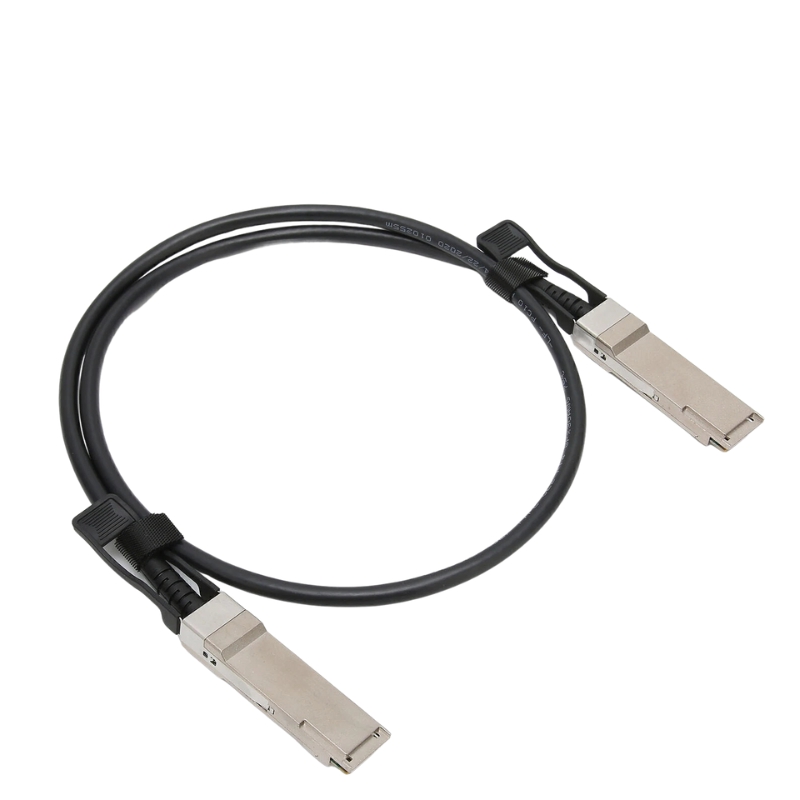
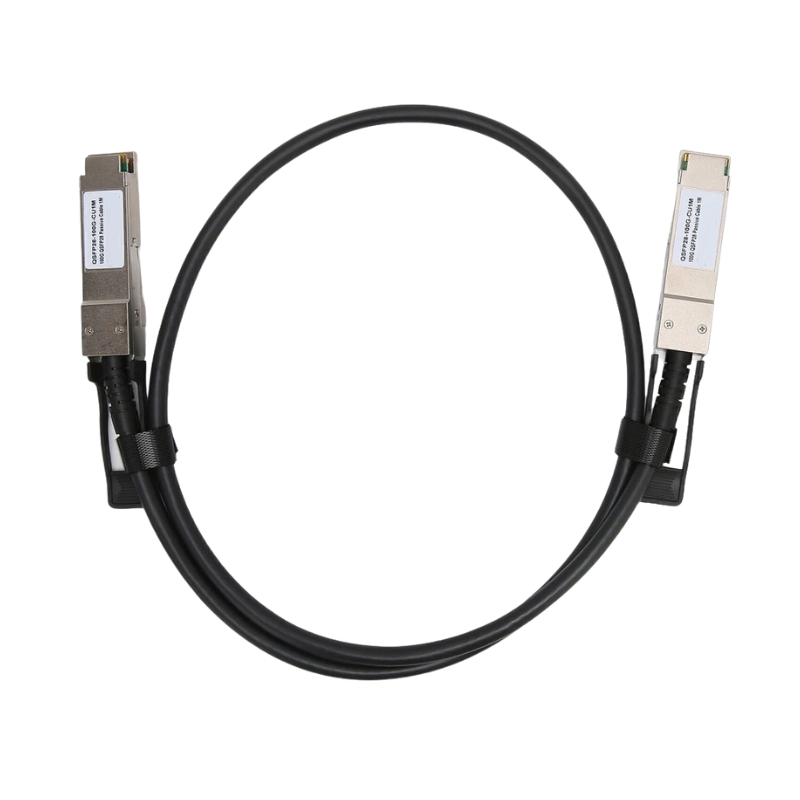
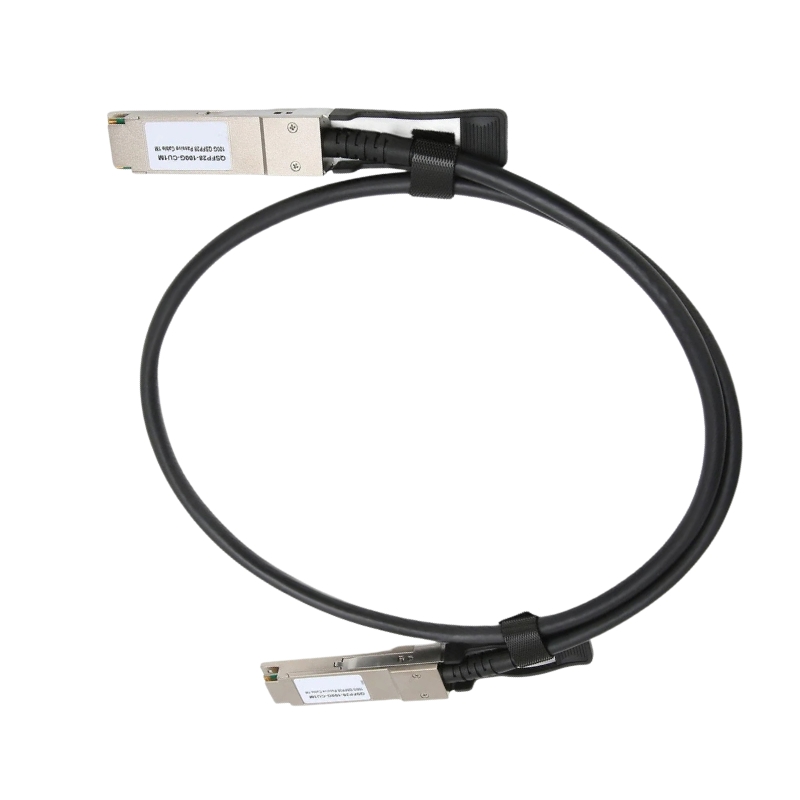
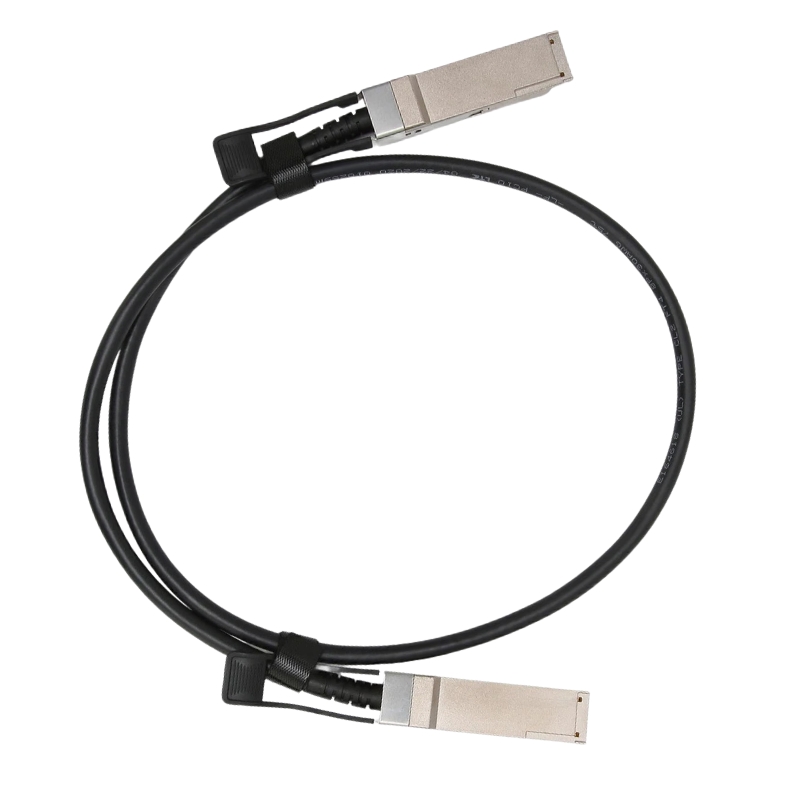
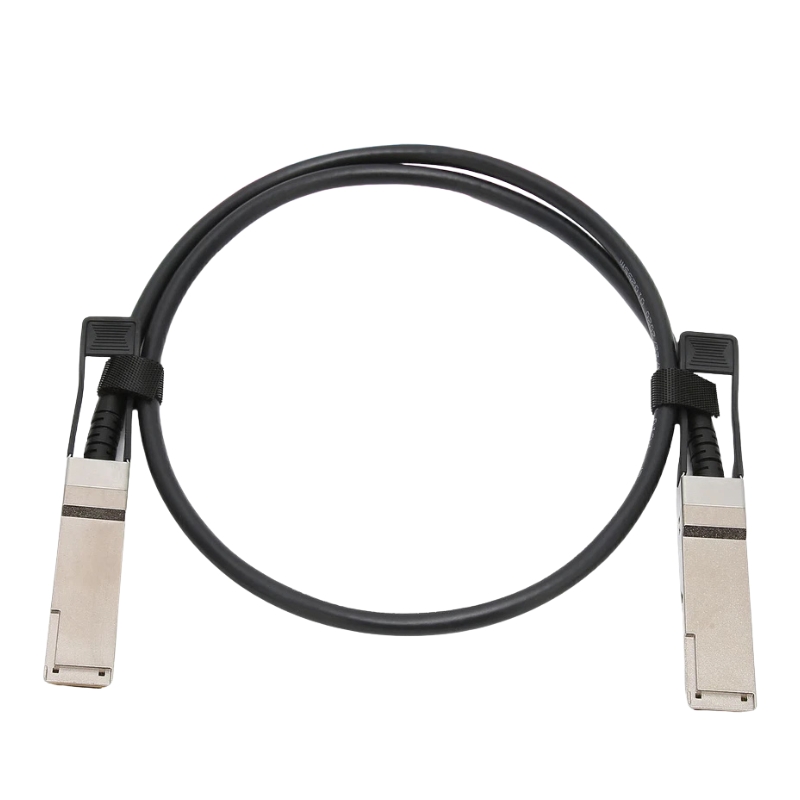
830024-B21 HPE 0.5M 100GB QSFP28 Omni-Path Copper Cable

830024-B21
* Product may have slight variations vs. image
Hover on image to enlarge

Brief Overview of 830024-B21

HPE 830024-B21 0.5M 100GB QSFP28 Omni-Path Copper Cable. New Sealed in Box (NIB) with 3 years Replacement Warranty

$264.60
$193.00
You save: $71.60 (27%)
Ask a question
Price in points: 193 points
+
Quote

Additional 7% discount at checkout

SKU/MPN830024-B21Availability✅ In StockProcessing TimeUsually ships same day ManufacturerHPE Manufacturer Warranty3 Years Warranty from Original Brand Product/Item ConditionNew Sealed in Box (NIB) ServerOrbit Replacement Warranty1 Year Warranty
Google Top Quality Store Customer Reviews
Our Advantages
Payment Options
  • — Visa, MasterCard, Discover, and Amex
  • — JCB, Diners Club, UnionPay
  • — PayPal, ACH/Bank Transfer (11% Off)
  • — Apple Pay, Amazon Pay, Google Pay
  • — Buy Now, Pay Later - Affirm, Afterpay
  • — GOV/EDU/Institutions PO's Accepted 
  • — Invoices
Delivery
  • — Deliver Anywhere
  • — Express Delivery in the USA and Worldwide
  • — Ship to -APO -FPO
  • For USA - Free Ground Shipping
  • — Worldwide - from $30
Description

HPE 830024-B21 0.5M 100GB QSFP28 Opa Copper Cable

The 0.5M 100GB QSFP28 Opa Copper Cable (Manufacturer Part Number: 830024-B21) is a short, high-performance QSFP28 twinax direct attach cable engineered for ultrafast data transfer in dense networking environments. This half-meter copper patch lead delivers reliable 100 Gbit/s throughput and is an excellent choice for connecting switches, routers and high-speed network appliances where low latency and energy efficiency matter.

Key Specifications & Technical Details

  • Product type: Network cable / direct-attach copper lead
  • Cable category: Fiber optic style QSFP28 twinax copper (passive)
  • Cable length: 0.5 m (1.60 ft)
  • Connector (end A): 1 × QSFP28 Network — Male
  • Connector (end B): 1 × QSFP28 Network — Male
  • Data rate: 100 Gbit/s (100Gbps)
  • Feature: Passive, plug-and-play
  • Device compatibility: Network switches, routers, NICs and other QSFP28 ports
  • Environmental: Eco-friendly design

Performance Advantages

Low-Latency High-Bandwidth Connectivity

Designed to support 100Gbps transmission, this QSFP28 copper cord minimizes latency between adjacent racks and within high-density switch clusters. It provides dependable, low-overhead linking for critical storage, compute and virtualization workloads.

Passive Design — Simplicity & Efficiency

The passive architecture eliminates active electronics inside the cable, reducing power consumption, lowering cost and simplifying deployment. Passive twinax leads are ideal for short-reach interconnects where active optics are unnecessary.

Use Cases & Ideal Deployments

  • Top-of-rack (ToR) switch uplinks and server aggregation.
  • Leaf-spine data center fabrics requiring short, high-throughput links.
  • Interconnecting bare-metal servers with 100G NICs.
  • High-performance computing (HPC) clusters and storage arrays.
  • Temporary or permanent patching inside equipment cabinets.

Compatibility & Interoperability

The cable adheres to QSFP28 mechanical dimensions and pinouts, helping ensure broad interoperability across network gear that accepts QSFP28 direct-attach copper. Always verify the device vendor’s compatibility list or firmware recommendations when integrating into branded network equipment.

Common supported device types

  • Enterprise and hyperscale switches with QSFP28 ports
  • High-speed routers and aggregation devices
  • Servers and NICs equipped with QSFP28 connectors
  • Storage controllers and converged infrastructure appliances

Durability, Compliance & Environmental Notes

Built for rugged data center use, this half-meter copper lead features robust shielding and strain-relief to survive repeated insertions. The product is also marketed as environmentally friendly, reflecting reduced energy use compared with active optical alternatives for short links.

Environmental benefits

  • Lower power consumption (passive design) vs. active optics
  • Smaller lifecycle footprint for short-reach connections
  • Packaged quantity: 1 (minimal single-unit packaging available)

Ordering & Procurement Keywords (for search visibility)

  • 0.5m 100G QSFP28 DAC cable
  • half-meter 100Gbps QSFP28 twinax
  • 830024-B21 QSFP28 copper patch lead
  • passive QSFP28 direct attach cable 0.5m
  • 100G direct-attach copper cord for switches

Summary of Benefits

  • High throughput: supports full 100 Gbit/s links
  • Cost-effective for short rack-to-rack connections
  • Low power and passive operation
  • Compact, durable and easy to install
  • Environmentally friendlier choice for short distances

HPE 830024-B21 0.5M 100GB QSFP28 Copper Cable

The HPE 830024-B21 0.5M 100GB QSFP28 Omni-Path copper cable category groups together a focused family of high-performance, short-reach interconnects engineered for server-to-switch and switch-to-switch links in data centers, HPC clusters, and storage fabrics. These passive Direct Attach Copper (DAC) assemblies deliver the cost-efficiency and low-latency characteristics required by modern high-throughput environments while maintaining HPE certification and platform compatibility. Below we provide an exhaustive, continuously flowing category description that explores technical specifications, physical characteristics, interoperability, installation guidance, performance benefits, and buying considerations — all framed to enhance search visibility for users seeking QSFP28 Omni-Path copper cabling solutions.

Technical Specifications and Electrical Characteristics

Products in this category conform to the QSFP28 electrical interface standard and support a nominal aggregated bandwidth of 100 Gbps over four 25 Gbps lanes (commonly implemented as 4×25G PAM4/NRZ depending on vendor and protocol). Typical electrical and mechanical characteristics include:

  • Connector type: QSFP28 male-to-male plugs on each end (cage-compatible with QSFP28 ports).
  • Length: 0.5 meters (short-range, rack-to-rack or switch-to-server interconnect).
  • Media: Twinaxial copper cable (unshielded or shielded braid depending on manufacturer batch), optimized for low insertion loss and controlled impedance.
  • Power consumption: Passive DACs draw negligible power compared to active optical modules; heat dissipation is minimal.
  • Supported protocols: Omni-Path (Intel HPE ecosystems), Ethernet (100GBase-CR4 compatibility where applicable), and various vendor-specific HPC fabrics.
  • RoHS/RoHS-2 compliance: Most certified parts meet current environmental restriction standards.

These electrical characteristics ensure reliable, deterministic connectivity for latency-sensitive workloads such as distributed compute, parallel I/O, and real-time analytics.

Signal Integrity and EMC Considerations

Signal integrity for a 0.5m QSFP28 DAC is maintained through precision-controlled twinax construction, which minimizes crosstalk and insertion loss across the 25 Gbps lanes. Proper shielding and connector grounding practices support robust electromagnetic compatibility (EMC), preventing harmful interference in dense rack deployments. HPE-certified assemblies undergo verification for return loss, crosstalk, and impedance matching to align with switch port specifications.

Mechanical Design, Durability, and Form Factor

The HPE 830024-B21 style DACs emphasize compactness and durability, featuring:

  • Reinforced QSFP28 plug housings to protect against repeated insertion/removal cycles.
  • Flexible yet stable cable jacket materials engineered for tight bend radii in congested patching environments.
  • Latching mechanisms compatible with QSFP cages for secure connections.

These mechanical traits reduce downtime risk and simplify cable management. The half-meter length is intentionally short to minimize cable slack, improve airflow, and reduce clutter in top-of-rack (ToR) and middle-of-row (MoR) layouts.

Thermal and Environmental Ratings

Standard environmental ratings for this category typically include operating temperature ranges from 0°C to 70°C and storage temperatures from -40°C to 85°C. HPE-certified assemblies are stress-tested to ensure connector integrity under thermal cycling and high-density heat load scenarios commonly encountered in enterprise racks.

Compatibility and Interoperability

An essential advantage of the HPE 830024-B21 family is platform compatibility. These cables are validated for use with HPE servers, switches, and Intel Omni-Path host adapters. However, many QSFP28 copper DACs may also interoperate with third-party switches and NICs that accept QSFP28 passive twinax physically and electrically; compatibility depends on port firmware and vendor locking policies.

  • HPE switches: Aruba/HPE 100G-capable leaf and spine switches with QSFP28 ports.
  • HPE servers: ProLiant and Apollo series configured with QSFP28 NICs or adapters.
  • Omni-Path adapters: Intel/HPE Omni-Path host channel adapters (HCA) used in HPC environments.
  • Third-party devices: Many leading switch vendors accept QSFP28 passive DAC connectivity — confirm via compatibility matrices.

Before purchasing, cross-check firmware requirements and compatibility lists published by HPE and the server/switch OEM to ensure plug-and-play interoperability in mixed-vendor fabrics.

Vendor Locking and Firmware Considerations

Some vendors implement transceiver/cable authentication via firmware. The HPE 830024-B21 designation signals a vendor-approved part number which avoids blocked compatibility on HPE gear — critical for large-scale deployments where inventory predictability matters. Where third-party QSFP28 DACs are used, ensure BIOS/firmware allows use of non-branded cables or obtain vendor-approved alternatives.

Performance Benefits and Use Case Scenarios

Choosing a 0.5m QSFP28 Omni-Path copper cable yields specific operational advantages:

  • Ultra-low latency: Passive copper provides the lowest possible link latency compared to longer optical solutions, benefiting HPC MPI workloads and low-latency trading platforms.
  • High throughput: Full 100 Gbps aggregate bandwidth supports heavy east-west traffic, NVMe-oF bursts, and distributed storage replication.
  • Cost-effectiveness: Copper twinax is significantly less expensive for short runs than active optical transceivers and fiber assemblies.
  • Energy efficiency: Passive construction removes the need for optical transceivers’ active electronics, reducing power draw per link.
  • Ease of replacement: Standardized form factor allows rapid swaps during maintenance windows.

Common use cases include:

  • Top-of-rack switch uplinks to server leaf switches where run length is ≤0.5m.
  • High-performance compute clusters using Intel Omni-Path fabrics for MPI and distributed processing.
  • Storage arrays and NVMe front-ends in hyperconverged infrastructure requiring deterministic connectivity.
  • Short-span switch-to-switch connections inside the same rack or adjacent racks.

Comparative Analysis: Copper DAC vs. AOC vs. Fiber

When assessing link options, the 0.5m QSFP28 DAC slot occupies a niche between active optical cables (AOC) and fiber with separate optics:

  • Copper DAC: Best for shortest runs, lowest latency, lowest cost, limited to passive reach constraints.
  • AOC (Active Optical Cable): Adds distance, light-weight flexibility, and EMI immunity at higher cost and slightly higher power consumption.
  • Direct Fiber + Optics: Maximizes distance and flexibility in complex topologies but requires transceivers and fiber management at higher CAPEX/OPEX.

For intra-rack and near-rack links where distance is restricted to a few meters and budget is a primary driver, the 0.5m QSFP28 DAC is often the optimal choice.

Cable Routing and Airflow Considerations

Because DACs are typically short and dense, route them close to the equipment to maintain consistent airflow and prevent obstruction of front-to-back cooling paths. Avoid routing cables across fan outlets or blocking perforated panels that serve as air intake/exhaust.

Quality Assurance, Testing, and Certification

HPE-approved parts like the 830024-B21 undergo electrical verification and certification testing to ensure compliance with vendor-specific standards. When evaluating suppliers, consider the following QA checkpoints:

  • Manufacturer test certificates for insertion loss, return loss, and impedance matching.
  • Compliance with QSFP28 mechanical and electrical specs.
  • Batch-level traceability and lot testing documentation.
  • Warranty coverage and RMA policies for defective units.

For critical deployments, request test reports or require independent third-party validation to confirm the cable meets data center performance requirements.

Common Diagnostics and Troubleshooting Steps

Typical issues and quick resolutions include:

  • No link reported: Verify port status, reseat the cable, check device logs for port disablement, and ensure NIC/switch firmware allows the cable type.
  • Intermittent connectivity: Inspect for damaged plugs, verify latch engagement, and test with a known-good cable to isolate the fault.
  • Performance degradation: Review switch counters for CRC or alignment errors, confirm lane speed negotiation, and validate BIOS/firmware compatibility.

Inventory Management and Lifecycle Planning

Because DACs like the 0.5m QSFP28 are inexpensive relative to active optics, they are often stocked in quantity for maintenance spares. Inventory strategies to consider:

  • Standardization: Standardize on a single part designation (e.g., HPE 830024-B21) across a rack row or pod to simplify spares management.
  • Spares-per-rack: Keep a minimum number of spare cables per rack (commonly 2–4) to cover quick failures or swaps.
  • Lifecycle replacement: Replace cables after a defined number of insertion cycles or when physical wear is evident.

Document serials and lot numbers when acquiring large batches to facilitate warranty claims or failure analysis.

Procurement Tips and Total Cost of Ownership (TCO)

Buying decisions should weigh unit cost against compatibility risk. HPE-branded or HPE-certified 830024-B21 cables may carry a premium but reduce the risk of vendor lockouts or unsupported port behaviors. TCO calculations should factor in:

  • Initial purchase price per port.
  • Expected service life and replacement frequency.
  • Operational savings from reduced power consumption and simpler cooling needs.
  • Administration costs tied to inventory complexity and warranty handling.

Security, Compliance, and Environmental Policies

While a cable is a passive component, its procurement and deployment can influence compliance with corporate and regulatory standards. Consider the following:

  • RoHS/REACH compliance: Environmental and chemical safety adherence for regulated regions.
  • Conflict minerals reporting: For organizations with responsible sourcing policies, request supplier compliance documentation.
  • Disposal and recycling: Follow electronic waste protocols at end-of-life to minimize environmental impact.

Labeling Standards and Asset Tracking

Adopt an asset labeling scheme including SKU, purchase date, and rack/pod allocation. Scannable barcodes or RFID tags on enclosures (rather than the cable itself) help with automated audits.

Deployment Patterns and Architecture Examples

Below are several practical architectures where 0.5m QSFP28 Omni-Path DACs excel:

  • Dense compute racks: Each compute node connects to a top-of-rack 100G switch via 0.5m DACs for minimal latency in HPC clusters.
  • Storage front-ends: NVMe front-end nodes linking to a local switch fabric for high IOPS and predictable latency.
  • Leaf-spine consolidation: Short-distance leaf uplinks inside modular data center enclosures where rack adjacency is assumed.

These patterns optimize cable length, airflow, and signal quality while simplifying cabling trays.


Features
Manufacturer Warranty:
3 Years Warranty from Original Brand
Product/Item Condition:
New Sealed in Box (NIB)
ServerOrbit Replacement Warranty:
1 Year Warranty