Your go-to destination for cutting-edge server products
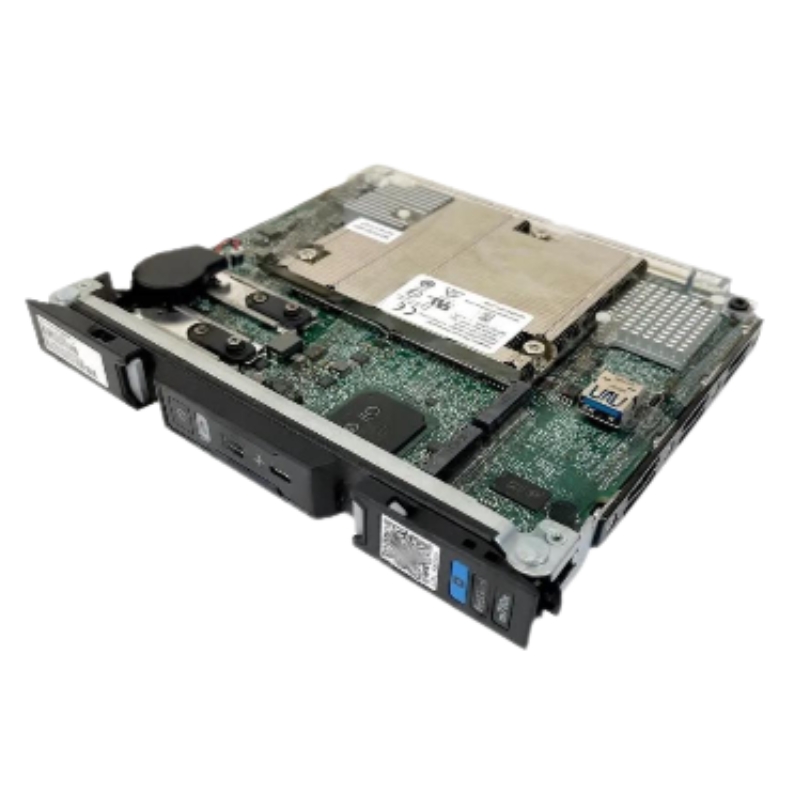
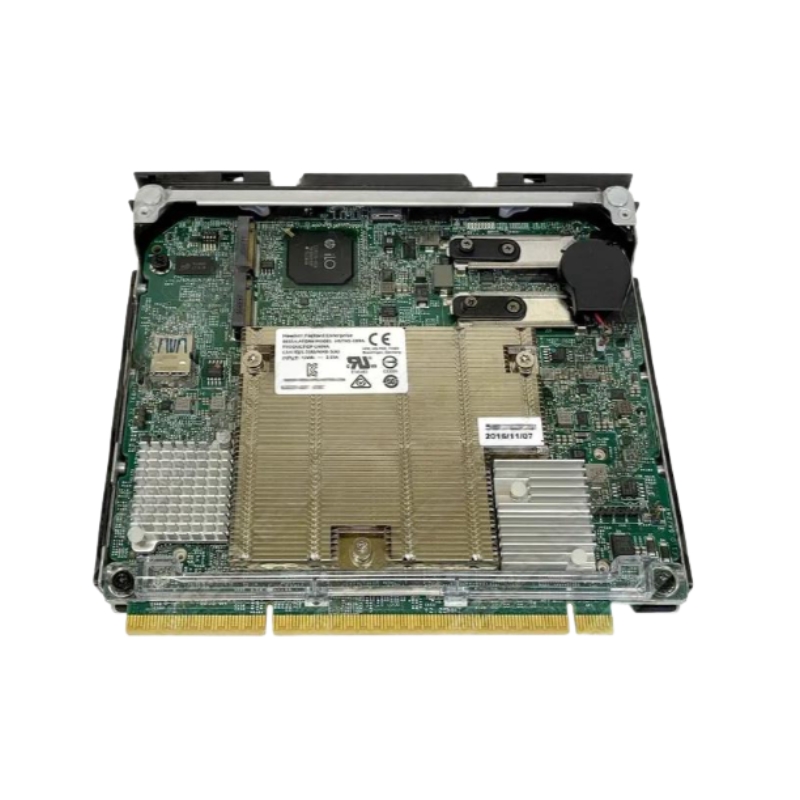
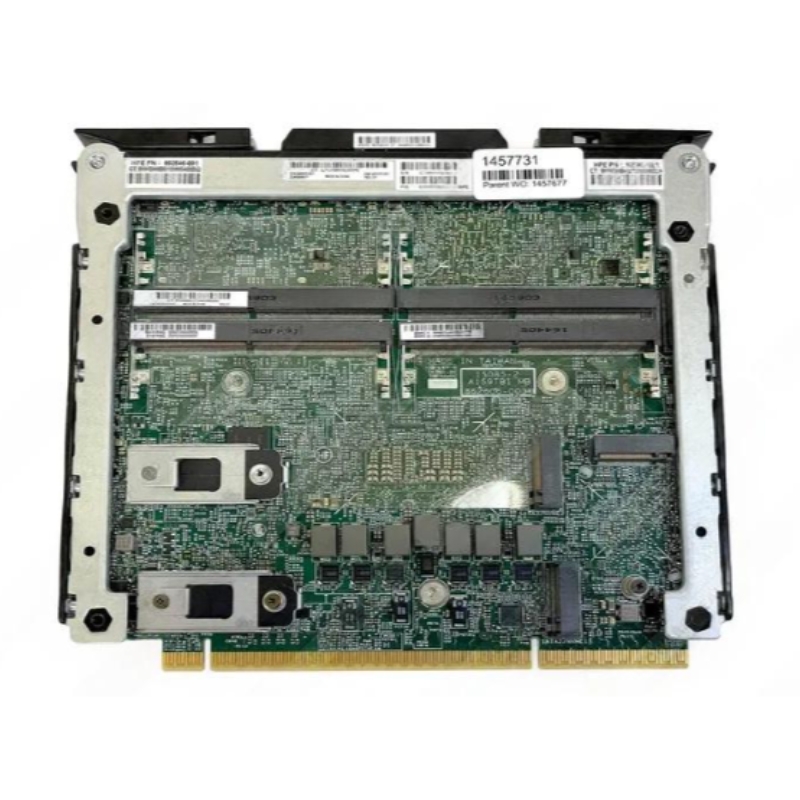
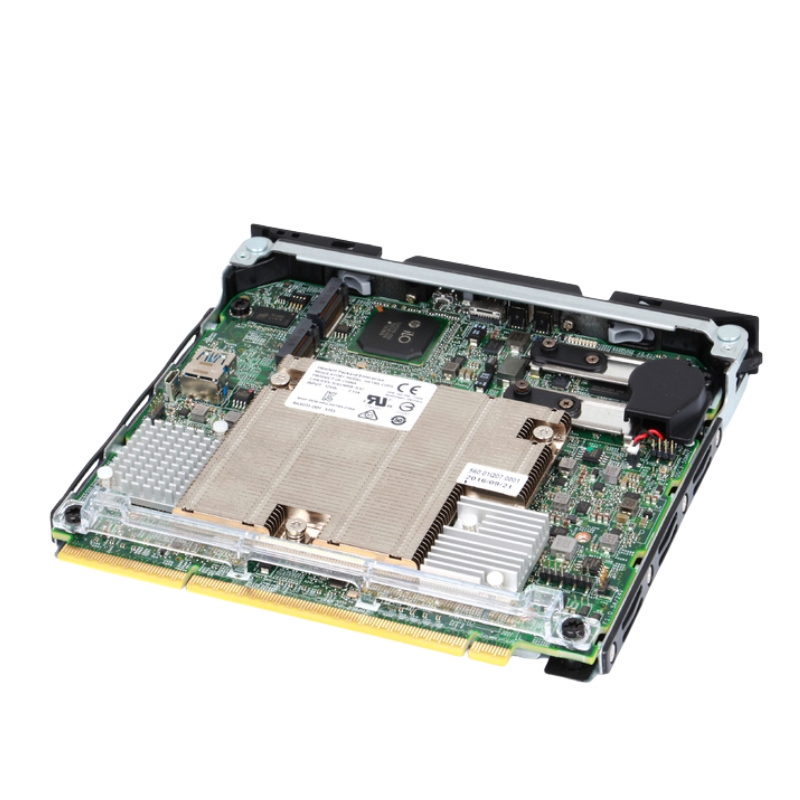
833105-B21 HPE M710x E5-1585L V5 45W Server Cartridge.

833105-B21
* Product may have slight variations vs. image
Hover on image to enlarge

Brief Overview of 833105-B21

HPE 833105-B21 M710x E5-1585L V5 45W Server Cartridge. Excellent Refurbished with 1 year replacement warranty

$641.25
$470.00
You save: $171.25 (27%)
Ask a question
Price in points: 470 points
+
Quote

Additional 7% discount at checkout

SKU/MPN833105-B21Availability✅ In StockProcessing TimeUsually ships same day ManufacturerHPE Manufacturer WarrantyNone Product/Item ConditionExcellent Refurbished ServerOrbit Replacement Warranty1 Year Warranty
Google Top Quality Store Customer Reviews
Our Advantages
Payment Options
  • — Visa, MasterCard, Discover, and Amex
  • — JCB, Diners Club, UnionPay
  • — PayPal, ACH/Bank Transfer (11% Off)
  • — Apple Pay, Amazon Pay, Google Pay
  • — Buy Now, Pay Later - Affirm, Afterpay
  • — GOV/EDU/Institutions PO's Accepted 
  • — Invoices
Delivery
  • — Deliver Anywhere
  • — Express Delivery in the USA and Worldwide
  • — Ship to -APO -FPO
  • For USA - Free Ground Shipping
  • — Worldwide - from $30
Description

HPE 833105-B21 ProLiant m710x Cartridge High-Performance Edge & Moonshot Compute

The HPE ProLiant m710x (part number 833105-B21) is a compact, high-density server cartridge engineered for HPE Edgeline EL1000 / EL4000 platforms and the Moonshot 1500 chassis. Built for edge computing, space-constrained racks and appliance-style deployments, this cartridge pairs a capable quad-core Intel® Xeon® E3-1585L v5 processor with integrated Iris Pro™ P580 graphics and multiple NVMe M.2 slots to deliver balanced CPU, GPU and storage performance.

Key Features & Highlights

  • Embedded Intel Xeon E3-1585L v5 — 4 cores, 3.0 GHz base (up to 3.7 GHz Turbo)
  • Integrated Intel Iris Pro P580 graphics for accelerated visual/compute tasks
  • Extensive NVMe support: up to four M.2 NVMe 2280/22110 slots plus one SATA M.2 2242
  • Memory flexibility with four DDR4 SODIMM sockets — supports up to 64 GB (4×16 GB)
  • Designed for HPE Edgeline EL1000 / EL4000 and Moonshot 1500 systems

Technical Specifications

Processor & Compute

  • CPU model: Embedded Intel Xeon E3-1585L v5
  • Cores / Threads: Quad-core
  • Base clock: 3.0 GHz
  • Turbo (max): 3.7 GHz
  • Graphics: Integrated Intel Iris Pro P580

Memory & Expansion

  • DIMM slots: 4 × DDR4 SODIMM slots
  • Maximum RAM: Up to 64 GB (4 × 16 GB SODIMMs)
  • Memory type: DDR4 SODIMM (server-grade modules recommended)

Storage & I/O

  • NVMe M.2 bays: Four M.2 2280 / 22110 slots (front + rear)
  • SATA M.2 bay: One M.2 2242 SATA slot
  • USB: One standard USB connector (front)
  • Maximum storage (typical configs): Up to ~8 TB NVMe M.2 aggregate; up to 240 GB on SATA M.2, depending on module sizes

Physical & Compatibility Information

  • Manufacturer: HPE
  • Part number: 833105-B21
  • Compatible systems: HPE Edgeline EL1000, EL4000; Moonshot 1500 chassis
  • Included in kit: One HPE ProLiant m710x cartridge and one heatsink

Design Advantages & Use Cases

The m710x cartridge is optimized for scenarios that demand compact, energy-efficient compute with local storage and GPU acceleration. Common deployments include:

  • Edge analytics and real-time processing
  • Embedded vision and media transcoding (leveraging Iris Pro graphics)
  • High-density server farms and telco micro-datacenters
  • Appliance-style solutions where space and power are constrained

Performance Considerations

  • The Xeon E3-1585L v5 provides a balanced mix of single-thread and multi-thread throughput for lightweight virtualization, containerized workloads and I/O-heavy tasks.
  • Multiple NVMe M.2 slots allow low-latency, high-IOPS storage tiers that accelerate databases, cache layers, and boot volumes.
  • Integrated Iris Pro graphics can offload GPU-accelerated workloads, reducing the need for separate GPU cards in edge systems.

Upgrade & Configuration Notes

Memory Upgrades

  • Populate all four SODIMM slots with matched modules (4×16 GB) to reach the 64 GB maximum.
  • Use server-grade DDR4 SODIMMs recommended by HPE for stability in production environments.

Storage Options

  • NVMe M.2 drives (2280 / 22110) can be configured for RAID or standalone high-speed storage depending on host firmware and software support.
  • The single SATA M.2 2242 slot is ideal for OS/boot drives or smaller capacity caching drives.
  • Note: cartridge is shipped without DIMMs and M.2 modules — drives and memory must be purchased separately or specified as part of an integrated kit.

Compatibility Checklist

  • Ensure the target chassis is either HPE Edgeline EL1000 / EL4000 or Moonshot 1500.
  • Confirm the chassis backplane and firmware versions support the M.2 slot types listed.
  • Plan for thermal and power budgets when populating multiple high-performance M.2 devices.

HPE 833105-B21 M710x E5-1585L V5 45W Server Cartridge

The HPE 833105-B21 M710x cartridge is a purpose-built server compute module designed for density-optimized HPE enclosures and blade chassis. At its center is the Intel® Xeon® E5-1585L v5 processor — a low-voltage, high-efficiency CPU optimized for enterprise workloads that demand balance between sustained performance and power/thermal efficiency. This category page covers the M710x cartridge family, variations and compatible subcategories, technical features, installation and maintenance considerations, typical workloads and deployment scenarios, upgrade and compatibility matrices, procurement and sourcing tips, optimization strategies, and frequently asked questions for IT professionals and procurement teams.

Designed-for-purpose architecture

HPE's M710x cartridges are engineered to fit within modular server platforms where space, power, and serviceability matter. These cartridges integrate compute, memory, and network connectivity into a slimline form factor that slides into a blade midplane. Key architectural benefits include high density, centralized cooling, simplified cabling, and fast field replacement.

Key physical characteristics

  • Cartridge form factor designed for HPE blade enclosures (verify chassis compatibility before purchase).
  • Low-voltage CPU option (E5-1585L v5) targeting optimized TDP (45W) for dense configurations.
  • Integrated heatsink and carrier for chassis airflow compatibility.
  • Front-accessible service points to minimize downtime during replacement.

Processor Focus: Intel Xeon E5-1585L v5 — What makes it special?

The Intel Xeon E5-1585L v5 is a member of the Broadwell-EP family tailored to deliver core performance with a reduced thermal envelope. Its characteristics make it ideal for multi-slot blade chassis where thermal headroom is limited but compute density is prioritized.

Performance versus power trade-off

Unlike full-TDP Xeon parts, the L-series (low voltage) variants lower maximum wattage without drastically reducing single-thread or burst throughput. For organizations running mixed workloads — such as light virtualization, web services, network functions, or database front-ends — the E5-1585L v5 provides a compelling balance between performance and ongoing energy costs.

Typical on-paper specs

  • Base / Turbo frequencies: moderate base clock with turbo boost to handle bursts.
  • Cores / Threads: fit for moderate parallelism and multi-threaded applications.
  • Cache: multi-megabyte shared L3 cache to accelerate memory-intensive operations.
  • TDP: 45W (thermal design power), enabling tighter thermal budgets in dense chassis.

Memory, I/O and Storage Capabilities

The M710x family supports server-grade DDR4 memory configurations and flexible I/O depending on the exact cartridge SKU. Memory capacity and speed directly impact application performance; therefore it's crucial to align DIMM population with workload requirements.

Memory configuration guidance

For best results:

  • Populate DIMMs in matched pairs to enable dual-channel bandwidth where applicable.
  • Use HPE-qualified ECC DDR4 modules for maximum reliability and error correction.
  • Consider higher-capacity DIMMs for in-memory databases or caching workloads to reduce I/O waits.

I/O & network interfaces

The cartridge leverages the blade chassis backplane for access to networking fabrics and storage controllers. Typical deployment options include:

  • Embedded LOM (LAN on Motherboard) options for 1GbE / 10GbE connectivity or better through the enclosure interconnects.
  • Mezzanine or riser expansion capability in supported chassis for adding specialized NICs (e.g., 25GbE, 40GbE) or accelerators.
  • Integration with enclosure-level SAS/SATA or NVMe backplanes for shared storage pools.

Storage options and best practices

Because blade cartridges often rely on shared storage managed at the enclosure level, plan for:

  • Storage tiering strategies: combine local cache with centralized storage arrays for optimal cost-performance.
  • RAID or software-defined replication at the enclosure or SAN level to maintain availability.
  • NVMe caching or persistent memory where ultra-low latency is required (verify chassis NVMe support).

Compatibility & Chassis Integration

Not all cartridges are interchangeable between enclosure generations. The HPE 833105-B21 M710x has explicit compatibility with certain HPE blade chassis and fabric modules. Before procurement or swap projects, verify firmware, interconnect, and chassis firmware compatibility.

Compatibility checklist

  • Chassis model and generation — confirm the M710x is supported in your enclosure firmware release.
  • Interconnect module type — ensure the fabric modules (Ethernet, Flex-10, etc.) support the cartridge NIC mapping.
  • Management controller firmware — iLO and Onboard Administrator versions must be compatible with new cartridges.
  • Power and cooling profiles — check chassis power supplies and fan modules for adequate capacity when populating multiple 45W cartridges.

BIOS, firmware and driver considerations

A small mismatch in BIOS or device driver versions can cause suboptimal behavior or prevent boot. Maintain an inventory of firmware versions and plan staged rollouts. HPE's Service Pack for ProLiant (SPP) often contains validated firmware and driver bundles to simplify mass updates.

Suggested stage-update workflow
  1. Record baseline firmware and BIOS on existing cartridges.
  2. Update a test chassis with the targeted SPP bundle.
  3. Validate OS compatibility and device driver behavior under representative load.
  4. Execute phased update across production fleet with backups and rollback plans.

Deployment & Use Cases — Where M710x Fits Best

The M710x cartridge family is versatile. Below are common workloads and deployment patterns where the E5-1585L v5 45W cartridge excels.

Virtualization hosts for light-to-moderate VM density

In virtualized environments where each host runs several small VMs — for microservices, development, or branch consolidation — the low-TDP cartridge reduces overall datacenter power while still providing enough per-core performance to maintain VM responsiveness.

Web, caching, and application front-ends

The combination of cache-friendly CPU and adequate memory allows M710x cartridges to function as fast web nodes, reverse proxies, or caching servers in front of larger back-end clusters.

Edge and telco deployments

For edge computing or telco network functions where physical space is limited and fan/noise constraints are important, low-power cartridges allow for dense compute near the network edge. The 45W TDP reduces cooling requirements in constrained environments.

High-performance computing (HPC) considerations

While M710x cartridges provide capable compute, they’re not typically the first choice for large-scale HPC where many-core, high-TDP CPUs or GPUs dominate. They can, however, be useful for lightweight parallel jobs, orchestration nodes, or management servers inside an HPC cluster.

Security and Remote Management

Remote management and hardware-level security are essential for enterprise deployments. HPE iLO (Integrated Lights-Out) features provide remote console, power control and health monitoring. Security features such as secure boot, firmware signing, and manageability APIs should be used to maintain a hardened deployment.

Recommended management features to enable

  • iLO Agents: for hardware inventory, remote KVM and virtual media.
  • Secure Boot: to ensure only authorized firmware and kernels load.
  • TPM / Trusted Platform Elements: to support encryption keys and attestation.
  • Role-based access control: limit who can perform firmware updates or remote power cycles.

Compliance and certifications

Depending on your industry, cartridges might need to fit into regulatory frameworks (e.g., PCI-DSS, HIPAA, ISO standards). Maintain documentation of firmware versions, server serials, and configuration baselines to support audits.

Energy Efficiency, Cooling and Data Center Planning

Low-voltage processor cartridges like the E5-1585L v5 help data centers reduce per-node energy use. However, density increases may still stress power distribution and cooling systems if many cartridges are populated in a single enclosure.

Power planning checklist

  • Calculate aggregate TDP per chassis and scale to full population to size power feeds and UPS accordingly.
  • Consider peak power draw for simultaneous disk spin-up or boot events.
  • Validate PDUs and rack power distribution for redundancy and load balancing.

Cooling and airflow guidance

Blade systems rely on chassis fans and directed airflow. To avoid thermal hotspots:

  • Ensure correct front-to-back airflow orientation in the rack.
  • Avoid mixing hot and cold aisles without baffles or blanking panels.
  • Use environmental monitoring sensors at rack-level to collect real-time thermal telemetry.

Procurement, Lifecycle and Total Cost of Ownership (TCO)

The true cost of cartridge deployments extends beyond sticker price. TCO calculations must include power, cooling, licensing, management, maintenance contracts and potential chassis upgrades.

Procurement tips

  • Buy HPE-authorized parts to maintain warranty and access to SPP updates.
  • Consider certified refurbishers for cost savings when non-critical workloads are in play — ensure warranty & testing documentation.
  • Bundle chassis, interconnects, and management licenses to get validated compatibility and supplier support.

TCO variables to calculate

  • Hardware acquisition and chassis amortization.
  • Power and cooling operational costs (kWh, cooling overhead).
  • Software and hypervisor licensing that scales with socket or core counts.
  • Maintenance and support contract costs over the expected lifecycle.

Upgrade Paths and Scalability

Planning for future growth requires understanding the upgrade constraints of the cartridge and enclosure ecosystem. While cartridges can often be swapped for higher-TDP or higher-core variants, chassis power, fans, and backplane interconnects may impose hard limits.

Scaling vertically versus horizontally

Decide whether to:

  • Scale up: replace cartridges with higher-core CPUs or larger memory configurations (verify chassis compatibility).
  • Scale out: add more cartridges in additional chassis to distribute load and increase fault isolation.

Planning a non-disruptive upgrade

When possible, use rolling upgrade strategies:

  • Migrate workloads off one cartridge at a time (live migration for VMs) before replacement.
  • Test new firmware and CPU microcode in a staging chassis prior to production rollout.
  • Monitor performance impact post-upgrade to validate expected gains and ensure no regressions.
Features
Manufacturer Warranty:
None
Product/Item Condition:
Excellent Refurbished
ServerOrbit Replacement Warranty:
1 Year Warranty