Your go-to destination for cutting-edge server products
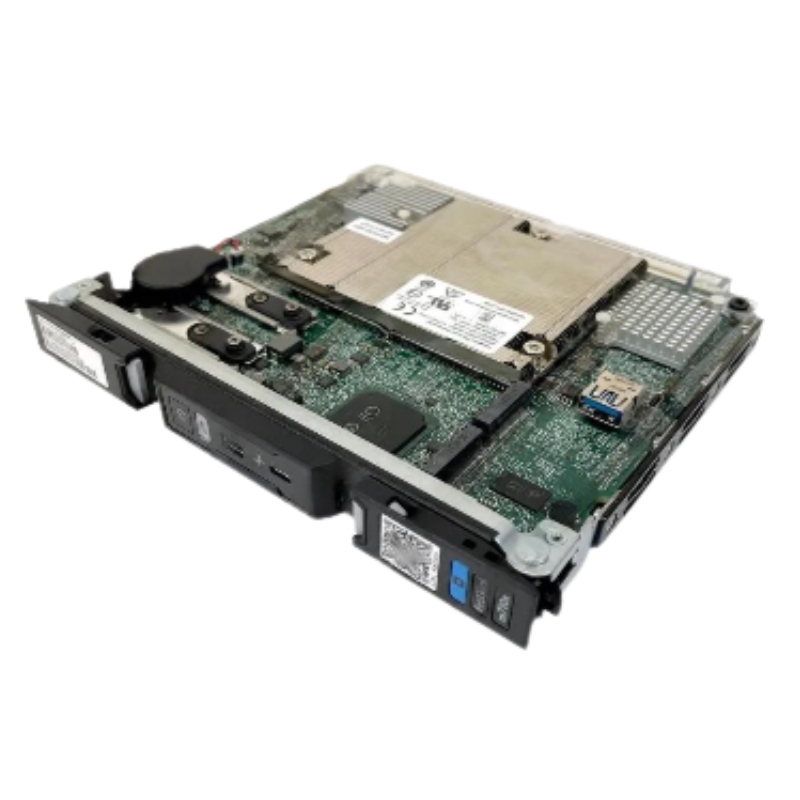
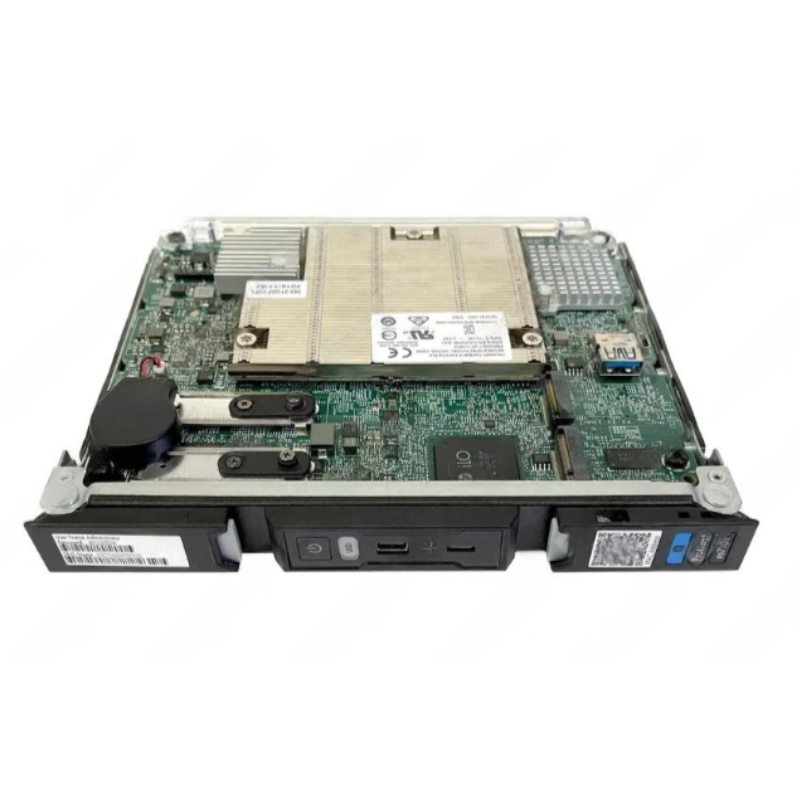
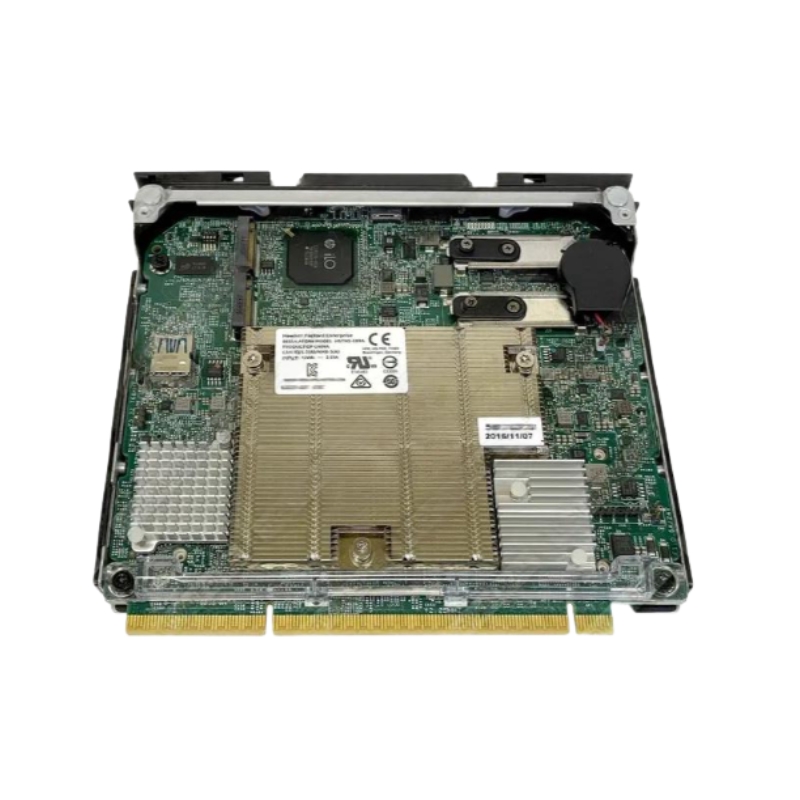
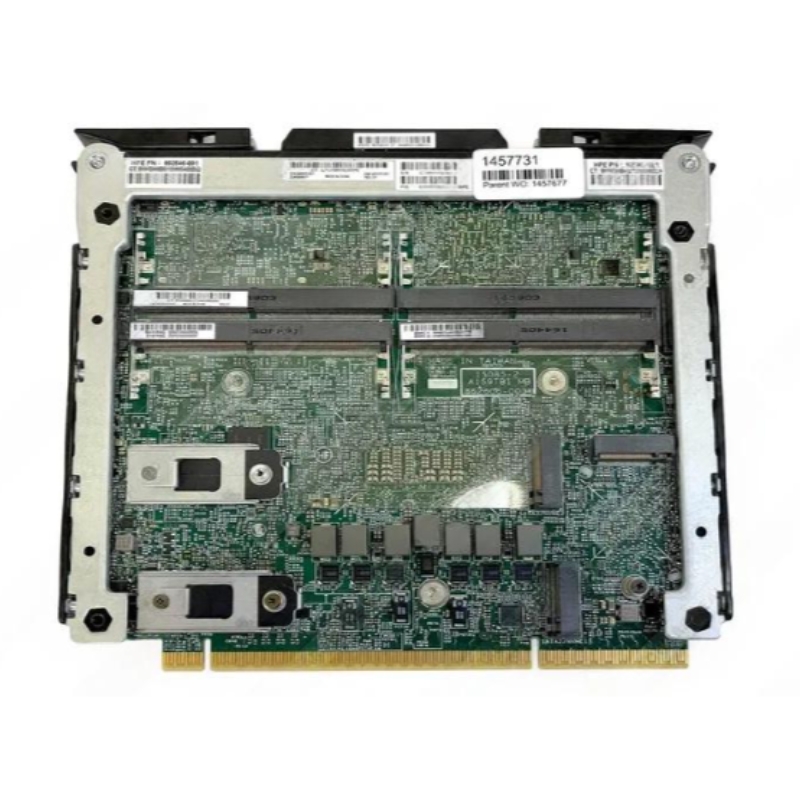
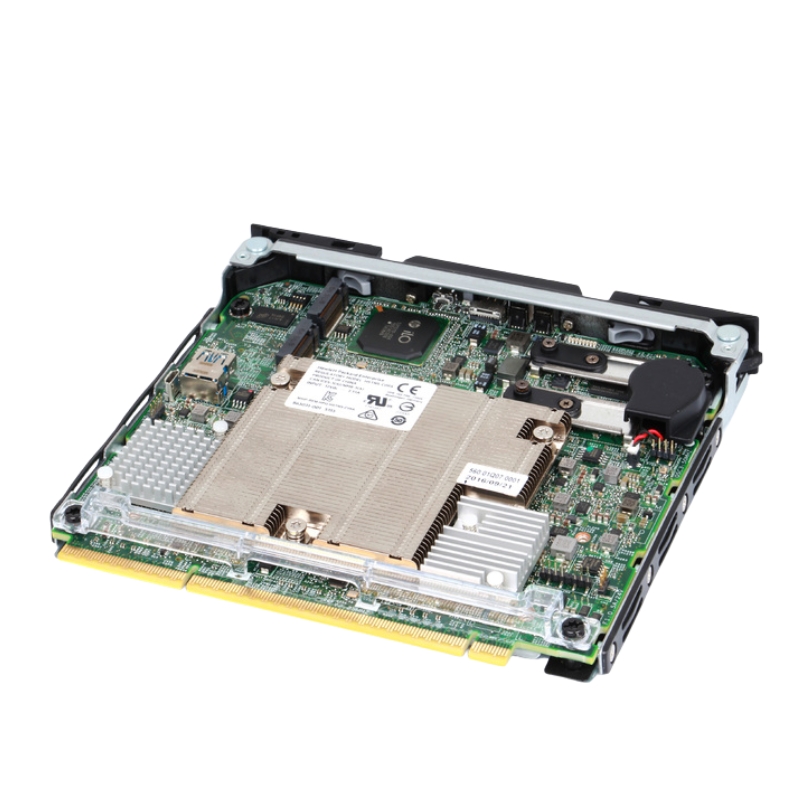
833107-001 HPE Proliant M710X 3.1Ghz 4-Core Server Cartridge.

833107-001
* Product may have slight variations vs. image
Hover on image to enlarge

Brief Overview of 833107-001

HPE 833107-001 Proliant M710X E3-1585Lv5 3.1Ghz 4-Core Server Cartridge. Excellent Refurbished with 1 year replacement warranty

$641.25
$470.00
You save: $171.25 (27%)
Ask a question
Price in points: 470 points
+
Quote

Additional 7% discount at checkout

SKU/MPN833107-001Availability✅ In StockProcessing TimeUsually ships same day ManufacturerHPE Manufacturer WarrantyNone Product/Item ConditionExcellent Refurbished ServerOrbit Replacement Warranty1 Year Warranty
Google Top Quality Store Customer Reviews
Our Advantages
Payment Options
  • — Visa, MasterCard, Discover, and Amex
  • — JCB, Diners Club, UnionPay
  • — PayPal, ACH/Bank Transfer (11% Off)
  • — Apple Pay, Amazon Pay, Google Pay
  • — Buy Now, Pay Later - Affirm, Afterpay
  • — GOV/EDU/Institutions PO's Accepted 
  • — Invoices
Delivery
  • — Deliver Anywhere
  • — Express Delivery in the USA and Worldwide
  • — Ship to -APO -FPO
  • For USA - Free Ground Shipping
  • — Worldwide - from $30
Description

HPE 833107-001 ProLiant m710x

The HPE 833107-001 ProLiant m710x server cartridge is a compact compute module engineered for high-density deployments. Also called the m710x cartridge or ProLiant m710x compute node, this blade-style module delivers balanced CPU, GPU, memory and storage for media, VDI and edge workloads while minimizing rack footprint and power draw.

Core specifications and hardware highlights

Key technical attributes that make the m710x suitable for graphics-heavy and low-latency applications:

  • Processor: Intel Xeon E3-1585L v5 — quad-core SoC, 3.1 GHz base, up to 3.7 GHz turbo.
  • Graphics: Intel Iris Pro Graphics P580 with 128 MB eDRAM, ideal for accelerated encoding and VDI graphics acceleration.
  • Memory support: Up to 64 GB DDR4 ECC SODIMM for resilient application memory.
  • Storage: M.2 slots supporting NVMe M.2 drives for ultra-fast I/O and a SATA M.2 option for OS/boot.
  • Networking: Dual 10 GbE connectivity via Mellanox ConnectX-3 Pro NIC for high throughput and low latency.
  • Remote management: HPE Integrated Lights-Out (iLO 4) for full remote administration, firmware updates, and monitoring.

Detailed hardware breakdown

Processor and compute

The Intel Xeon E3-1585L v5 provides four physical cores with Hyper-Threading support and a balanced power/performance profile. Its Skylake-based architecture and SoC design reduce component count while providing enterprise CPU capabilities.

Integrated graphics and multimedia

Intel Iris Pro Graphics P580, backed by 128 MB of embedded DRAM, accelerates real-time video tasks, hardware encoding/decoding and rich remote desktop graphics for VDI. This integrated GPU is particularly effective for:

  • 4K HEVC/H.265 video transcoding and streaming pipelines.
  • High-density media servers where discrete GPUs are impractical.
  • Graphical acceleration for virtual desktops and multimedia apps.
Memory and reliability

Support for up to 64 GB of DDR4 ECC SODIMM ensures a balance between density and fault-tolerant memory operations required in production environments.

Storage options

M.2 slots accept NVMe SSDs for high throughput and low latency storage tiers, while a SATA M.2 can be reserved for OS/boot to separate system and data volumes for reliability and performance.

Networking and I/O

The inclusion of a Mellanox ConnectX-3 Pro dual 10 GbE NIC provides enterprise-grade networking suitable for clustered workloads, video delivery, and edge analytics where bandwidth and latency are critical.

Compatible chassis and deployment platforms

The 833107-001 cartridge is intended for use in HPE's high-density enclosures and rugged edge platforms:

  • HPE Moonshot 1500 Chassis: A densely packed blade enclosure capable of housing multiple m710x cartridges to maximize compute per rack unit and lower per-node power costs.
  • HPE Edgeline (EL1000 / EL4000): Ruggedized converged edge systems designed for industrial, retail and IoT footprints; they enable placement of m710x modules outside traditional data centers for local real-time processing.

Common use cases and workload patterns

The m710x excels in scenarios that require a mix of compute and graphics acceleration performed at high density:

  • Video transcoding and live encoding: Convert and deliver multiple streams, including 4K HEVC, at scale.
  • Virtual Desktop Infrastructure (VDI): Host many graphical remote desktops with hardware-assisted rendering.
  • Media streaming and CDN edge nodes: Dense media servers for streaming workloads with low power per stream.
  • Edge computing and IoT analytics: Local ingest, preprocessing and inference at facilities, retail outlets or manufacturing floors.

Deployment scenarios and recommendations

Moonshot density optimizations

When maximizing node count, place NVMe storage on targeted cartridges that serve I/O-heavy roles and use SATA M.2 for OS on compute-only nodes. Group similar workloads together to simplify cooling and power profiles.

Edge and ruggedized installations

For Edgeline deployments, prioritize environmental validation — ensure the chassis and cooling options match ambient conditions and plan remote management via iLO 4 to reduce onsite maintenance.

Advantages, limitations and selection guidance

Understand where the m710x shines and where alternative solutions may be more appropriate:

  • Advantages:
    • High compute density and low energy footprint.
    • Integrated GPU lowers need for separate graphics cards.
    • Fast NVMe storage support for latency-sensitive applications.
  • Limitations:
    • Cartridge must be used in supported HPE chassis — not a standalone 1U server.
    • Integrated GPU is capable but not a replacement for high-end discrete GPUs in heavy AI/ML training tasks.
  • Selection tips: Choose the m710x if you need dense media processing, VDI or edge analytics in constrained space; choose discrete GPU-equipped blades if you require large-scale GPU compute.

Operational best practices and maintenance

  • Keep iLO firmware current to ensure secure, remote management and BIOS-level fixes.
  • Use ECC memory to prevent silent data corruption in critical services.
  • Segment NVMe and OS volumes to improve failure isolation and simplify backups.
  • Monitor thermal and power metrics when packing cartridges densely in Moonshot enclosures.

Comparison checklist — m710x vs alternative blades

  • Density: m710x offers higher compute per RU compared to many 1U servers.
  • Graphics: Integrated Iris Pro P580 for medium-duty graphics; discrete GPU blades outperform for massive parallel workloads.
  • Cost: Lower capital and operational costs per node in Moonshot chassis due to shared infrastructure.

HPE 833107-001 ProLiant M710X Server Cartridge

The HPE 833107-001 ProLiant M710X server cartridge — outfitted with the Intel E3-1585Lv5 3.1 GHz quad-core processor — is a high-density, purpose-built compute module engineered for environments that demand a compact footprint without compromising throughput or reliability. This category description focuses on the cartridge's role as a modular computing building block within HPE blade and cartridge ecosystems, clarifying how it fits into enterprise, telco, edge, and specialized compute deployments. Use this content to help buyers, systems integrators, and technicians quickly understand the attributes, benefits, compatibility, and typical use cases of the M710X cartridge while improving organic search visibility for product and category pages.

Key Features and Selling Points

The M710X cartridge balances performance, efficiency, and manageability, making it suitable for a wide variety of workloads. Highlighted features commonly sought by buyers include:

  • Intel E3-1585Lv5 3.1GHz (4-core) — strong single-thread and multi-thread performance for light-to-medium virtualization and compute tasks.
  • High-density form factor — optimized for chassis-based deployments where physical space and power budgets are constrained.
  • Enterprise-grade reliability — built with HPE engineering standards for extended uptimes and predictable behavior in production environments.
  • Remote management compatibility — integrates with HPE management tools for firmware updates, monitoring and lifecycle orchestration.
  • Modular scalability — allows data centers and edge sites to add compute incrementally without massive reconfiguration.

Technical Specifications

Understanding the technical makeup of the M710X cartridge helps technical buyers and administrators match the component to workload requirements. Below are the core technical attributes and what each means for real-world operations.

Processor and Performance

At the heart of the cartridge is the Intel E3-1585Lv5, a 3.1 GHz quad-core CPU engineered for a balance of power efficiency and per-core performance. This processor is well-suited to tasks where clock speed and single-thread responsiveness matter — for example, latency-sensitive network functions, real-time analytics, and certain database workloads.

  • Cores / Threads: 4 cores; capable of strong per-thread performance for compute-bound applications.
  • Base Clock: 3.1 GHz — provides quick instruction throughput for transactional or single-thread-heavy loads.
  • Cache and IPC: Server-focused cache hierarchy to reduce memory latency and improve throughput for common server tasks.

Performance Tuning and Optimization

Administrators can extract maximum value from the cartridge by tuning BIOS/firmware settings, adjusting power profiles, and optimizing application threading. Practical steps include:

  • Enabling appropriate processor power states to balance performance and power consumption.
  • Aligning operating system CPU affinity with workload patterns to reduce context switching.
  • Using up-to-date microcode and firmware to ensure stability and performance patches are applied.

Memory, I/O, and Storage Support

Memory and I/O capabilities define how the cartridge ties into network and storage fabrics. The M710X supports server-class memory modules and a selection of local connectivity options catering to both ephemeral and persistent storage models.

  • Memory: ECC-capable modules for data integrity under load; configure per workload demands.
  • I/O: Integrated controllers and mezzanine or backplane connections provide network and storage interfaces tailored to the host chassis.
  • Storage options: Local flash or disk expansion via chassis-integrated bays; ideal for caching or boot devices.
Memory Configuration Best Practices

For database caching, virtualization or memory-hungry applications, populate matched DIMM pairs to enable interleaving and maximize memory bandwidth. Ensure ECC is enabled at the firmware level to reduce silent data corruption risks in critical deployments.

Networking and Connectivity

Networking capabilities are a decisive element for cartridges deployed in clustered or distributed systems. Depending on chassis and backplane options, the M710X can support multiple NIC configurations, offload engines, and hardware acceleration for network processing.

  • Integrated NICs: Multiple port options through the chassis backplane or integrated controllers.
  • Offload features: Support for checksum, segmentation offload, or SR-IOV where supported by the firmware and OS.
  • Compatibility: Works with standard HPE management and networking modules in compatible enclosures.

Compatibility and Integration

Compatibility matters: the M710X is designed to integrate seamlessly into specific HPE chassis and enclosure families. Verify chassis model support, backplane revision, and management controller compatibility before procurement. Typical integration checkpoints:

  • Chassis model and firmware revisions.
  • Interoperability with HPE iLO and lifecycle controllers.
  • Power and cooling budgets for the target enclosure.

Supported Chassis and Enclosure Considerations

When building a rack or edge appliance using M710X cartridges, plan for:

  • Slot population: Mixing cartridges with different power or thermal profiles can affect chassis balance — follow vendor population rules.
  • Management modules: Ensure the system's baseboard management controller (BMC) or iLO version supports the cartridge's monitoring and update features.
  • Firmware harmonization: Align firmware and driver levels across compute, networking, and storage modules to reduce incompatibilities.

Use Cases and Workload Fit

The ProLiant M710X cartridge is flexible and effective in a range of common and niche server roles. Below are practical deployment profiles where its characteristics excel.

Edge Compute and Remote Sites

Its compactness and efficient performance make the M710X a great choice for edge compute where rack space, power, and cooling are limited. It is ideal for processing local telemetry, running site-specific automation, or performing initial data reduction before sending aggregated results to a central cloud or data center.

Telecom and NFV (Network Functions Virtualization)

In telecom contexts, the cartridge can host virtual network functions (VNFs), control applications, and service orchestration components. Its strong per-core performance benefits latency-sensitive network functions and packet-processing tasks.

Virtualization and Container Hosts

For light-to-moderate virtualization workloads or for hosting short-lived containers at scale, use the M710X where density and manageability are more important than raw multi-socket, many-core throughput. Typical deployments include:

  • Branch or satellite virtualization stacks.
  • Dev/test clusters with frequent redeployments.
  • Microservices hosts where many small services require isolation with low per-instance overhead.

Reliability, Availability and Serviceability (RAS)

Enterprise customers select HPE cartridges for their expected RAS features. The M710X follows HPE's conventions for error reporting, hot-swap compatibility at the chassis level, and remote diagnostics. Key aspects to consider:

  • Error detection: ECC memory and processor reporting reduce silent failures.
  • Predictive failure alerts: Monitoring tools can flag degrading components before critical outages.
  • Serviceability: Cartridge design enables easier replacement and spare management in populated enclosures.

Power, Thermal and Physical Considerations

Dense deployments require careful power and thermal planning. Although M710X cartridges prioritize efficiency, cumulative power draw and chassis airflow patterns must be respected to maintain stable operations.

Power Budgeting

When planning a chassis populated with multiple M710X cartridges, calculate the aggregated maximum power draw and verify the enclosure's power supplies and distribution can support peak demands. Employ power management policies during non-peak hours to reduce consumption where feasible.

Thermal Management

Maintain recommended airflow paths and avoid mixing incompatible cartridge types that change the chassis thermal profile. Routine ambient temperature checks and chassis airflow monitoring help preserve component lifespan and prevent thermal throttling.

Security and Firmware Management

Security-conscious organizations should consider firmware integrity, secure boot options, and management-plane access controls. The cartridge supports vendor-supplied firmware management workflows; maintain a controlled update cadence and sign firmware where supported.


Best Practices for Secure Deployment

  • Enable management-plane authentication and role-based access controls (RBAC).
  • Maintain an offline, signed firmware repository for controlled rollouts.
  • Use network segmentation for management traffic to isolate it from production data networks.
Features
Manufacturer Warranty:
None
Product/Item Condition:
Excellent Refurbished
ServerOrbit Replacement Warranty:
1 Year Warranty