(7% discount is applied at checkout)
Cart is empty
Your go-to destination for cutting-edge server products
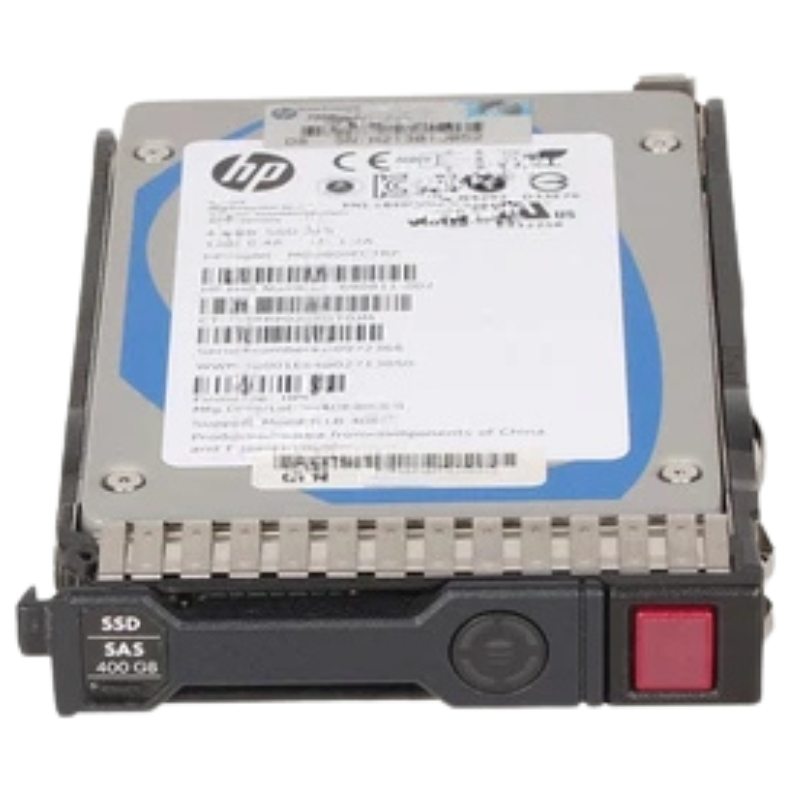


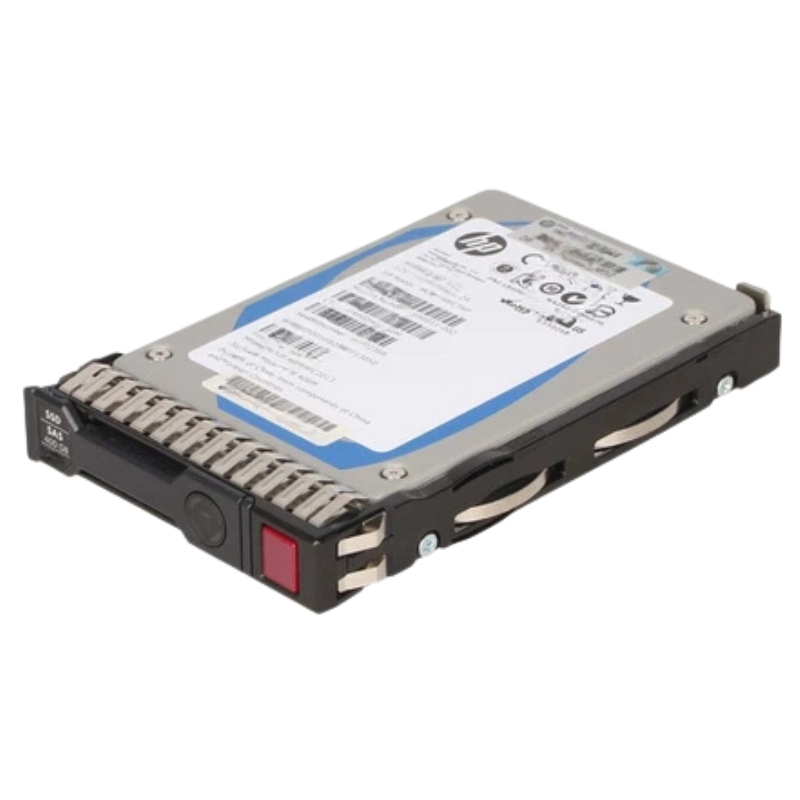
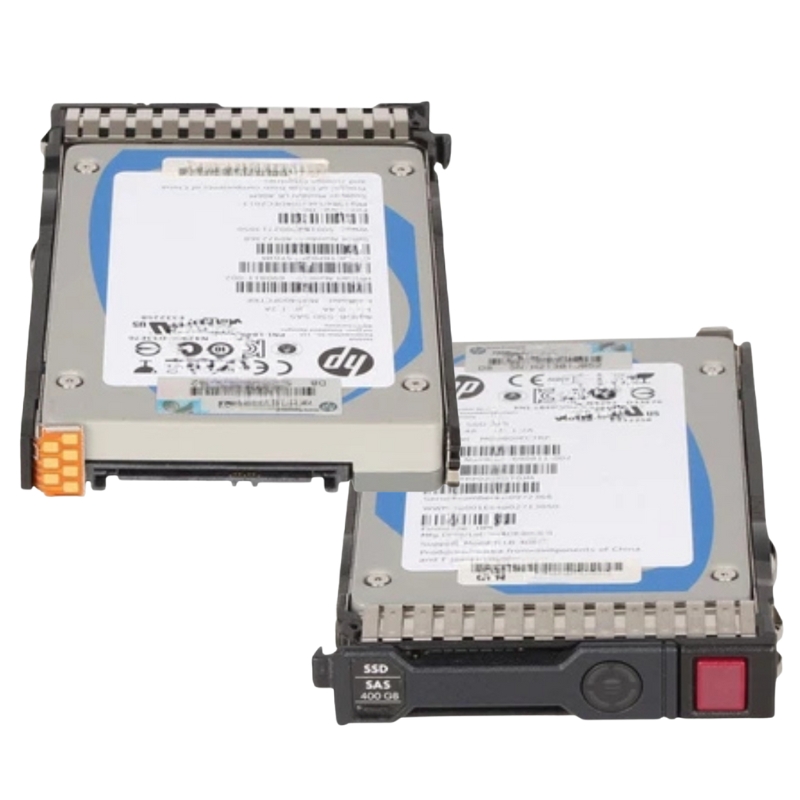
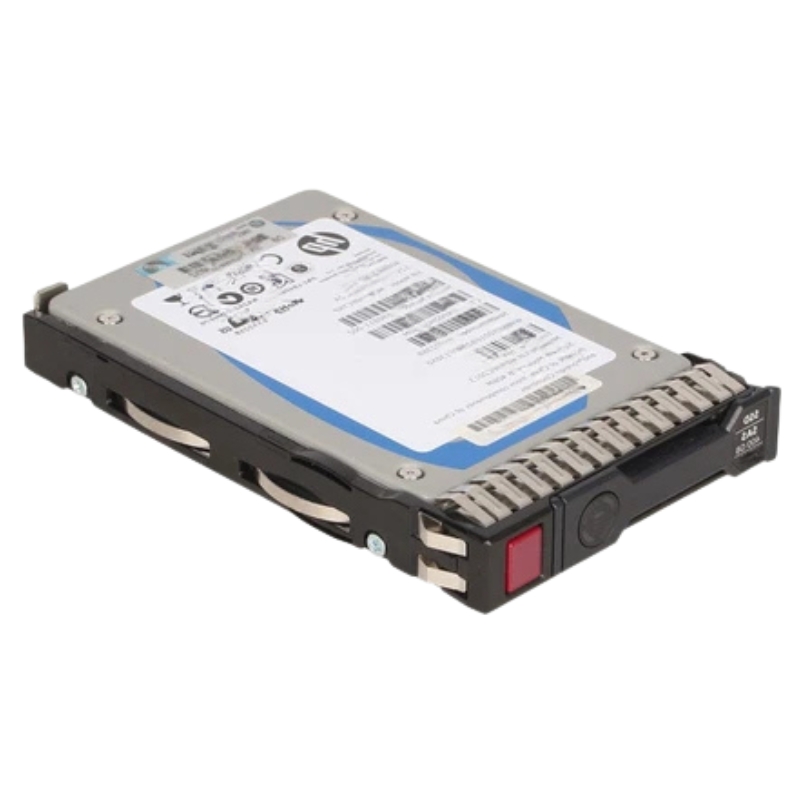
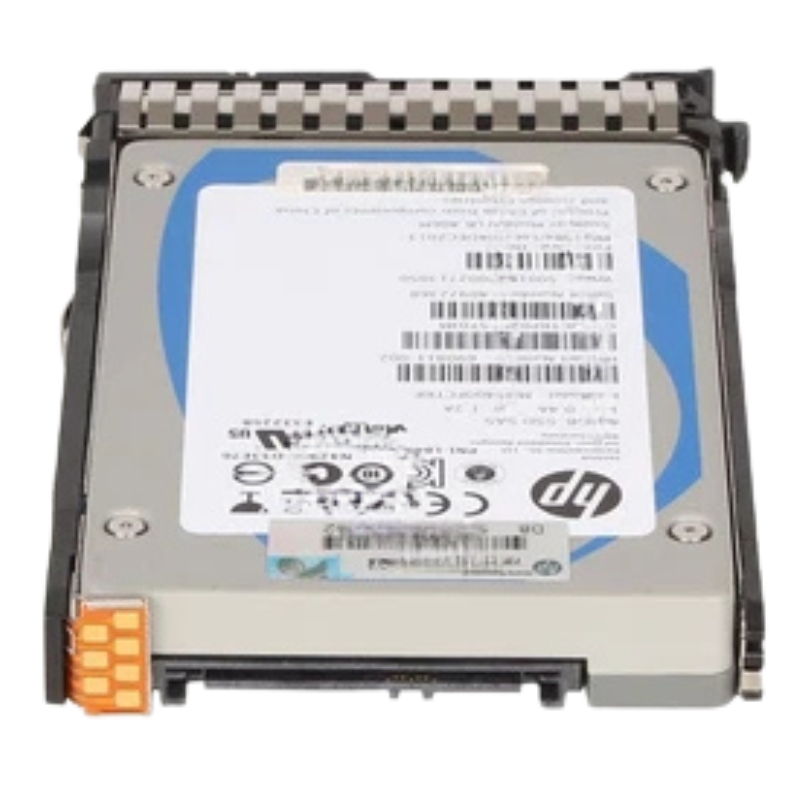
HPE 834291-001 400GB SAS 12GBPS Mixed Use 2.5Inch SFF SSD. Excellent Refurbished with 1 year replacement warranty
The HPE 834291-001 is a high-performance 400GB enterprise SSD engineered for low-latency, energy-efficient storage in HPE ProLiant and HPE Synergy platforms. Built on Multi-Level Cell (MLC) flash and a 12Gb/s SAS interface, this compact 2.5-inch drive delivers dependable throughput and consistent I/O for mixed-use and write-heavy workloads. Ideal for organizations seeking robust, production-grade solid-state storage that’s fully compatible with StoreVirtual 3000 systems.
Top benefits
The HPE 834291-001 SSD delivers consistent I/O performance under mixed workloads, offering low and predictable latency for read- and write-intensive applications. Its 12Gb/s SAS link enables maximum utilization in modern enterprise storage topologies and dual-port configurations for redundancy and high availability.
The HPE 834291-001 is tailored for enterprises that require durable, fast storage in environments that mix heavy reads and writes. Typical deployments include:
This SSD has been validated for use with HPE storage ecosystems and servers. It offers plug-and-play replacement in supported HPE chassis and works with common RAID controllers and SAS backplanes. For maximum reliability, pair the drive with firmware and controller revisions recommended by HPE.
Designed for mixed-use environments, the drive balances endurance and capacity. MLC flash coupled with enterprise grade controllers provides strong data integrity, wear leveling, and error correction — helping extend service life while maintaining predictable performance for production workloads.
Choose the HPE 834291-001 when you need a balance of capacity, high IOPS, and endurance in a compact 2.5" SAS package. If your workload is predominantly write-heavy (very high DWPD requirements), consider higher-endurance alternatives; for read-dominant workloads, larger capacity MLC or TLC drives may provide better cost per GB.
With a 12Gb/s SAS interface, peak link throughput supports substantially higher transactional and sequential throughput than older 6Gb/s interfaces; however, real-world application performance depends on controller efficiency, queue depth, RAID overhead, and workload profile. Mixed-use designation means the drive's firmware and NAND management algorithms are tuned to deliver consistent small-block I/O performance (important for databases, virtualization hosts, and mixed file/VM workloads) while maintaining reasonable sustained sequential throughput for background tasks such as replication or rebuilds.
Mixed-use SSDs are specified to tolerate a combination of reads and writes measured in drive writes per day (DWPD) or terabytes written (TBW) over the warranty period. HPE’s mixed-use family is placed between the higher-end write-intensive class (for heavy database logging or high-rate write caches) and read-optimized class (for mostly static content). This SKU is therefore suitable for VDI boot-storms, mixed virtualization clusters, metadata and index storage, and general purpose flash tiers where a balance of durability and cost is required. Exact endurance figures vary by manufacturer batch and firmware version; consult the vendor datasheet or support for precise DWPD/TBW numbers before sizing for extreme write workloads.
The 834291-001 drive is frequently listed as compatible with HPE StoreVirtual 3000/3200 families and other HPE array SKUs where a 2.5" SAS MU SSD is supported. Because it carries HPE part numbering and digitally-signed firmware, the drive is intended to be used in HPE arrays and servers to ensure firmware validation and full platform feature support such as secure firmware checks and hot-swap behavior. Always verify the exact platform compatibility matrix with HPE support or the platform release notes for the server or array model and firmware revision you plan to use.
Because platform firmware may require a digitally-signed HPE SSD firmware, avoid mixing unsupported off-brand firmware unless you have explicit manufacturer approval.
Mixed-use SSDs are ideal as datastore media for virtual machine workloads where you expect a mix of boot I/O, random reads, and moderate writes. For environments running VMware ESXi, Microsoft Hyper-V, or KVM, 400GB modules can be used in RAID groups, caching layers, or fault-tolerant pools to improve VM boot times and reduce storage bottlenecks during consolidation. Because the device supports SAS and enterprise features, it integrates cleanly into server RAID controllers and HPE storage controllers.
In hybrid arrays, the 400GB drive can serve as part of a performance tier (hot data) or as a dense flash pool when multiple drives are combined. Mixed-use endurance and balanced performance make it cost-effective in arrays where predictable IOPS and latency matter more than maximum endurance. Use a combination of MU and WI (write intensive) drives selectively — place logging or high-write datasets on WI drives and mixed workloads on MU drives for efficiency.
Databases with mixed transactional and read queries (OLTP plus analytics/lookup workloads) can benefit from MU SSDs. While write-heavy logging still calls for write-intensive modules, cache layers implemented with 12Gb/s SAS MU SSDs can drastically reduce query latency and improve throughput for mixed workloads. Drive-level features such as power-loss protection (if present on the specific part) and enterprise firmware contribute to predictable recovery behavior under stress. Verify individual SKU feature lists for power-loss capacitors and other hardware protections.
The HPE 834291-001 is supplied in the common 2.5" SFF mechanical format and is intended for insertion into HPE-designed drive carriers and sleds. When installing in a server or storage array, use the correct HPE carrier (tray) for the chassis model to ensure proper backplane mating, latch operation, and airflow management. Do not force a drive into an incompatible carrier or caddy — mechanical mismatch can damage connectors or the backplane.
Follow the host system’s LED and OS signals for safe removal — while many enterprise systems allow online replacement, always confirm the array/controller status before pulling a drive.
Label drives and record serial/part numbers to maintain consistent configuration and warranty traceability.
When replacing failed drives, prefer identical firmware/part-numbered replacements to avoid compatibility or rebuild issues.
Perform scheduled firmware updates only through authorized HPE channels or platform management tools to avoid unsigned firmware mismatches.
Many HPE SSD SKUs include digitally-signed firmware and may support features such as secure firmware authenticate/validate on boot to prevent unauthorized or corrupted firmware from being used in the array. Additionally, hardware encryption support may be present on some SKUs; confirm the exact security capabilities for the 834291-001 if self-encrypting drive (SED) functions or regulatory encryption requirements are part of your deployment. Where compliance is required, insist on vendor documentation confirming FIPS or similar certifications if needed.
Write-intensive (WI) SSDs trade higher endurance for cost and are chosen when sustained high write volumes are expected (e.g., heavy logging, caching with constant churn). The 834291-001’s mixed-use profile is more cost-efficient for balanced workloads. If your deployment involves extremely heavy write cycles (many DWPD), consider WI SKUs at the expense of higher per-GB cost.
Read-optimized SSDs are tuned for workloads dominated by sequential reads and have lower write endurance. For archive or cold-tier flash where writes are rare, read-optimized devices can be more economical. For general purpose server storage where writes are not negligible, mixed-use SSDs like the 834291-001 strike a better balance. :contentReference[oaicite:17]{index=17}


 Contact Us
 Information
 Catalog
 Solid State Drives (SSD)
 Network Switches
 Hard Disk Drives
 HBA & Controllers
 PC & Servers
 PC & Server Memory
 CPU & Processors
 Network Routers
 Power Supplies
 Tape Drives & Libraries
 Network Devices
 Computer & Network Cables