(7% discount is applied at checkout)
Cart is empty
Your go-to destination for cutting-edge server products
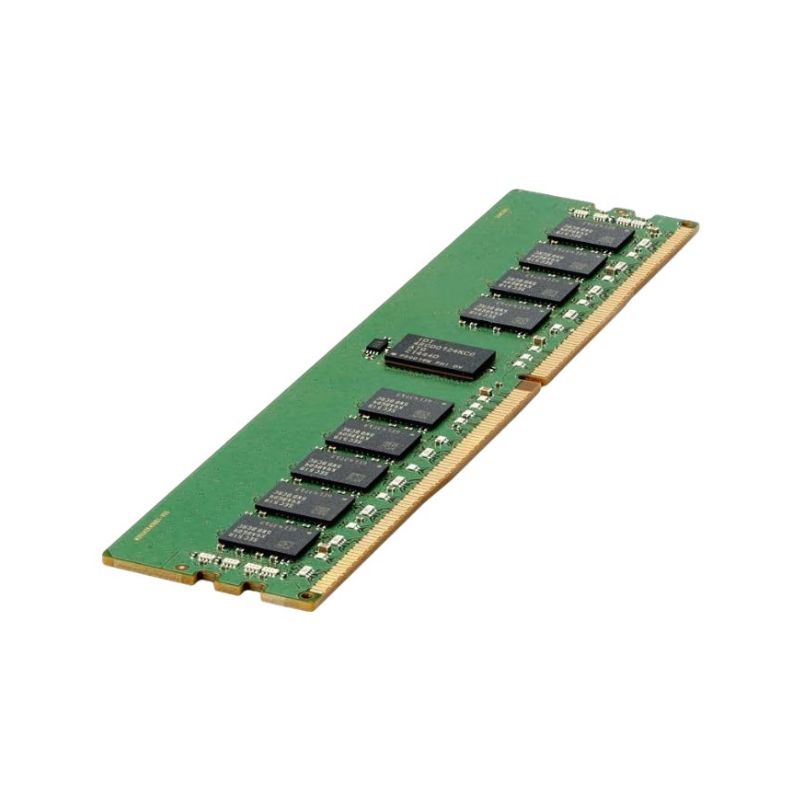


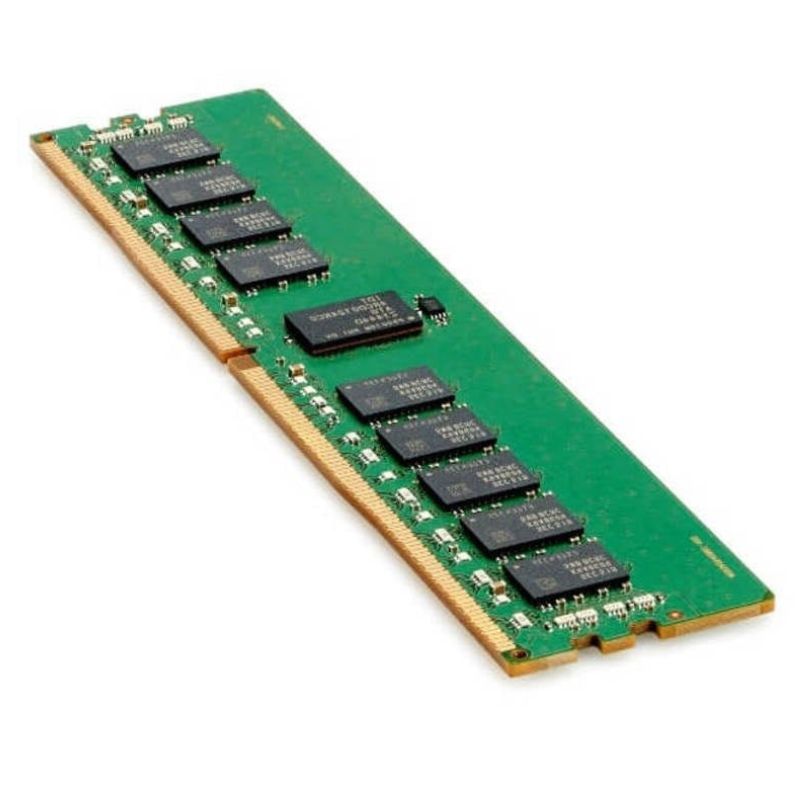
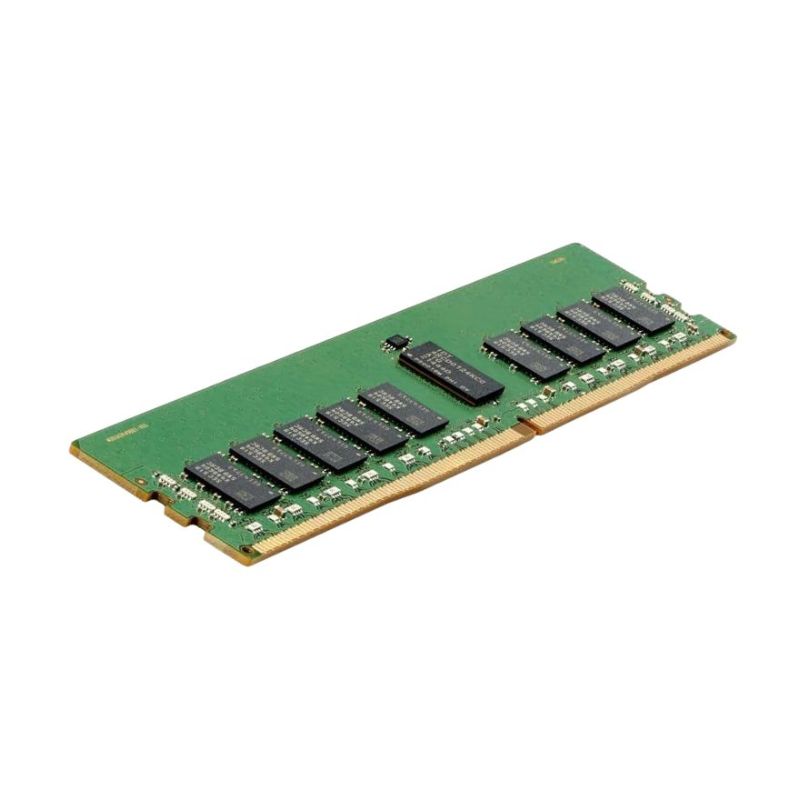
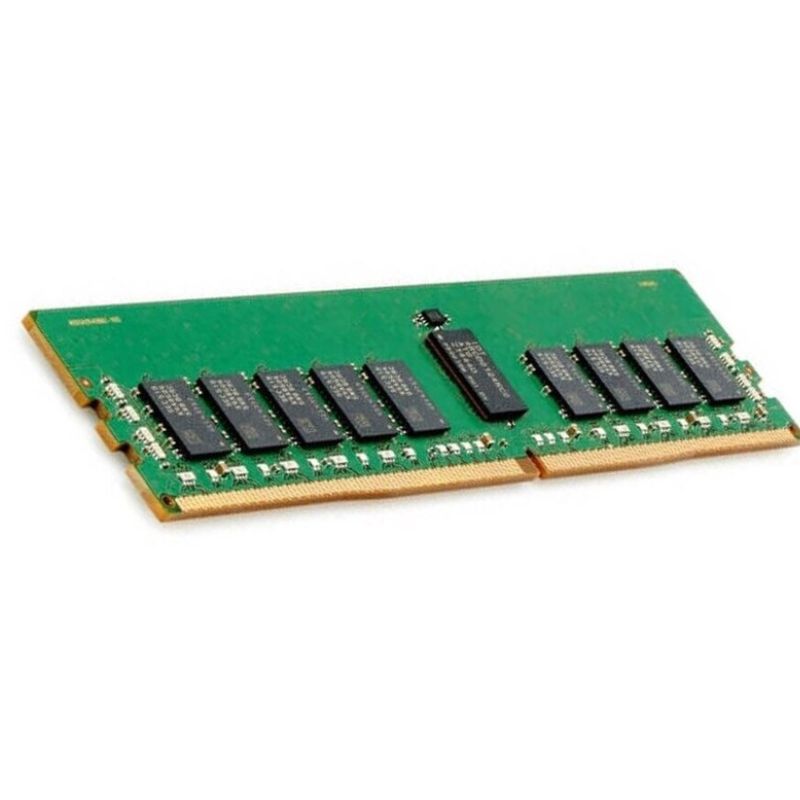
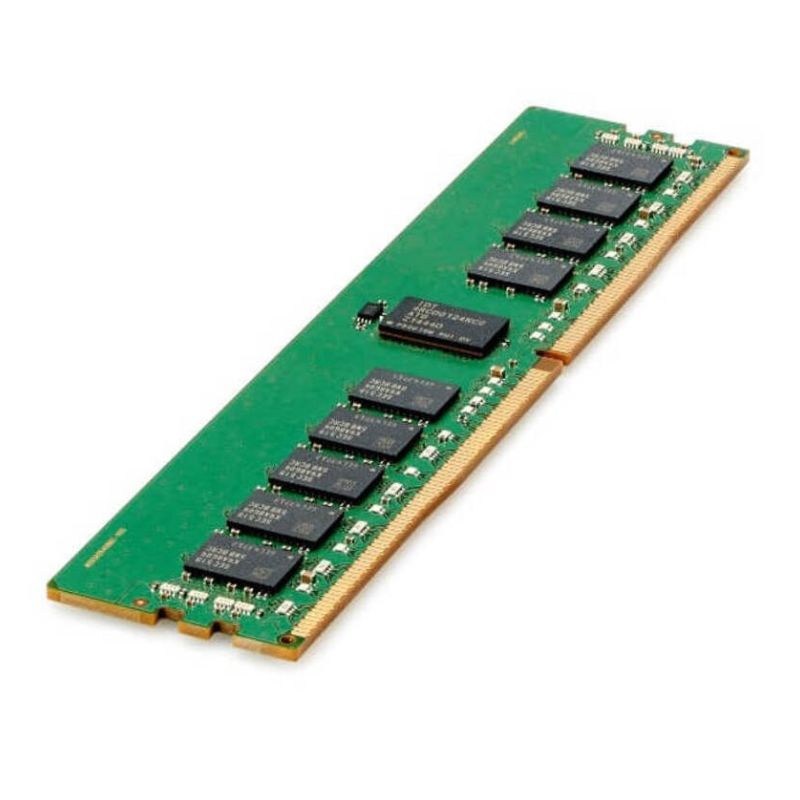
HPE 835807-B21 256GB 2rx8 DDR4 2666mhz Pc4-21300 Memory Module For Server. New (System) Pull with 1 year replacement warranty
The HPE SmartMemory DDR4 256GB Intel Optane DC Persistent Memory is engineered for enterprise-grade workloads, delivering enhanced efficiency, reliability, and superior scalability for data-intensive environments.
This high-capacity persistent memory module is designed exclusively for HPE systems, ensuring maximum compatibility and stability in professional infrastructures.
Equipped with Intel Optane DC Persistent technology, this memory provides faster application response, reduced latency, and optimized system stability. Businesses benefit from seamless handling of virtualized workloads, in-memory databases, and mission-critical applications.
HPE’s SmartMemory technology is rigorously tested to deliver seamless performance, making it ideal for organizations seeking consistent uptime and optimized server operations. The integration of NVDIMM 3D XPoint ensures data remains preserved, even during unexpected shutdowns.
The HPE 835807-B21 256GB 2Rx8 DDR4 2666MHz (PC4-21300) Dual Rank x8 1.2V CL22 288-pin ECC Intel® Optane™ DC Persistent Memory Module is a high-capacity, enterprise-grade memory module designed specifically for HPE 100 Series platforms. Built to combine the low-latency characteristics of DRAM with persistent storage semantics, this module enables new memory-centric architectures — including expanded in-memory databases, large-scale virtualization, fast checkpointing and restart, and application-direct persistent storage models. For data centers requiring massive memory pools, predictable latency, and data persistence across power cycles, this module represents a compelling category of memory hardware that changes how applications interact with main memory.
This module offers 256GB capacity per DIMM using a dual-rank (2Rx8) organization. Dual-rank modules typically present a higher density per slot than single-rank DIMMs and are an efficient way to scale capacity in systems limited by the number of memory sockets. In enterprise servers that support larger DIMM capacities, using 256GB persistent memory modules allows engineers to build very large memory pools without consuming a prohibitively large number of slots.
Specified as DDR4-2666 (PC4-21300), the module operates at 2666 MT/s. The CAS latency is CL22, which is a manufacturer-specified timing reflecting the round-trip delay for a read request. While CL22 is higher than many lower-capacity, high-frequency DRAM parts, persistent memory’s architecture and behavior differ from pure volatile DRAM — the benefit is capacity and persistence rather than absolute minimum CAS latency. The module's x8 data width per chip and 288-pin JEDEC DDR4 footprint make it compatible with standard DDR4 DIMM slots on supported HPE servers.
Operating voltage is 1.2V, consistent with standard DDR4 signaling. ECC (Error-Correcting Code) support is crucial for enterprise reliability: it enables detection and correction of single-bit errors and detection of multi-bit errors, improving data integrity for mission-critical workloads. The 288-pin DIMM form factor fits industry-standard DIMM sockets; however, the module must be used in servers and firmware stacks that explicitly support Intel Optane persistent memory technology and the HPE 100 Series platform.
Intel Optane DC persistent memory can operate in multiple modes depending on firmware and platform capabilities: Memory Mode, where the module is presented to the OS as volatile memory with the DRAM acting as a cache; and App Direct Mode, where the module provides persistent namespaces (byte-addressable persistent memory) that applications can manage directly for persistence semantics. In mixed deployments, administrators can partition DIMM populations into regions for memory mode and app-direct namespaces to support both high-capacity volatile memory usage and persistent data structures coexisting in the same platform.
The product designation indicates compatibility with HPE 100 Series servers — a family of HPE ProLiant models and rack-optimized designs that accept Intel Optane DC persistent memory. Compatibility includes both physical support (288-pin DIMM slot) and firmware/BIOS-level support (capability to configure memory modes and namespaces). Before purchase and deployment, always verify the server’s Quickspecs, BIOS revision, and HPE support documentation to confirm the supported maximum capacity per socket and validated DIMM population rules.
Persistent memory requires firmware and BIOS versions that expose persistent memory features to the operating system. HPE’s service packs for ProLiant (SPP), BIOS updates, and vendor-specific drivers may be required to enable App Direct Mode, memory mode, and to present persistent namespaces to the host OS. Additionally, OS-level packages — such as ndctl and the pmem libraries on Linux distributions — are commonly required to manage namespaces and bind mount persistent volumes. For Windows Server environments, Platform-Specific drivers and Windows features may be necessary to enable and manage persistent memory namespaces.
Large-memory in-memory databases (e.g., SAP HANA, Redis Enterprise, Oracle in-memory features) can leverage 256GB modules to dramatically increase the available working set that can be kept resident, reducing disk I/O and improving query response times. In App Direct Mode, databases can store persisted data structures directly in byte-addressable memory, resulting in faster recovery, lower latency persistence, and simplified checkpointing strategies.
For virtualization hosts running dozens or hundreds of VMs, memory is often the limiting resource. Adding high-capacity persistent memory allows consolidation of more guest VMs per host without sacrificing per-VM memory allocations. When used in memory mode, the platform increases total addressable memory, enabling higher VM density while maintaining acceptable performance characteristics for many enterprise workloads.
Persistent memory can function as an ultra-low-latency cache between DRAM and traditional block storage. Web acceleration, content delivery, and caching layers benefit from high capacity and persistence. Caching solutions that adapt to persistent memory’s characteristics can reduce cache warm-up times following reboots because cached state can be preserved across power cycles when configured in App Direct Mode.
Applications that require extremely fast startup and recovery — HPC simulations, large-scale analytics, and stateful microservices — can write critical state to persistent memory and resume with minimal reload time. Checkpoint/restore strategies become much more efficient when the checkpoint images are stored in byte-addressable persistent namespaces rather than on block devices, enabling sub-second restart of certain workflows.
Persistent memory provides a trade-off: very high capacity at latencies higher than DRAM but far lower than NAND-based storage. When designing systems, place latency-sensitive working sets on DRAM where needed and use persistent memory to expand the overall addressable memory space. Hybrid memory tiering — with DRAM as a cache and persistent memory as main capacity — is a common architecture that balances cost, performance, and capacity.
On multi-socket systems, memory locality (NUMA) is a major factor in performance. Ensure that persistent memory DIMMs are installed in the correct slots per the server’s population rules to maintain NUMA proximity to the CPUs that will access them most frequently. For latency-sensitive applications, bind processes and threads to local NUMA nodes and use memory policies (e.g., Linux numa policies) to control allocation locality between DRAM and persistent memory.
Quantify workload memory access patterns before wide deployment. Use performance monitoring tools to measure read/write bandwidth, latency distributions, and the working set size. Intel and HPE provide utilities to collect persistent memory metrics; analyze these to decide whether to use memory mode, app-direct namespaces, or a hybrid layout. Tools such as pmemtrace, ndctl, and OS-native perf counters are helpful for diagnosing hotspots and optimizing placement.
Before bringing the module online, update the server BIOS and any HPE Service Pack for ProLiant to the recommended levels. Configure persistent memory settings in the BIOS as dictated by your chosen mode (Memory Mode vs App Direct). After reboot, validate that the OS recognizes the DIMMs and that the management utilities report the correct capacities. For App Direct Mode, create namespaces using ndctl (Linux) or the vendor-provided tooling, and format or map them as needed to the application.
Although persistent memory provides persistence across power cycles, it is not a substitute for backups. Implement regular backup and replication strategies for critical data stored in persistent namespaces. Consider combining persistent memory with battery or supercapacitor-backed solutions if your architecture requires guaranteed write-back in the event of sudden power loss, and verify crash-consistency semantics for your application when using app-direct persistent namespaces.
ECC memory corrects single-bit errors and identifies multi-bit errors, enhancing reliability. Enable memory scrubbing where possible to detect latent errors proactively. HPE management tools will typically report memory errors to system logs and management consoles; set up alerts to respond quickly to any memory health indicators.
Treat persistent memory as a critical component within your server lifecycle. Apply firmware updates delivered by HPE and monitor advisories for any errata. Planned maintenance windows should include checking persistent memory health and reapplying the recommended firmware revisions to ensure compatibility and performance improvements.
Persistent memory introduces new considerations for data-at-rest since data can persist after power loss. Use OS-level encryption or application-layer encryption for sensitive data stored in persistent namespaces. Some platforms may support memory encryption technologies; consult HPE and Intel documentation for supported options and recommended practices.
DRAM offers lower latency and higher sustained bandwidth per DIMM but is significantly more expensive per gigabyte and volatile. Persistent memory provides larger capacities at lower cost per gigabyte, with persistence that enables new architectural possibilities. For many workloads, a hybrid approach (DRAM + persistent memory) yields the best balance.
NVMe SSDs provide high throughput and reasonable latency for block storage but cannot be byte-addressed directly by CPU loads and stores. Persistent memory sits between DRAM and NVMe in latency and offers byte-addressable access patterns and persistence. Use persistent memory where application semantics benefit from direct memory access and low-latency persistence; use NVMe for bulk storage and high-capacity archival tiers.
Modules may be available in other capacities and rank configurations. When planning capacity and performance, consider mixing ranks and capacities following platform guidelines to avoid suboptimal interleaving or degraded performance. Balancing rank and capacity across sockets helps preserve memory bandwidth and predictable latency.


 Contact Us
 Information
 Catalog
 Solid State Drives (SSD)
 Network Switches
 Hard Disk Drives
 HBA & Controllers
 PC & Servers
 PC & Server Memory
 CPU & Processors
 Network Routers
 Power Supplies
 Tape Drives & Libraries
 Network Devices
 Computer & Network Cables