(7% discount is applied at checkout)
Cart is empty
Your go-to destination for cutting-edge server products


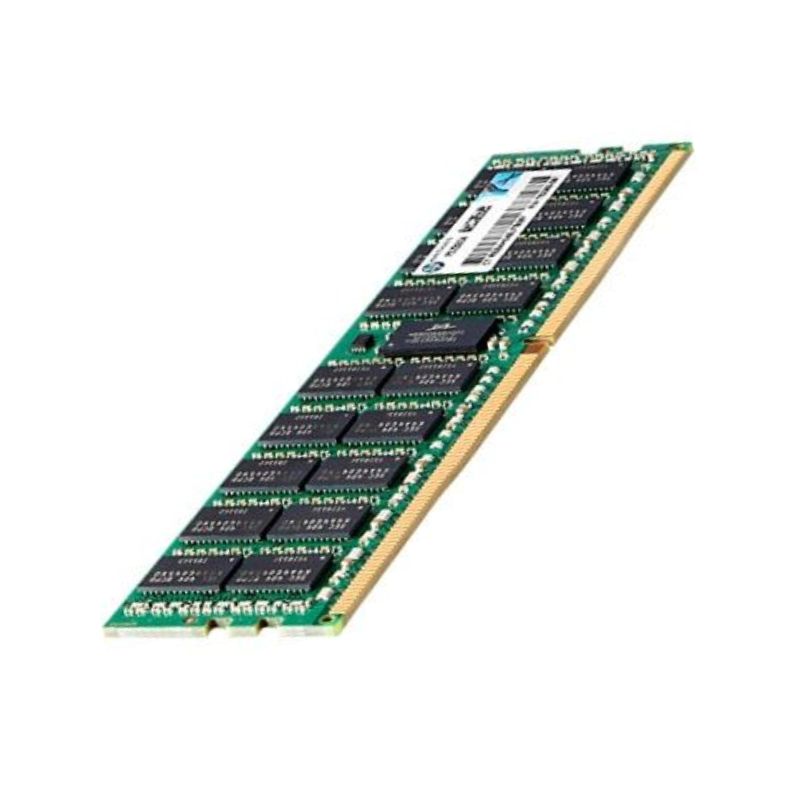
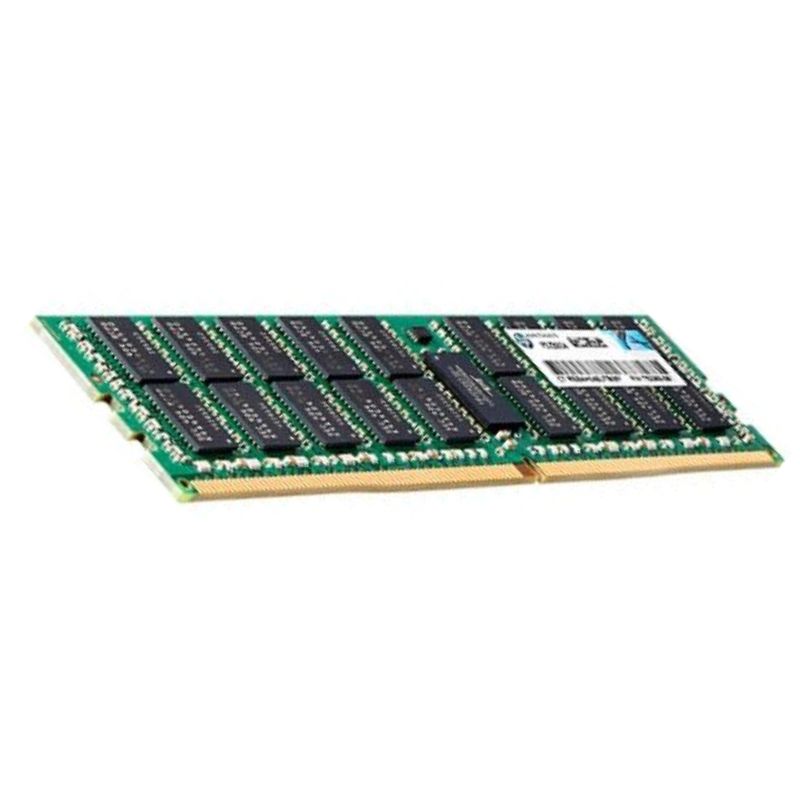
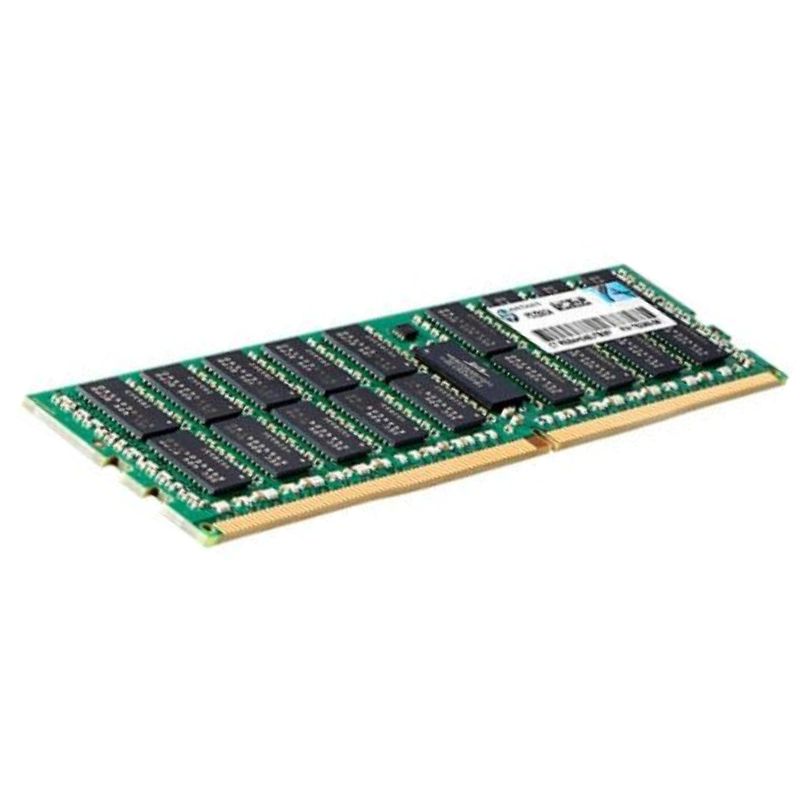
64GB RAM PC4-21300 DDR4 2666MHZ SDRAM Ecc Registered 288 Pin HPE 840759-091. New (System) Pull with 1 year replacement warranty
| SKU/MPN | Warranty | Price | Condition | You save |
|---|---|---|---|---|
| 840759-091 | 1 Year Warranty | $595.00 | New (System) Pull | You save: $208.25 (26%) |
| 840759-091 | 1 Year Warranty | $825.00 | New Sealed in Box (NIB) | You save: $288.75 (26%) |
The HPE 840759-091 64GB DDR4 2666MHz PC4-21300 Registered ECC LRDIMM is a high-capacity server memory module engineered to deliver exceptional performance, enhanced data protection, and seamless scalability for demanding enterprise workloads. Built for HPE Gen10 systems, this module provides robust reliability and optimized throughput for virtualization, cloud, and high-performance computing environments.
The HPE 840759-091 64GB DDR4 2666MHz PC4-21300 ECC Registered 288-Pin RAM represents one of the most advanced categories of enterprise memory modules engineered for high-performance server environments. This memory module supports mission-critical workloads, addressing the growing need for reliable data handling, optimized throughput, and stable performance across various HPE ProLiant server generations. Within this category, users find a class of server memory that prioritizes durability, efficiency, data processing accuracy, and real-time responsiveness for complex applications.
The category of HPE 840759-091 64GB DDR4 2666MHz ECC Registered memory plays a significant role in shaping modern enterprise workflows where large-scale data sets, memory-intensive processes, and long operational cycles demand hardware stability. This category of memory is designed for servers that require high-capacity DIMMs to maintain operational continuity, support multi-threaded applications, and accommodate continuous virtualization tasks. Its ECC Registered architecture ensures accurate data transfer, reducing the probability of corruption and supporting non-stop business environments where one minor memory bit flaw can create cascading system failures.
The DDR4 2666MHz PC4-21300 architecture that defines the HPE 840759-091 64GB memory category provides a substantial leap in bandwidth and efficiency compared to earlier memory generations. This architectural advancement allows servers to achieve better data throughput and reduced latency while improving overall memory signaling. The 2666MHz frequency enables high-speed data access cycles essential for processing large-scale transactions, supporting AI-driven workloads, handling virtual environments, and powering applications requiring continuously active memory banks. Within this category, the use of high-bandwidth DDR4 contributes to faster startup times, smoother multi-user data access, and improved handling of complex memory queries. By enhancing bandwidth capacity, the DDR4 category ensures that data centers and enterprise environments can operate more effectively even when multiple applications run concurrently.
The ECC Registered design of the HPE 840759-091 category ensures that error correction is at the core of each memory operation. Registered memory includes a register or buffer that stabilizes the electrical load, ensuring consistent performance even when multiple high-capacity DIMMs are installed. Error Correcting Code functionality further enhances the stability of memory operations by detecting and correcting single-bit memory errors in real time. This capability is vital for mission-critical systems that cannot afford data corruption, unexpected shutdowns, or performance inconsistencies caused by memory volatility. In this category, the ECC Registered structure provides enhanced data integrity, reduced crash probability, and long-term operational consistency.
Registered memory modules include a buffering chip between the DRAM and the server’s memory controller. This buffer reduces the electrical strain on the controller, allowing servers to populate more DIMMs without compromising stability. Within this category, the buffering mechanism ensures that even at high capacity levels, the HPE 840759-091 memory modules provide balanced signal loads for consistent operation. This function is crucial for enterprise infrastructures that require dense memory configurations. The buffering ensures longevity, minimizes data integrity risks, and supports continuous uptime without degradation.
The HPE 840759-091 category is engineered to ensure compatibility with a wide range of HPE ProLiant DL and ML servers, blade systems, and scale-out architecture products. The module adheres to strict HPE quality and performance standards, guaranteeing seamless integration into certified HPE platforms. This compatibility ensures that enterprises investing in HPE memory categories receive uniform results without encountering hardware conflicts. The 288-pin design ensures a secure physical connection, optimized signal transmission, and long-term reliability under continuous workloads.
The design of this memory category ensures optimal performance with dual-processor and multi-processor server configurations. It allows servers to maintain synchronous memory access patterns, eliminate bottlenecks, and maintain CPU-to-memory interaction speeds necessary for enterprise computing. The category is compatible with various HPE firmware optimizations that enhance memory rank configurations, thermal management, and performance scaling.
This category allows for mixed-capacity memory environments when paired with other compatible DDR4 ECC Registered modules. Users benefit from flexible server expansion strategies without sacrificing stability. The module’s ability to operate alongside other HPE-certified DIMMs makes it an excellent choice for growing infrastructures transitioning toward large-scale memory requirements.
The 64GB DDR4 2666MHz memory category delivers substantial performance gains, especially in workloads requiring rapid data access, significant memory density, and multi-threaded computational processes. It enables servers to handle larger datasets, improve processing times, and reduce latency bottlenecks. This memory module is particularly beneficial for AI workloads, virtualization layers, business intelligence platforms, relational databases, and large-scale web applications. The high capacity and fast frequency ensure that processing threads have continuous access to memory without delays or interruptions. As a result, applications can handle more concurrent users, faster job executions, and improved processing times.
The memory category delivers major improvements to virtual environments, including VMware ESXi, Microsoft Hyper-V, KVM, and other virtualization platforms. The high 64GB density per module enables servers to host more virtual machines simultaneously while preserving performance stability. Faster memory speeds reduce virtual disk latency, ensuring responsive virtual desktops, faster resource allocation, and improved cloud service performance. This category is particularly beneficial for private cloud infrastructures, SaaS platforms, and businesses migrating towards hybrid cloud architecture, allowing them to maintain high performance without exceeding resource limits.
Modern databases require massive memory availability for caching, transactions, and real-time analytics. This memory category enhances the performance of SQL databases, NoSQL solutions, and in-memory analytics platforms. By providing ample memory capacity, it minimizes disk I/O dependency and accelerates data queries. For analytics-intensive operations, such as big data processing, machine learning model training, and continuous monitoring systems, the HPE 840759-091 category helps deliver faster results, consistent uptime, and enhanced computing throughput.
The scalability inherent in this category makes it ideal for enterprises planning to expand their server configurations. With 64GB per module, servers can reach significantly higher memory capacity ceilings, supporting multi-terabyte memory configurations in high-density installations. This level of scalability is necessary for organizations dealing with data warehousing, distributed computing, and large enterprise applications. The category offers near-linear scaling in many performance scenarios, ensuring that additional memory leads to tangible improvements rather than diminishing returns. In virtual and cloud environments, scalability supports dynamic resource allocation, improves failover capabilities, and ensures smoother load balancing processes.
Many enterprise servers rely on dual or quad-processor setups to maximize throughput. This category performs exceptionally well in these environments by supporting balanced memory channel distribution and synchronized access patterns. Proper channel utilization ensures that processors operate efficiently, reducing idle cycles and maximizing parallel workload execution.
Enterprises benefit from long-term scalability because they can start with moderate memory investments and expand as workload requirements grow. This memory category supports flexible upgrade strategies, allowing organizations to gradually build stronger infrastructures without replacing core components prematurely. The module’s compatibility with multiple HPE server generations also means that businesses can plan hardware refresh cycles more effectively.
The reduced voltage of DDR4 memory minimizes power draw per module, which is especially beneficial in servers populated with numerous DIMMs. This energy efficiency contributes to lower electricity bills and reduced strain on power distribution units.
The memory module employs heat distribution techniques to ensure that thermal hotspots are minimized. Balanced thermal management helps maintain module integrity, prevents performance drops, and extends service life.
The category contributes to improved system security by maintaining strict data integrity and preventing corruption caused by memory errors. ECC functionality protects against attacks or failures that exploit volatile memory vulnerabilities. Reliable memory operations are essential for systems processing encrypted data, financial transactions, and sensitive business information. This memory category ensures that servers remain secure by providing stable operational conditions that minimize the possibility of data inconsistencies or unauthorized access attempts caused by corrupt memory structures.
The HPE 840759-091 memory category is ideal for industries and environments requiring exceptional reliability and high-performance computing. It supports cloud services, virtualization clusters, database servers, ERP systems, scientific simulations, engineering platforms, health informatics, media production, machine learning workflows, and high-demand enterprise applications. Organizations requiring large memory pools for efficient processing—such as research laboratories, financial institutions, and IT service providers—benefit heavily from this memory class. Its ability to deliver consistent performance under heavy workloads ensures that system administrators can rely on these modules for long-term deployment without disruptions.
Enterprise Resource Planning systems such as SAP, Oracle ERP, and Microsoft Dynamics require extensive memory to process modules and transactions in real time. This category ensures that ERP systems operate with minimized latency and improved responsiveness.
As part of the HPE-certified memory ecosystem, the 840759-091 category meets stringent quality benchmarks. HPE memory undergoes rigorous testing cycles to ensure compatibility, endurance, and stability. These tests simulate real-world conditions, including high temperatures, voltage fluctuations, long operational cycles, and multi-threaded workloads. As a result, organizations deploying this memory category can expect dependable service, reduced maintenance requirements, and lower risk of premature component failure. Selecting genuine HPE memory modules ensures that servers benefit from firmware-level optimizations, performance tuning, and security validation steps exclusive to official HPE components.
The 288-pin DIMM structure ensures secure physical stability and optimal electrical signal transmission. The long connector enables efficient communication between memory and the server’s motherboard, helping maintain consistent data flow and reducing the chance of connection interruptions. The design promotes superior contact reliability, supporting continuous uptime even in vibration-prone environments such as large data centers. The optimized pin configuration allows faster access times, more efficient command cycles, and better response rates for memory-intensive applications.
The memory category benefits from enhanced signal pathways that minimize interference and provide a more stable communication channel between the DIMM and the CPU. This ensures precise memory operations and faster data processing.
High-grade materials, reinforced PCB structure, and precision manufacturing improve the module’s resilience against electrical stress, thermal expansion, and long-term wear.
Data centers rely increasingly on reliable and scalable memory solutions to manage large-scale digital operations. This memory category enables data centers to handle greater workloads, support virtualization density, and maintain near-constant uptime. As organizations expand their digital footprints, this memory ensures that backend server infrastructures remain robust, flexible, and capable of handling future growth. Whether supporting cloud customers, hosting databases, or delivering computational services, the HPE 840759-091 category plays an essential role in maintaining operational excellence.
The ECC Registered design and high memory density support extended uptime requirements under 24/7 workloads. This reduces the risk of system interruptions or data loss during critical operations.
Data centers hosting virtualized workloads benefit from the ability to run more virtual instances per server, maximizing resource utilization and minimizing operational costs.
Efficient memory operations support better CPU utilization and reduce reliance on slower storage devices, which increases overall system longevity.
Modern operating systems, hypervisors, and enterprise applications increasingly require larger memory pools. This category supports these upgrades with ease, providing long-term relevance for server environments.
Large-scale enterprise workloads such as deep learning training, predictive analytics, and virtualized clusters benefit from the scalable structure of this memory category, ensuring readiness for future growth.


 Contact Us
 Information
 Catalog
 Solid State Drives (SSD)
 Network Switches
 Hard Disk Drives
 HBA & Controllers
 PC & Servers
 PC & Server Memory
 CPU & Processors
 Network Routers
 Power Supplies
 Tape Drives & Libraries
 Network Devices
 Computer & Network Cables