(7% discount is applied at checkout)
Cart is empty
Your go-to destination for cutting-edge server products
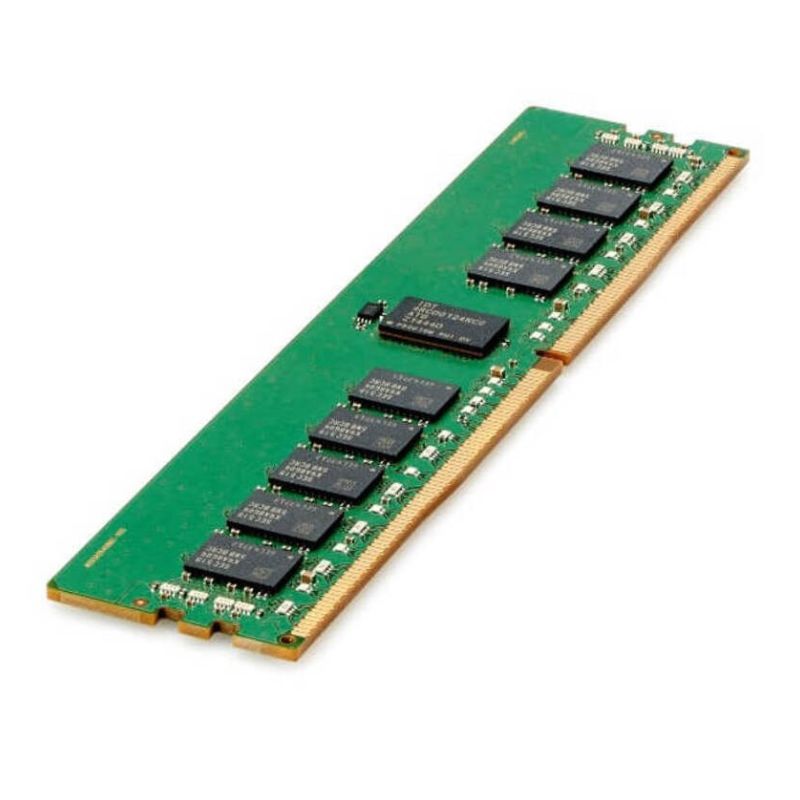


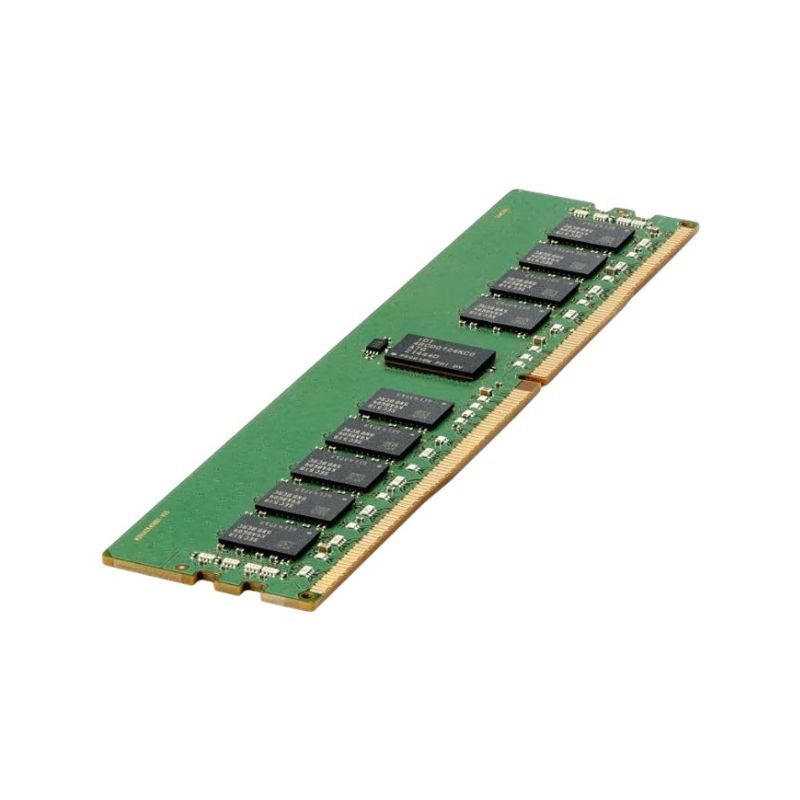
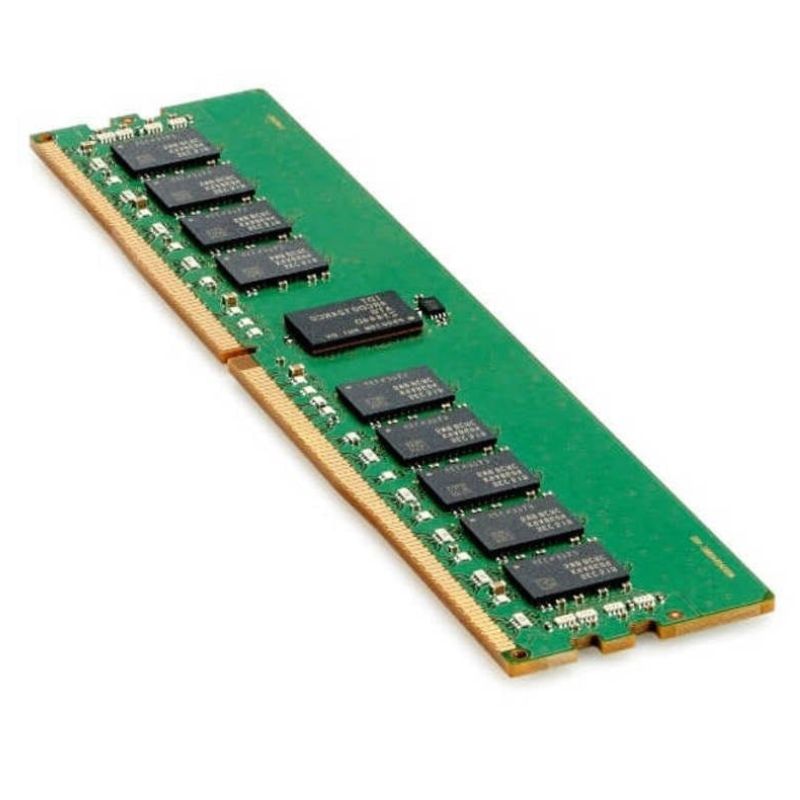
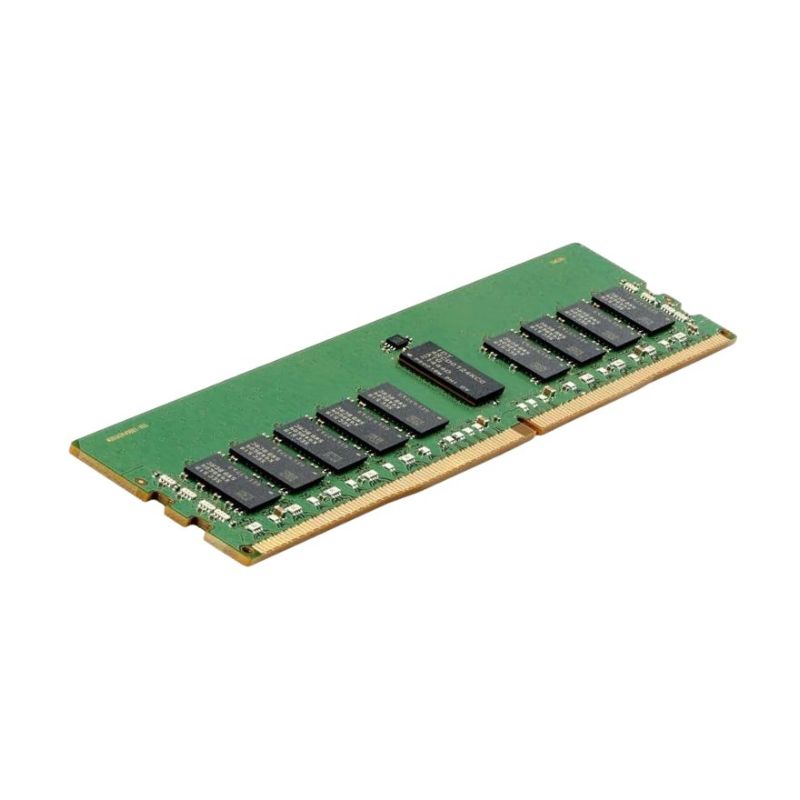
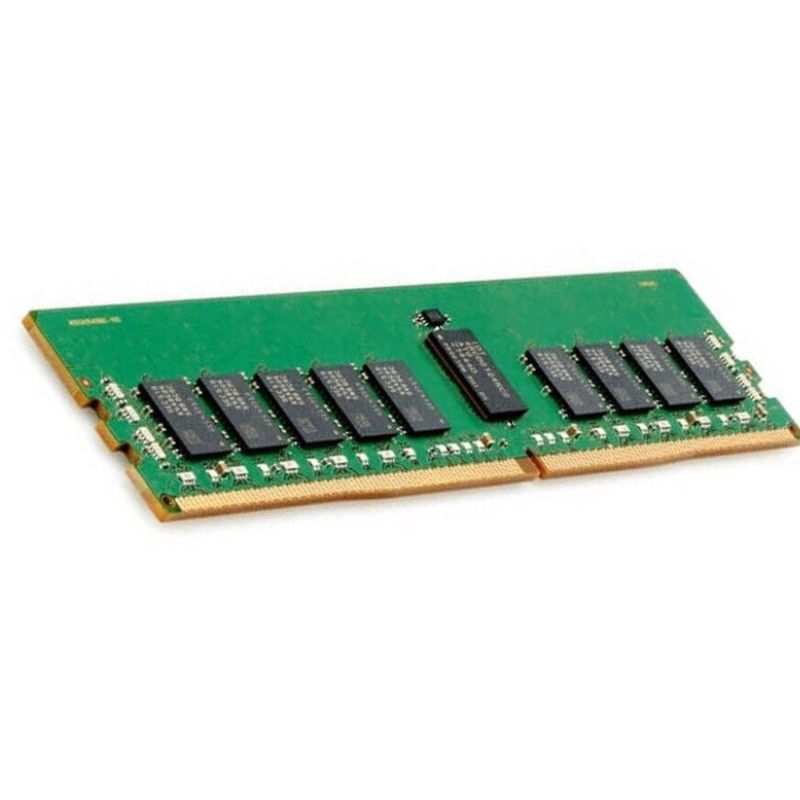
HPE 844072-001 256GB DDR4 2666Mhz Pc4-21300 288-pin Ecc Registered Memory Module For Server. New (System) Pull with 1 year replacement warranty
The HPE 844072-001 256GB DDR4 2666MHz module is a high-capacity, enterprise-grade memory solution engineered to enhance server reliability, performance, and workload efficiency. Designed for mission-critical environments, this module ensures fast data handling, reduced latency, and exceptional system stability.
The HPE 844072-001 256GB DDR4 2666MHz PC4-21300 288-Pin ECC Registered Memory Module stands as one of the highest-capacity and most advanced server memory modules engineered for mission-critical enterprise environments. This category of high-density memory is specifically designed to meet the needs of next-generation data centers, large-scale virtualization infrastructures, AI-driven computing tasks, and high-performance workloads that rely on enormous memory bandwidth and absolute precision. The distinctive hallmark of this category is its ability to support extreme scalability within HPE ProLiant servers, blade systems, cloud platforms, and hyperconverged infrastructures.
The HPE 844072-001 category plays a crucial role in the transformation of enterprise computing. With modern workloads becoming increasingly memory-intensive, organizations demand modules that can support intensive data analytics, virtualization layers, AI training models, multi-user cloud applications, real-time transaction processing, and massive in-memory databases. This category provides a foundation for these workloads by offering immense memory density within a single DIMM. The 256GB capacity enables servers to handle complex operations without slowing down, providing simultaneous support for numerous background processes, virtual machines, containers, and distributed applications.
The technical foundation of the HPE 844072-001 category lies in DDR4 2666MHz PC4-21300 architecture. The DDR4 design significantly improves data throughput and signal efficiency compared to earlier generations, allowing servers to process data rapidly through higher-speed bus interfaces. The 2666MHz frequency ensures that data requests between CPU and memory follow an accelerated cycle, reducing overall latency and improving responsiveness in multi-threaded workloads. The PC4-21300 bandwidth rating indicates the ability to deliver up to 21.3GB/s transfer rates, making it suitable for operations requiring continuous memory channel access.
The PC4-21300 bandwidth plays a pivotal role in ensuring that memory-intensive applications receive the data throughput needed for real-time processing. Large datasets, virtual machine provisioning, AI model training, and cloud operations require high-speed internal communication. This category ensures that the bandwidth demand is fulfilled, minimizing bottlenecks and improving application performance consistency.
The DDR4 architecture lowers voltage consumption compared to DDR3, thereby improving energy efficiency across data center installations. Lower energy consumption reduces environmental impact, decreases operational costs, and supports long-term sustainability efforts.
The ECC Registered design is central to the stability and reliability of the HPE 844072-001 memory module category. ECC, or Error Correcting Code, detects and corrects single-bit memory errors that may occur during data processing. This ensures uninterrupted operations, protects sensitive data, and maintains system uptime in mission-critical environments. Registered memory includes a buffer between the DRAM modules and memory controller, reducing electrical loads and enabling large quantities of memory to be installed without compromising stability.
The buffering mechanism employed by registered memory modules ensures clean, stable signal transmission even in large-memory configurations. With extremely high densities such as 256GB, buffering is indispensable for maintaining smooth communication with the CPU and improving system responsiveness.
ECC technology ensures that memory errors do not propagate through server operations. In industries handling financial information, healthcare records, scientific simulations, and large business databases, the error correction process prevents costly operational disruptions and maintains compliance with data protection standards.
The HPE 844072-001 memory category is designed to achieve full compatibility with multiple generations of HPE ProLiant servers and enterprise-grade architectures. HPE engineers design memory modules that integrate seamlessly with system firmware, BIOS controls, and performance optimization features built into HPE servers. The 288-pin DIMM structure ensures a secure physical interface that supports efficient electrical signaling. The category delivers maximum stability when installed in HPE-validated servers such as ProLiant DL, ML, Apollo, and Synergy configurations. HPE certification ensures that the memory modules undergo rigorous testing cycles, reducing the risk of compatibility issues and ensuring long-term performance reliability.
This category supports multi-processor servers that rely on balanced memory channel assignments to maximize computational throughput. Dual and quad processor setups benefit from synchronized memory access patterns, allowing parallel data flows for improved performance in high-demand workloads.
In servers supporting mixed memory capacities, this category performs optimally when paired with other HPE-certified ECC Registered modules. Administrators can scale memory gradually, using multiple DIMMs to increase total system capacity without sacrificing operational consistency.
The performance benefits of the HPE 844072-001 memory category become apparent in workloads relying on high memory density and fast access speeds. With 256GB per DIMM, servers can support advanced virtualization clusters, in-memory databases, AI training pipelines, and large enterprise applications without experiencing performance degradation. Applications that once required frequent disk reads due to insufficient memory can now operate fully in-memory, reducing latency and boosting throughput. Additionally, the category allows for efficient task distribution across multiple cores and threads, ensuring that CPUs are not idle while awaiting memory responses.
Virtual machines require extensive memory allocation to operate efficiently. This category supports high VM density per server, improving resource utilization and reducing the need for additional hardware. Virtual desktop infrastructure (VDI), multi-tenant cloud services, and resource-hungry application clusters experience significant performance gains when supported by 256GB DIMMs.
Databases benefit substantially from large memory allocations that enable more data to be stored in the cache. SQL, NoSQL, and in-memory databases like SAP HANA experience elevated performance when supported by the high-density memory in this category. Real-time analytics, financial modeling, data forecasting, and complex simulations complete faster due to rapid data retrieval from memory banks.
The scalability offered by the HPE 844072-001 256GB memory category is valuable for enterprises expanding their compute infrastructure. As workloads evolve, and data sets grow, organizations require memory solutions that can scale easily without requiring complete system overhauls. With each module providing 256GB of capacity, servers can be scaled to multi-terabyte memory configurations with fewer DIMMs. This reduces power consumption, improves airflow, simplifies installation, and maintains rack density efficiency. The category also enables businesses to scale flexibly by adding modules gradually as workload demands increase.
By utilizing ultra-high-capacity modules, enterprises reduce the need for frequent upgrade cycles. This category offers long-term stability, ensuring that servers remain relevant as new software technologies require greater memory resources.
Advanced computational models for AI, scientific research, engineering simulations, and large-scale analytics depend heavily on memory resources. This category helps organizations support future innovations without immediate hardware replacement.
Despite its enormous capacity, the HPE 844072-001 category maintains impressive energy efficiency through the DDR4 low-voltage architecture. By reducing operating voltage and optimizing signal transmission pathways, these modules consume less power than previous generations. This contributes to long-term savings in utility costs, reduces heat output, and improves server longevity. Enhanced thermal management ensures that memory modules maintain stable performance even under heavy workloads. Efficient heat dissipation minimizes the risk of throttle events and supports extended operation in high-temperature environments.
The lower voltage characteristics of DDR4 memory ensure that high-density DIMMs reduce electricity usage even when servers are fully populated. This becomes particularly important in data centers hosting thousands of servers.
The high-grade materials and optimized PCB design used in the HPE 844072-001 category enhance thermal stability, enabling consistent operation and protecting sensitive memory components from overheating.
The ECC architecture in this category safeguards enterprise environments by ensuring data integrity throughout memory-intensive operations. Memory errors can be exploited or lead to system vulnerabilities if left uncorrected. ECC mitigates these risks by automatically repairing single-bit errors and identifying multi-bit inconsistencies. Organizations handling financial data, personal records, encrypted information, regulatory compliance records, and scientific datasets rely heavily on ECC memory to maintain strict security standards. This category reduces the risk of corrupted data structures, failed computations, and unauthorized access resulting from memory anomalies.
Secure computing platforms such as digital banking, healthcare management systems, and government infrastructures depend on accurate memory operation. The ECC features in this category ensure that mission-critical processes remain uncompromised.
Even minor data corruption can lead to severe operational consequences. The ECC mechanisms employed by this category ensure that computational integrity is maintained across all memory cycles.
The HPE 844072-001 memory category serves a wide variety of applications requiring massive memory allocation. It is particularly valuable in industries where latency, precision, and scalability are essential. This includes cloud computing providers, scientific research institutions, large enterprises using ERP systems, AI development companies, machine learning service providers, media rendering studios, financial analysis firms, and database-driven organizations. Its ability to support thousands of concurrent transactions and maintain stable performance makes it suitable for enterprise-grade applications that operate continuously with no tolerance for downtime.
Cloud computing environments require efficient memory distribution to serve multiple clients simultaneously. Large memory banks ensure responsive virtual machines, low-latency web hosting, and high-availability cloud applications.
Every module in the HPE 844072-001 category is engineered and validated under stringent manufacturing conditions. HPE certification ensures that these memory modules undergo extensive testing for durability, compatibility, thermal resilience, electrical stability, and long-term performance. Extensive validation cycles simulate real-world stresses such as continuous uptime, temperature fluctuations, and high memory loads. As a result, enterprises using this memory category can rely on predictable performance, reduced system failures, and optimal compatibility with HPE server systems.
The validation process includes multi-stage performance tests, firmware compatibility checks, and environmental stress simulations designed to confirm long-term operational stability.
HPE memory adheres to industry-leading standards for quality, ensuring prolonged durability and minimizing hardware failure risks even under extreme enterprise workloads.
The 288-pin DIMM structure provides the foundation for efficient module-to-board communication. This category’s physical design ensures durable contact points, robust electrical connectivity, and improved signal integrity. The increased pin count compared to earlier generations supports faster data transfer, more efficient command signaling, and enhanced stability under high load. The physical durability ensures that the module remains stable inside server racks that may experience vibration or environmental stress, protecting critical server components from accidental damage.
The optimized signal pathways reduce interference and maintain stable interactions between the CPU and memory banks. This architectural improvement plays a vital role in delivering consistent data throughput.
The reinforced PCB and high-grade connectors ensure that the memory module withstands long-term thermal cycling, electrical stress, and continuous operational demands.
The HPE 844072-001 category supports the evolving demands of modern data centers by offering massive memory scalability, low-latency performance, and high reliability. As data centers shift toward hybrid cloud models, distributed computing, and high-performance workloads, memory modules in this category enable seamless performance transitions. Data center operations benefit from reduced bottlenecks, improved workload balancing, and enhanced service-level consistency. Whether deployed in private, public, or hybrid cloud environments, this category supports a wide range of enterprise-level workloads with unmatched efficiency.
The high-density architecture of this category allows for increased virtual machine density per server, optimizing resource usage and reducing infrastructure expansion costs.
Hyperconverged systems rely on pooled resources, and this memory category ensures ample memory availability for storage, compute, and network operations integrated within a single platform.
By ensuring stable memory operations, reducing power consumption, and protecting data integrity, this category contributes significantly to server longevity. Servers equipped with high-density memory modules experience fewer performance drops, reduced strain on storage subsystems, and improved CPU efficiency. Memory-related crashes are minimized due to ECC protection, resulting in fewer maintenance interruptions and longer operational cycles. Over time, this contributes to lower total cost of ownership and optimized workload productivity.
Enterprise environments requiring 24/7 service availability benefit from fewer hardware failures and reduced unplanned downtime when deploying memory modules from this category.
Proper balance between CPU capabilities and memory performance enhances server efficiency, reducing system-level bottlenecks and optimizing workload distribution.
The HPE 844072-001 category is engineered to support future enterprise workloads, including AI-driven automation, large-scale analytics, next-generation ERP systems, and advanced cloud architectures. As software technologies evolve to demand larger memory pools, this category ensures that enterprises can keep pace without undergoing complete infrastructure transitions. The high-density memory modules support environments with growing data footprints, allowing organizations to adapt quickly to evolving computing trends such as edge computing, hybrid cloud deployments, and distributed AI ecosystems.


 Contact Us
 Information
 Catalog
 Solid State Drives (SSD)
 Network Switches
 Hard Disk Drives
 HBA & Controllers
 PC & Servers
 PC & Server Memory
 CPU & Processors
 Network Routers
 Power Supplies
 Tape Drives & Libraries
 Network Devices
 Computer & Network Cables