(7% discount is applied at checkout)
Cart is empty
Your go-to destination for cutting-edge server products
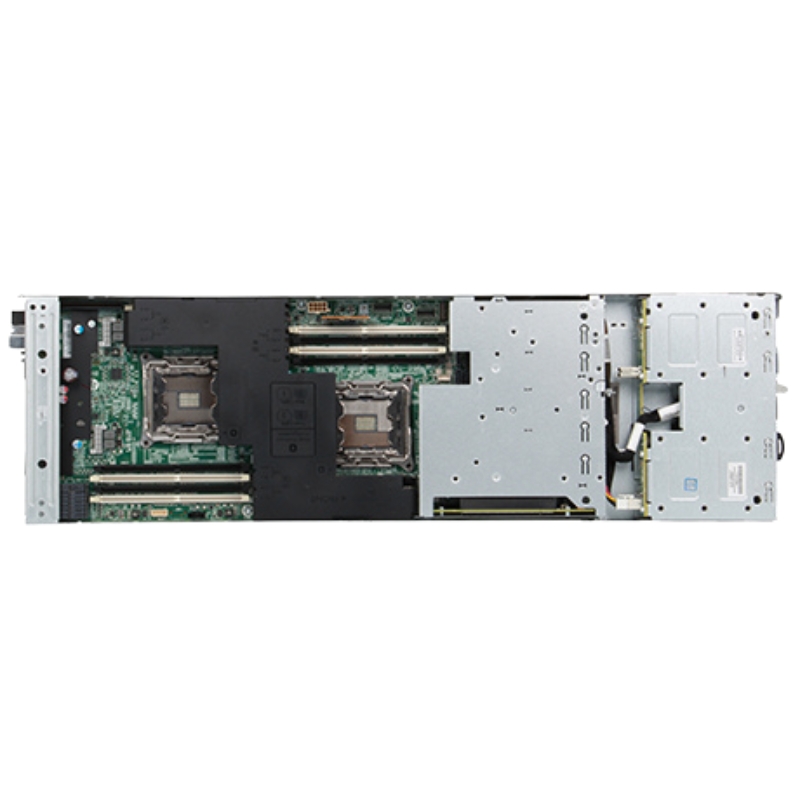


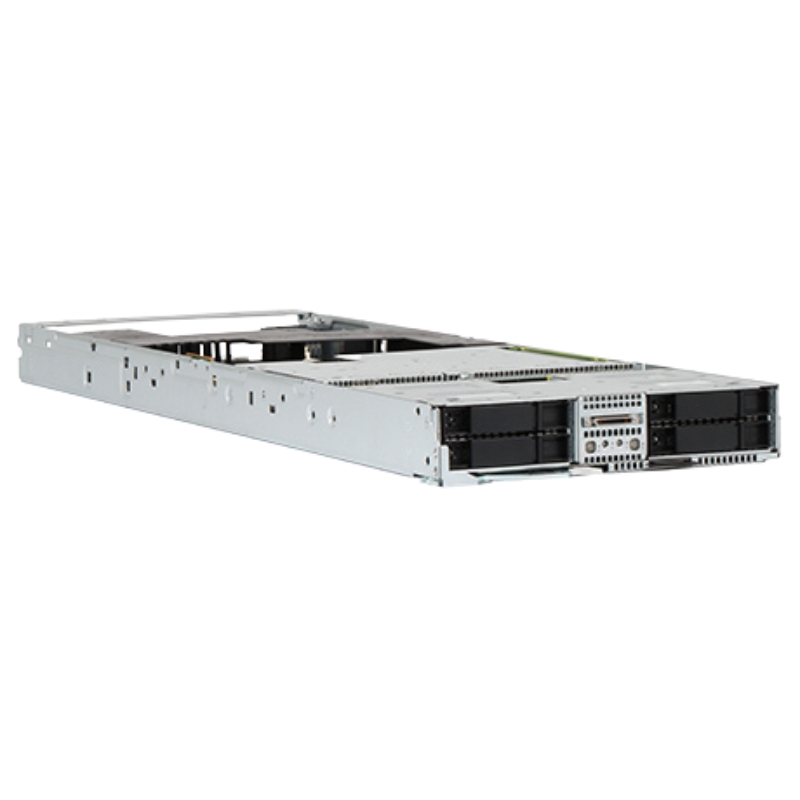
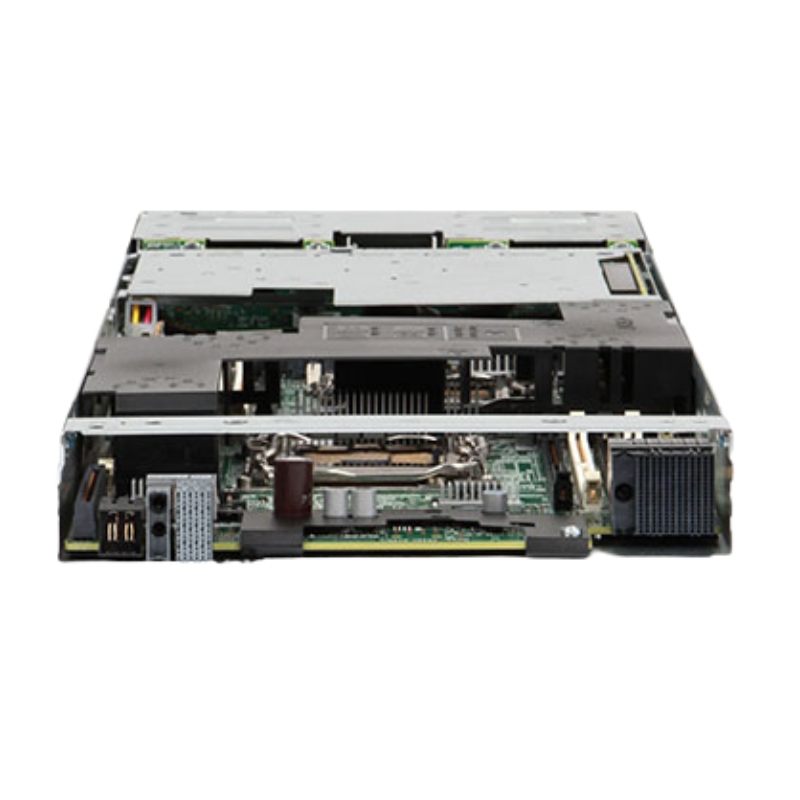
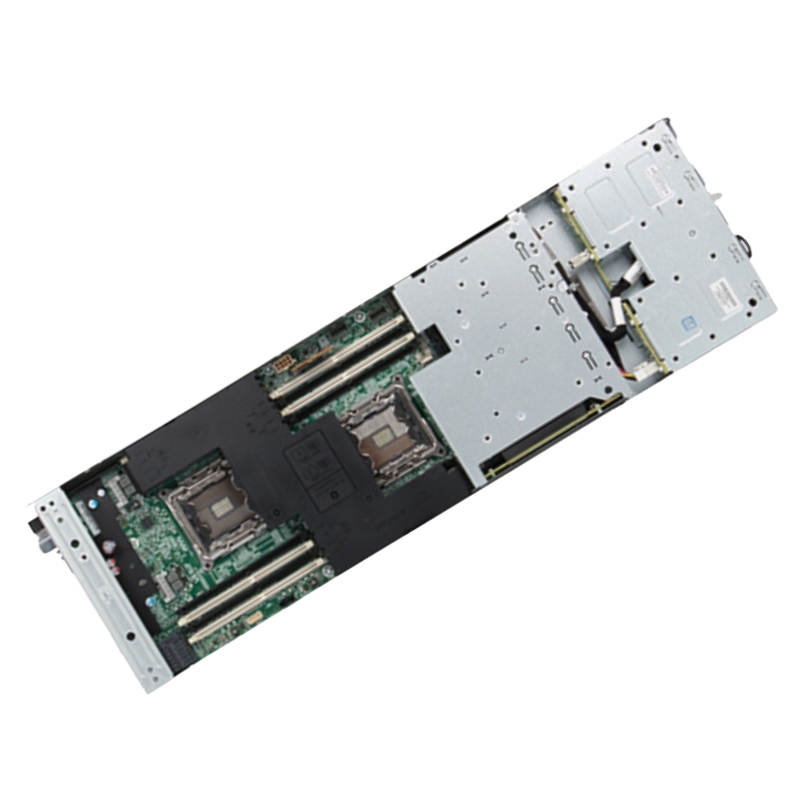
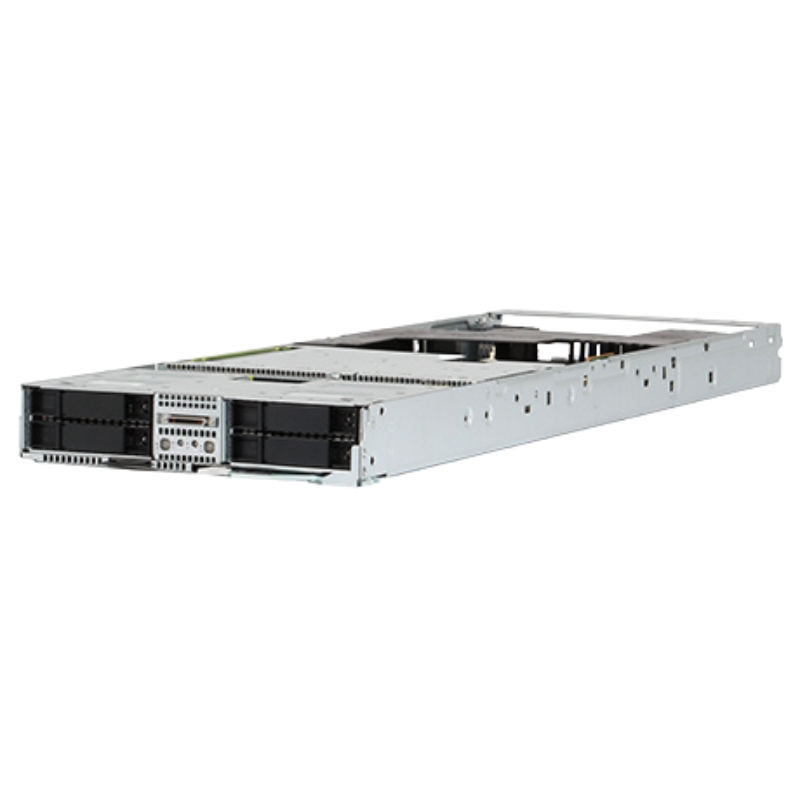
HPE 846781-B21 ProLiant XL260a Gen9 Configure to Order Blade Server. Excellent Refurbished with 1 year replacement warranty
The HPE ProLiant XL260a Gen9 Configure-to-Order Blade Server (Part Number: 846781-B21) is an advanced, high-density server module specifically engineered for deployment within the HPE Apollo 6000 System. Unlike standalone rack servers, this blade system integrates into a shared chassis that delivers centralized power, cooling, and networking for maximum efficiency. Its compact and modular approach makes it ideal for data centers, HPC workloads, and large-scale computing environments where resource optimization is crucial.
The modular structure of the XL260a Gen9 provides high-density deployment, allowing up to eight blades in a single Apollo 6000 chassis. This maximizes performance per rack unit while maintaining excellent thermal efficiency.
Each XL260a blade occupies a half-width slot, ensuring optimized use of available space in high-density server racks. This design benefits organizations that prioritize scalability, streamlined management, and cost-efficiency.
The HPE 846781-B21 blade server supports the powerful Intel® Xeon® E5-2600 v3 and v4 series processors. These CPUs are engineered to handle diverse workloads, from standard virtualization tasks to data-intensive high-performance computing applications.
The XL260a Gen9 is designed to support up to 16 DDR4 DIMM slots, enabling massive scalability for memory-hungry applications. This flexibility ensures it can meet the needs of both general-purpose computing and HPC cluster environments.
To support varied application needs, the XL260a Gen9 blade server offers versatile storage configurations. Users can choose between SAS, SATA, or high-speed NVMe drives, depending on their performance and budget requirements.
The HPE ProLiant XL260a Gen9 CTO Blade Server is well-suited for organizations that need dense computing power, simplified scalability, and efficient energy consumption. Its design aligns with:
With its combination of scalability, modular flexibility, and robust performance, the HPE ProLiant XL260a Gen9 CTO Blade Server offers organizations a powerful foundation for building future-ready data centers. Its integration into the Apollo 6000 chassis ensures maximum density, efficiency, and adaptability to evolving IT needs.
The HPE 846781-B21 ProLiant XL260a Gen9 Configure-to-Order Blade Server category brings together modular high-density compute designed for modern data center demands. This category covers the base chassis blade, configurable component options, firmware and management choices, and fitted accessory kits that allow systems integrators, enterprise IT teams, and cloud providers to tailor blade assemblies for specific workloads. The category emphasizes flexibility, serviceability, and a balance of performance-per-watt that is critical for scale-out environments.
This category exists to help buyers quickly find the HPE ProLiant XL260a Gen9 blade in its configurable forms — from minimally provisioned compute nodes to fully populated, enterprise-ready blades. It is ideal for organizations that need:
The blades in this ProLiant XL260a Gen9 family are optimized for blade chassis environments, delivering multiple server nodes per enclosure to maximize rack compute-per-square-foot. This density helps reduce space and cabling complexity compared to rack-only deployments.
CTO blades emphasize modularity: compute, memory, storage mezzanine cards, and network interface modules can be chosen and upgraded independently. This modularity reduces lifecycle risk, allowing targeted upgrades as workloads evolve.
Parts intended for the blade ecosystem are designed for tool-less serviceability where possible. Hot-plug storage and accessible I/O mezzanine slots enable rapid replacements and upgrades to minimize downtime.
The category page should highlight the configurable selections customers commonly make. These options directly impact performance, power, and TCO:
Buyers can select from multiple processor options to suit compute intensity. Options typically include multi-core server-class CPUs that scale from moderate to high core counts. Choosing the right CPU configuration optimizes single-threaded application responsiveness or parallel throughput for multi-threaded workloads.
Memory choices span from baseline DIMM counts up to fully populated channels for maximum memory capacity and bandwidth. Configurable memory allows tuning for virtualization density, in-memory databases, or memory-bound analytic tasks.
Storage configurations in this category vary from minimal boot devices to hybrid mixes of SSDs and HDDs. Available choices often include:
I/O flexibility is a hallmark of blade servers. CTO options typically allow selection of NIC speeds, offload capabilities, and fabric compatibility to align with the target network architecture. Choices may include converged network adapters (CNA), 10/25/40/100 GbE adaptors, or CNA options configured for RDMA or iSCSI acceleration.
For workloads requiring specialized processing — such as AI inference, compression, or encryption — select accelerators and offload cards are available with the blade. These might include FPGA, GPU, or ASIC-based options compatible with blade power and cooling constraints.
When configuring an HPE 846781-B21 ProLiant XL260a Gen9 blade, understanding the interplay between CPU, memory, storage, and networking is key to achieving optimal performance. Consider these tuning strategies:
Match CPU core counts to memory channels to avoid bottlenecks. For memory-bound applications, prioritize higher-speed memory and populate channels evenly to increase sustained throughput.
Choose NVMe or SSD storage for latency-sensitive, random I/O workloads. Use larger HDDs where sequential throughput and capacity are primary concerns. Hybrid configurations can balance cost and performance.
Optimize NIC speed and offload features for clustered or storage-centric deployments. For distributed applications, low-latency interconnects help minimize communication overhead between blades within the same chassis or rack.
One of the strongest selling points of the ProLiant blade family is integration with management ecosystems that simplify lifecycle operations, automation and monitoring.
iLO provides remote console access, firmware updates, and health telemetry. Configurable blades can be provisioned with iLO licenses that unlock advanced capabilities such as remote virtual media and power management.
HPE OneView (or equivalent management frameworks) enables automated provisioning, firmware baselining, and templated deployment. This category focuses on compatible bundles that speed time-to-deploy across multiple blades.
Because CTO blades are assembled from selectable components, ensuring firmware and driver compatibility across chosen modules is crucial. The category includes firmware bundles and validated combinations to streamline supportability.
Security is a primary concern in enterprise blade deployments. The category highlights configurable security features and options that help safeguard data and meet compliance requirements.
Options include secure boot, signed firmware updates, and remote attestation features to prevent unauthorized firmware changes and maintain system integrity.
Choose storage and network adapters that support hardware encryption and secure protocols. Integrate TPM (Trusted Platform Module) options where available to protect cryptographic keys and system identity.
For regulated industries, selecting components and firmware packages with traceable update logs and supported compliance profiles is essential. The category notes validated configurations that simplify audit readiness.
This category is structured to help buyers map specific XL260a Gen9 configurations to real-world workloads. Below are common deployment scenarios with recommended focus areas:
Because ProLiant blades operate within a chassis, buyers must consider enclosure-level capabilities when configuring individual XL260a Gen9 nodes:
Ensure that chosen NIC mezzanine cards are compatible with the enclosure’s interconnect modules. Matching port speeds and protocol support at the chassis level is necessary to realize the intended network performance.
High-performance CPU and accelerator choices increase power draw and thermal output. Validate that the target chassis and rack cooling capacity can absorb the configured blade power profile to avoid thermal throttling or forced de-rates.
Plan for redundant power supplies, network uplinks, and storage paths at the chassis level. CTO blades should be combined with enclosure-level redundancy options to reach desired SLAs.


 Contact Us
 Information
 Catalog
 Solid State Drives (SSD)
 Network Switches
 Hard Disk Drives
 HBA & Controllers
 PC & Servers
 PC & Server Memory
 CPU & Processors
 Network Routers
 Power Supplies
 Tape Drives & Libraries
 Network Devices
 Computer & Network Cables