(7% discount is applied at checkout)
Cart is empty
Your go-to destination for cutting-edge server products
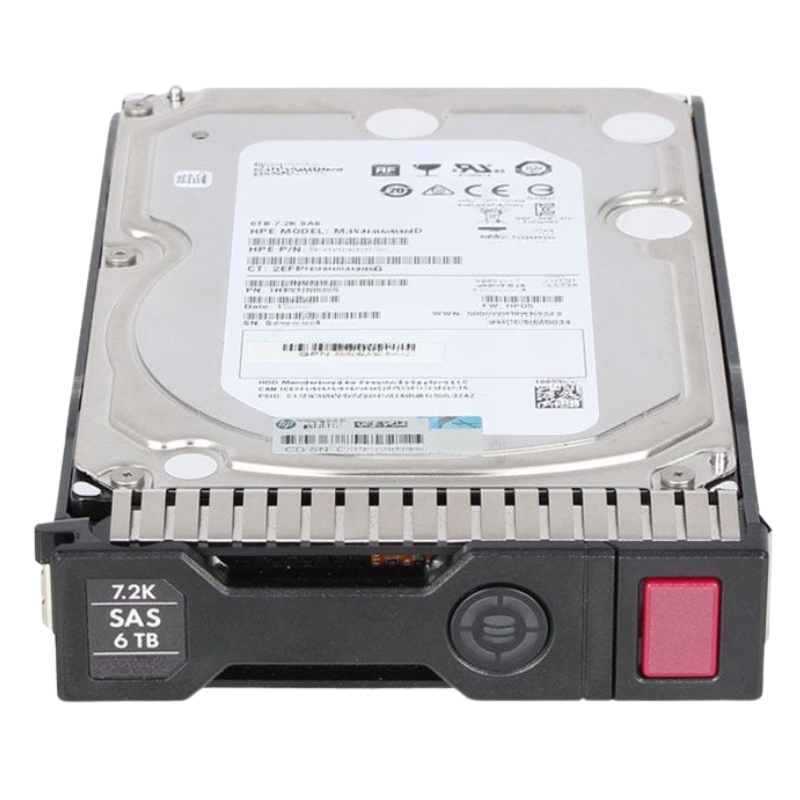


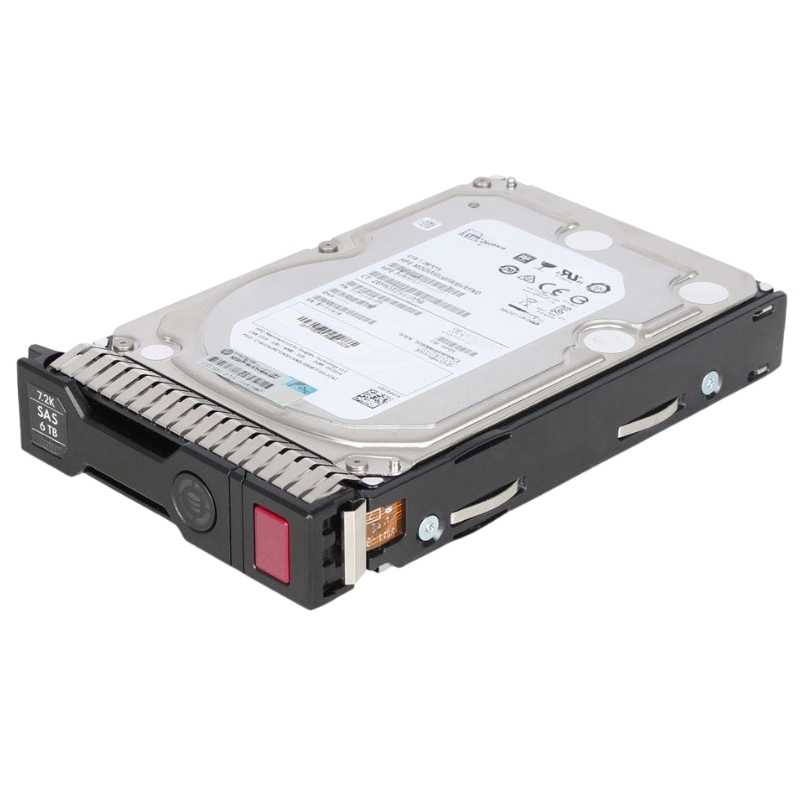
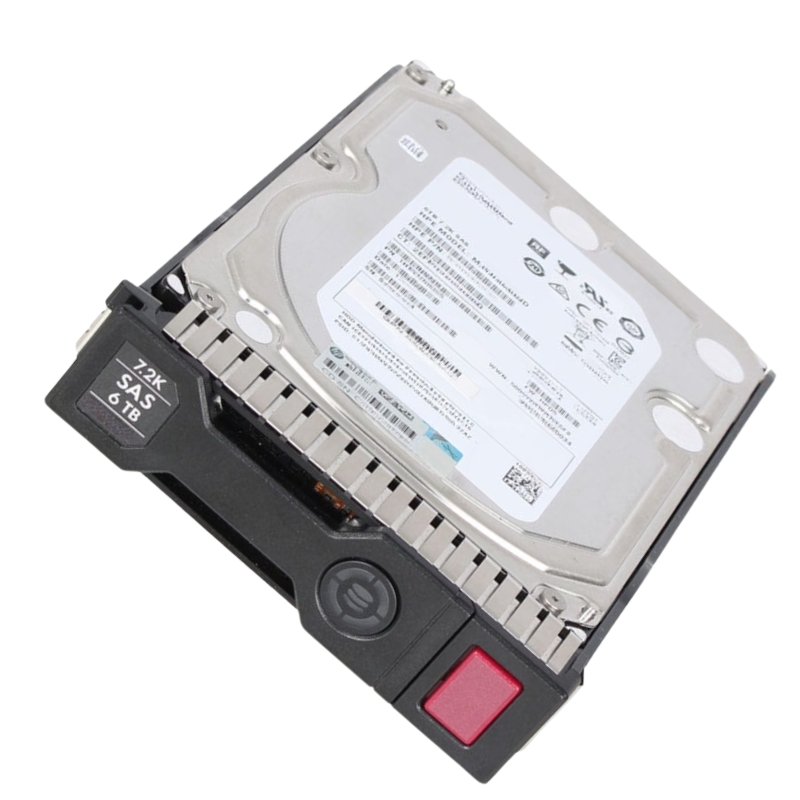
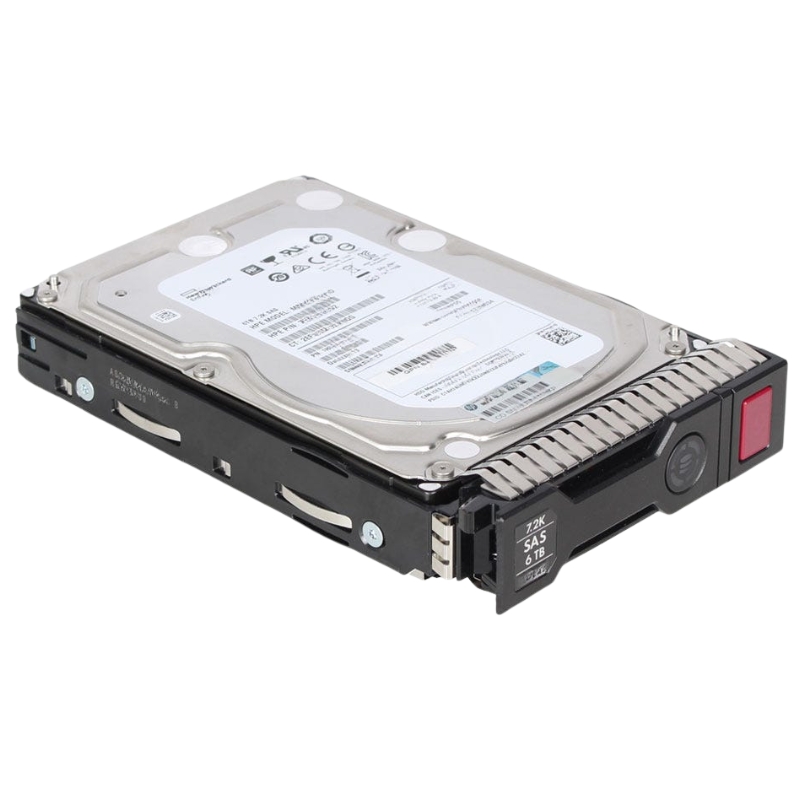
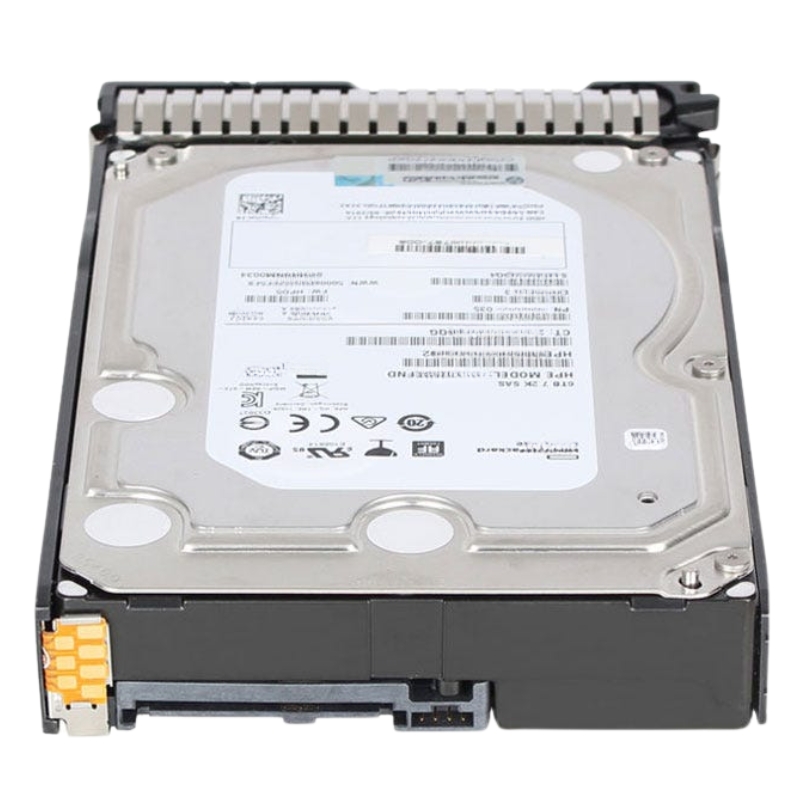
HPE 846787-007 6TB SAS 12GBPS 7.2K RPM 3.5Inch LFF SC 512e HDD. Excellent Refurbished with 1 year Replacement Warranty
The HPE 846787-007 is a reliable 6TB SAS hard drive engineered for enterprise-level storage solutions. Designed with a 12Gbps interface and 7200 RPM spindle speed, it ensures consistent performance and dependable data handling for large-scale environments.
The HPE 846787-007 6TB SAS 12Gbps 7.2K RPM 3.5 Inch LFF Smart Carrier 512e Hard Disk Drive belongs to a high-performance enterprise storage category designed for mission-critical server environments. This category of hard disk drives is engineered specifically for scalability, reliability, and sustained data throughput in data centers, cloud infrastructures, virtualization platforms, and enterprise storage arrays. The focus of this class of storage devices is not only capacity expansion but also consistent performance under continuous workloads, ensuring operational stability in demanding IT ecosystems.
Within the enterprise storage hierarchy, SAS-based 3.5-inch large form factor drives such as this model are widely deployed in HPE ProLiant servers and storage systems. They serve as foundational components in hybrid storage architectures where capacity, durability, and compatibility with RAID configurations are essential.
The SAS 12Gbps interface represents one of the most critical technological advantages in this category of storage drives. It enables dual-port connectivity and high-speed data transfer between the drive and the host system, ensuring redundancy and improved fault tolerance. This interface is designed for enterprise workloads where data integrity and continuous availability are mandatory requirements.
Unlike consumer-grade SATA drives, SAS architecture supports full-duplex communication, allowing simultaneous read and write operations. This feature significantly improves throughput efficiency in multi-user environments and virtualization-heavy workloads where concurrent access is frequent.
The 12Gbps bandwidth ensures that large-scale data operations such as database replication, cloud storage synchronization, and backup restoration processes are executed with minimal latency. This makes the drive suitable for environments where predictable performance is more important than peak burst speed.
The 6TB storage capacity in this category provides a balanced solution between cost efficiency and storage scalability. Enterprises increasingly require large capacity drives to accommodate exponential data growth driven by analytics, IoT systems, virtualization, and digital transformation initiatives.
This capacity allows organizations to reduce physical storage footprint while maintaining high data availability across distributed systems. It is especially beneficial in storage arrays where multiple drives are combined to form large logical volumes.
Drives in this category are commonly used in RAID configurations such as RAID 5, RAID 6, and RAID 10, where redundancy and performance optimization are essential. The 6TB capacity provides an optimal balance for parity calculations and rebuild times, ensuring system resilience in case of drive failure.
The 7.2K RPM rotational speed is engineered to provide a balance between performance and power consumption. While higher RPM drives may deliver faster access times, they also generate more heat and consume more energy. The 7200 RPM class is widely accepted in enterprise environments where sustained workload handling and energy efficiency are equally important.
This rotational speed ensures stable performance for both sequential data transfers and random read/write operations. It is particularly effective in applications such as file servers, backup repositories, and virtual machine storage layers, where consistent throughput is more valuable than peak latency performance.
The 3.5-inch large form factor design enables higher platter capacity, which directly contributes to the 6TB storage capability. Larger drives typically offer improved thermal dissipation characteristics, which is crucial for maintaining long-term operational stability in densely populated server racks.
This form factor is widely used in enterprise storage arrays due to its compatibility with high-capacity enclosures and standardized server bays.
The structural design of 3.5-inch drives enhances mechanical stability, reducing vibration impact in multi-drive environments. This contributes to improved reliability, especially in high-density storage systems where multiple drives operate simultaneously under heavy workloads.
The Smart Carrier design is a critical innovation in enterprise storage management. It enables hot-swapping capabilities, allowing IT administrators to replace or upgrade drives without shutting down the system. This feature is essential for maintaining continuous uptime in data centers and cloud environments.
The carrier design also simplifies drive identification and installation, reducing human error during maintenance operations and improving overall operational efficiency.
Smart Carrier modules often include LED indicators that provide real-time status updates on drive health, activity, and failure conditions. This enhances proactive maintenance and reduces system downtime by enabling rapid diagnostics.
The 512e (512-byte emulation) format allows the drive to maintain compatibility with legacy systems while benefiting from modern advanced format technologies. It improves storage efficiency by optimizing sector size alignment, which enhances performance in both modern and older operating environments.
With 512e architecture, the drive benefits from improved error correction mechanisms that ensure higher data integrity. This is particularly important in enterprise environments where data corruption can have significant operational and financial consequences.
This category of HDD is widely deployed in large-scale data centers where storage scalability and reliability are essential. It supports workloads such as virtualization, containerized applications, and distributed computing systems.
In cloud infrastructure environments, these drives are used to store large volumes of structured and unstructured data. Their compatibility with RAID systems and high-capacity design makes them ideal for hybrid cloud storage solutions.
Enterprise databases require stable and predictable storage performance. The 12Gbps SAS interface combined with 7200 RPM speed ensures consistent input/output performance for transactional systems and large-scale database operations.
The 6TB capacity makes this category highly suitable for backup repositories and archival storage systems. Organizations rely on these drives for long-term data retention, disaster recovery planning, and compliance storage requirements.
Enterprise-grade drives are designed for 24/7 operation under heavy workloads. The HPE 846787-007 category follows strict engineering standards that ensure long-term durability and minimal failure rates even under sustained usage conditions.
In multi-drive server enclosures, vibration can significantly impact performance and longevity. This category incorporates vibration resistance mechanisms that maintain consistent read/write accuracy in high-density environments.
This storage category is fully optimized for integration with HPE ProLiant server architectures. It ensures seamless firmware compatibility, system recognition, and performance tuning within HPE-managed environments.
When deployed in HPE storage arrays, these drives contribute to balanced workload distribution and efficient data tiering. They are commonly used in mid-tier storage layers where capacity and performance must coexist.
HPE integrates firmware-level enhancements to improve drive monitoring, predictive failure analysis, and workload optimization. This ensures better lifecycle management and reduced downtime in enterprise deployments.


 Contact Us
 Information
 Catalog
 Solid State Drives (SSD)
 Network Switches
 Hard Disk Drives
 HBA & Controllers
 PC & Servers
 PC & Server Memory
 CPU & Processors
 Network Routers
 Power Supplies
 Tape Drives & Libraries
 Network Devices
 Computer & Network Cables