(7% discount is applied at checkout)
Cart is empty
Your go-to destination for cutting-edge server products


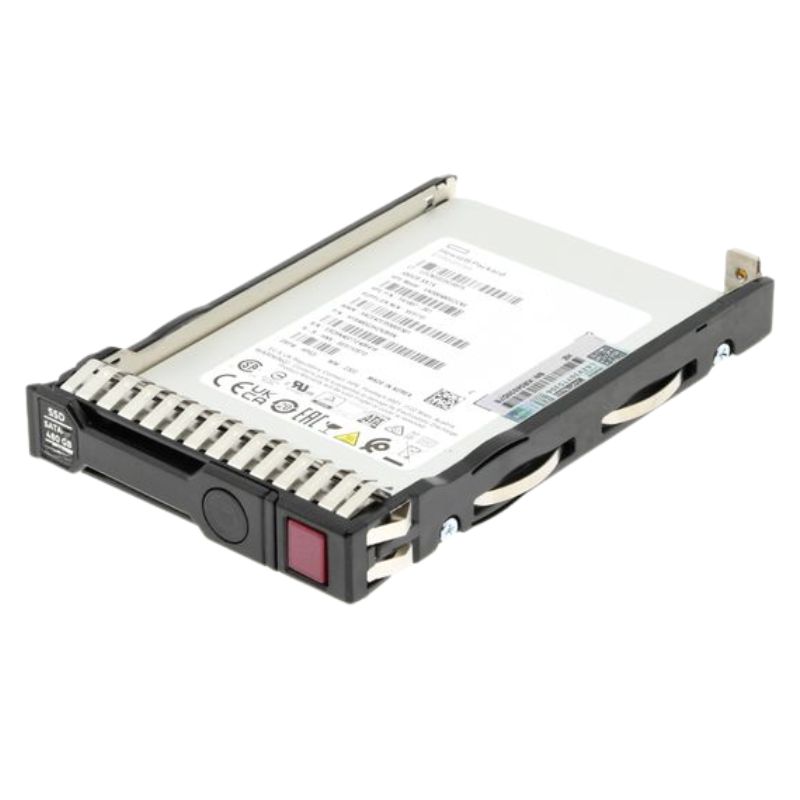
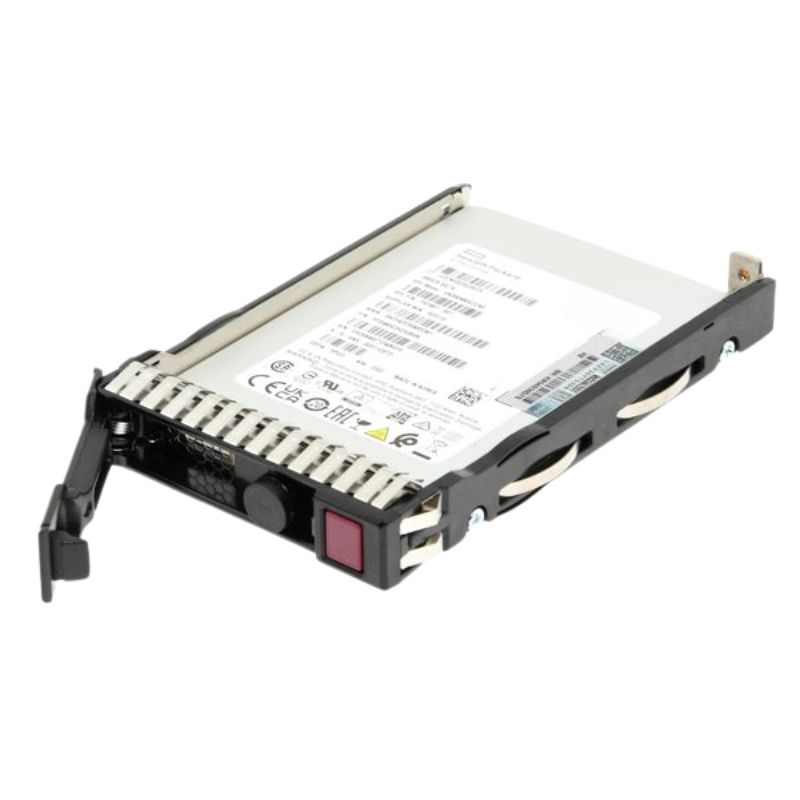
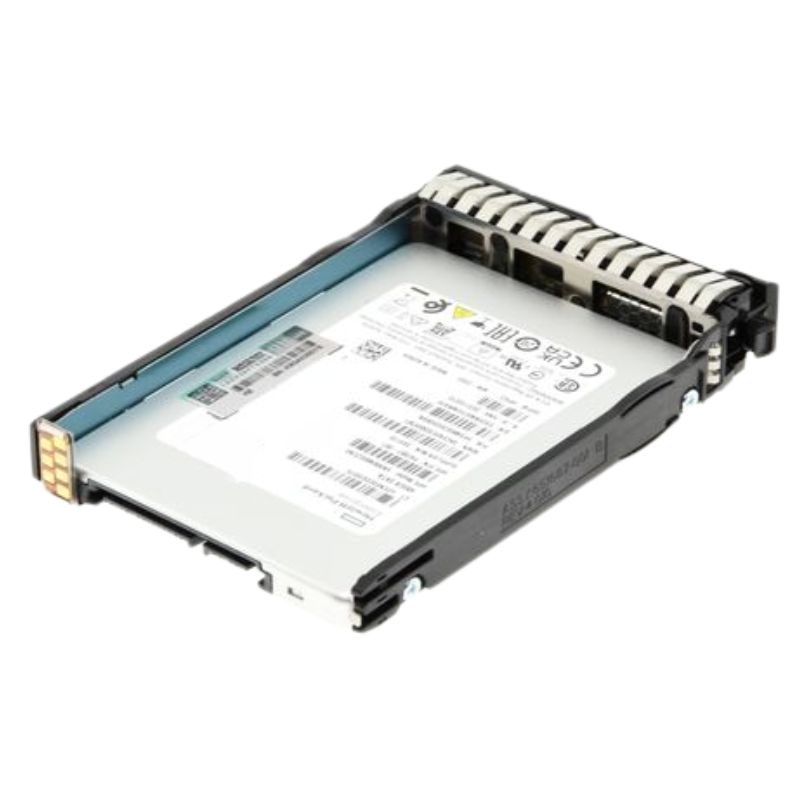
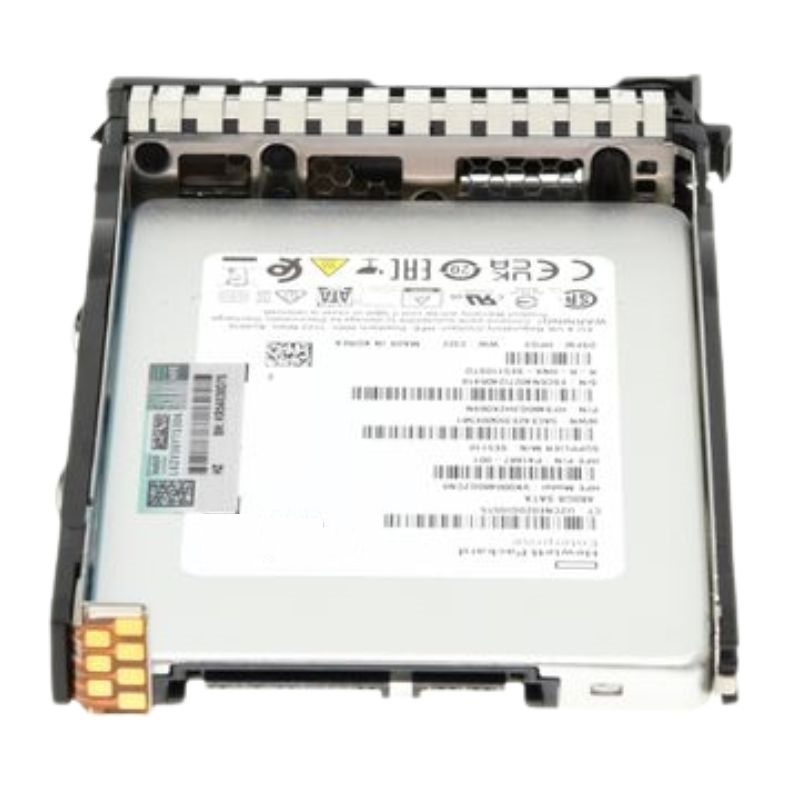
HPE 854520-B21 480GB 2.5 Inch SFF SATA 6GBPS Mixed-Use (MU) Non-Hot-Plug (NHP) Solid State Drive. Excellent Refurbished with 1 year replacement warranty
The HPE 854520-B21 480GB 2.5 Inch SFF SATA 6GBPS Mixed-Use Non-Hot-Plug Solid State Drive is a high-performance storage solution engineered to deliver efficiency, durability, and reliability for enterprise workloads. Designed for environments requiring consistent throughput, this SSD offers strong endurance and optimized data handling for both read-intensive and write-intensive operations.
This enterprise-grade SSD brings enhanced responsiveness and efficient handling of multiple workloads. Its SATA 6GBPS interface ensures stable data transfers, while the mixed-use design supports a balance of read and write activities.
Key Highlights
The 2.5-inch SFF design makes this storage solution compact yet powerful. Built with non-hot-plug functionality, it is ideal for configurations where drives are rarely swapped and where steady performance is prioritized over quick replacement.
Enterprises often require drives that handle both random reads and sustained writes effectively. This SSD fits perfectly for database storage, virtualization tasks, and data analytics applications where both speed and durability are equally important.
Built under stringent HPE quality standards, the 854520-B21 SSD ensures robust data protection, high endurance, and reduced downtime risks. Its mixed-use optimization allows organizations to benefit from both longevity and sustained throughput.
The HPE 854520-B21 480GB 2.5 inch SFF SATA 6Gbps Mixed-Use (MU) Non-Hot-Plug (NHP) Solid State Drive represents a focused intersection of enterprise reliability, cost-efficient performance, and compatibility with HPE systems that demand non-hot-plug storage options. This category page description targets system integrators, data center purchasers, and IT professionals searching for a mid-capacity mixed-use SSD optimized for read/write balance, predictable latency, and integration into existing server chassis where the drive will remain static rather than hot-swapped. Emphasizing form factor, interface standard, workload suitability, and practical deployment considerations delivers the search relevance and commercial signals modern buyers expect.
This HPE part is a 2.5-inch Small Form Factor (SFF) drive, compatible with server bays designed for 2.5" drives and many enterprise blade/half-height chassis. The compact 2.5" footprint provides high drive density per chassis unit, which is critical in racks where maximizing usable storage per U is prioritized. Because the drive is non-hot-plug (NHP), it is intended for systems where drives are installed during maintenance windows and not removed while the server remains powered and running; this distinction is important when planning redundancy and service procedures.
The SATA 6Gbps interface provides broad compatibility across generations of server platforms and storage controllers. While NVMe and SAS alternatives deliver higher maximum throughput or enterprise features, SATA 6Gbps remains a pragmatic choice for mixed-use workloads where predictable performance and cost-effectiveness outweigh the very highest throughput requirements. For many legacy HPE servers and arrays that include SATA-only backplanes or require specific HPE-certified SATA drives, this category fills a necessary compatibility niche.
“Mixed-Use” indicates the SSD is optimized for workloads that include a balance of reads and writes — for example virtualization hosts, application servers, caching tiers, and database front-ends with moderate persistence demands. MU drives are designed with endurance characteristics that support sustained random and sequential write activity better than read-focused consumer-grade drives, while remaining more affordable than pure write-intensive enterprise units. This category is ideal for practitioners needing a middle ground between performance and long-term durability.
Although individual IOPS and MB/s figures vary with firmware revisions and host controller capabilities, MU SATA 6Gbps drives deliver consistent low-latency access suitable for multi-VM environments and I/O-mixed application servers. These SSDs are engineered to maintain performance under mixed read/write patterns, without the large performance drops associated with lower-end consumer drives under sustained write pressure. For accurate capacity planning, pair drive-level performance expectations with controller queue depth, RAID configuration behavior, and real-world workload traces rather than peak manufacturer numbers alone.
Endurance metrics such as TBW (Terabytes Written) and DWPD (Drive Writes Per Day) are critical to categorize MU SSDs. Drives in this category are rated to handle moderate daily write cycles over multi-year deployments, making them suitable for virtualization hosts, mid-tier databases, and large scale-out application servers. Planning for replacement should involve estimating daily write volumes and applying a safety margin; in practice many MU drives deliver usable lifespans well beyond warranty with intelligent wear-leveling and overprovisioning techniques designed into the firmware.
Being non-hot-plug, these drives are often installed in fixed positions within a chassis where air-flow patterns and thermal dissipation are stable and predictable. It's important to validate that rack airflow and chassis cooling meet HPE thermal profiles to avoid sustained high operating temperatures that could reduce performance or longevity. Non-hot-plug drives also simplify mechanical connectors and can be paired with chassis-level service strategies that rely on scheduled maintenance windows for replacements.
HPE part numbers such as 854520-B21 signal factory validation for select HPE servers and storage enclosures. Purchasing HPE-branded or HPE-qualified drives reduces integration risk: firmware compatibility, predictive failure telemetry, and interoperability with HPE management tools are often better assured. For organizations running HPE ProLiant servers or HPE storage arrays with mixed backplanes, matching vendor-qualified drives simplifies warranty and support interactions and improves the chances that vendor tools will correctly report SMART attributes and drive health.
Compatibility extends beyond the physical interface: the server's SATA controller and firmware stack, the backplane's hot-swap or non-hot-swap design, and the OS-level drivers all influence behavior. HPE-certification typically accounts for these interdependencies by validating that the drive's firmware plays well with HPE controllers and management agents. When retrofitting or upgrading servers, check HPE release notes and compatibility matrices to ensure a smooth integration, and consider firmware harmonization between drive and system firmware for the most reliable operation.
One of the strongest use cases for a 480GB MU SATA NHP SSD is virtualization hosts that must balance density and cost. The capacity is ample for boot volumes, mid-sized VM datastores, or caching layers, while the mixed-use endurance handles the combined read/write patterns of multiple tenants. For environments that require high uptime, pairing these drives in RAID configurations with robust backup and snapshot strategies provides both performance and resilience.
Application servers that serve mixed transactional and analytical workloads often benefit from MU SSDs for local storage of active datasets or indexes. When database log devices and primary data files require super-high endurance, administrators may choose a hybrid approach: use MU SSDs for index files or hot partitions and reserve write-intensive enterprise drives for logs. The 480GB capacity becomes an attractive option for mid-tier databases with working sets that fit within the drive's performance envelope.
Edge computing nodes and telco appliances with non-removable storage bays frequently adopt NHP drives to avoid service mistakes in remote sites. The robust mixed-use endurance and SATA compatibility reduce configuration complexity and power draw relative to larger form factors. For distributed infrastructure where physical maintenance windows are planned, the NHP form factor aligns with predictable, scheduled field service models.
NVMe SSDs provide lower latency and higher parallelism than SATA drives, and SAS often offers multi-lane redundancy and higher sustained performance for enterprise write-heavy workloads. However, SATA MU SSDs remain relevant when cost-per-GB, broad compatibility, and conservative power footprints are primary selection criteria. In upgrade scenarios where existing backplanes or controllers limit options, SATA MU drives can extend usable life and performance without major infrastructure changes.
The 480GB tier fits a particular economic niche: substantially more capacity than 120GB or 240GB boot drives while remaining lower cost than multi-terabyte enterprise NVMe drives. In many storage tiering strategies, 480GB MU drives are used to host hot or warm datasets, provide read/write caching in hybrid arrays, or act as cost-effective local performance tiers for distributed applications—delivering favorable price-performance ratios for workloads that do not demand absolute peak throughput.


 Contact Us
 Information
 Catalog
 Solid State Drives (SSD)
 Network Switches
 Hard Disk Drives
 HBA & Controllers
 PC & Servers
 PC & Server Memory
 CPU & Processors
 Network Routers
 Power Supplies
 Tape Drives & Libraries
 Network Devices
 Computer & Network Cables