(7% discount is applied at checkout)
Cart is empty
Your go-to destination for cutting-edge server products
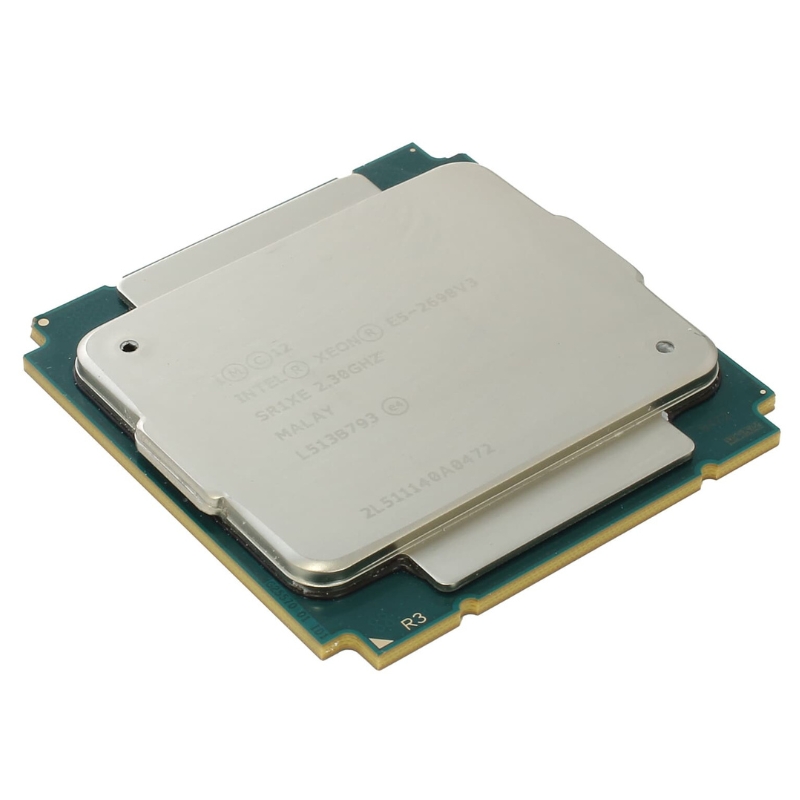


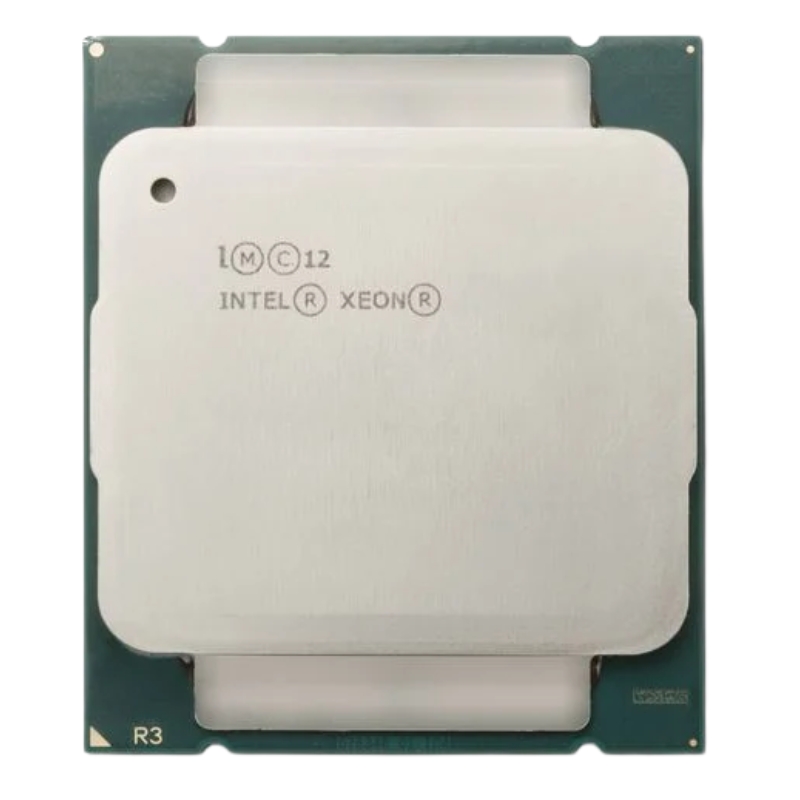
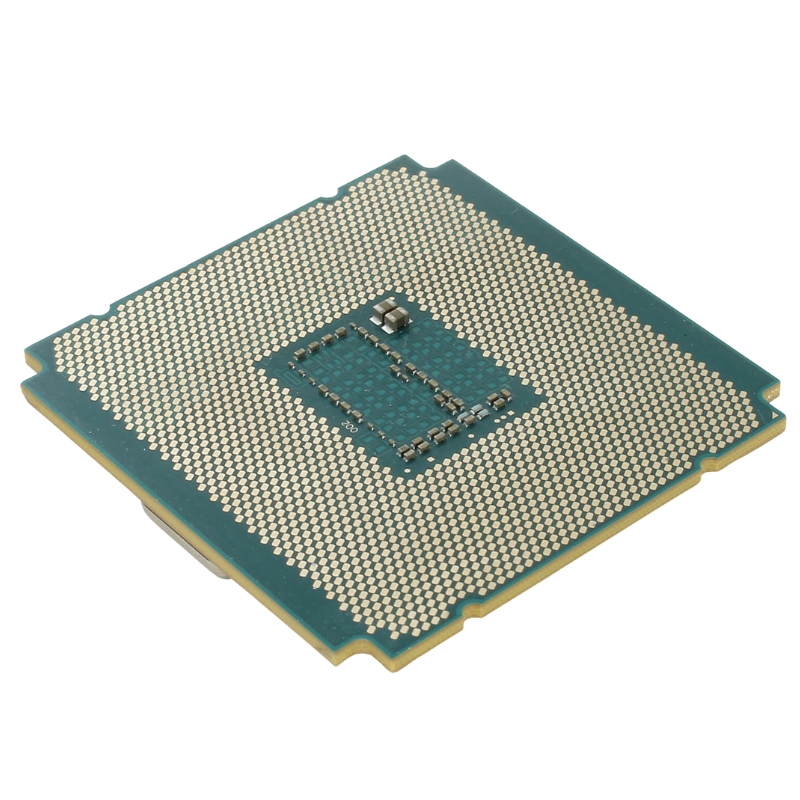
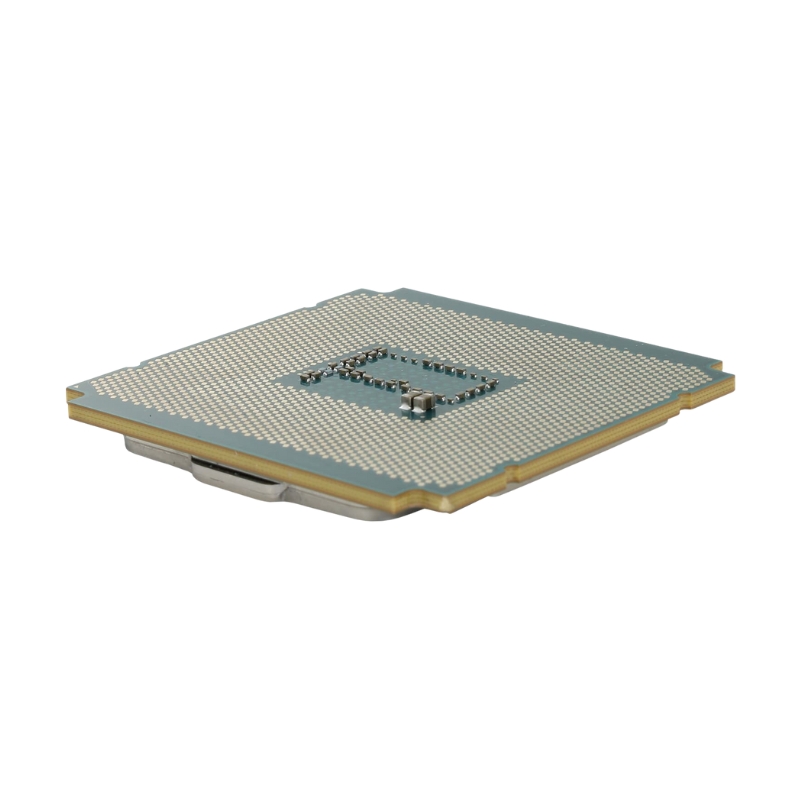
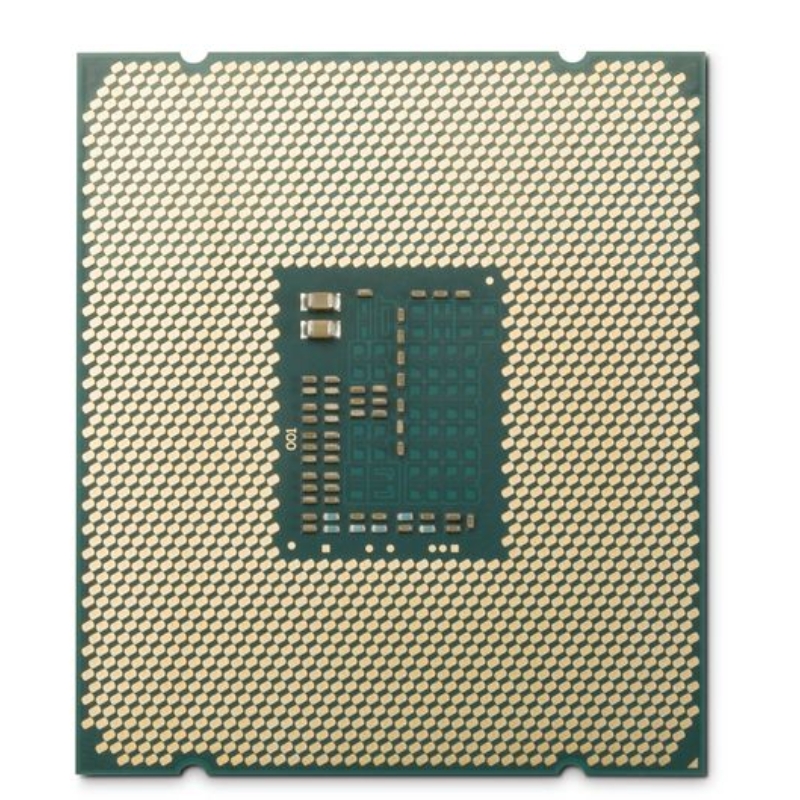
HPE 866552-B21 ML350 Gen10 Intel Xeon Gold 6138 2.0GHz 20 Core 125W Processor. New (System) Pull with 1 year replacement warranty
The HPE 866552-B21 Intel Xeon Gold 6138 is part of the robust Xeon Gold product line, engineered for enterprises that demand reliable server-grade performance. Belonging to the 6138 series, this microprocessor is designed to deliver a powerful balance of speed, scalability, and efficiency, making it an excellent choice for mission-critical computing environments.
Designed with advanced architecture, the Xeon Gold 6138 ensures optimal workload handling. With multiple cores and an extensive cache memory, it supports multitasking while maintaining system stability and faster execution of complex applications.
The processor’s 20-core configuration ensures outstanding multitasking capabilities, offering improved performance for virtualization, database management, and real-time analytics. Its clock speed of 2 GHz balances performance and power efficiency, while the integrated L3 cache delivers quick data retrieval and reduced latency.
Built for versatility, the Xeon Gold 6138 is fully compatible with HPE ProLiant ML350 Gen10 servers, delivering scalability and reliability across enterprise workloads. With support for memory-intensive applications, it is ideal for businesses requiring dependable server infrastructure.
The Xeon Gold 6138 not only enhances performance but also emphasizes energy efficiency. As an eco-conscious solution, it minimizes power usage while maximizing processing output. Its design ensures that businesses achieve high computing standards without compromising sustainability goals.
With 20 cores and Intel platform features (such as Hyper‑Threading and extended platform security), the Gold 6138 excels as a virtualization host. Typical use-cases include multiple small-to-medium VMs, container orchestration nodes (Kubernetes worker/edge nodes) and virtual desktop infrastructure (VDI) when combined with adequate memory and storage I/O.
SQL and NoSQL databases that leverage parallel query execution, multiple concurrent connections and high memory capacities benefit from this CPU. The large L3 cache helps reduce memory latency for hot sets and the core count supports sharding and multi‑tenant database instances.
For organizations running ETL jobs, log aggregation pipelines, or modest HPC workloads, the 20-core Gold 6138 offers predictable throughput. It typically fits well for medium-sized analytics clusters where cost-to-core ratio and reliability matter more than absolute single-socket core counts.
The HPE kit (866552-B21) is tailored for the ProLiant ML350 Gen10 tower/server family. Confirm BIOS/firmware versions before deployment — HPE often releases platform firmware updates to support specific Xeon SKUs and microcode improvements. When upgrading or replacing CPUs, always reference the server's QuickSpecs and HPE support advisories for validated processor lists.
The Intel Scalable family supports DDR4 memory (commonly up to DDR4-2666 depending on configuration). For optimal performance:
The CPU's platform supports multiple PCIe lanes via the ML350 Gen10 chipset. When specifying NVMe or high-throughput SAS arrays, verify the chassis backplane and HPE Smart Array controllers for compatibility and performance tuning. Workloads that demand high I/O benefit more from NVMe SSDs and a tuned I/O stack than raw CPU frequency.
The 125W TDP indicates typical sustained thermal output under standard workloads — higher transient power draw is possible under turbo. Plan for:
In tower server deployments (typical for ML350), higher airflow fans can increase noise. If your deployment is noise-sensitive (office floor or lab), weigh the thermal needs against acceptable acoustics or choose off-hours maintenance windows and remote placement.
The 20-core/40-thread topology favors parallel workloads. In database benchmarks and multi-process application stacks, you should expect near-linear scaling up to a point depending on I/O, memory bandwidth and software threading efficiency. Benchmark results vary — use representative workloads (Siege or ApacheBench for web, pgbench for Postgres, sysbench/OLTP for MySQL) to set expectations.
A 3.70 GHz turbo frequency provides bursts of single-thread performance when thermal headroom exists. For latency-sensitive user-facing services, turbo helps maintain snappy response times even when the server is loaded with background tasks.
A 27.5 MB L3 cache provides a sizable shared cache for large working sets and multi-threaded applications. Cache-sensitive services — in-memory databases, caching layers and JVM-based microservices — will see reduced DRAM traffic when hot data fits in the L3 cache.
The Xeon Gold 6138 supports Intel features such as AES-NI for fast encryption, Intel Trusted Execution Technology (TXT), and other silicon-level protections useful for confidential computing, encrypted storage and secure boot chains. Use updated microcode and HPE firmware to ensure mitigations for known CPU vulnerabilities are applied.
The ML350 Gen10 benefits from HPE iLO management for remote control, integrated monitoring, and firmware updates. Combining iLO with Active Health System and SPP (Service Pack for ProLiant) simplifies lifecycle management and reduces maintenance windows.
Follow HPE service manuals for socket LGA3647: correct torque for retention mechanisms, proper seating of the processor and careful connector reseating. After installation, run system diagnostics, memory tests and stress utilities (e.g., Prime95 or vendor-supplied stress tests) to validate stability.
Use HPE iLO, SNMP probes or telemetry collectors (Prometheus node-exporter, Telegraf) to record CPU temperature, package power, core utilization and frequency over time. Historical data helps diagnose performance regressions, thermal issues and workloads that require horizontal scaling.
Keep firmware, BIOS and microcode in sync with HPE Service Pack for ProLiant (SPP) releases. These updates often include stability and security enhancements that are critical for enterprise operations.
Compare the Gold 6138 to nearby SKUs when selecting for price vs performance:
AMD EPYC platforms often provide higher core counts and more PCIe lanes per socket. For workloads that favor dense core counts or massive I/O, evaluate EPYC-based servers, but consider overall ecosystem support, validated HPE parts and migration costs.
For category meta descriptions and schema markups, include SKU (866552-B21), primary keywords (Xeon Gold 6138), a clear call-to-action (Buy/Compare/Request Quote) and technical highlights (20 cores, 40 threads, 2.0 GHz, 125W). Structured data (Product schema) should expose "mpn" and "sku" fields to improve search listings and merchant feeds.
Base frequency is the guaranteed operating clock under nominal conditions (2.00 GHz here). Turbo is the temporary higher clock rate available under thermal and power headroom (up to 3.70 GHz).
Thermal Design Power (125W) is an engineering guideline for heat dissipation and cooling design — it is not an exact measure of instantaneous power draw, which may peak higher during certain workloads.
The shared Level-3 cache (27.5 MB) stores frequently accessed data closer to the CPU cores to reduce memory latency and improve throughput for cache-friendly applications.
When upgrading from older Xeon families, check that the chassis and CPU sockets support the new LGA3647 layout and that your OS supports the microcode and feature set. Some older OS kernels require updates to fully utilize new CPU features and mitigations.
For mission-critical systems, prefer staged rollouts: deploy upgrades in a test cluster, validate performance and failover procedures, then schedule in-place upgrades during maintenance windows for production nodes.


 Contact Us
 Information
 Catalog
 Solid State Drives (SSD)
 Network Switches
 Hard Disk Drives
 HBA & Controllers
 PC & Servers
 PC & Server Memory
 CPU & Processors
 Network Routers
 Power Supplies
 Tape Drives & Libraries
 Network Devices
 Computer & Network Cables