(7% discount is applied at checkout)
Cart is empty
Your go-to destination for cutting-edge server products
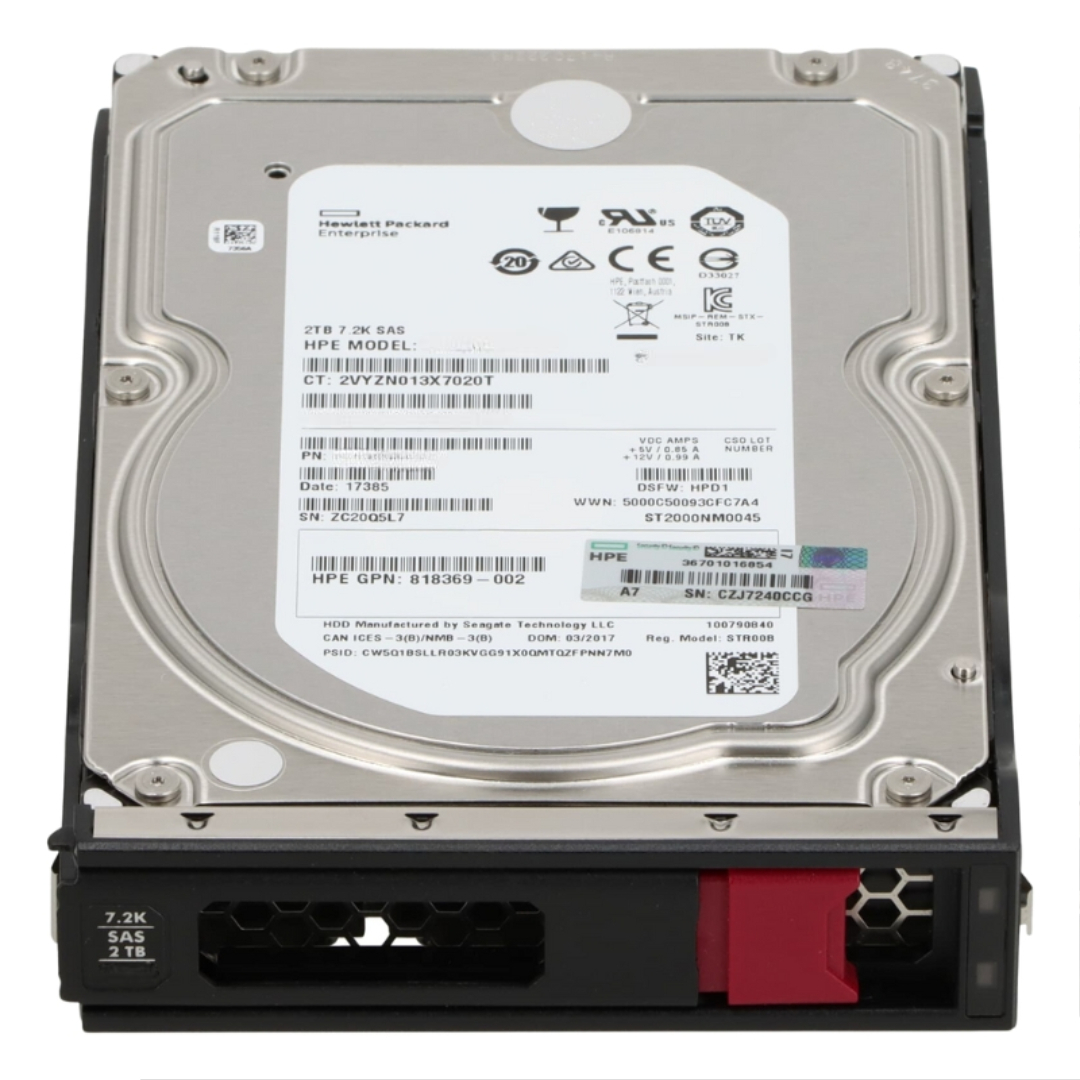


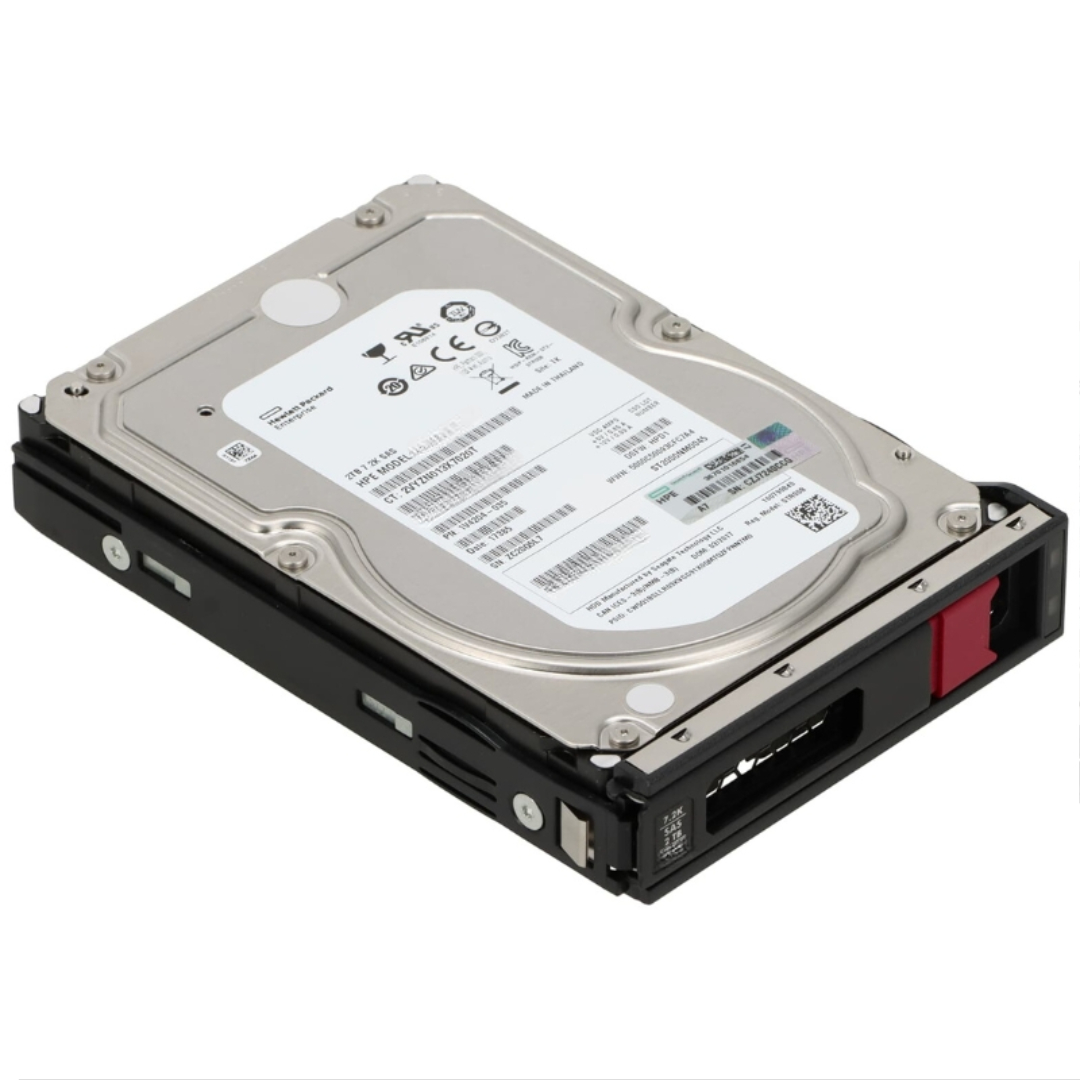
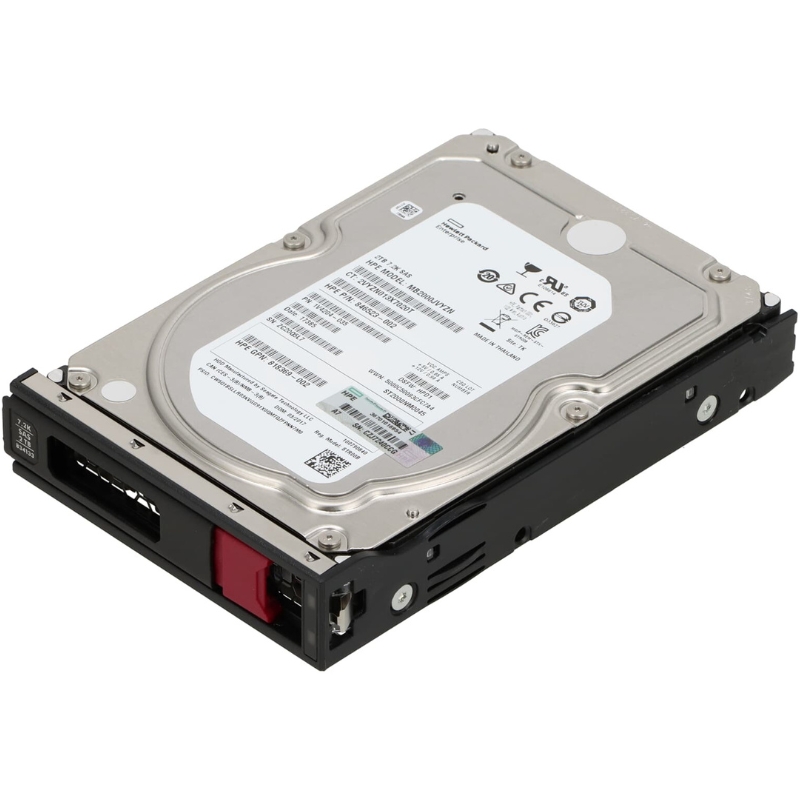
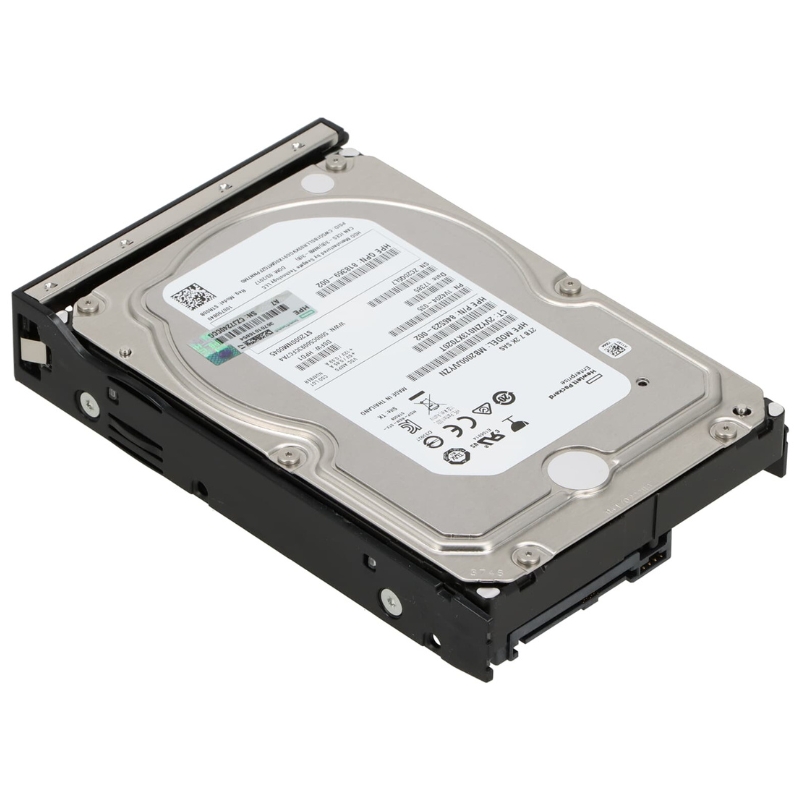
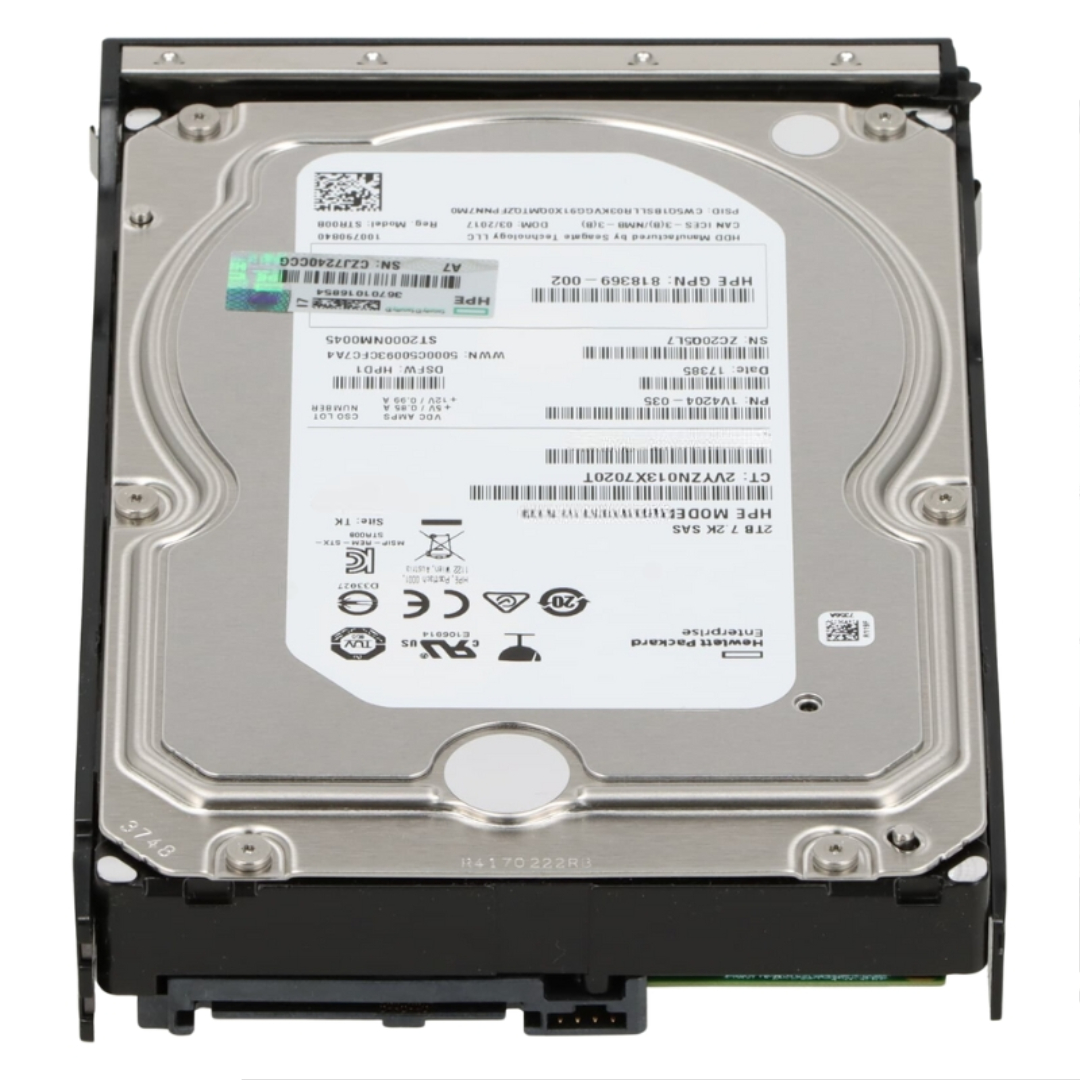
HPE 867191-B21 2TB SAS 12GBPS 7.2K SFF SC Spcl Hot Plug HDD. Excellent Refurbished with 1 year replacement warranty
| SKU/MPN | Warranty | Price | Condition | You save |
|---|---|---|---|---|
| 867191-B21 | 1 Year Warranty | $170.00 | New (System) Pull | You save: $59.50 (26%) |
| 867191-B21 | 1 Year Warranty | $140.00 | Excellent Refurbished | You save: $49.00 (26%) |
Engineered for HPE ProLiant servers, this enterprise-grade 2TB SAS hot-swap hard drive (Part Number 867191-B21) delivers a dependable blend of capacity, performance and reliability. Optimized for mixed workload environments, the drive supports Serial Attached SCSI (SAS) 12Gb/s connectivity and a 7,200 RPM spindle — a balanced choice for storage tiers that require predictable throughput and low total cost of ownership.
With a spindle speed of 7.2K RPM and a 12Gb/s SAS interface, this drive is designed to provide consistent sequential throughput and competitive random I/O for read-intensive and mixed workloads. The spindle speed and seek characteristics (3.7 ms average) make it well-suited for file servers, archive storage and storage-tiering where latency predictability is important.
Designed for plug-and-play installation into HPE ProLiant backplanes, the drive supports hot-swap replacement and standard enterprise monitoring via SMART / HPE system tools. Its mechanical and firmware controls are tuned for long duty cycles in server racks and storage enclosures.
This 2TB SAS 7.2K drive is ideal where capacity-per-dollar and steady performance matter more than the ultra-low latency of SSDs:
Compared with SFF SSDs or 10K/15K drives, the 7.2K SAS disk delivers greater capacity at lower cost with acceptable latency for many enterprise workloads. When paired with a caching SSD tier, it provides an excellent balance of speed and storage density.
The HPE 867191-B21 2TB SAS 12Gbps 7,200 RPM Small Form Factor (SFF) hot-plug hard disk drive represents a class of enterprise-grade storage components engineered for reliability, sustained throughput, and predictable latency in rack-mounted servers and storage arrays.
Enterprise SAS HDDs in this series are primarily intended for workloads that demand dependable sequential throughput coupled with large-capacity storage. Typical deployments include:
Below are the salient features commonly associated with the HPE 867191-B21 family and similar enterprise 2TB SAS HDD offerings. These are framed to highlight operational value and help with technical evaluations.
12Gb/s SAS interface: The drive connects via a 12 gigabits-per-second Serial Attached SCSI interface, enabling higher sustained sequential throughput compared with older 6Gb/s designs and excellent compatibility with modern RAID controllers and SAS expanders. This higher bandwidth helps when multiple drives are aggregated in RAID or storage pools, reducing bottlenecks for sequential IO patterns such as large file reads/writes, backups, and streaming.
SFF (2.5") packaging: The small form factor reduces rack space usage while enabling higher drive counts per server or chassis. The mechanical design is optimized for enterprise vibration tolerance, shock resistance during hot-swap, and efficient thermal transfer when mounted in a server backplane or cage.
7,200 RPM spindle speed: This rotational speed balances performance and energy efficiency. While not as low-latency as 10K/15K drives or SSDs, 7.2K drives deliver steady sequential throughput with predictable behavior ideal for large-block transfers and capacity-oriented workloads.
Hot-pluggable design: Enables in-service replacement and quick swaps during maintenance windows without powering down servers. Enterprise-grade firmware and error recovery procedures reduce the risk of unplanned downtime.
Correct integration of the HPE 867191-B21 drive family requires attention to controller compatibility, firmware alignment, and mechanical fit. Use the following guidance to avoid common pitfalls.
These SFF drives are compatible with HPE ProLiant servers and many HPE storage enclosures designed for 2.5" bays. Always verify physical bay depth and backplane connectors to ensure the drive fits securely and communicates properly.
Keep drives on manufacturer-approved firmware revisions to maintain predictable SMART reporting and to ensure compatibility with HPE management tools. Use HPE system management utilities to monitor SMART health, proactively replace drives showing early warning signs, and apply firmware updates in maintenance windows.
Extracting stable performance from rotational media in enterprise contexts benefits from a few deliberate choices:
In hybrid arrays or tiered storage solutions, use the HPE 867191-B21 as the dense capacity layer while offloading hot data sets to SSD cache or NVMe tiers. This reduces write amplification on SSDs, lowers cost-per-GB, and preserves fast access for performance-critical data.
Enterprise SAS HDDs are built with features that emphasize data integrity and operational continuity:
For environments handling sensitive data, evaluate secure erase capabilities, drive-level encryption options, and integration with HPE server-level security features. If full-disk encryption is required, prefer drives and controllers that support hardware-based encryption or implement encryption at the array/controller level.
While 7.2K HDDs are optimized for capacity and sequential throughput, ensuring integrity under write-heavy scenarios requires a combination of controller write-back policies, battery- or capacitor-backed cache, and validated RAID settings to prevent data loss during power events.
When evaluating the cost of ownership for a fleet of enterprise HDDs, consider the following components beyond the unit price:
To minimize Mean Time To Repair (MTTR), keep a modest stock of hot-swap compatible spares on-site or leverage HPE advance replacement / warranty services. Verify the drive’s warranty terms and whether it is covered under your HPE support contract or an authorized reseller service plan.
When choosing between HDDs, consider these axes to match a drive to your workload:
If your priority is raw capacity at the lowest $/GB, a 2TB 7.2K HDD is an economical choice. If your workload is IOPS-sensitive, consider SSDs or hybrid arrangements.
SAS (12Gb/s) is preferable for enterprise arrays due to its reliability and controller feature support. SATA may be cheaper but lacks some enterprise features and validation in HPE ecosystems. Verify SAS compatibility for multi-pathing and controller features.
SFF (2.5") increases density but often costs more per drive than LFF (3.5") equivalents. SFF is ideal for constrained rack space or high-density modern servers, while LFF can be used in chassis where drive count is lower but per-drive capacity is prioritized.


 Contact Us
 Information
 Catalog
 Solid State Drives (SSD)
 Network Switches
 Hard Disk Drives
 HBA & Controllers
 PC & Servers
 PC & Server Memory
 CPU & Processors
 Network Routers
 Power Supplies
 Tape Drives & Libraries
 Network Devices
 Computer & Network Cables