(7% discount is applied at checkout)
Cart is empty
Your go-to destination for cutting-edge server products
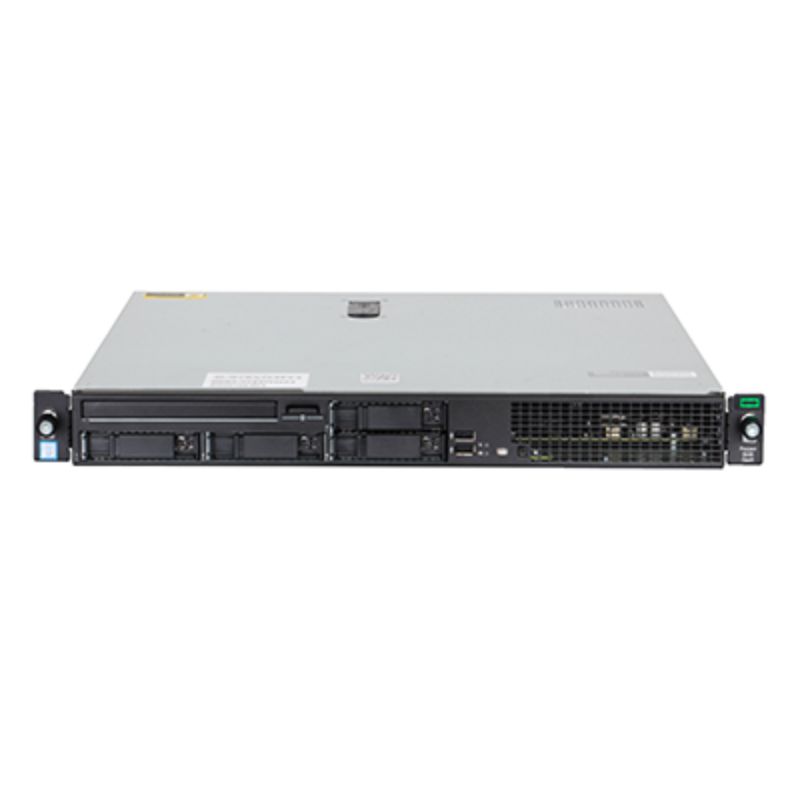


HPE 871429-B21 E3-1220v6 8GB-U B140i 2LFF 290W DL20 Gen9 PS Base Server. Excellent Refurbished with 1-Year Replacement Warranty
The HPE 871429‑B21 DL20 Gen9 Base Server is a compact yet powerful solution built for enterprise workloads, offering the Intel Xeon E3‑1220v6 processor, 8GB DDR4 memory, and integrated Smart Array B140i controller. With dual large form factor bays, efficient 290W power supply, and advanced management features, this server is designed to deliver reliable performance, scalability, and streamlined operation in business environments where space efficiency and dependable computing are essential.
The HPE DL20 Gen9 server platform represents a compact, rack mounted family of systems designed to deliver enterprise class reliability and performance in a space efficient form factor. Within this category, configurations such as the HPE 871429-B21 E3-1220v6 8GB-U B140i 2LFF 290W DL20 Gen9 PS Base Server illustrate the balance between affordability, manageability, and capability that defines the platform. The DL20 Gen9 series is aimed at organizations that require dependable compute resources for core business applications, remote office deployments, edge workloads, and lightweight virtualization, while maintaining a low footprint in terms of rack space and power consumption.
The platform is built around a 1U rack chassis that accommodates a range of processor, memory, storage, and networking options. This compact design allows data centers and equipment rooms to maximize rack density, deploying multiple DL20 Gen9 servers in a single cabinet to support diverse workloads. Despite its small size, the platform is engineered with enterprise grade components, including redundant power options, integrated management tools, and support for hardware assisted security features. This combination makes the DL20 Gen9 category suitable for both small and medium sized businesses and larger organizations that need flexible, reliable edge or branch office compute.
The HPE 871429-B21 configuration, featuring an Intel Xeon E3-1220v6 processor, 8 gigabytes of unbuffered memory, integrated B140i controller, and support for two large form factor drive bays, serves as a base model within the category. It provides a foundation that can be expanded with additional memory, storage, and networking options as requirements grow. This approach aligns with the overall philosophy of the DL20 Gen9 platform, which emphasizes modularity and scalability, allowing organizations to start with a modest configuration and evolve their infrastructure over time without replacing the entire server.
The HPE DL20 Gen9 server platform is built around a 1U rack chassis that prioritizes space efficiency without sacrificing essential enterprise features. The low profile design allows administrators to install many servers in a single rack, increasing compute density and enabling flexible deployment of services across multiple nodes. The chassis is constructed with robust materials and engineered for reliable operation in typical data center and equipment room environments, including controlled temperature and airflow conditions.
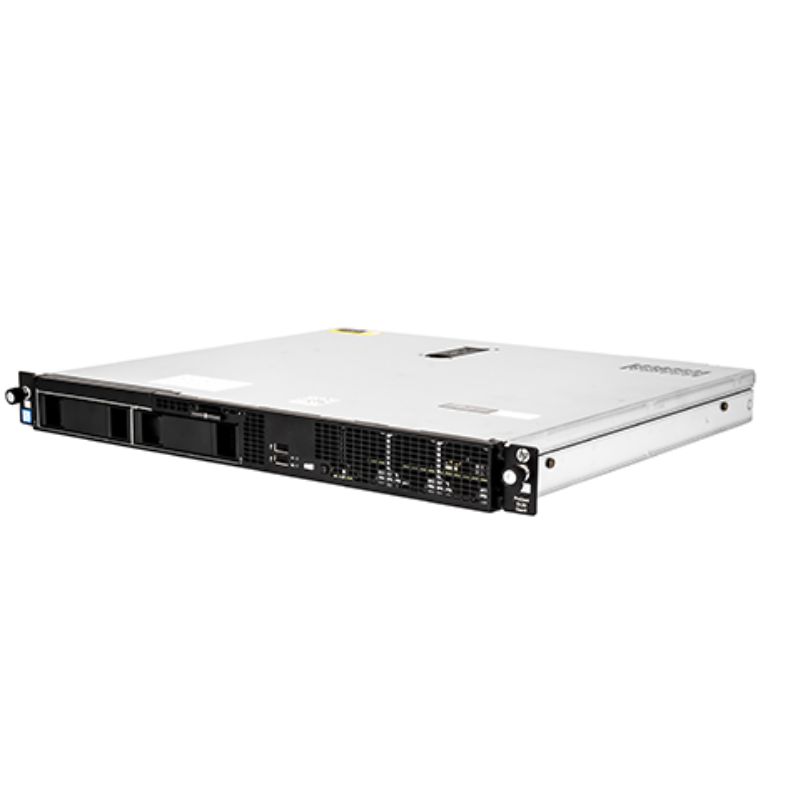
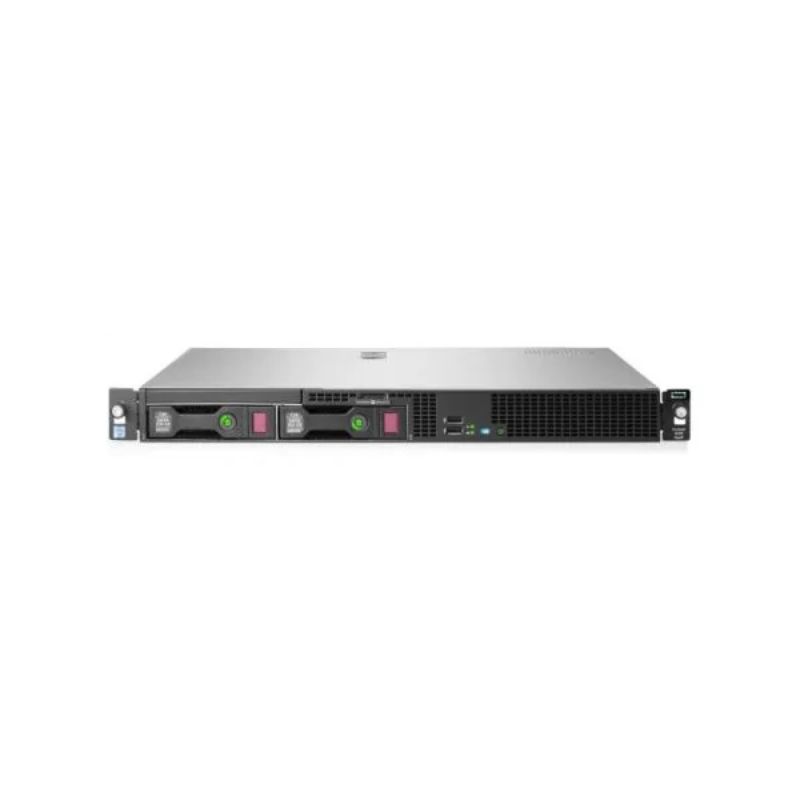
The front of the chassis typically provides access to drive bays, status indicators, and basic controls. In configurations such as the HPE 871429-B21, the front panel includes two large form factor drive bays that can accommodate hard disk drives or solid state drives, depending on storage requirements. Status LEDs provide visual feedback on system health, network activity, and drive status, allowing technicians to quickly assess the condition of the server. The compact layout ensures that all essential components are accessible without requiring excessive rack space.
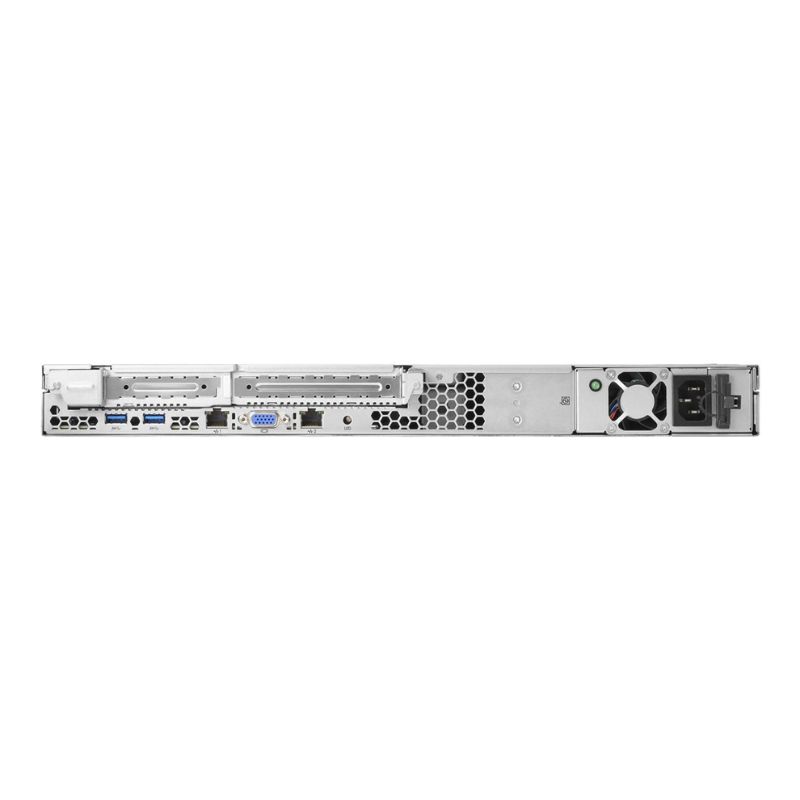
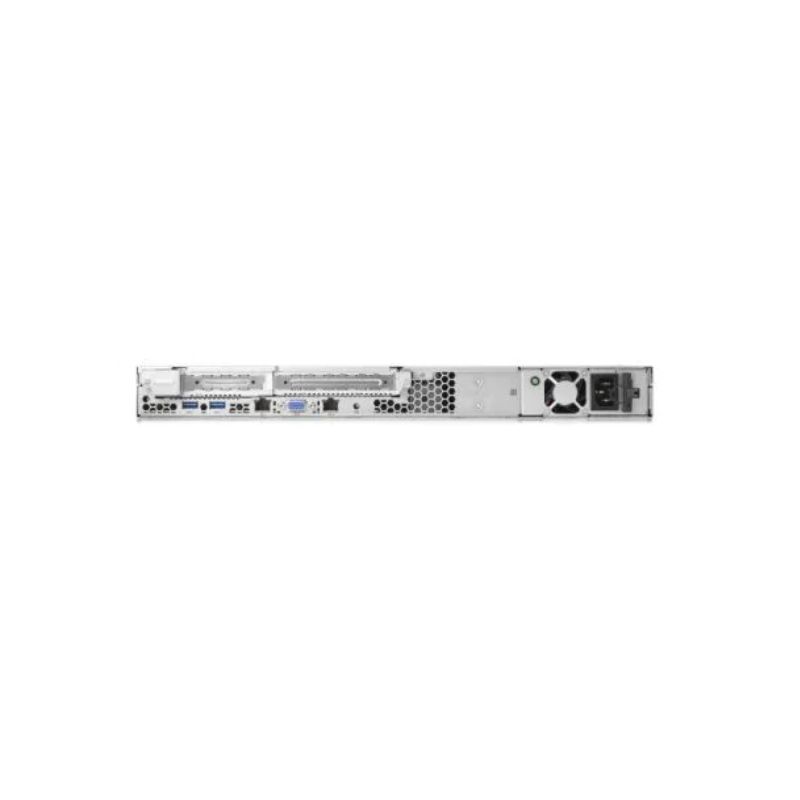
The rear of the chassis houses power connections, network ports, expansion slots, and management interfaces. The DL20 Gen9 platform supports a range of power supply options, including efficient fixed units and, in some configurations, redundant power supplies for enhanced resilience. Network connectivity is provided through integrated Ethernet ports, with options for additional adapters to support higher bandwidth or specialized networking requirements. Expansion slots allow the installation of additional controllers or interface cards, extending the capabilities of the server beyond its base configuration.
The DL20 Gen9 platform is intended for installation in standard 19 inch racks, using rail kits that allow servers to slide in and out for maintenance. This approach simplifies deployment and servicing, enabling technicians to access internal components without fully removing the server from the rack. The 1U height allows organizations to stack multiple DL20 Gen9 units vertically, creating clusters or groups of servers dedicated to specific roles such as web hosting, application delivery, or network services.
In branch offices and remote sites, the compact form factor of the DL20 Gen9 category makes it suitable for installation in smaller racks or cabinets that may share space with networking equipment and other devices. The platform’s modest power requirements and efficient cooling design help to minimize the impact on local infrastructure, reducing the need for extensive upgrades to power distribution or environmental controls. This makes the DL20 Gen9 an attractive option for organizations that want to extend their compute capabilities to remote locations without building full scale data centers.
The platform’s physical design also supports integration into mixed environments where different server models coexist. DL20 Gen9 units can be deployed alongside larger systems, providing dedicated roles such as gateway services, monitoring, or specialized applications. Their consistent rack mounting and cabling practices align with standard data center procedures, simplifying management and reducing complexity in multi platform deployments.
The HPE DL20 Gen9 server platform supports Intel Xeon E3 series processors, providing a balance of performance, efficiency, and cost that suits many small to medium workloads. In the HPE 871429-B21 configuration, the Intel Xeon E3-1220v6 processor offers four cores and a clock speed designed to handle typical business applications, network services, and light virtualization. This processor architecture delivers reliable performance for tasks such as file sharing, web hosting, and application serving, while maintaining manageable power consumption.
The platform’s memory architecture is designed to complement the processor capabilities. The DL20 Gen9 category supports unbuffered memory modules, allowing configurations such as 8 gigabytes in the base model and higher capacities in expanded systems. Memory slots are arranged to support dual channel operation, improving bandwidth and responsiveness for applications that rely on frequent data access. As workloads grow, administrators can add additional memory modules to increase capacity, supporting more users, larger datasets, or additional virtual machines.
The combination of Intel Xeon E3 processors and scalable memory options makes the DL20 Gen9 platform suitable for a wide range of workloads. For small businesses, the base configuration provides enough performance to handle core services such as directory services, file sharing, and basic application hosting. For larger organizations, expanded memory and processor options allow the platform to support more demanding tasks, including small scale virtualization and specialized applications that require consistent compute resources.
The performance characteristics of the DL20 Gen9 platform, including configurations such as the HPE 871429-B21, align with workloads that require steady, reliable compute rather than extreme processing power. The Intel Xeon E3-1220v6 processor and modest memory capacity are well suited to tasks such as hosting small databases, running business applications, and providing network services. These workloads benefit from the platform’s ability to deliver consistent performance without excessive power consumption or heat generation.
For virtualization, the DL20 Gen9 category can support a limited number of virtual machines, particularly in scenarios where each virtual instance handles lightweight tasks such as web serving, small application hosting, or network services. While the platform is not intended for large scale virtualization clusters, it provides a practical solution for organizations that want to consolidate a few workloads onto a single physical server, reducing hardware footprint and simplifying management.
In edge computing and remote office scenarios, the DL20 Gen9 platform’s performance profile is particularly advantageous. It can handle local processing tasks, caching, and data collection without relying entirely on central data centers. This reduces latency for local users and improves resilience by allowing critical services to continue operating even if connectivity to central systems is disrupted. The platform’s balanced architecture ensures that these tasks can be performed reliably over extended periods.
Storage within the HPE DL20 Gen9 server platform is designed to provide flexibility and reliability for a range of workloads. In the HPE 871429-B21 configuration, the integrated B140i controller manages two large form factor drive bays, allowing administrators to install hard disk drives or solid state drives according to their needs. This controller supports basic redundancy and performance features, enabling simple configurations that protect data and improve access times.
The two large form factor drive bays can be populated with drives of varying capacities, allowing organizations to tailor storage to their requirements. For file and print services, larger capacity drives may be used to store shared documents and media. For application hosting or small databases, faster drives such as solid state devices can be installed to improve responsiveness. The DL20 Gen9 platform’s storage architecture supports these choices, providing a foundation that can be adapted to different roles.
The integrated controller is designed to work seamlessly with the platform’s management tools, allowing administrators to monitor drive health, performance, and configuration. Alerts and status information help identify potential issues before they lead to data loss or downtime. This integration supports proactive maintenance and contributes to the overall reliability of the DL20 Gen9 category.
The storage capabilities of the DL20 Gen9 platform support a variety of use cases. For small businesses, the server can act as a central repository for documents, media, and application data, providing shared access to users across the network. The integrated controller and drive bays allow simple redundancy configurations that protect data against drive failures, helping to maintain continuity of operations.
In remote offices, the DL20 Gen9 category can store local copies of critical data, reducing reliance on wide area network connections for everyday tasks. Users can access files and applications hosted on the local server, improving performance and resilience. Data can be synchronized with central systems during off peak hours, balancing local responsiveness with centralized management and backup strategies.
For specialized applications, such as small databases or logging systems, the platform’s storage architecture provides sufficient performance and reliability. Drives can be selected to match workload characteristics, and the controller’s features can be used to protect data and maintain consistent access. This makes the DL20 Gen9 category suitable for roles where data integrity and availability are important, even if the overall scale of the workload is modest.
Networking within the HPE DL20 Gen9 server platform is designed to support typical enterprise connectivity requirements. Integrated Ethernet ports provide baseline network access, allowing the server to connect to local area networks and, through routing, to wider networks. These ports support common speeds and standards, ensuring compatibility with existing infrastructure and simplifying deployment.
The platform also offers expansion options for networking, allowing administrators to install additional adapters to support higher bandwidth or specialized protocols. This is particularly useful in environments where the server must handle significant network traffic, such as web hosting, application delivery, or network services. By adding appropriate adapters, organizations can tailor the DL20 Gen9 category to meet specific performance and connectivity needs.
Expansion slots within the chassis provide opportunities to install additional controllers or interface cards. These may include storage controllers, network adapters, or other devices that extend the server’s capabilities. The platform’s design ensures that these expansions can be integrated without compromising cooling or stability, maintaining the overall reliability of the system.
The DL20 Gen9 platform can serve a variety of network roles within an organization. As a file and print server, it provides shared resources to users across the network, handling requests and managing access to data. As an application server, it hosts business applications that users access through client software or web interfaces. In both cases, the platform’s networking capabilities ensure that data flows smoothly between the server and clients.
In security and gateway roles, the DL20 Gen9 category can host firewall software, proxy services, or other network security applications. These roles require reliable connectivity and consistent performance, which the platform’s networking architecture supports. By deploying DL20 Gen9 servers at network boundaries or key points, organizations can enhance their security posture while maintaining manageable hardware footprints.
For remote offices and branch locations, the DL20 Gen9 platform can act as a local hub for network services, providing domain services, file sharing, and application hosting. This reduces the need for users to rely on central systems for every task, improving performance and resilience. The platform’s networking capabilities support these scenarios by providing stable connections and integration with wider organizational networks.
The HPE DL20 Gen9 server platform includes integrated management tools that allow administrators to monitor and control systems remotely. These tools provide access to hardware status, configuration settings, and diagnostic information, enabling proactive maintenance and rapid response to issues. Remote management capabilities are particularly valuable in environments where servers are deployed in multiple locations, including branch offices and edge sites.
Monitoring features include sensors for temperature, fan speeds, power usage, and component health. Administrators can view these metrics through management interfaces, set thresholds, and configure alerts. This visibility helps organizations ensure that servers operate within safe parameters and that potential problems are identified before they lead to downtime or hardware failures. The DL20 Gen9 category’s focus on integrated monitoring supports long term reliability and efficient operation.
Security features within the platform include support for hardware assisted security technologies and firmware protections. These features help safeguard systems against unauthorized access and tampering, contributing to the overall security posture of the organization. Combined with operating system level security measures and network protections, the DL20 Gen9 category provides a solid foundation for secure deployments.
Administrators managing DL20 Gen9 servers can perform many tasks remotely, including configuration changes, firmware updates, and diagnostics. This reduces the need for physical access to servers, which is particularly beneficial in distributed environments where systems may be located in branch offices or remote sites. Remote management tools allow administrators to maintain consistent configurations and apply updates across multiple servers, improving efficiency and reducing the risk of configuration drift.
In addition to routine management, remote tools support troubleshooting and recovery. Administrators can access logs, run diagnostics, and perform resets without visiting the physical location of the server. This capability helps organizations respond quickly to issues, minimizing downtime and maintaining service levels. The DL20 Gen9 category’s integration with these tools is a key aspect of its suitability for modern, distributed IT environments.
The HPE DL20 Gen9 server platform, including configurations such as the HPE 871429-B21, supports a wide range of deployment scenarios. In small businesses, the server can act as a central hub for core services such as file sharing, application hosting, and network services. Its compact form factor and modest power requirements make it easy to integrate into existing infrastructure, while its enterprise features provide reliability and manageability.
In branch offices and remote locations, the DL20 Gen9 category can provide local compute and storage resources that reduce reliance on central data centers. Users can access applications and data hosted on the local server, improving performance and resilience. The platform’s management tools allow central IT teams to oversee these deployments, ensuring consistent configurations and security policies across the organization.
In edge computing scenarios, the DL20 Gen9 platform can process data close to its source, reducing latency and bandwidth usage. This is particularly useful in environments such as retail, manufacturing, or logistics, where local processing can support real time decision making and operations. The platform’s balanced architecture and compact design make it well suited to these roles.
Within the broader DL20 Gen9 category, a significant subcategory focuses on small business and remote office deployments. In these environments, the server often serves multiple roles, including file sharing, application hosting, and network services. The HPE 871429-B21 configuration provides a base level of performance and capacity that meets the needs of many small organizations, while allowing for expansion as requirements grow.
Small businesses benefit from the platform’s combination of enterprise features and accessible configuration. The server can be deployed with minimal complexity, yet still provide robust management, monitoring, and security capabilities. As the organization grows, additional memory, storage, or networking options can be added to the DL20 Gen9 system, extending its useful life and supporting new workloads.
Remote offices and branch locations use the DL20 Gen9 category to provide local services that complement central systems. By hosting applications and data locally, these sites can maintain operations even if connectivity to central data centers is limited or interrupted. The platform’s remote management capabilities allow central IT teams to support these deployments effectively, ensuring that systems remain secure and up to date.
The HPE DL20 Gen9 server platform is designed to be compatible with a wide range of operating systems, applications, and infrastructure components. This compatibility allows organizations to integrate the platform into existing environments without extensive changes. The server can host common business applications, support standard networking protocols, and work with established management tools, making it a practical choice for many deployment scenarios.
Scalability within the DL20 Gen9 category is achieved through modular design and flexible configuration options. Organizations can start with a base configuration such as the HPE 871429-B21 and add memory, storage, or networking capabilities as needed. Additional servers can be deployed to create clusters or groups dedicated to specific roles, allowing the platform to grow alongside organizational requirements. This scalability supports long term planning and investment, reducing the need for frequent hardware replacement.
The long term value of the DL20 Gen9 platform lies in its combination of reliability, manageability, and adaptability. By providing enterprise features in a compact, efficient form factor, the category offers a solution that can serve many roles over time. Whether deployed in small businesses, branch offices, or edge environments, the platform’s balanced architecture and robust management capabilities support sustained operation and evolving workloads.


 Contact Us
 Information
 Catalog
 Solid State Drives (SSD)
 Network Switches
 Hard Disk Drives
 HBA & Controllers
 PC & Servers
 PC & Server Memory
 CPU & Processors
 Network Routers
 Power Supplies
 Tape Drives & Libraries
 Network Devices
 Computer & Network Cables