(7% discount is applied at checkout)
Cart is empty
Your go-to destination for cutting-edge server products
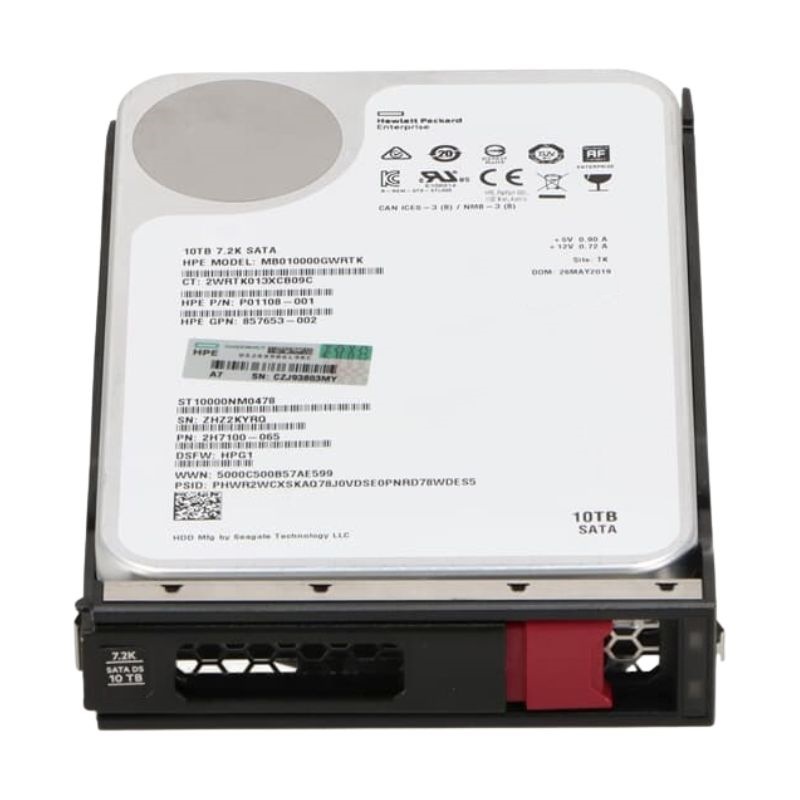


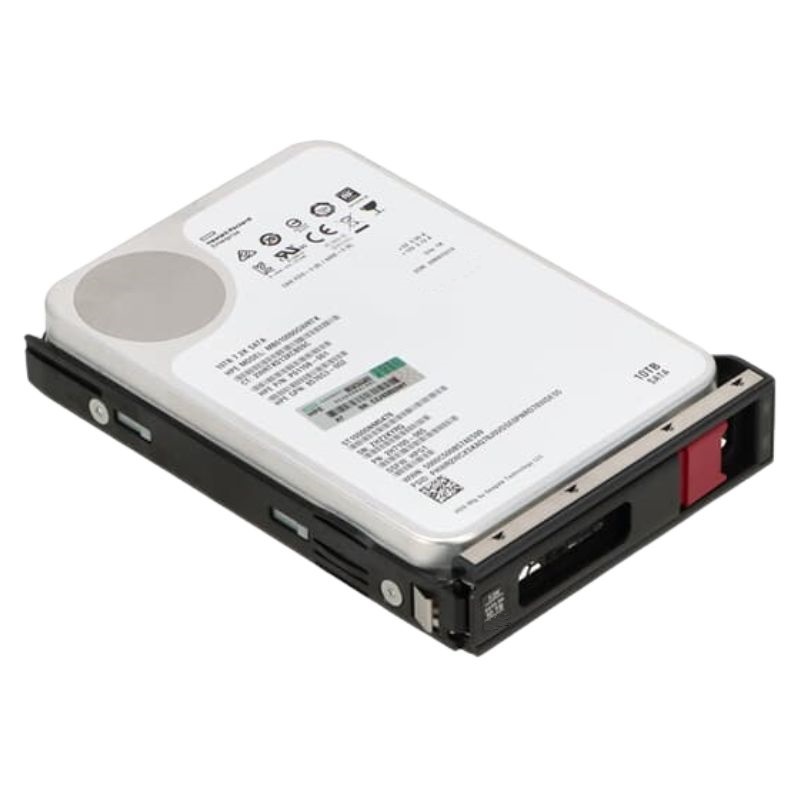
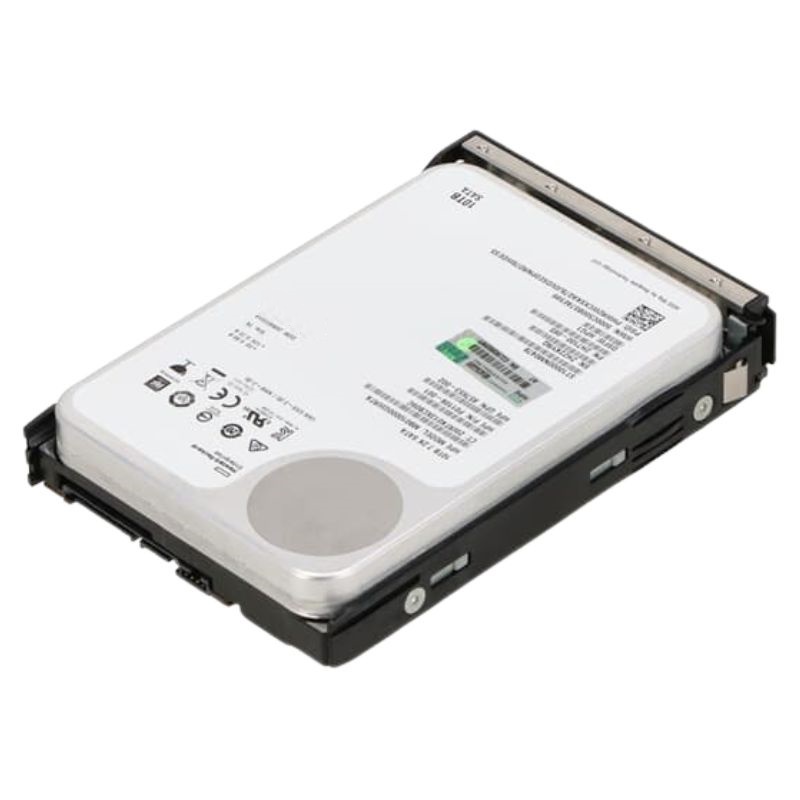
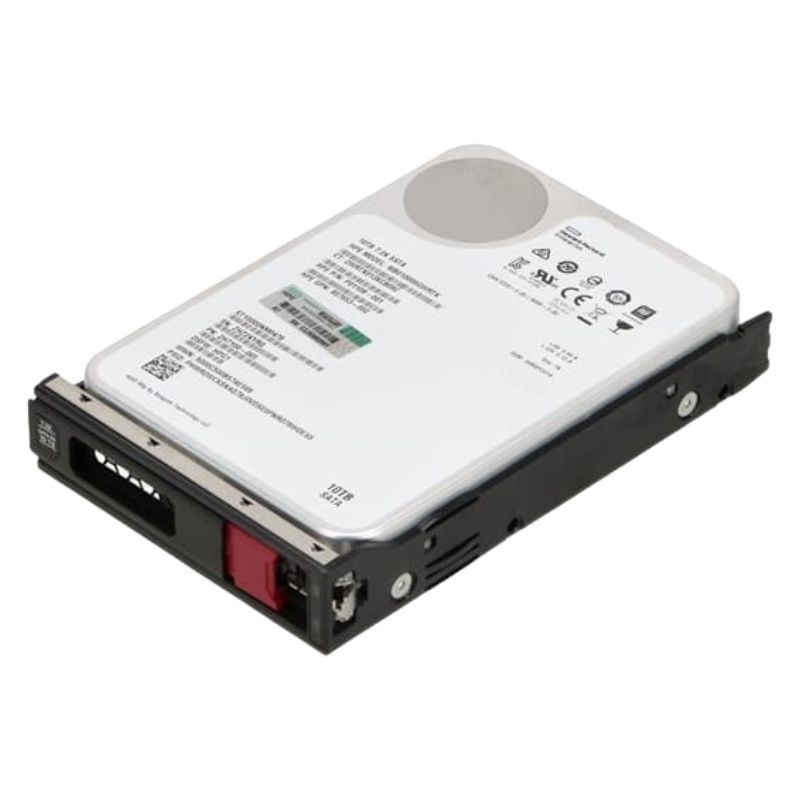
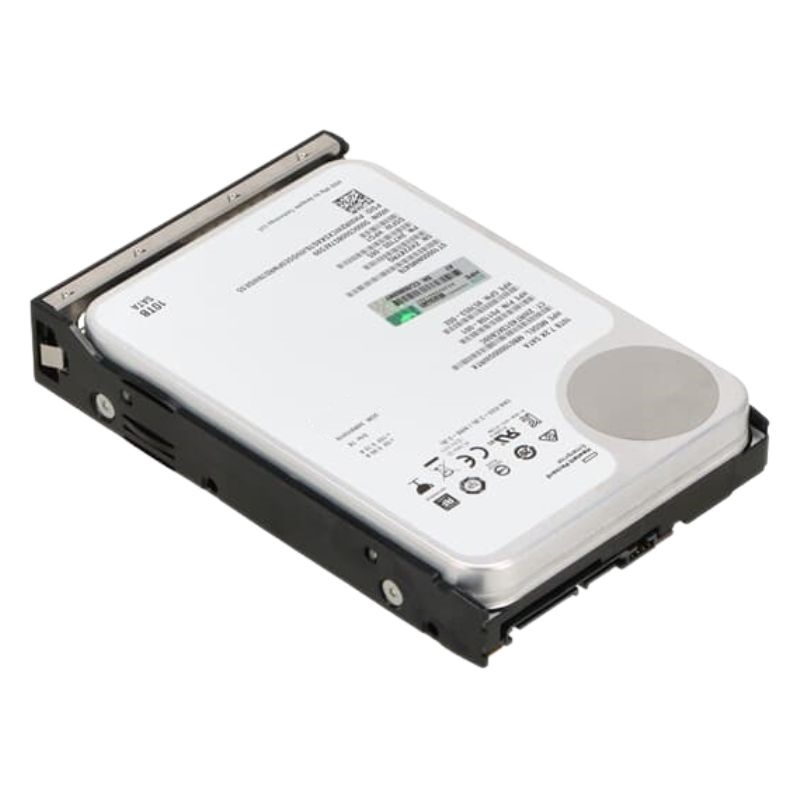
HPE 874216-001 10TB SATA 6GBPS 7.2K LFF Internal Hard Disk Drive. New Sealed in Box (NIB) with 3 Years Warranty
The HPE 874216-001 10TB SATA 6Gbps 7.2K LFF Internal Hard Disk Drive is a high-capacity enterprise storage solution designed to deliver dependable performance and large-scale data management. Built to fit 3.5-inch drive bays, this HPE drive provides a balance of speed, efficiency, and reliability for demanding server and storage environments. Its 10TB capacity supports data-intensive workloads, including virtualization, big data analytics, backup, and archiving.
This enterprise hard disk is well-suited for various storage scenarios, including:
HPE enterprise-class drives undergo rigorous testing to ensure compatibility, reliability, and maximum performance. Choosing this 10TB SATA drive provides peace of mind with:
The HPE 874216-001 10TB SATA 6Gbps 7,200 RPM large form factor (LFF) internal hard disk drive represents a balance of high capacity, cost-effective storage, and compatibility with enterprise server platforms. Designed for use in rack and tower servers, storage enclosures and direct-attach configurations, this 3.5-inch (LFF) SATA HDD targets workloads that prioritize capacity-per-dollar while still requiring consistent performance and proven reliability characteristics expected in data center and small-to-medium business (SMB) environments.
Although SATA drives are traditionally associated with mainstream and value segments, enterprise-class SATA models earmarked for server OEMs and part-numbered by HPE often include firmware and mechanical adjustments for higher reliability. These adaptations can include enhanced vibration resistance for multi-bay enclosures, error recovery controls calibrated for RAID compatibility, and operational tolerances tuned for sustained 24/7 operation.
The HPE 874216-001 part number denotes a drive qualified for HPE systems — meaning it’s intended to work plug-and-play with HPE ProLiant servers, HPE storage enclosures and selected HPE-certified JBODs when used with matching drive carriers. Compatibility extends to most controllers supporting SATA 6Gb/s native or via HBA/RAID adapters.
Implementing these drives within hybrid architectures amplifies their cost-effectiveness. A typical pattern is to combine a small number of high-performance NVMe or SATA SSDs for caching and metadata with a larger pool of 10TB HDDs for bulk data. The SSD tier absorbs random I/O while HDDs provide economical capacity.
When designing for scale, account for power, cooling, and backplane slot availability. Fewer, higher-capacity drives reduce the number of spindles but each drive rebuild after failure can be longer — so redundancy strategy and rebuild-resilient RAID (or erasure coding) choices become more important.
Optimal thermal and vibration environments extend drive life and maintain performance. Ensure chassis airflow aligns with server vendor guidance and that ambient temperature limits are not exceeded during operation.
For new installations, initialize drives per the storage controller’s recommendations. When adding multiple drives to RAID arrays, stagger rebuild schedules where possible and monitor rebuild progress to detect anomalies early. Configure predictive monitoring and alerts to surface SMART warnings or drive health issues.
Decide based on workload profile and cost targets. If capacity per rack unit and cost per terabyte are primary concerns, the 10TB 7.2K SATA LFF model is a compelling option. If short response times and high IOPS are critical, evaluate NVMe or higher-RPM SAS alternatives instead.
Track firmware updates and EOL announcements by HPE for any drive family integrated into your fleet. Firmware revisions can deliver stability improvements, but always validate critical updates in a test environment before mass deployment to production systems.
Maintain an inventory policy that balances spare availability with obsolescence risk. Keep a small number of spare drives on hand for rapid replacement, but also plan refresh cycles so older midline drives do not become single points of extended support difficulty.
Leverage SMART telemetry, storage controller logs and vendor monitoring tools to detect early signs of drive degradation. Look out for increasing reallocated sector counts, read/write error rates, or abnormal spin-up times. Configure alerting thresholds that align with your organizational risk tolerance.


 Contact Us
 Information
 Catalog
 Solid State Drives (SSD)
 Network Switches
 Hard Disk Drives
 HBA & Controllers
 PC & Servers
 PC & Server Memory
 CPU & Processors
 Network Routers
 Power Supplies
 Tape Drives & Libraries
 Network Devices
 Computer & Network Cables