Your go-to destination for cutting-edge server products
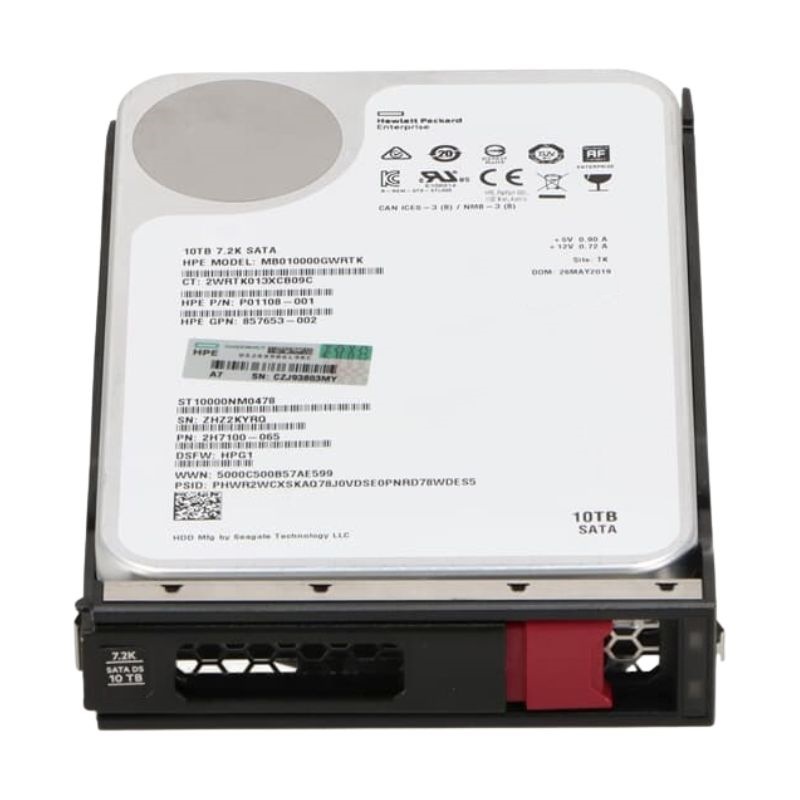
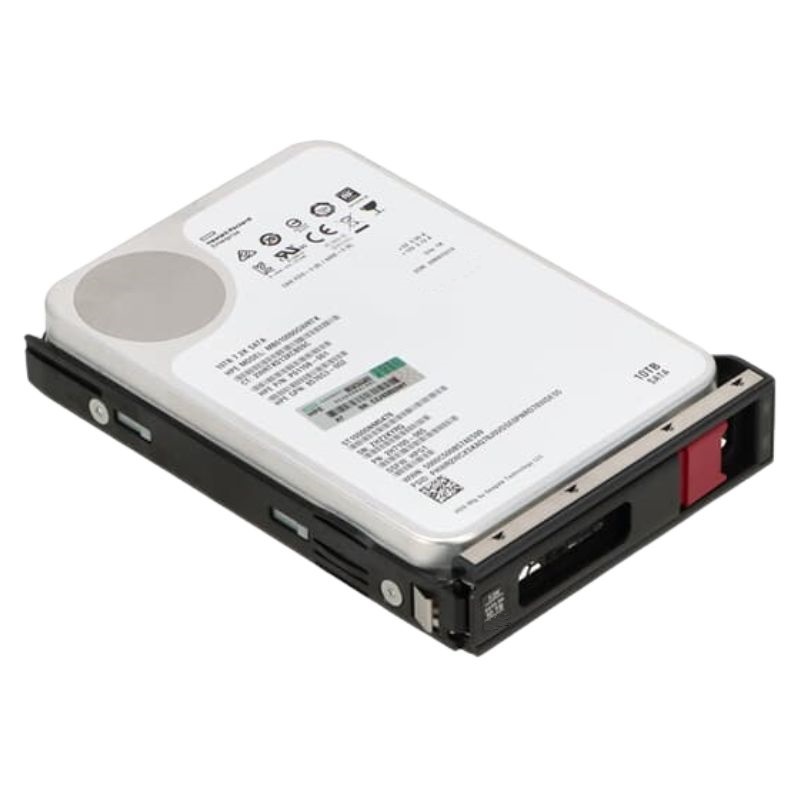
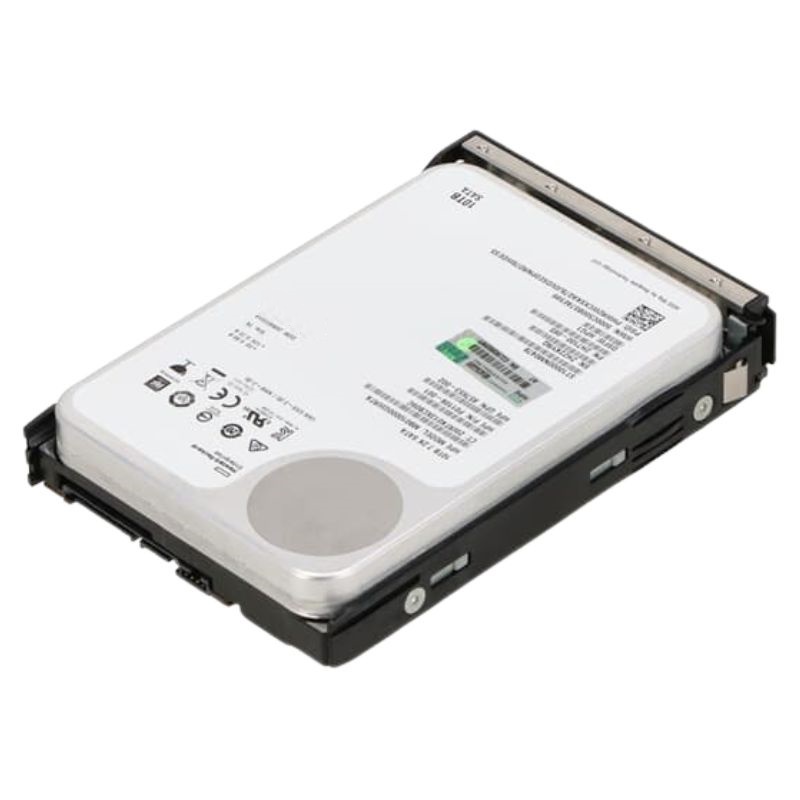
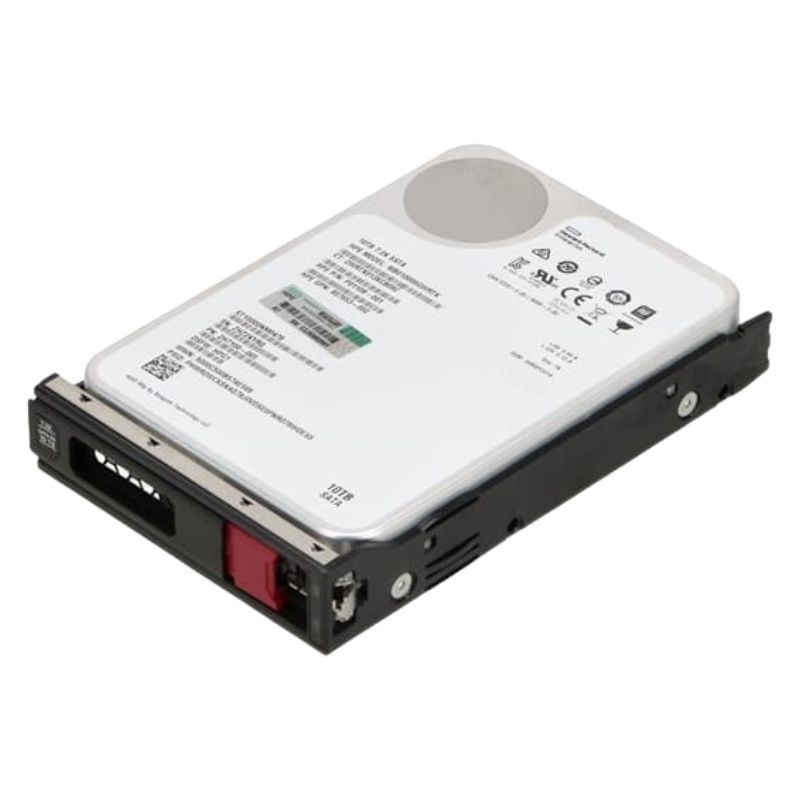
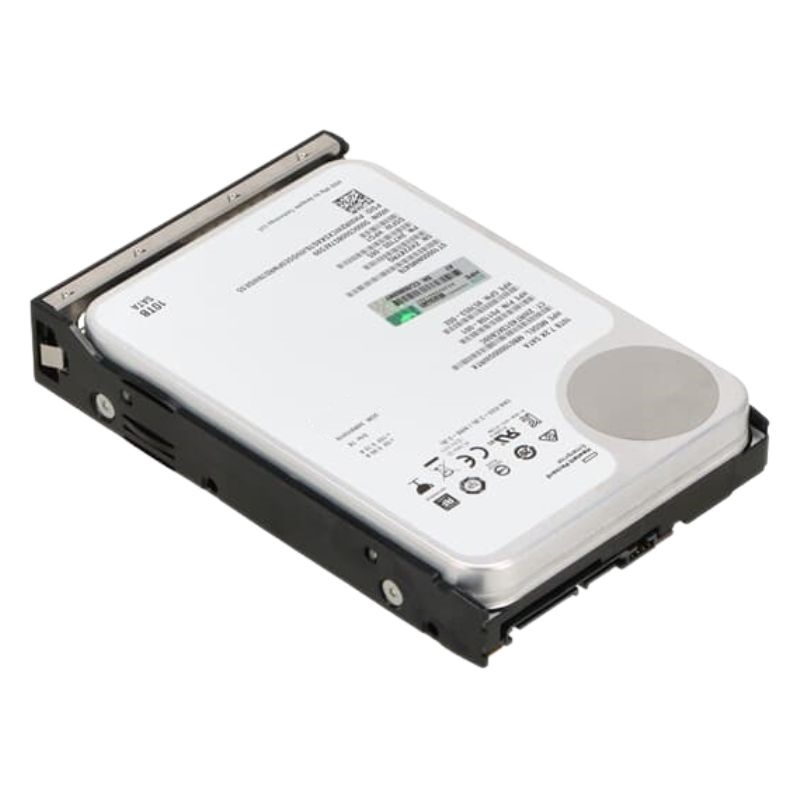
874216-001 HPE 10TB SATA 6GBPS 7.2K LFF Internal Hard Disk Drive

874216-001
* Product may have slight variations vs. image
Hover on image to enlarge

Brief Overview of 874216-001

HPE 874216-001 10TB SATA 6GBPS 7.2K LFF Internal Hard Disk Drive. New Sealed in Box (NIB) with 3 Years Warranty

$720.90
$534.00
You save: $186.90 (26%)
Ask a question
Price in points: 534 points
+
Quote

Additional 7% discount at checkout

SKU/MPN874216-001Availability✅ In StockProcessing TimeUsually ships same day ManufacturerHPE Manufacturer Warranty3 Years Warranty from Original Brand Product/Item ConditionNew Sealed in Box (NIB) ServerOrbit Replacement Warranty1 Year Warranty
Google Top Quality Store Customer Reviews
Our Advantages
Payment Options
  • — Visa, MasterCard, Discover, and Amex
  • — JCB, Diners Club, UnionPay
  • — PayPal, ACH/Bank Transfer (11% Off)
  • — Apple Pay, Amazon Pay, Google Pay
  • — Buy Now, Pay Later - Affirm, Afterpay
  • — GOV/EDU/Institutions PO's Accepted 
  • — Invoices
Delivery
  • — Deliver Anywhere
  • — Express Delivery in the USA and Worldwide
  • — Ship to -APO -FPO
  • For USA - Free Ground Shipping
  • — Worldwide - from $30
Description

HPE 874216-001 10TB SATA 6GBPS Internal HDD

The HPE 874216-001 10TB SATA 6Gbps 7.2K LFF Internal Hard Disk Drive is a high-capacity enterprise storage solution designed to deliver dependable performance and large-scale data management. Built to fit 3.5-inch drive bays, this HPE drive provides a balance of speed, efficiency, and reliability for demanding server and storage environments. Its 10TB capacity supports data-intensive workloads, including virtualization, big data analytics, backup, and archiving.

Key Specifications and Features

  • Manufacturer: HPE
  • Part Number: 874216-001
  • Form Factor: 3.5-inch Large Form Factor (LFF)
  • Interface: SATA 6Gbps for faster data transfer speeds
  • Storage Capacity: 10 Terabytes (10TB) for large data storage
  • Rotational Speed: 7,200 RPM for balanced performance
  • Drive Type: Internal, enterprise-class hard disk

Technical Advantages

  • Supports fast read/write speeds for quicker access to large datasets
  • Reliable data integrity for mission-critical operations
  • Hot-swappable in supported systems for minimal downtime
  • Advanced error correction ensuring data security

Use Cases for HPE 874216-001 10TB Drive

This enterprise hard disk is well-suited for various storage scenarios, including:

  • Data centers managing large-scale applications
  • Media and content creation storage requiring massive capacity
  • Cloud storage providers hosting virtual machines
  • Enterprise backup and archival systems

HPE Enterprise Drives

HPE enterprise-class drives undergo rigorous testing to ensure compatibility, reliability, and maximum performance. Choosing this 10TB SATA drive provides peace of mind with:

  • Extended lifecycle support and firmware compatibility
  • Energy-efficient design for greener data centers
  • Comprehensive manufacturer

Key Benefits

  • Massive 10TB storage capacity for handling growing data demands
  • Enterprise-grade reliability for mission-critical workloads
  • Optimized for 24/7 operation in business environments
  • Cost-effective storage upgrade for HPE systems

keywords and semantic variations

For on-page SEO, include a mix of exact-match and semantically related terms throughout the copy to help search engines and customers find the category. Useful keyword targets:

  • HPE 874216-001
  • 10TB SATA hard drive
  • 10TB 7.2K LFF HDD
  • SATA 6Gbps internal hard disk
  • HPE internal hard drive 10TB
  • enterprise hard disk drive 10TB
  • HPE ProLiant compatible HDD
  • high-capacity server HDD

HPE 874216-001 10TB SATA 6Gbps 7.2K LFF HDD

The HPE 874216-001 10TB SATA 6Gbps 7,200 RPM large form factor (LFF) internal hard disk drive represents a balance of high capacity, cost-effective storage, and compatibility with enterprise server platforms. Designed for use in rack and tower servers, storage enclosures and direct-attach configurations, this 3.5-inch (LFF) SATA HDD targets workloads that prioritize capacity-per-dollar while still requiring consistent performance and proven reliability characteristics expected in data center and small-to-medium business (SMB) environments.

Key features and specifications

Capacity and form factor

The defining characteristic is the drive’s 10TB capacity implemented in a 3.5-inch LFF mechanical design. Placing 10TB per slot simplifies capacity planning: fewer drives are needed to reach multi-petabyte totals compared to smaller-capacity disks, which reduces backplane connector usage, lowers power per TB in many deployments, and minimizes caddy/chassis management overhead.

Performance characteristics

Expect the HPE 874216-001 class drives to excel at large-file sequential reads and writes, streaming data, and throughput-oriented tasks. 7.2K RPM drives deliver consistent sustained data transfer performance that is superior to low-RPM archival disks but more economical than 10K or 15K enterprise spindles. The SATA 6Gbps interface allows modern controllers to maximize the drive’s throughput potential.

Reliability, durability, and enterprise readiness

Designed for datacenter use

Although SATA drives are traditionally associated with mainstream and value segments, enterprise-class SATA models earmarked for server OEMs and part-numbered by HPE often include firmware and mechanical adjustments for higher reliability. These adaptations can include enhanced vibration resistance for multi-bay enclosures, error recovery controls calibrated for RAID compatibility, and operational tolerances tuned for sustained 24/7 operation.

Compatibility and integration

Server platforms and backplane compatibility

The HPE 874216-001 part number denotes a drive qualified for HPE systems — meaning it’s intended to work plug-and-play with HPE ProLiant servers, HPE storage enclosures and selected HPE-certified JBODs when used with matching drive carriers. Compatibility extends to most controllers supporting SATA 6Gb/s native or via HBA/RAID adapters.

Hybrid architecture patterns

Implementing these drives within hybrid architectures amplifies their cost-effectiveness. A typical pattern is to combine a small number of high-performance NVMe or SATA SSDs for caching and metadata with a larger pool of 10TB HDDs for bulk data. The SSD tier absorbs random I/O while HDDs provide economical capacity.

Scaling considerations

When designing for scale, account for power, cooling, and backplane slot availability. Fewer, higher-capacity drives reduce the number of spindles but each drive rebuild after failure can be longer — so redundancy strategy and rebuild-resilient RAID (or erasure coding) choices become more important.

Environmental requirements

Optimal thermal and vibration environments extend drive life and maintain performance. Ensure chassis airflow aligns with server vendor guidance and that ambient temperature limits are not exceeded during operation.

Drive initialization and RAID configuration

For new installations, initialize drives per the storage controller’s recommendations. When adding multiple drives to RAID arrays, stagger rebuild schedules where possible and monitor rebuild progress to detect anomalies early. Configure predictive monitoring and alerts to surface SMART warnings or drive health issues.

Choosing the right HDD for your stack

Decide based on workload profile and cost targets. If capacity per rack unit and cost per terabyte are primary concerns, the 10TB 7.2K SATA LFF model is a compelling option. If short response times and high IOPS are critical, evaluate NVMe or higher-RPM SAS alternatives instead.

End-of-life and firmware updates

Track firmware updates and EOL announcements by HPE for any drive family integrated into your fleet. Firmware revisions can deliver stability improvements, but always validate critical updates in a test environment before mass deployment to production systems.

Stocking spares and lifecycle planning

Maintain an inventory policy that balances spare availability with obsolescence risk. Keep a small number of spare drives on hand for rapid replacement, but also plan refresh cycles so older midline drives do not become single points of extended support difficulty.

Proactive monitoring strategies

Leverage SMART telemetry, storage controller logs and vendor monitoring tools to detect early signs of drive degradation. Look out for increasing reallocated sector counts, read/write error rates, or abnormal spin-up times. Configure alerting thresholds that align with your organizational risk tolerance.


When to replace vs. rebuild

If SMART indicates imminent failure (e.g., rapidly increasing reallocated sectors or pending sector counts), replace the drive rather than rely on a prolonged rebuild. Drives exhibiting transient errors might be retried, but maintain conservative replacement policies to protect data integrity.

Cost and procurement considerations

Total cost of ownership (TCO)

Buying high-capacity HDDs lowers cost per terabyte but TCO should also include factors like power consumption, cooling, warranty, and the operational overhead during failure events. Because fewer drives are required for the same capacity, overheads such as backplane usage and per-drive management may decline, but rebuild times and RAID risk may increase.

Refurbished vs. new drives

Refurbished drives can cut upfront cost but often carry shorter warranties and higher risk. For production-critical enterprise storage, new drives from authorized suppliers are recommended. If buying refurbished, insist on detailed SMART history and a warranty that provides a clear replacement window.

Technical tips and best practices

For drives used in sensitive deployments, enable host-based encryption or use self-encrypting drive 874216-001 variants if data-at-rest encryption is required. When decommissioning drives, follow secure erase or physical destruction policies in accordance with your compliance requirements.

Lifecycle and refresh cadence

Plan refresh cycles that consider both capacity growth and performance needs. A common enterprise approach is a multi-year refresh cadence (3–5 years) for production arrays, while capacity-only cold storage can extend beyond that if reliability metrics remain acceptable and vendor support permits.

Educational resources

Link to technical whitepapers and how-to articles that help customers plan architecture around bulk-capacity disks: best RAID practices for large spindles, rebuild risk mitigation, and hybrid caching strategies.

Structured data and schema recommendations

Implement Product and Offer schema for 874216-001 on the category page, include aggregate ratings or reviews if available, and adopt FAQ schema for common questions to improve visibility in search results. Ensure canonical URLs and avoid duplicate content across similar category pages.

Features
Manufacturer Warranty:
3 Years Warranty from Original Brand
Product/Item Condition:
New Sealed in Box (NIB)
ServerOrbit Replacement Warranty:
1 Year Warranty