(7% discount is applied at checkout)
Cart is empty
Your go-to destination for cutting-edge server products
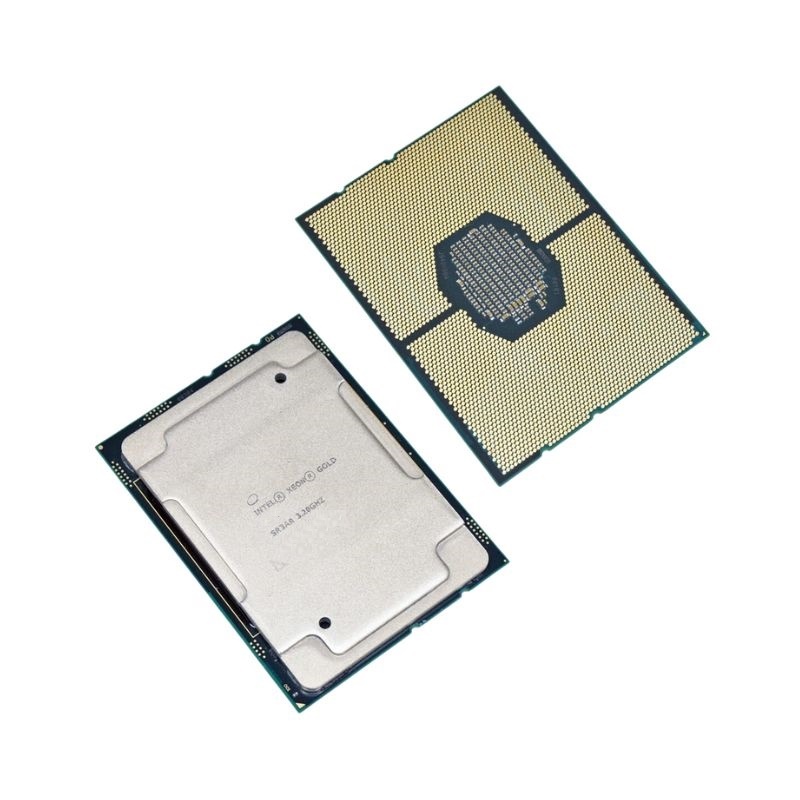


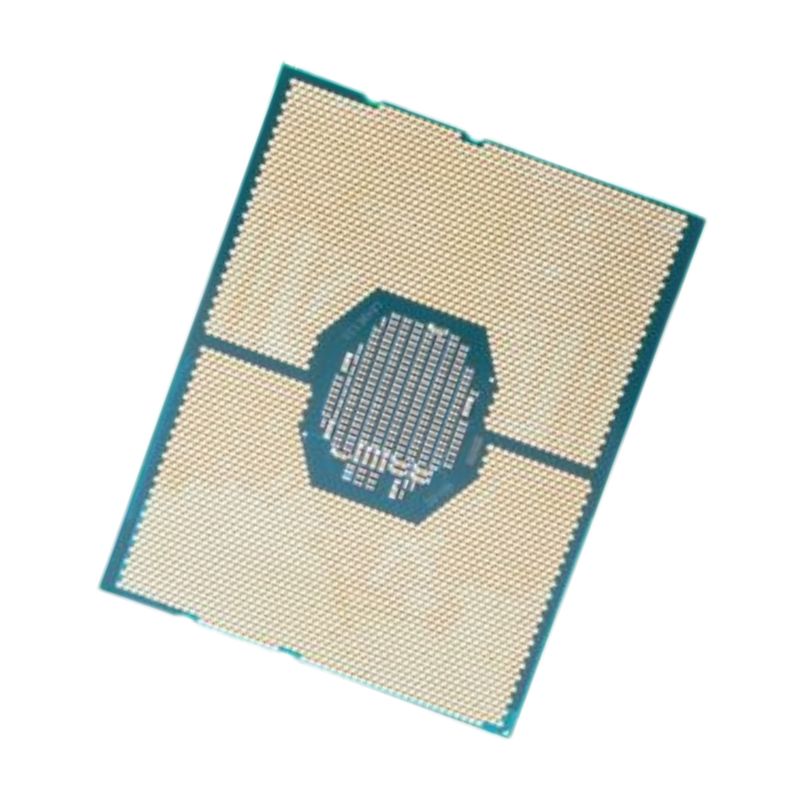
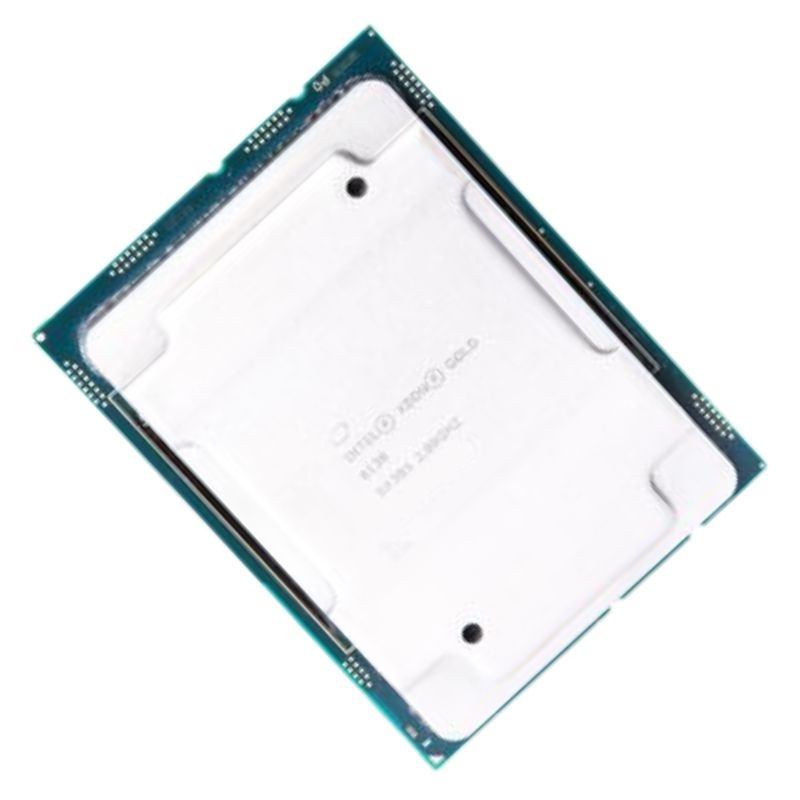
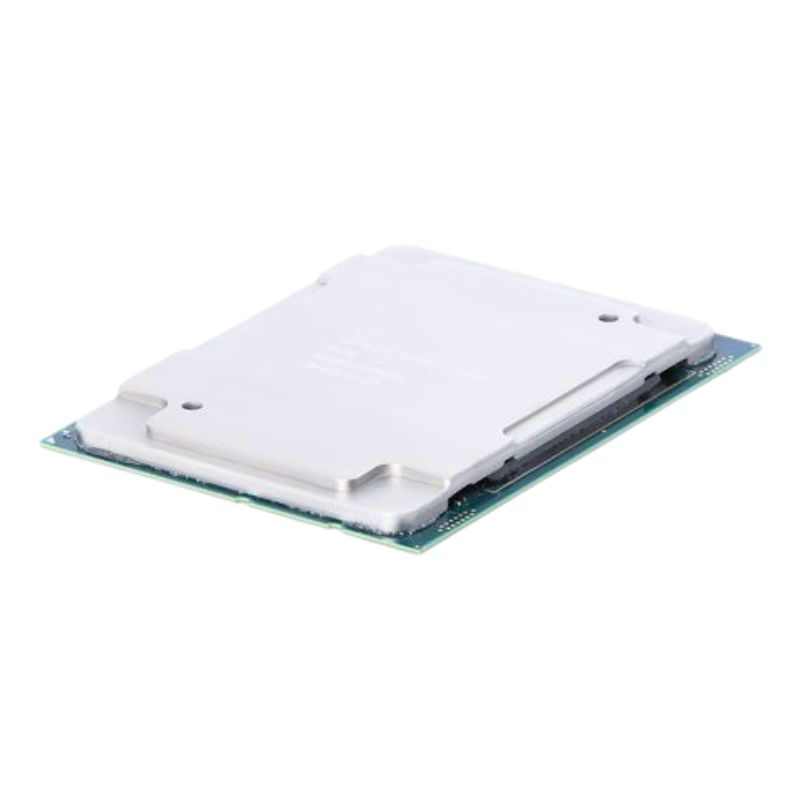
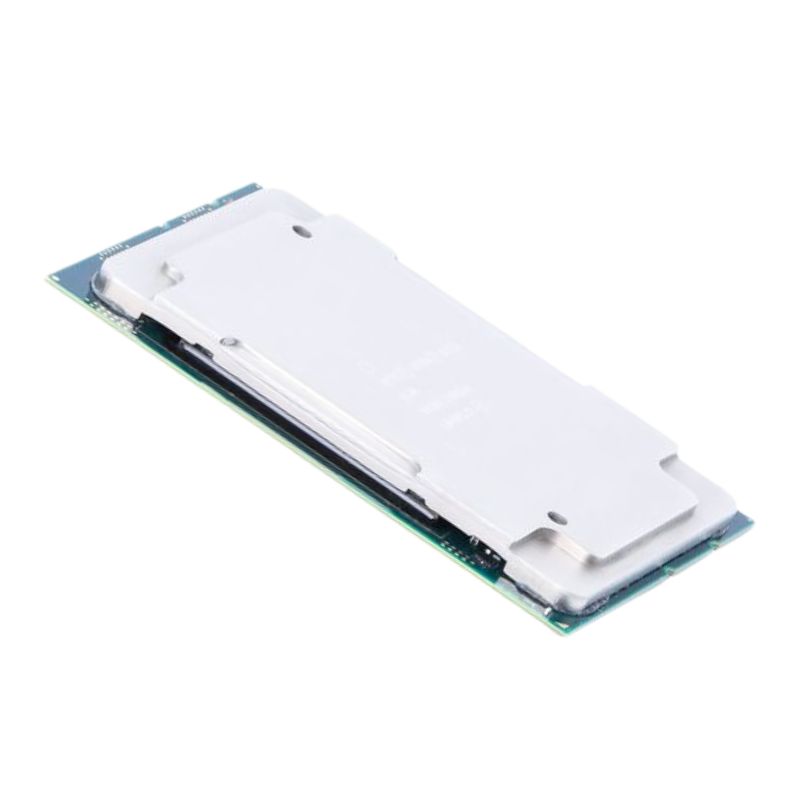
HPE 874735-001 Intel ProLiant XL1X0R Xeon-Gold 6138 2.0 GHz 20-core 125W Processor Kit. New (System) Pull with 1 year replacement warranty
The 874735-001 HPE Intel Xeon Gold 6138 processor is designed to deliver top-tier server performance, offering 20 cores and 40 threads for intensive multitasking. This enterprise-grade CPU is a perfect match for mission-critical workloads, ensuring reliable computing power for demanding environments.
Processor Highlights
This processor kit supports a wide range of HPE ProLiant systems, ensuring seamless integration with your IT infrastructure:
The HPE 874735-001 Intel ProLiant XL1X0R Xeon-Gold 6138 2.0 GHz 20-core 125W Processor Kit category covers high-density enterprise-grade CPUs and processor kits designed for modern HPE ProLiant XL servers. This category description focuses on technical capability, deployment scenarios, compatibility considerations, performance characteristics, thermal and power management, upgrade strategies, and procurement guidance. The language below is tailored for search engines and for technical buyers who need clear, actionable detail to evaluate processor-level upgrades or replacements for data center and high-performance computing (HPC) environments.
When optimizing for discovery and buyer intent, this category emphasizes several search-relevant attributes: HPE 874735-001, Intel ProLiant XL1X0R, Xeon-Gold 6138, 2.0 GHz, 20-core, 125W, processor kit, server upgrade, datacenter, and virtualization. These keywords map directly to the product’s identity and to the buyer tasks it supports — upgrading compute density, boosting multi-threaded throughput, and enabling large VM host consolidation.
The 20-core count at a 2.0 GHz base frequency positions this processor kit as a mid-to-upper tier compute option for modern server workloads. High core counts favor parallel workloads such as virtualization, container orchestration, microservices, and large scale analytics where thread concurrency maps directly to throughput. The base clock of 2.0 GHz provides steady single-thread performance for latency-sensitive tasks while leaving thermal headroom for occasional turbo frequencies under short bursts.
A 125W TDP describes the expected steady-state thermal output under typical maximum load. For rack and blade deployments, this number is essential for rack cooling design, airflow planning, and power provisioning. Systems built for 1U or dense multi-socket configurations should pay particular attention to this figure to maintain reliability and to optimize fan curves and inlet temperatures.
The 874735-001 processor kit is intended for the ProLiant XL1X0R product family and is sold as an HPE-branded kit with parts and verification for those chassis. Compatibility with specific motherboard revisions, BIOS/firmware levels, and multi-processor interconnects is a critical purchasing criterion. Buyers should confirm firmware revision and HPE platform support matrices prior to procurement to ensure out-of-the-box functionality and to avoid unnecessary returns or downtime.
Multi-tenant virtualization platforms (VMware ESXi, Microsoft Hyper-V, KVM) benefit from higher core counts and large cache sizes. The 20 cores per socket are well suited for hosts requiring many virtual CPUs (vCPUs) per host — reducing the need for multiple physical servers and lowering management overhead. For consolidation projects, network and storage I/O should be balanced alongside CPU planning; pairing this CPU with high-performance NVMe or SAN storage and 10/25/40GbE networking maximizes aggregate VM performance.
Databases that support parallel query execution and sharding gain from this chip’s throughput. Analytical engines that can scale across cores (in-memory analytics, columnar stores, distributed ETL) show improved job completion times when core counts increase. For OLTP workloads, be mindful that per-thread latency and single-thread performance still matter — optimize queries and indexes accordingly.
CPU-bound HPC tasks such as scientific modeling, simulation, and certain machine learning training loops can use multiple cores effectively if algorithms and stacks are thread-aware. In cases where single-thread performance dominates, consider hybrid configurations combining higher clocked processors for front-end tasks and the 20-core nodes for parallel compute.
Use this quick checklist before adding items from this category to cart or procurement documents. Each item is essential to ensure the CPU kit is fully compatible with the target HPE ProLiant XL chassis and to avoid deployment issues:
Memory channel population determines achievable memory bandwidth per socket. For heavy memory bandwidth workloads, populate DIMM slots according to HPE’s recommended patterns to avoid NUMA imbalances. NUMA-aware scheduling at the OS and hypervisor level is a must to preserve memory locality and to prevent cross-socket penalties that can erode the performance gains of a 20-core processor.
Always follow standard data center ESD protocols during handling: grounding straps, antistatic mats, and controlled environment. Processors and kit components should be stored and handled in anti-static packaging until installation.
Apply the manufacturer-recommended thermal interface material according to HPE procedures. Ensure heatsink retention mechanisms are engaged and torque-spec’d fasteners are used where applicable. Improper TIM application or loose heatsinks can cause thermal throttling and reduce performance or longevity.
Firmware and microcode updates may be required for full feature enablement, performance optimizations, or security mitigations. Coordinate firmware updates during maintenance windows and validate each stage with hardware compatibility lists (HCLs) and HPE published advisories.
Recommended cooling approaches for this category include optimized hot-aisle/cold-aisle containment, measured intake temperatures, and properly sized CRAC units. For dense deployments, consider variable speed fan policies and inlet temperature sensors for adaptive cooling strategies that balance acoustics and energy efficiency.
The 125W TDP per socket is a meaningful input into rack power calculations. When scaling across many nodes, account for peak power draw, PDU headroom, and UPS runtime. Modern data centers benefit from dynamic power capping during non-peak periods to preserve battery life and to avoid unplanned tripping of breakers.
874735-001 processor kits and HPE platforms include firmware mitigations and security features that respond to evolving threat landscapes. Buyers should integrate security patching into their maintenance schedules and review HPE security bulletins for updates specific to processor microcode and platform firmware.
Enterprise platforms commonly include secure boot, measured boot, and hardware-backed cryptographic features. Ensure that your system integrator or service team validates the secure configuration and documents firmware baselines for future audits and incident response.
Choosing a processor kit from this category is an investment in compute consolidation and operational efficiency. Higher core counts can reduce the number of physical servers required to meet performance targets — lowering licensing, management, and energy costs. When modeling total cost of ownership (TCO), include acquisition cost, expected lifespan, power consumption, cooling overhead, and maintenance windows. Longevity and warranty support from HPE further factor into the ROI calculation.
For some software licenses that charge per core or per socket, the CPU selection will directly affect software cost. Engage with application vendors to understand how a 20-core socket will change licensing costs and whether license mobility or tiered pricing offers opportunities for savings.
When ordering, use the HPE part number (for example, to ensure you receive the correct processor kit variant. Kits may include the processor, heat spreader/heat sink, mounting hardware, and thermal interface materials. Confirm the exact list of included components with your reseller to avoid missing pieces during on-site swaps.
In HCI clusters, the 20-core sockets enable dense compute nodes that host storage and VM workloads concurrently. Pairing these processors with fast NVMe storage, adequate memory, and high-speed networking delivers balanced HCI nodes suitable for VDI, cloud-native applications, and multi-tenant hosting.
For private cloud deployments, these CPU kits are often used in compute pools where capacity is scale-out rather than single-thread optimized. The key is to align instance types or flavors to CPU capability so that critical single-thread services remain protected on either higher clocked nodes or performance-reserved hosts.
To maximize discoverability, structure the category page around buyer needs and include schema-friendly markup where possible. Use clear product titles, HPE part numbers, and long-tail keyword phrases such as “HPE 874735-001 Xeon-Gold 6138 replacement” or “Intel ProLiant XL1X0R processor upgrade kit.” Keep meta descriptions concise but targeted, and use alt text for any accompanying diagrams that includes relevant terms. Internal linking to related categories (memory kits, heatsinks, HPE ProLiant servers) helps pass authority and improves crawlability.
For customers exploring this processor category, cross-sell and up-sell opportunities include memory kits (HPE validated DIMMs), enterprise NVMe drives, server cooling kits, redundant power supplies, and HPE support contracts. Pointing buyers to bundle options — CPU + heatsink + firmware update service — reduces friction during procurement.
Confirm correct seating, torque of retention hardware, and that the heatsink is properly installed. Revert to the prior CPU to verify board health if necessary and update BIOS if the current version lacks support for the new microcode.
Validate memory population rules and run memory diagnostics to rule out faulty DIMMs. Monitor microcode and firmware updates for stability patches and examine event logs for hardware errors or corrected machine check exceptions (MCEs).
Modern procurement teams should incorporate sustainability and lifecycle impact into their decision. Longer-lasting, serviceable components reduce e-waste and support predictable refresh cycles. HPE’s parts and service ecosystem facilitates field replaceability, spare part management, and certified refurbish options for secure disposal or redeployment.
Track HPE’s product lifecycle announcements to plan migrations and renewals. Consider the operational impact of moving to newer platforms and weigh the up-front cost against the long-term benefit of improved energy efficiency and performance per watt.
Use these short focused snippets across product tiles, meta descriptions, and promotional banners:
This processor kit supports scale-out strategies and provides a predictable performance envelope for 2–4 year refresh cycles in many enterprise environments. When planning for future workloads, align CPU selection with memory capacity, I/O expansion, and network fabric upgrades to avoid bottlenecks that negate CPU gains.
Keep HPE Quick Specs, ProLiant server integration guides, and firmware change logs at hand during procurement and installation. Clear documentation streamlines validation, speeds troubleshooting, and is invaluable during audits or compliance reviews.
The 874735-001 Measure page performance through organic query analytics and adjust on-page copy to match emerging buyer queries. Add buyer testimonials, verified benchmarks, and case studies to the category page to build trust and improve conversion for technical procurement audiences.


 Contact Us
 Information
 Catalog
 Solid State Drives (SSD)
 Network Switches
 Hard Disk Drives
 HBA & Controllers
 PC & Servers
 PC & Server Memory
 CPU & Processors
 Network Routers
 Power Supplies
 Tape Drives & Libraries
 Network Devices
 Computer & Network Cables