(7% discount is applied at checkout)
Cart is empty
Your go-to destination for cutting-edge server products
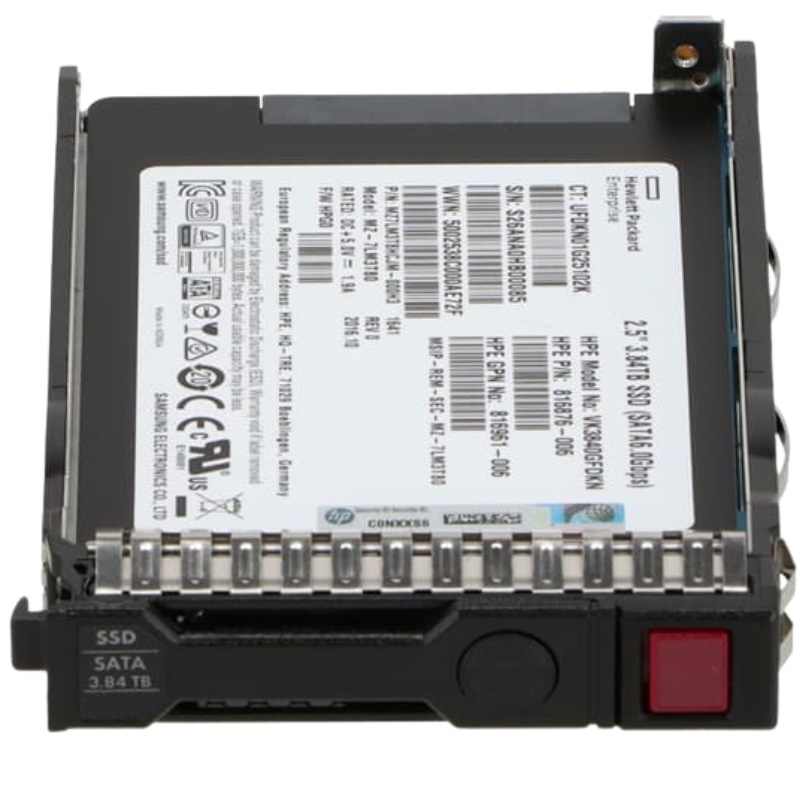


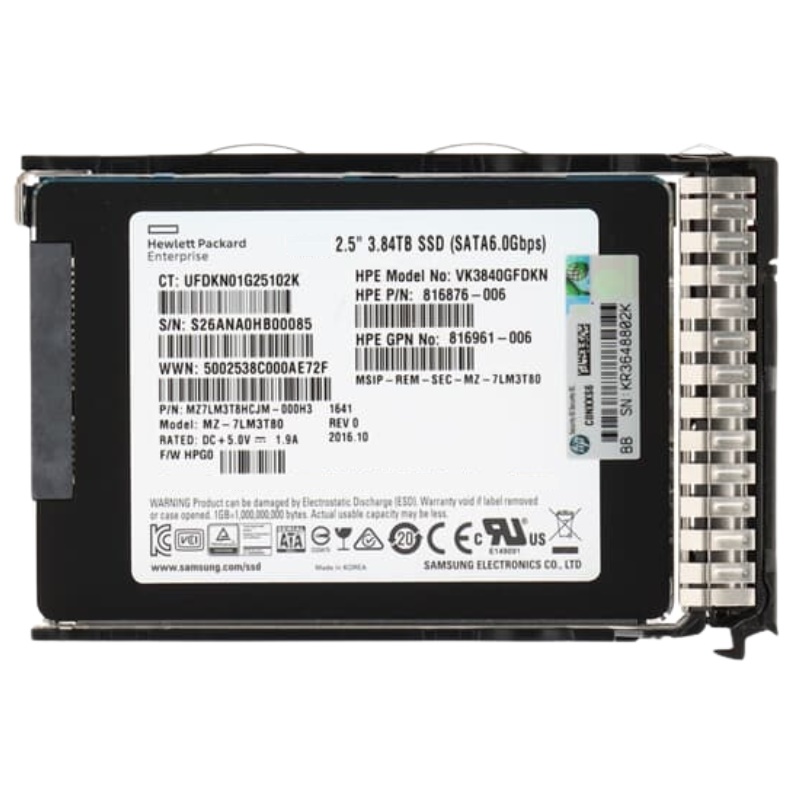
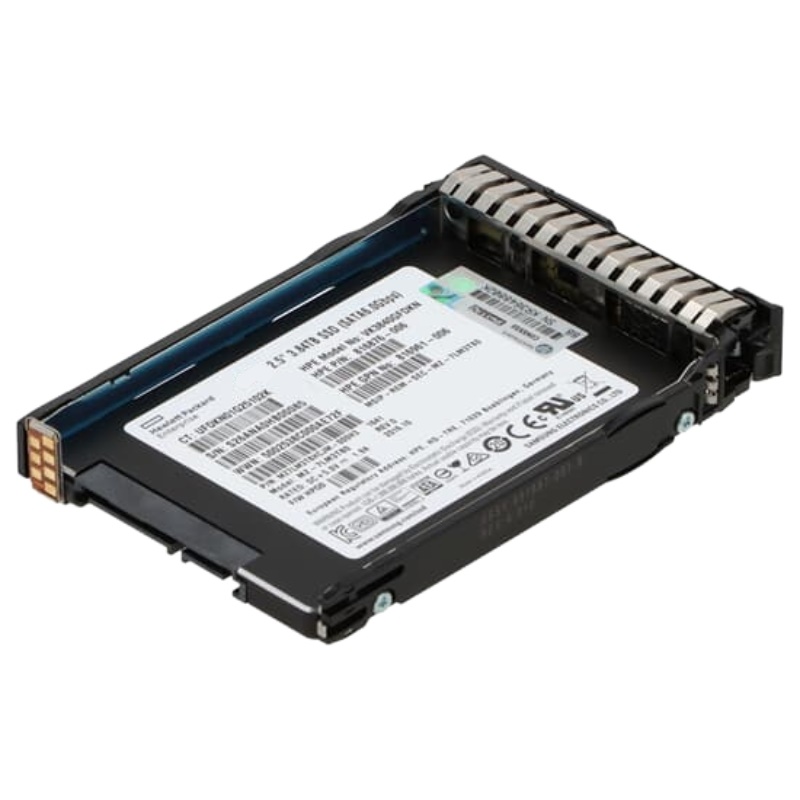
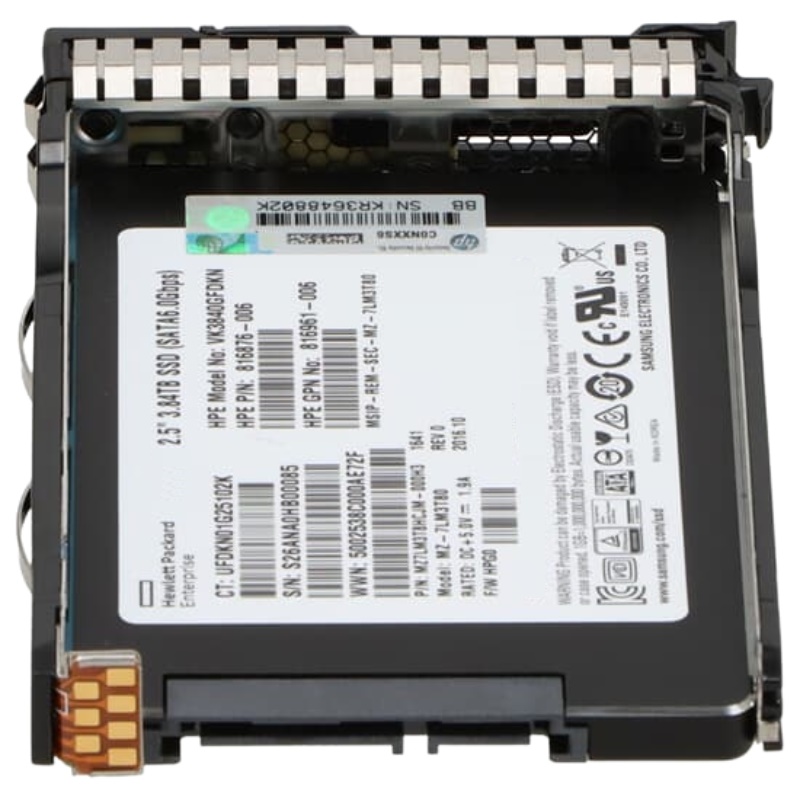
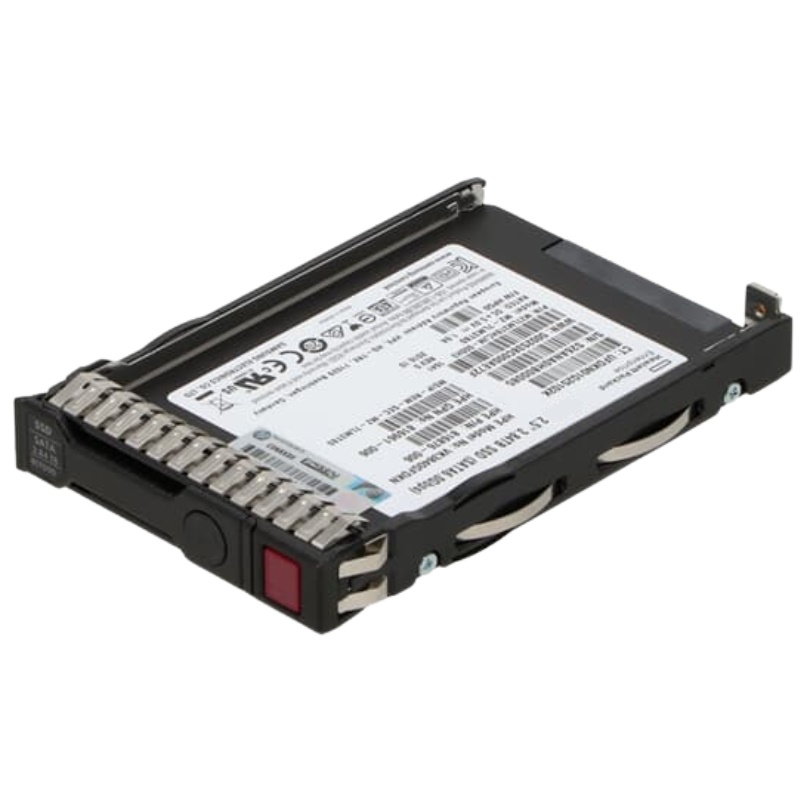
HPE 875355-001 3.84TB SATA-6GBPS Read Intensive SFF RW PM883 Solid State Drive. Excellent Refurbished with 1 Year Replacement Warranty
The HPE 875355-001 3.84TB SATA-6GBPS Read Intensive SFF RW PM883 Solid State Drive category targets enterprise and datacenter buyers looking for a high-capacity, reliable, read-optimized 2.5" (SFF) SATA storage option. This category covers the specific HPE-branded SKU and compatible equivalents based on the PM883 platform: 3.84TB nominal capacity, a SATA 6.0 Gb/s interface, read-intensive workload tuning, and an SFF (small form factor) 2.5" RW (read/write) designation. The content below expands on technical details, workload suitability, deployment best practices, procurement considerations, and real-world operational guidance — all written to help buyers, system administrators, and resellers make informed decisions and optimize value from these drives.
Although SATA III is an older interconnect compared with NVMe over PCIe, modern enterprise SATA SSDs deliver substantial improvements over spinning media. Performance considerations for drives in this category focus on read throughput, consistent IOPS under read-heavy loads, and predictable latency behavior. Expect markedly improved random read IOPS compared to 10K/15K HDDs and greatly reduced seek/time-to-first-byte. For many read-dominant applications — content delivery, large media libraries, analytics queries that perform many read operations, and caching tiers — these SATA SSDs provide large capacity with reliable read performance.
Reliability is a core consideration for enterprise SSD purchases. Drives in this category are designed with enterprise-grade controllers and firmware to handle server-class workloads. While read-intensive drives may have endurance targets tailored toward read-heavy usage patterns, they still include mechanisms to protect data integrity, ensure error correction, and provide operational telemetry for proactive maintenance.
Endurance for read-optimized drives is typically provisioned differently from write-heavy models. This means write endurance (measured in TBW or DWPD in some product literature) may be lower than write-optimized SSDs. For most read-centric deployments — web caches, media libraries, cold but frequently accessed data — endurance is sufficient. For write-heavy logging, analytics ingestion, or intensive virtualization workloads, plan RAID design and write distribution carefully, or consider a drive class targeted for mixed or write workloads.
Leverage SMART data, vendor-provided management tools, and server monitoring frameworks to track drive health indicators (bad block counts, remaining spare capacity, read/write error rates, power cycle counts, and media health). A proactive replacement policy based on telemetry will help avoid unplanned downtime while maximizing usable life.
Enterprise SATA SSDs typically include features that support data integrity and security: internal error correction (ECC), background media management, and firmware routines for wear leveling and bad block management. Depending on model and firmware, drives may support hardware-based encryption and power-loss protection features that flush volatile caches to non-volatile storage in the event of sudden power loss. When encryption is critical, confirm device support for industry-standard encryption options and compatibility with your storage management stack.
The HPE 3.84TB read-intensive SATA SSD category excels in a set of predictable enterprise use cases. Below are specific workload categories and the reasons the drives are a smart fit.
These 2.5" SATA drives are mechanically compatible with standard SFF bays, HPE caddies, and most enterprise servers that accept 2.5" SATA drives. However, compatibility is more than physical fit: confirm controller support, firmware compatibility, and BIOS or OS driver support before large-scale deployment.
Although SATA SSDs are mature and widely compatible, modern architectures now commonly use a mix of SATA, SAS, and NVMe storage to optimize cost, capacity, and performance. Below are concise comparison points to help choose between the HPE 3.84TB SATA category and other storage options.
NVMe delivers superior latency, parallelism, and raw throughput due to PCIe connectivity. If your application requires ultra-low latency, very high IOPS, or the fastest possible write performance, NVMe is preferable. However, SATA 3.84TB drives still provide much greater capacity per slot at a lower price point and remain the best fit for read-dominant, capacity-driven workloads that do not require NVMe-level performance.
SAS drives (especially enterprise SAS SSDs) can offer higher reliability and additional enterprise features in multi-path configurations. SATA provides simpler, cost-effective capacity scaling. When designing a storage tier, consider SATA for high-density read tiers and SAS or NVMe for higher performance or multi-path enterprise clusters.


 Contact Us
 Information
 Catalog
 Solid State Drives (SSD)
 Network Switches
 Hard Disk Drives
 HBA & Controllers
 PC & Servers
 PC & Server Memory
 CPU & Processors
 Network Routers
 Power Supplies
 Tape Drives & Libraries
 Network Devices
 Computer & Network Cables