(7% discount is applied at checkout)
Cart is empty
Your go-to destination for cutting-edge server products
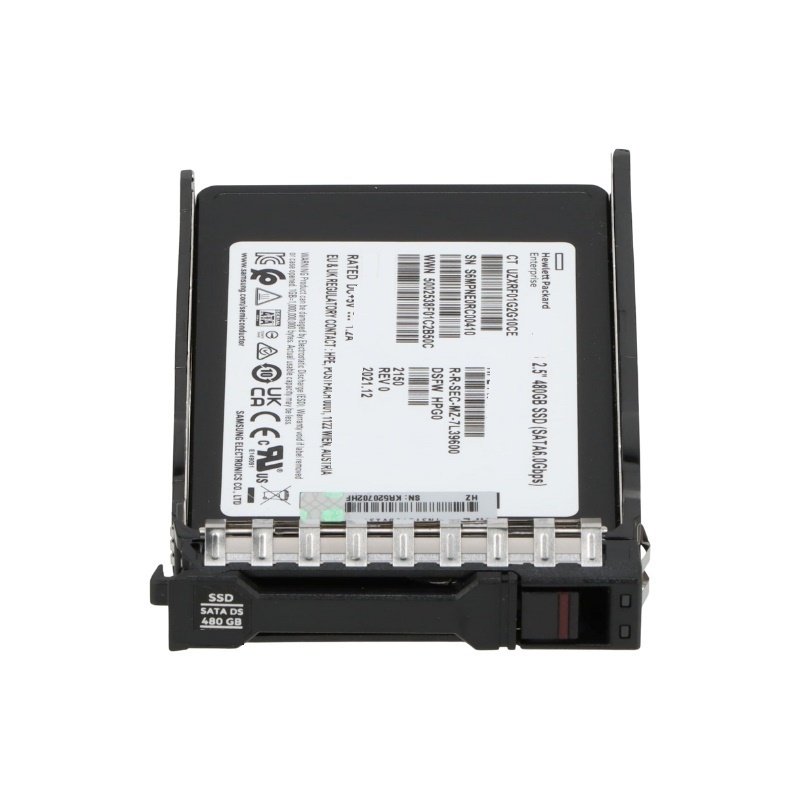


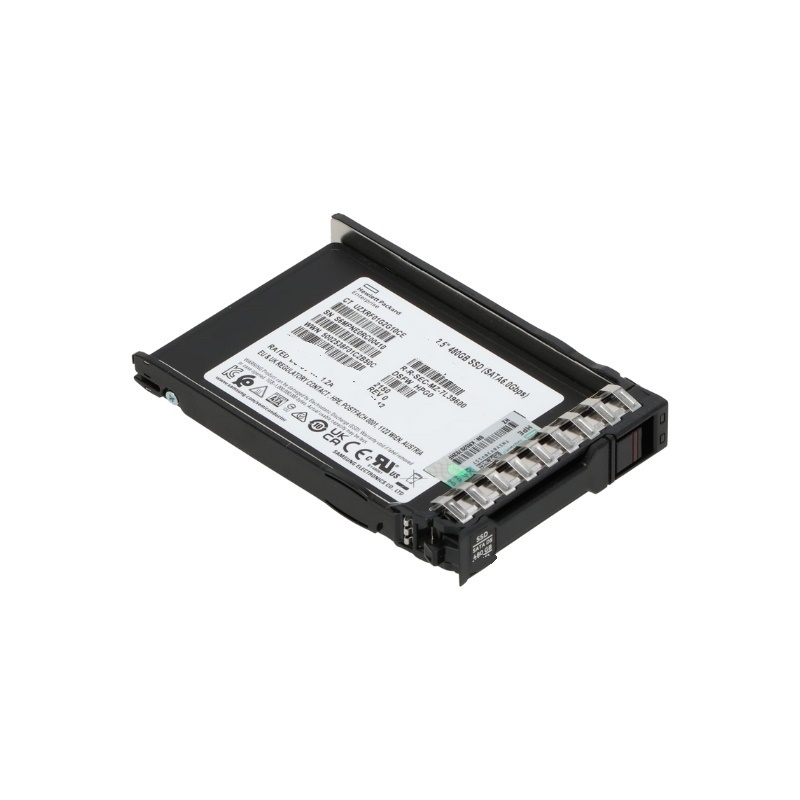
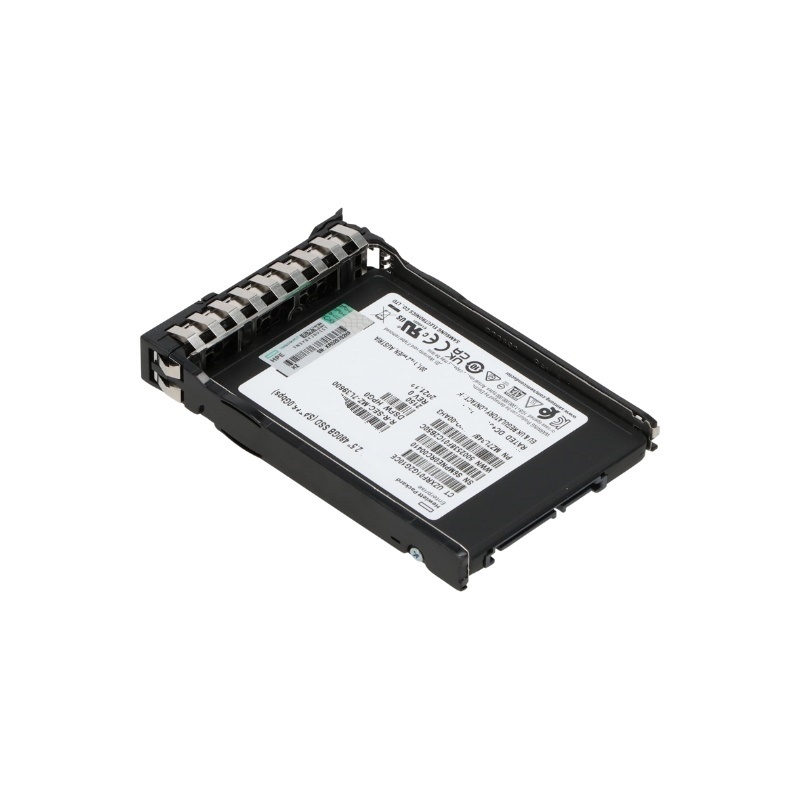
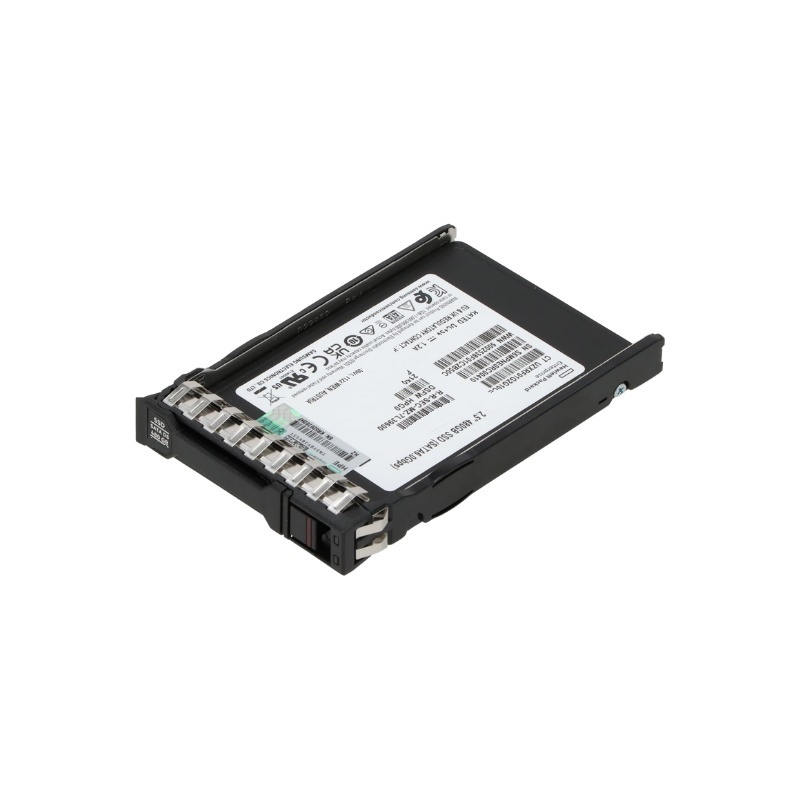
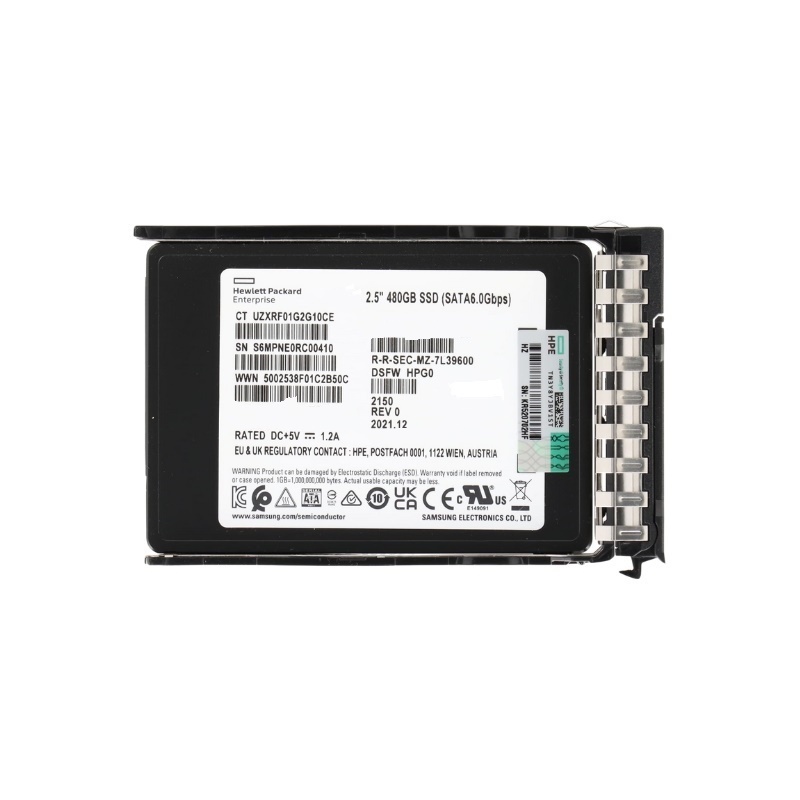
HPE 875470-B21 480GB SATA-6GBPS Hot-Swap SC TLC Solid State Drive. Excellent Refurbished with 1 year replacement warranty
The HPE 875470-B21 480GB 2.5in DS SATA-6GBPS SC Mixed-Use Server SSD sits at the intersection of enterprise reliability and balanced performance for mixed workload environments. Designed for data center servers and storage arrays where predictable latency, steady throughput, and endurance matter, this SSD is positioned as a versatile storage component for virtualization, database caching, tiered storage, and general purpose server acceleration. The product name itself — HPE 875470-B21 — is a precise SKU that signals OEM-tested compatibility with HPE ProLiant systems and HPE storage solutions, while the 480GB capacity and 2.5-inch form factor balance density and performance for rack and blade deployments. The SATA-6Gbps interface ensures broad platform compatibility and straightforward integration into existing SATA backplanes and controllers, making this a pragmatic choice for IT teams migrating from HDDs to solid state or expanding a mixed-storage architecture.
The Mixed-Use designation of this SSD clarifies its intended workload profile: it is optimized for a blend of read- and write-intensive tasks rather than purely read-heavy or write-heavy extremes. In real-world data centers, applications like OLTP databases, mail servers, application servers, virtual desktop infrastructure (VDI) pools, and mixed-tier caching layers generate a mix of random and sequential I/O. The HPE 875470-B21 is tuned to maintain consistent IOPS and strong quality of service across these varying patterns. In virtualized environments where density and consistent responsiveness per virtual machine are critical, deploying mixed-use SSDs reduces noisy-neighbor effects and improves consolidation ratios without incurring the higher cost of write-optimized enterprise drives. In cache or metadata layers of storage arrays, the drive delivers low latency that benefits metadata-heavy operations and accelerates small-block random reads and writes, improving end-user responsiveness and transactional throughput.
The 2.5-inch 7mm/15mm class form factor of this HPE SSD fits modern server hot-swap bays and dense storage sleds, enabling higher drive counts per server chassis compared with 3.5-inch options. The SATA-6Gbps (SATA III) interface, while not as fast as NVMe PCIe, remains ubiquitous in server platforms and is exceptionally cost-effective for capacities like 480GB. For environments that prioritize wide compatibility and incremental upgrades from HDD or older SATA SSD fleets, choosing a SATA-6Gbps drive reduces integration friction: existing RAID controllers, backplanes, and management tools continue to function without firmware or hardware redesigns. The single-controller design typical of SATA devices also simplifies replaceability and troubleshooting in the field, shortening mean time to repair and lowering operational downtime risk.
Performance for mixed-use enterprise SSDs is evaluated across several axes: steady-state random IOPS at realistic queue depths, sequential throughput for large-file transfers, write endurance for sustained logging or snapshot-heavy environments, and predictable latency for transactional consistency. The HPE 875470-B21 480GB is engineered to balance these metrics so that sustained mixed I/O does not cause abrupt performance degradation. In practice, administrators can expect substantial improvements over spinning media for random workloads, with latency reductions that materially improve application response times. The drive's internal firmware optimizes wear-leveling, garbage collection, and power-loss protection behaviors in a manner tuned for HPE system integration, delivering consistent performance under common data center operating patterns.
Enterprise deployments demand storage components that can sustain heavy duty cycles. Mixed-use SSDs emphasize durability metrics that support realistic server workloads — periodic snapshots, frequent small writes, and continuous read traffic. HPE-branded SSDs are typically accompanied by firmware and hardware behavior that address thermal management, error correction, and SMART reporting tailored for server platform telemetry. Endurance ratings are measured in drive writes per day (DWPD) or terabytes written (TBW) over a warranty period, and the 480GB capacity class provides a compelling endurance-to-cost ratio for mixed applications. Reliability considerations also include power-loss protection, which helps preserve data integrity in the event of an unexpected power event, and robust error-correction algorithms that maintain data integrity as flash cells age. When deployed in RAID or erasure-coded arrays, the drive's stable behavior under stress contributes to faster rebuild times and less risk of degraded performance during restoration operations.
Compatibility is a major selling point for server-class components. The HPE 875470-B21 is an OEM SKU optimized for HPE servers and storage enclosures, which simplifies procurement and support lifecycle management for organizations already invested in HPE hardware. OEM-validated firmware and compatibility lists ensure predictable behavior with ProLiant Gen-series servers, MSA arrays, and HPE Smart Array controllers. For systems running standard Linux distributions, VMware ESXi, Microsoft Windows Server, or containerized workloads, SATA-6Gbps SSDs function as drop-in upgrades for existing SATA-capable bays. Enterprises should consult HPE's compatibility matrices for specific controller and firmware pairings to achieve the best possible interoperability and support experience. Using validated OEM parts reduces troubleshooting complexity and streamlines firmware updates through vendor-supplied update channels and management suites like HPE iLO and HPE OneView.
When evaluating the HPE 875470-B21 480GB Mixed-Use SSD against alternatives, the key axes are performance, cost per gigabyte, endurance, and ecosystem fit. NVMe PCIe drives deliver higher raw throughput and lower latency than SATA devices and are compelling for latency-sensitive and extremely high IOPS workloads. However, NVMe requires platforms with the appropriate slots or adapters and may carry higher costs per gigabyte. Conversely, consumer SATA SSDs are less expensive but lack the firmware robustness, long-term endurance, and reporting features expected in server environments. For many mixed workloads, SATA-6Gbps enterprise-class drives like the HPE 875470-B21 provide a pragmatic balance: significant latency and IOPS improvements over HDD, broad compatibility and easier lifecycle management than third-party consumer drives, and a cost profile more favorable than high-end NVMe solutions.
Choosing the right class of SSD requires careful workload analysis. Read-intensive drives are optimized for read-heavy caching and content delivery where write operations are minimal, while write-intensive drives are built for log-heavy transactional systems and time-series ingest applications with very high sustained write volumes. Mixed-use drives, including the HPE 875470-B21, are the middle ground intended for typical server workloads characterized by a mixture of reads and writes. Organizations that host general-purpose application servers, virtual machines, and medium-traffic databases will often achieve the best cost-performance trade-off with mixed-use SSDs. If an application is demonstrably write-heavy, like a high-frequency trading log stream or certain analytics pipelines, a write-optimized SSD could be a better fit despite higher cost. Conversely, if the workload is purely read-dominant, moving to read-optimized media can extend endurance and reduce procurement expense.


 Contact Us
 Information
 Catalog
 Solid State Drives (SSD)
 Network Switches
 Hard Disk Drives
 HBA & Controllers
 PC & Servers
 PC & Server Memory
 CPU & Processors
 Network Routers
 Power Supplies
 Tape Drives & Libraries
 Network Devices
 Computer & Network Cables