(7% discount is applied at checkout)
Cart is empty
Your go-to destination for cutting-edge server products
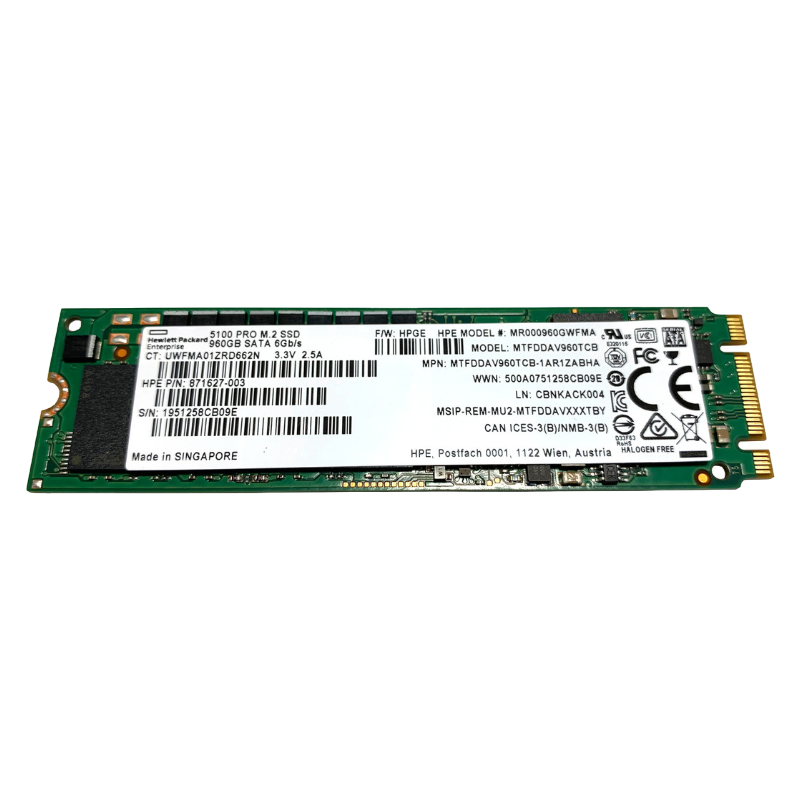


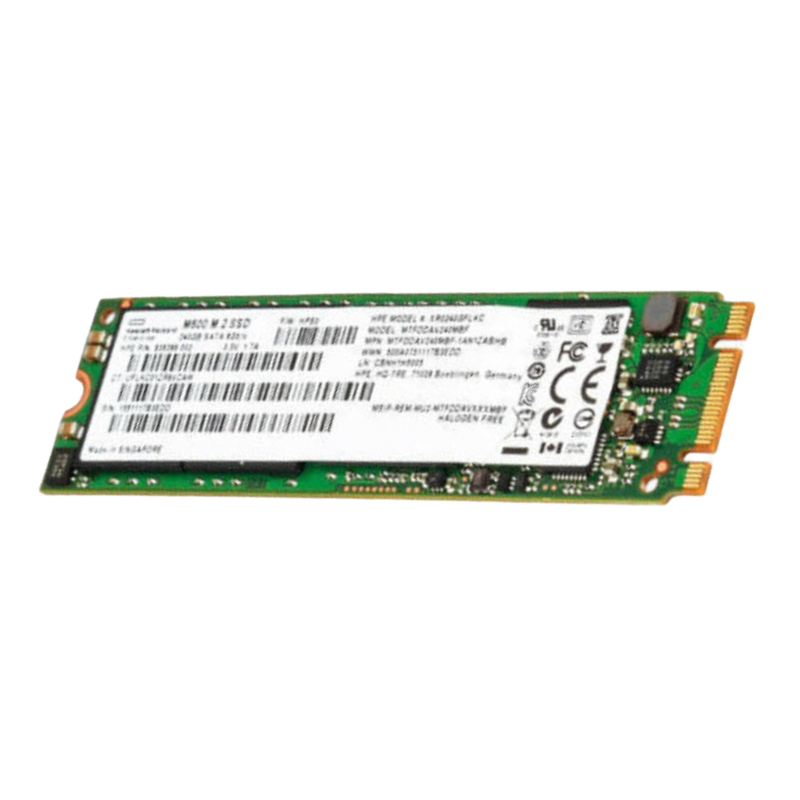
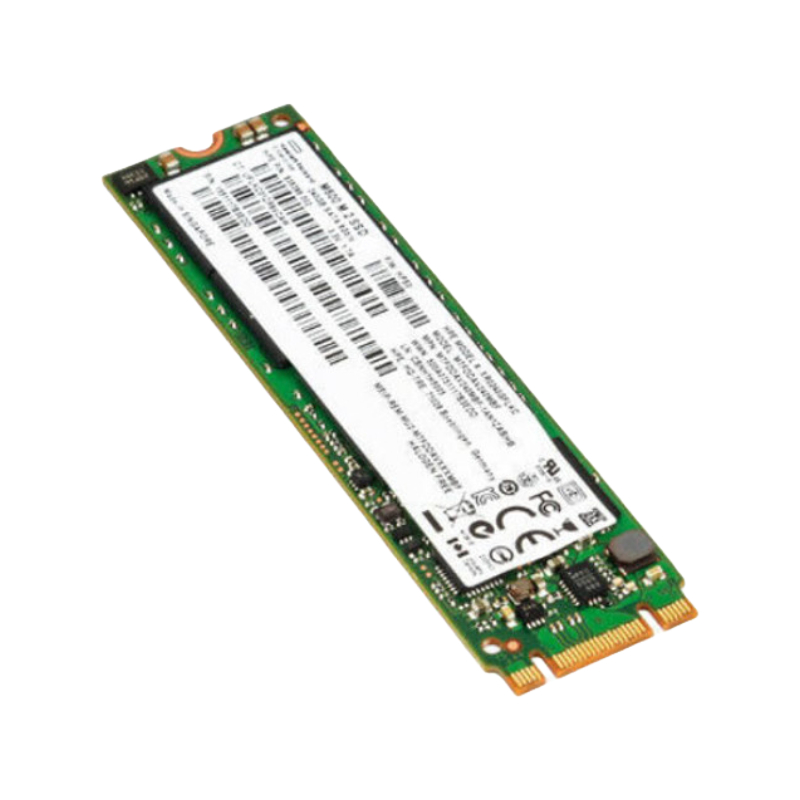
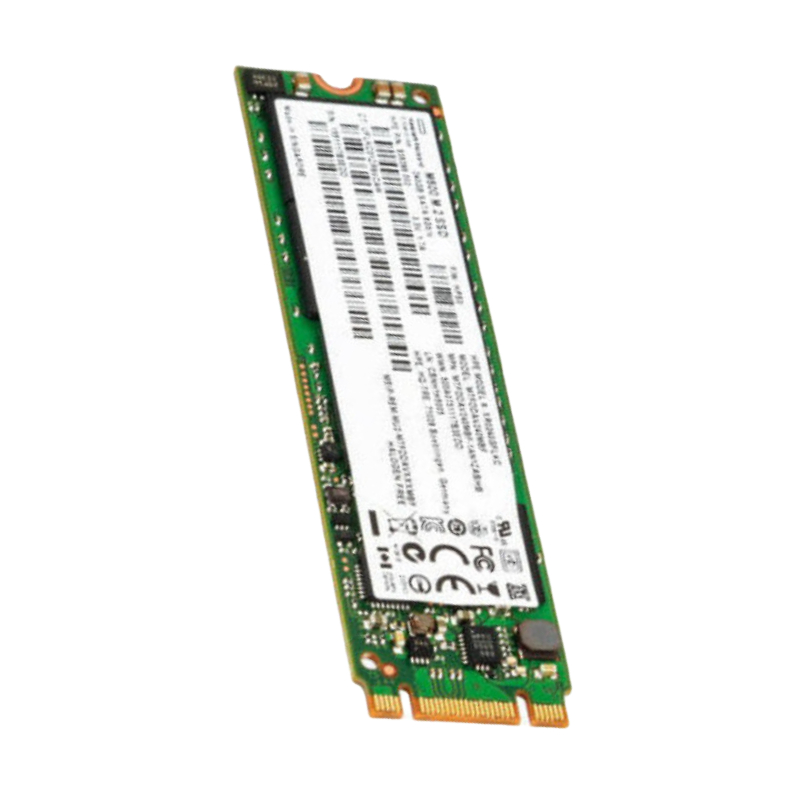
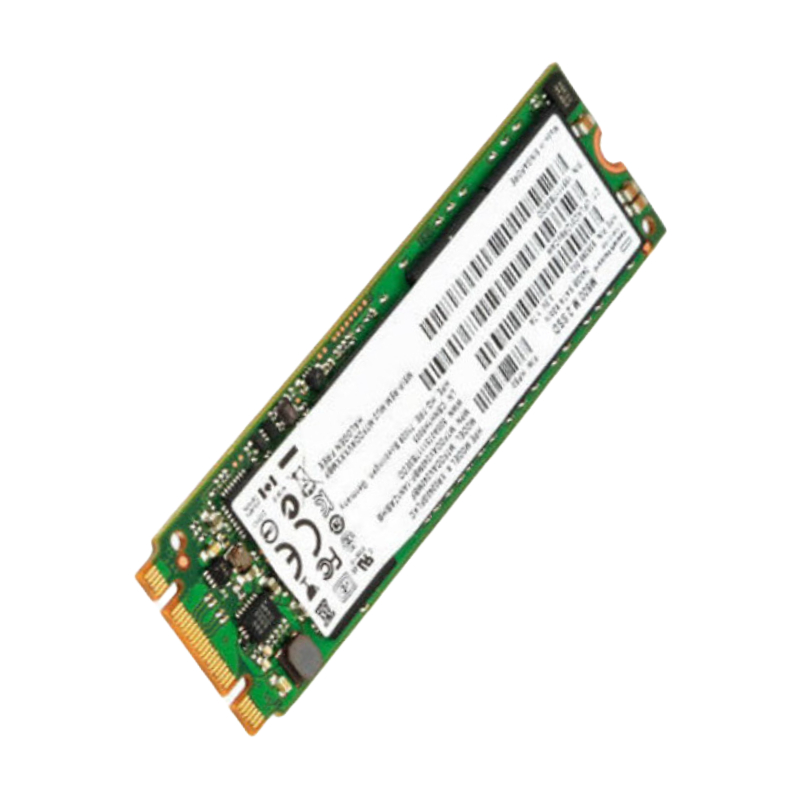
HPE 875496-B21 1.92TB SSD SATA 6GBPS Gen9-10 Read Intensive M.2 2280. New (System) Pull with 1 Year Replacement Warranty
| SKU/MPN | Warranty | Price | Condition | You save |
|---|---|---|---|---|
| 875496-B21 | 1 Year Warranty | $820.00 | New (System) Pull | You save: $287.00 (26%) |
| 875496-B21 | 1 Year Warranty | $788.00 | Excellent Refurbished | You save: $275.80 (26%) |
The HPE 875496-B21 1.92TB SATA-6GBPS M.2 2280 Read Intensive Solid State Drive is engineered specifically to meet the demanding storage requirements of blade server deployments. Built on an M.2 2280 form factor and leveraging a SATA III 6Gbps interface, this HPE SSD delivers a balance of capacity, reliability, and firmware security tailored for read-dominant enterprise workloads. The 1.92TB capacity positions this drive in the sweet spot for large read caches, boot volumes, virtual machine images, data marts, and other scenarios where read performance and predictable latency are prioritized over the heavier write endurance characteristics of write-intensive drives. The digitally signed firmware provides an additional layer of trust and verifiability, aligning the drive with HPE’s overall platform security posture and making it suitable for environments with strict firmware integrity requirements.
The M.2 2280 form factor used in HPE 875496-B21 is compact and optimized for the tight physical constraints inside ProLiant blade enclosures. This long, narrow module design allows system architects to fit multiple storage devices where 2.5-inch drives are impractical, preserving blade density and enabling more efficient server designs. The SATA-6GBPS interface ensures broad compatibility with existing HPE ProLiant controller ecosystems, making retrofits and upgrades straightforward in systems that support M.2 SATA devices. When planning deployments, consider the drive's physical mounting and carrier requirements in the blade chassis, as M.2 slots and adapter solutions vary across HPE blade.
Read-intensive SSDs like the HPE 875496-B21 are tuned to excel when the workload pattern is dominated by read operations. This optimization manifests in firmware strategies, over-provisioning levels, and the selection of NAND flash types that emphasize lower read latency, high sustained read throughput, and superior random read IOPS under sustained loads. Typical use cases include file serving, content delivery, virtualization boot storms where many concurrent reads occur, database index access patterns with frequent lookup reads, and caching layers for hot datasets. The drive’s architecture minimizes read amplification and prioritizes performance stability under extended read-heavy operation, reducing the performance decay that sometimes affects mixed-use consumer SSDs under continuous enterprise conditions.
The 1.92TB density available within the M.2 2280 form factor enables consolidation of more capacity into each blade server without sacrificing slot density. For environments consolidating virtual machines or container images, a single 1.92TB HPE 875496-B21 can host many operating system images or serve as a local cache for distributed storage systems. The increased capacity also reduces the need for frequent tiering or aggressive deduplication policies solely to reclaim storage, which simplifies storage stack management and can lower system-level CPU overhead associated with complex inline reduction processes.
Firmware integrity is a critical component of enterprise hardware security. The HPE 875496-B21 includes digitally signed firmware that enforces authenticity checks and prevents unauthorized firmware modifications. Digitally signed firmware reduces the attack surface against low-level firmware tampering and aligns with secure supply chain and device attestation strategies. In large-scale blade deployments where firmware consistency across many drives matters, signed firmware simplifies fleet management by ensuring that only validated firmware images are accepted by the device. This approach improves compliance posture and integrates well with HPE's firmware management tools, enabling system administrators to adopt predictable update processes and to audit firmware status across the infrastructure.
HPE’s secure firmware approach supports coordinated update workflows, allowing administrators to stage updates, validate them in test segments, and roll out at scale with minimal risk. Digitally signed firmware reduces the chance of drive failure or unpredictable behavior due to corrupted or unverified firmware. In environments with regulatory or contractual obligations for system integrity, signed firmware is a compelling attribute that assists in meeting those obligations without introducing operational complexity that might otherwise arise from bespoke validation measures.
Enterprise-class characteristics such as Mean Time Between Failures (MTBF), sustained error rates, and power-loss protection are essential considerations for choosing an SSD for ProLiant blade servers. The HPE 875496-B21 targets read-intensive endurance profiles which balance NAND selection and controller behavior to deliver long service life for predominantly read workloads. While write endurance is less than that of write-optimized enterprise SSDs, the drive still offers robust cycle life for its class due to careful management of wear-leveling, over-provisioning, and error-correction techniques. The firmware implements advanced background operations that maintain drive health metrics and report SMART attributes to management tools, enabling proactive maintenance and replacement planning in large fleets.
Compatibility with a variety of ProLiant blades and corresponding BIOS/firmware versions has been a focus for HPE storage modules. The HPE 875496-B21 is designed to integrate seamlessly with blade platforms that provide M.2 SATA connectivity, ensuring that the drive functions as a native boot device, cache extension, or local data store as the server’s role demands. When deploying across a mixed-generation blade estate, administrators should validate platform support lists and firmware interoperability notes to maximize performance and minimize integration friction. HPE technical resources typically provide compatibility matrices that enumerate supported blade models and recommended controller firmware levels for optimal operation.
Performance of a SATA-based M.2 SSD is influenced by controller design, NAND characteristics, firmware algorithms, queue depth, and the underlying system I/O path. The HPE 875496-B21 prioritizes deterministic read latency and consistent throughput under real-world enterprise patterns. For administrators seeking to tune systems, considerations include aligning over-provisioning settings with workload patterns, ensuring that TRIM/UNMAP commands are properly passed through controller layers, and configuring RAID or software-defined storage layers to take advantage of the drive’s read-centric profile. Proper queue depth management and avoiding controller saturation are practical tuning avenues that preserve low latency and sustain throughput during peak access periods.
When deployed behind HPE RAID controllers or in software RAID configurations, the SSD’s behavior interacts with parity calculations, cache policies, and rebuild/degenerate scenarios. Because the drive is read-intensive by design, using it as a read cache or mirrored boot device often yields better cost-to-performance outcomes than using it in write-heavy parity arrays. Administrators should review controller cache policies and consider enabling read-ahead optimizations or selective caching strategies to leverage the drive’s strengths while preserving endurance.
Environments that can benefit from HPE 875496-B21 drives include virtualization clusters running many small VMs, web application servers with heavy read traffic, CDN edge nodes within private cloud stacks, and database systems with read-heavy index lookups. Architects designing hybrid infrastructures often place these drives at the edge of tiered storage to serve hot sets of data while preserving more expensive NVMe or all-flash arrays for write-critical transactional workloads. For remote or space-constrained sites that rely on blade density to maximize compute per rack, the M.2 2280 format provides an attractive way to add significant local capacity without increasing rack footprint.
Selecting the HPE 875496-B21 1.92TB SATA-6GBPS M.2 2280 SSD is a decision that balances capacity needs, read pattern dominance, platform compatibility, and total cost of ownership. When compared to smaller capacity or consumer-grade alternatives, this enterprise-class drive generally provides superior manageability, firmware security, and support. Against higher-performance NVMe options, the SATA M.2 approach offers a cost-effective method to add sizable read-optimized capacity in blade servers where NVMe lanes or controller support may be limited. A thorough assessment should consider lifecycle costs including firmware maintenance, monitoring infrastructure, predicted replacement schedules, and the value of integration with HPE’s management ecosystem.


 Contact Us
 Information
 Catalog
 Solid State Drives (SSD)
 Network Switches
 Hard Disk Drives
 HBA & Controllers
 PC & Servers
 PC & Server Memory
 CPU & Processors
 Network Routers
 Power Supplies
 Tape Drives & Libraries
 Network Devices
 Computer & Network Cables