(7% discount is applied at checkout)
Cart is empty
Your go-to destination for cutting-edge server products
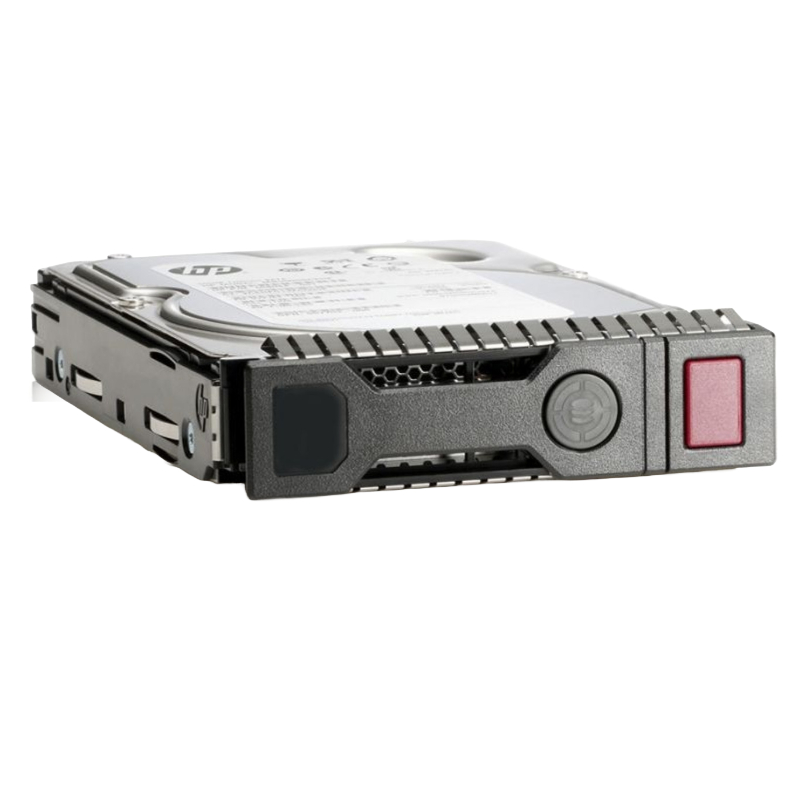


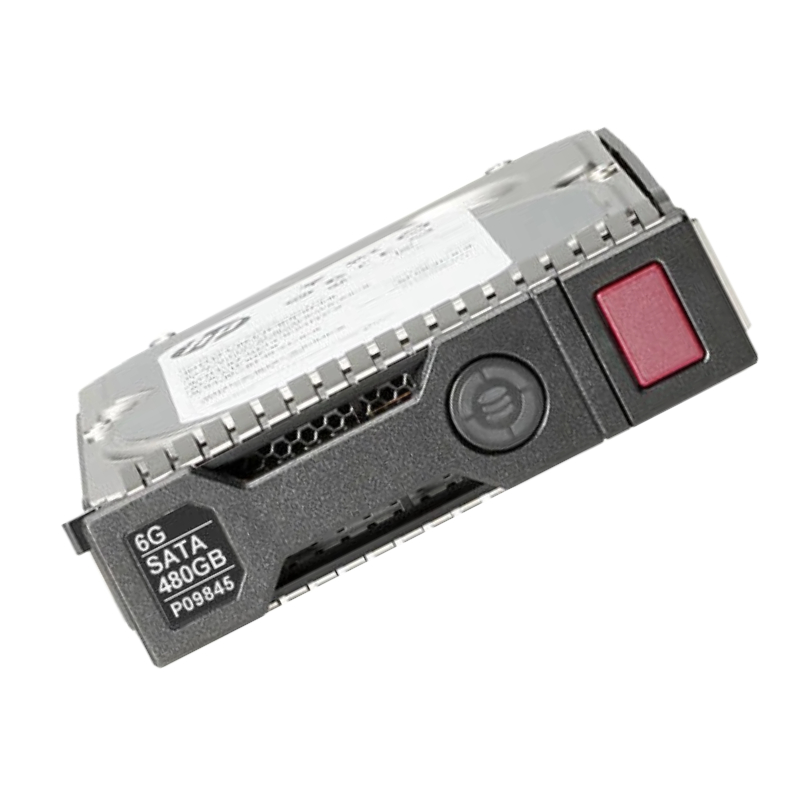
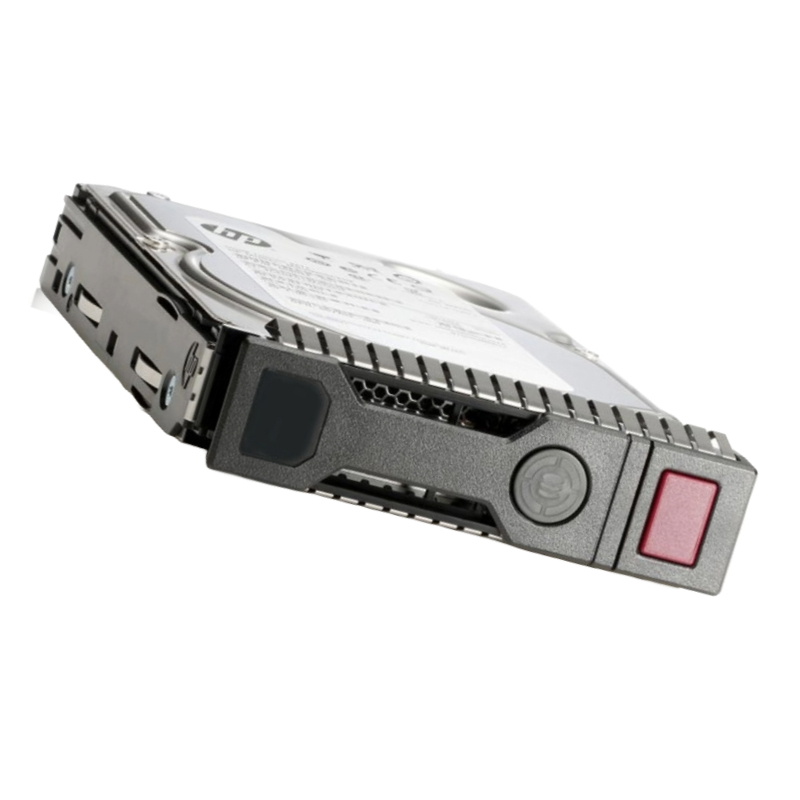
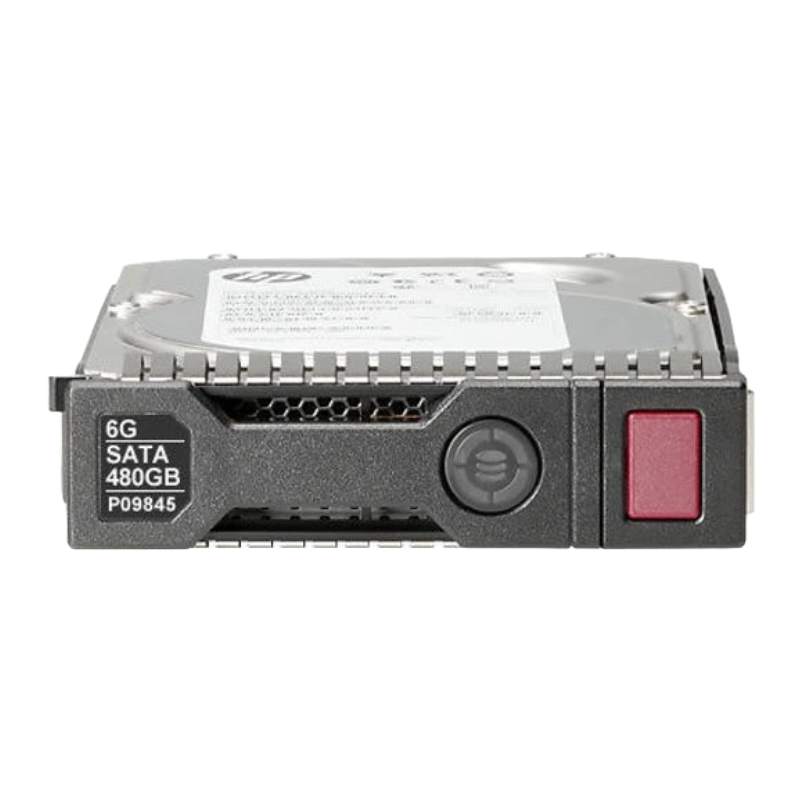
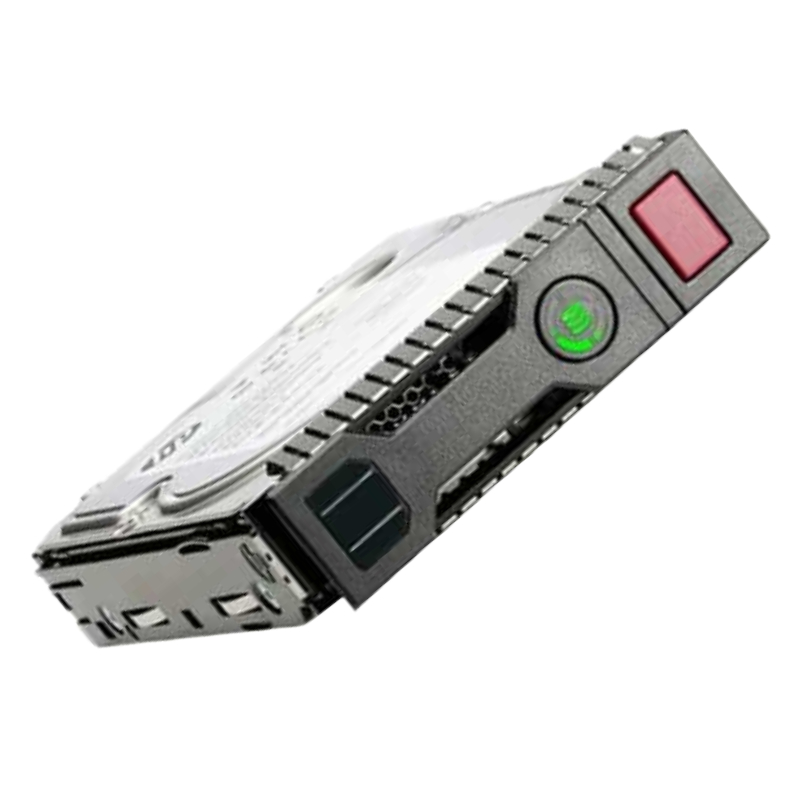
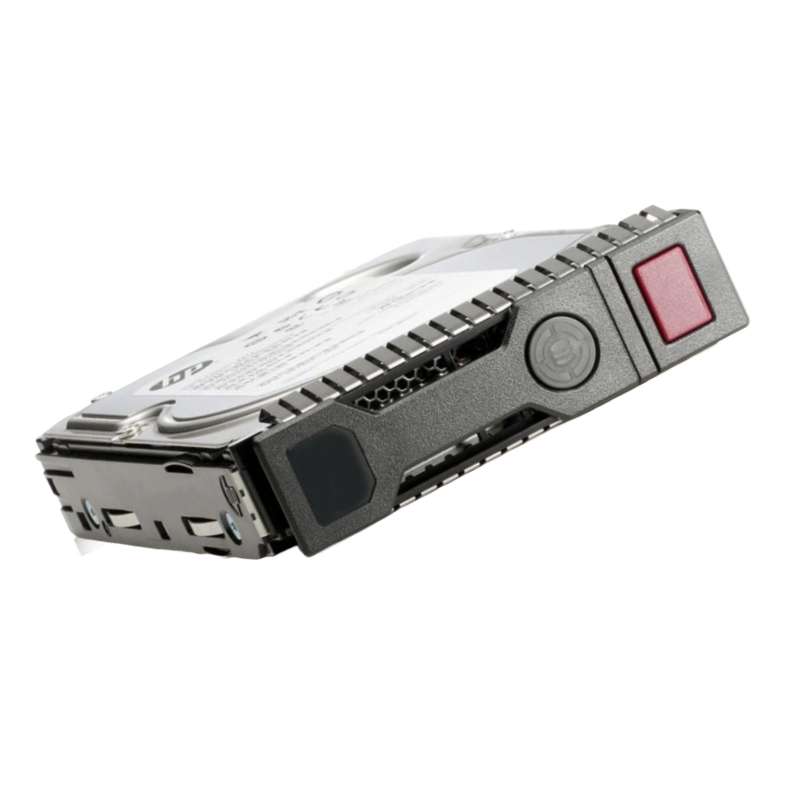
HPE 875509-B21 480GB SATA 6GBPS SC Hot Swap SFF SSD for Server. Excellent Refurbished with 1 Year Replacement Warranty
| SKU/MPN | Warranty | Price | Condition | You save |
|---|---|---|---|---|
| 875509-B21 | 1 Year Warranty | $431.00 | Factory-Sealed New in Original Box (FSB) | You save: $150.85 (26%) |
| 875509-B21 | 1 Year Warranty | $247.00 | Excellent Refurbished | You save: $86.45 (26%) |
The HPE 875509-B21 480GB SATA-6GBPS Read-Intensive SFF Hot-Swap SC SSD with tray for ProLiant Gen9 and Gen10 servers stands as a purpose-built storage solution engineered for enterprise environments that demand dependable read-optimized performance, tight systems integration, and firmware integrity guaranteed through digital signing. As a category, these drives combine HPE-validated hardware with firmware designed specifically for HPE ProLiant servers, reducing compatibility risk while offering a balance of capacity, throughput, and resilience. This product category targets data center administrators, virtualization platforms, web hosting environments, and applications where read-heavy workloads—such as large-scale content delivery, database index serving, and virtual desktop infrastructure (VDI) read cache layers—benefit from sustained low-latency access. The drive’s small form factor (SFF) and hot-swap capability make it ideal for rack-dense server deployments where serviceability and minimal downtime are priorities.
One of the defining strengths of the HPE 875509-B21 480GB SSD category is seamless integration with HPE ProLiant Gen9 and Gen10 server families. HPE engineers validate the drive’s interactions with server firmware, RAID controllers, and management utilities such as HPE iLO and HPE SmartArray. This validation reduces unexpected behaviors during firmware or BIOS updates and ensures health reporting, predictive failure analytics, and lifecycle notifications appear in the server management stack as intended. For administrators, this means simplified procurement, predictable support channels, and the ability to apply storage policies through familiar HPE tools. Unlike generic retail SSDs, these HPE drives arrive with firmware that has been digitally signed, ensuring authenticity and preventing unauthorized firmware changes that could compromise stability or security.
As a read-intensive SATA SSD with a 6Gb/s interface, the 480GB drive is optimized for workloads where read operations dominate. Typical use cases include content caching, read caches for hybrid arrays, virtual machine boot storms, distributed file systems serving many small, frequent reads, and analytics workloads that repeatedly access indexed datasets. Read-intensive SSDs are tuned to provide high read IOPS and consistent response times while offering sufficient write endurance for occasional write bursts and routine background tasks such as garbage collection. The SATA-6GBPS interface provides broad compatibility with existing server backplanes and HBA/RAID cards while delivering a reliable throughput ceiling for mixed enterprise workloads. Administrators looking to offload read-heavy operations from spinning disks will find these SSDs provide immediate improvements in latency-sensitive application layers.
Latency is a primary metric for applications such as databases and virtualization. The HPE 875509-B21 class of SSDs typically delivers single-digit millisecond response times under realistic enterprise IO patterns, significantly lower than the tens of milliseconds expected from hard disk drives. High sustained IOPS for random reads means faster transaction processing and reduced user-perceived lag in multi-tenant environments. Throughput characteristics remain stable under steady-state read operations thanks to firmware tuned for wear-leveling and read caching. For hybrid deployments, pairing these SSDs as read-tier media above capacity HDDs yields improved aggregate storage performance while keeping cost per gigabyte favorable compared to all-flash arrays.
Reliability is a central tenet for any enterprise storage category. HPE’s choice to deploy digitally signed firmware on the 875509-B21 drives addresses two important concerns: firmware authenticity and controlled updates. Digitally signed firmware protects against the installation of unauthorized or third-party firmware that might introduce bugs or security vulnerabilities. Firmware updates are provided through HPE’s channels and are tested against ProLiant systems, minimizing the risk of a firmware update disrupting server operations. Additional reliability features in the category often include power-loss protection mechanisms at the firmware level to reduce the risk of data corruption during sudden power events, built-in error correction, and end-to-end data protection to maintain data integrity across the storage path. These measures matter most in production environments where even brief data inconsistencies can cascade into application-level failures.
Although labeled read-intensive, this SSD category still includes wear management strategies to extend useful life under enterprise workloads. Enterprise SSDs implement robust wear-leveling algorithms, over-provisioning regions reserved for spare cells, and careful garbage collection logic to avoid write amplification. For administrators, understanding drive endurance metrics—commonly specified as drive writes per day (DWPD) or total terabytes written (TBW)—is essential for lifecycle planning. Read-intensive models typically offer moderate endurance figures sufficient for cache roles or read-dominant datasets; they are not intended as high-endurance transactional log devices. Proper placement of these drives in the storage architecture—favoring read caching, cold data serving, and application layers with lower write churn—maximizes their effective operational lifespan while delivering excellent read performance.
The small form factor (SFF) design of the HPE 875509-B21 category is optimized for dense server configurations, permitting higher drive counts per chassis and efficient use of drive bays. Hot-swap capability means drives can be replaced without shutting down the server, a fundamental requirement for high-availability datacenter operations. The drives are supplied with HPE trays that align with ProLiant backplanes, ensuring proper seating, airflow alignment, and mechanical compatibility. Serviceability is further improved by HPE’s consistent labeling and compatibility notes; technicians can identify and replace drives quickly during maintenance windows. This reduces Mean Time To Repair (MTTR) and supports continuous operations in enterprise environments where downtime equals lost revenue.
Compatibility with RAID controllers and storage arrays is a central aspect of this category. HPE works to ensure that the 875509-B21 SSD is recognized and managed correctly by HPE SmartArray controllers and HBA firmware commonly found in Gen9 and Gen10 ProLiant servers. This ensures features like SMART telemetry, drive health monitoring, and predictive failure alerts integrate into the server management ecosystem. When used in RAID arrays, administrators can choose levels that balance redundancy and performance—RAID 1 or RAID 10 for resilience with faster reads and redundancy, or RAID 5/6 for greater capacity efficiency when read performance is the priority. Because these drives are optimized for reads, array planning should account for expected write amplification at the array level and plan appropriate protection strategies.
Use cases for the HPE 875509-B21 480GB SATA SSD concentrate on read-dominant application layers in enterprise infrastructure. Examples include serving as a read cache in hyper-converged systems to accelerate virtual machine boot times and application launch speeds, acting as the primary store for metadata in scale-out filesystems where metadata reads vastly outnumber writes, and accelerating web server content delivery where static assets are cached on faster media to reduce response times. In virtualization deployments, these SSDs can host operating system images and read-heavy application data to increase consolidation ratios without incurring the latency of mechanical drives. Additionally, they are well-suited to edge and telco compute nodes where compact physical footprint and robust performance are necessary for local caching and quick data access.
In hybrid storage architectures, pairing HPE 875509-B21 SSDs with larger spinning disks yields a cost-effective architecture that leverages quick-access flash for frequently read items while offloading cold or archival data to HDD tiers. Intelligent tiering and caching algorithms at the array or file system level can automatically promote hot data into the SSD layer and demote colder data to lower-cost capacity. This pattern preserves overall capacity economics while delivering tangible performance improvements where users interact with active datasets. Hybrid setups also provide a flexible upgrade path; as SSD capacities or costs improve, more of the working set can be migrated to flash without a forklift replacement of the entire system.
Within the HPE SSD portfolio, alternatives include higher-endurance or NVMe-based models that deliver stronger write performance, lower latency, and expanded bandwidth. Comparisons should focus on performance profile, endurance rating, cost per gigabyte, and interface compatibility. For organizations committed to SATA-based backplanes, the 875509-B21 class offers a validated, cost-conscious option. For workloads that demand lower latency and higher parallelism—such as intense transactional databases—NVMe SSDs may be a better match despite higher cost. Conversely, for archival tiers where capacity eclipses the need for speed, HDDs remain cost-effective. Decision guides should match the workload characteristics to the storage tier attributes: read-intensity, write churn, latency sensitivity, and budget constraints.
Choosing read-intensive SATA SSDs over NVMe is often a matter of existing infrastructure and cost efficiency. If a datacenter already leverages SATA backplanes backed by validated HPE controllers and the workload pattern is read-heavy rather than write- or latency-intensive, SATA read-optimized SSDs can provide immediate improvements without re-architecting the server chassis or controller layers. For organizations seeking straightforward drop-in upgrades to accelerate read-bound layers, the HPE 875509-B21 offers a pragmatic balance of performance, compatibility, and total cost of ownership.


 Contact Us
 Information
 Catalog
 Solid State Drives (SSD)
 Network Switches
 Hard Disk Drives
 HBA & Controllers
 PC & Servers
 PC & Server Memory
 CPU & Processors
 Network Routers
 Power Supplies
 Tape Drives & Libraries
 Network Devices
 Computer & Network Cables